
Ancient Beginnings: Revered, Not Feared
Long before the black cat became a symbol of bad luck, it was treated as something close to sacred. Cats were domesticated over 10,000 years ago in the Middle East, and later became the center of Egyptian worship. The goddess Bastet, associated with protection, home, and fertility, was depicted as a cat, and harming one could carry serious legal consequences.
Black cats have been feared, worshipped, and considered lucky depending on the century and the culture. The fear-based reputation most people recognize today is not ancient in origin. It is really a layered belief built over about 800 years of European religious politics, witch trials, and psychological reinforcement.
The Papal Bull That Changed Everything
The shift began in 1233, when Pope Gregory IX issued a papal document called Vox in Rama. The document described alleged rituals performed by a heretical sect in Germany called the Luciferians. Among the claims, largely extracted through torture, were descriptions of demon worship involving a black cat.
Vox in Rama did not create the superstition from nothing, but it gave the superstition the endorsement of the most powerful institution in medieval Europe. The black cat was no longer merely a creature of folk belief. It was an official enemy of the Church.
The declaration swept across the entirety of the European continent, reshaping centuries of relatively neutral or positive perception almost overnight.
The Cait Sìth: Scotland’s Spectral Black Cat
Black cat superstitions across Europe and the Americas trace part of their origin to the Cait Sìth, a large, spectral black cat with a white chest patch from Scottish Highland folklore. The Cait Sìth is considered a central figure in Gaelic tradition that gave rise to the belief that black cats are unlucky, the association between black cats and witchcraft, and the role of the black cat as a symbol of Halloween.
The Cait Sìth established a direct equivalence between black cats and witchcraft in the Scottish cultural imagination: any black cat of unusual size or behavior might be a witch in animal form, and any encounter with such a creature carried the risk of supernatural harm.
Witches, Familiars, and the Fear That Spread
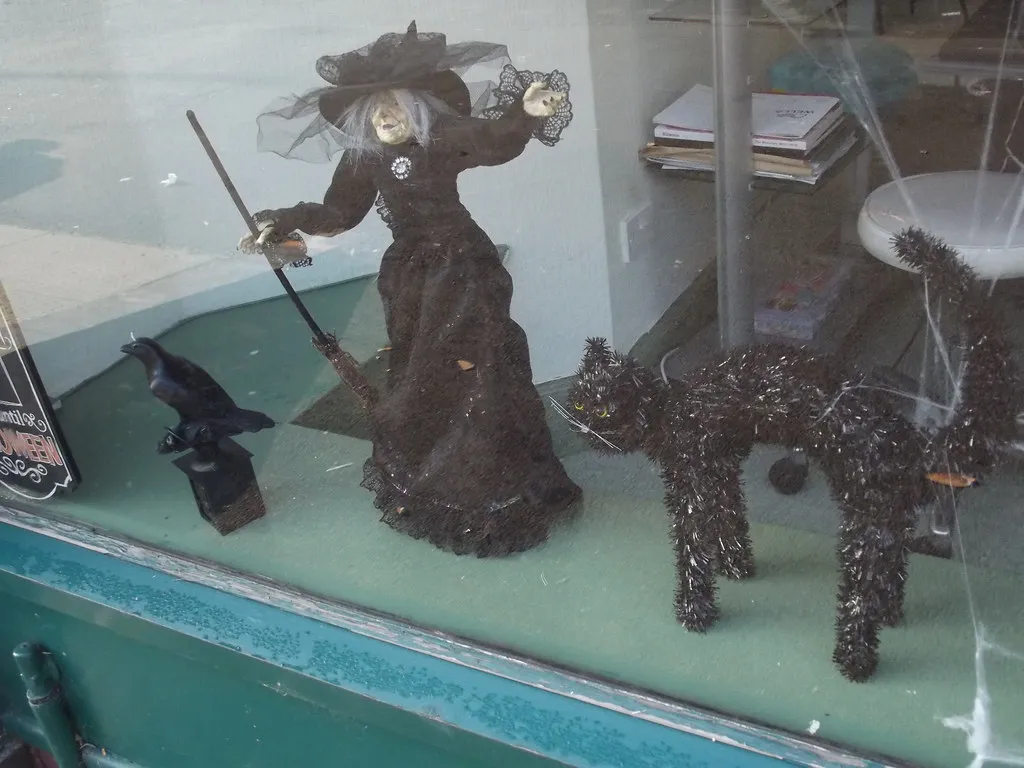
The evolution of black cats being “familiars” with witches was rooted in the belief that witches were able to use cats for spying and other dark magic. Believing that witches could take the form of their black cat companions, the superstition that a black cat crossing your path was bad luck materialized.
In medieval Europe, the Catholic Church began associating cats, particularly black ones, with paganism and the devil. Cats were nocturnal, independent, and impossible to fully domesticate, which made them suspicious to an institution that valued obedience and daylight virtue.
One could be accused of witchcraft just for owning a cat. Witches were believed to shapeshift into cats in order to harm others, or to ride cats through the night to their gatherings. Cats were killed along with witches, burned and thrown from towers.
The Plague Connection: A Deadly Irony
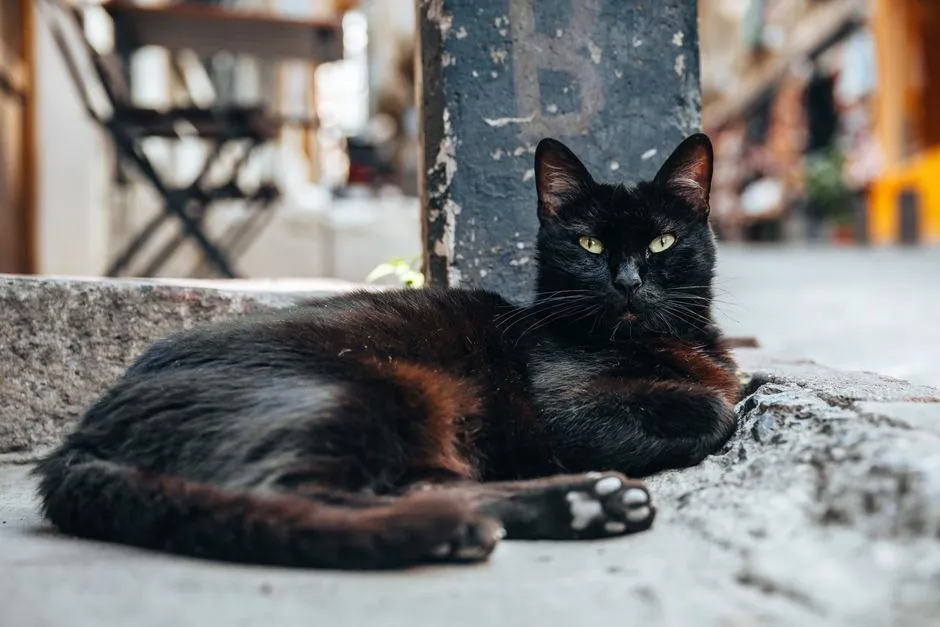
During the Middle Ages, black cats were also the subject of blame for the bubonic plague as another reason to get rid of them, which backfired almost instantly. The logic was circular and catastrophic. Cats controlled rodent populations, and removing them had the opposite of the intended effect.
Mass killings of cats were carried out. Ironically, these actions may have contributed to the rise of the bubonic plague, since the rodent population, previously controlled by cats, was allowed to explode. It remains one of history’s more tragic examples of superstition driving real-world harm.
The Salem Witch Trials and the American Chapter
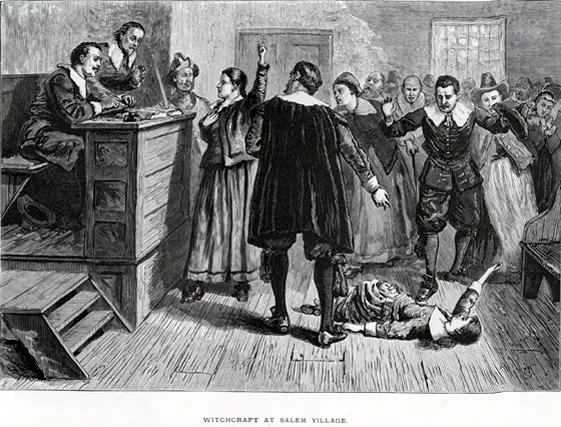
Eventually, the fear surrounding black cats and their association with witchcraft made its way across the Atlantic, courtesy of Puritan colonists. The beliefs that had taken hold in medieval Europe did not stay there.
Many early American settlers believed that black cats were witches in disguise. They believed that if witches were able to shapeshift into a black cat, it would allow them to perform spells and go unnoticed while doing so.
Black cats, specifically, became associated with the devil because the devil was described during the Salem Witch Trials as disguising itself as a large black cat. That imagery lodged deeply into American cultural memory, where it still lingers today.
The Nine Lives Myth and Shape-Shifting Beliefs
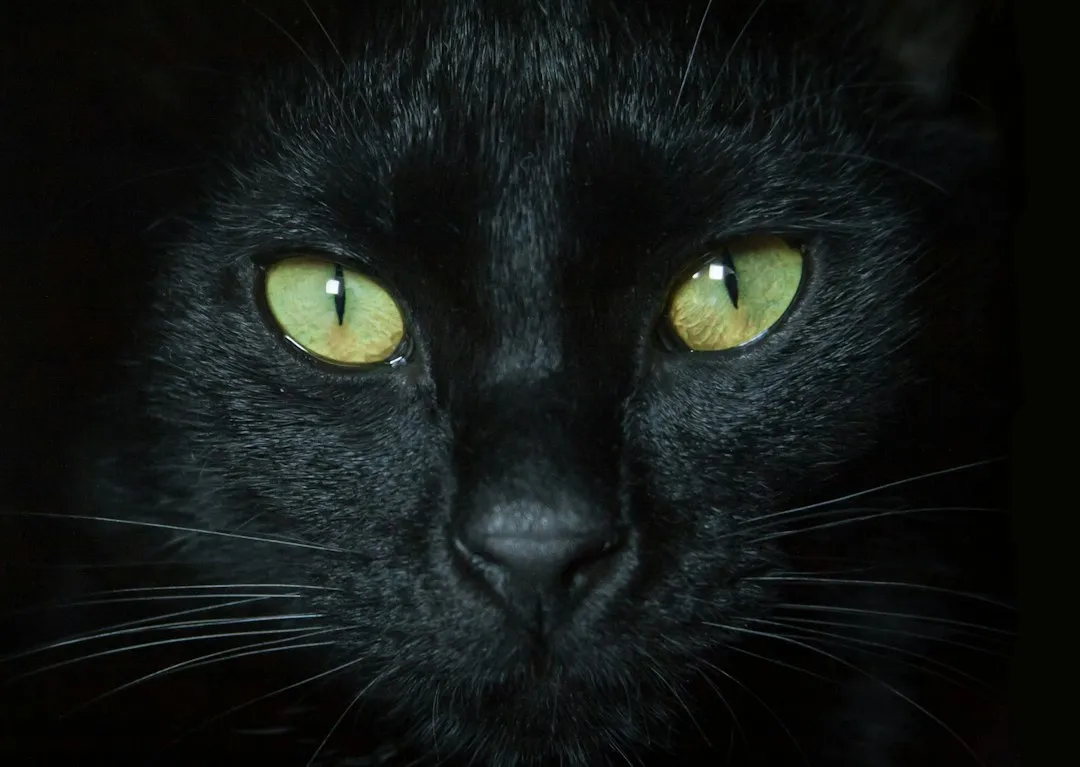
The belief that witches could shapeshift into a black cat nine times could possibly be linked to the idea that cats have nine lives. Whether that connection is historical or just a pleasing coincidence is hard to say with certainty, but the overlap is hard to ignore.
In Europe, witches and Satan were said to have the ability to transform into black cats. The superstition that a black cat crossing your path is bad luck stems from the belief that a black cat crossing your path is secretly a witch in disguise. Few superstitions have shown that kind of sticking power.
Where Black Cats Were Actually Considered Lucky
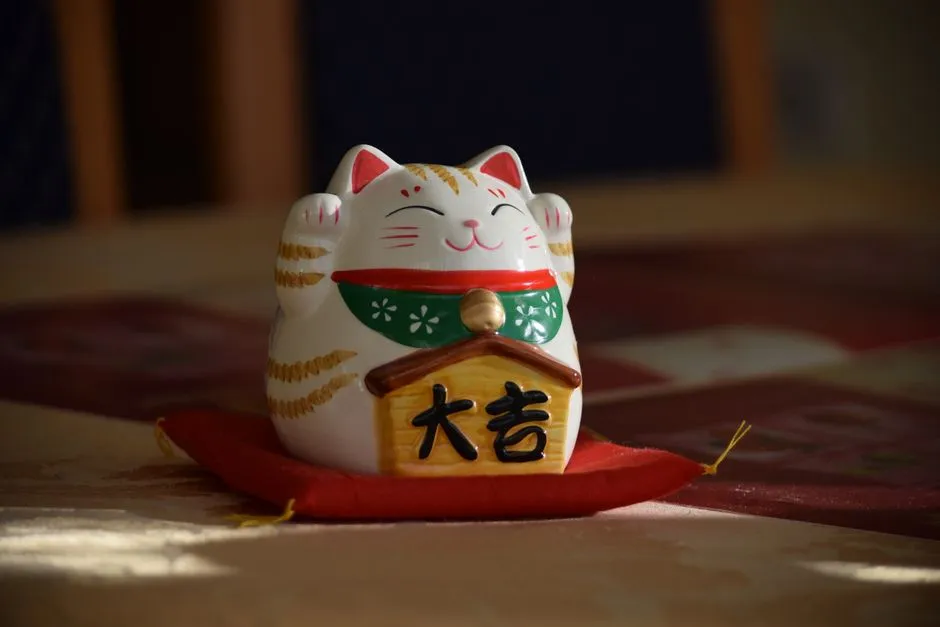
Not every culture adopted the same fearful narrative. The same animal that represented doom in parts of continental Europe meant something entirely different elsewhere. In Britain, wives of fishermen believed that their husbands would return safely if a black cat was kept in the house.
In Japan, the maneki-neko, or beckoning cat, is a symbol of good fortune, and black cats specifically are believed to ward off evil spirits. These contrasting traditions serve as a reminder that the black cat’s dark reputation was never universal. It was a product of specific cultural and religious conditions, not some inherent quality of the animal itself.
The Nocturnal Factor: Biology Feeding Superstition
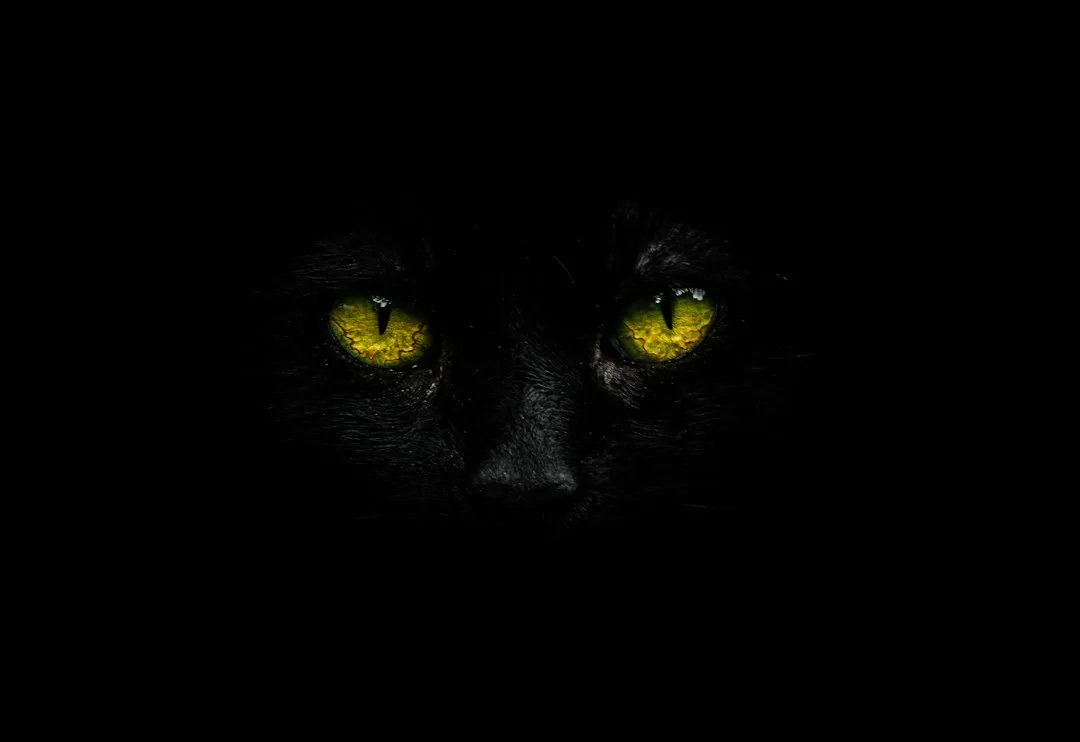
Cats are nocturnal and roam at night; thus, their agile movements and eyes that “glowed” at night became the image of darkness, mystery, and evil. In an era without artificial lighting, a pair of reflective eyes appearing in the dark was a genuinely unsettling sight.
From the late 15th century, after the publication of Malleus Maleficarum, or The Hammer of Witches, large-scale witch hunts began, with cats, particularly black ones, being considered their essential companions. This belief was likely fueled by cats’ nocturnal lifestyle. Their behavior simply fit the narrative that was already building around them.
The Modern Shelter Problem: Superstition Still Has Consequences
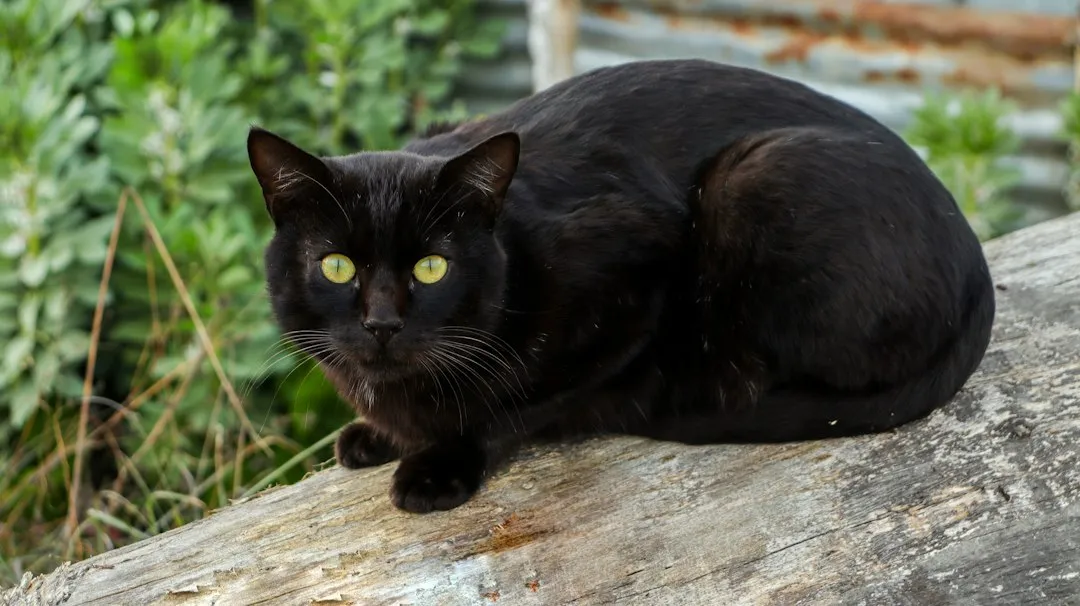
Centuries-old beliefs have not entirely faded. Today, the black cat’s dark reputation continues to affect real outcomes in animal shelters. According to the National Library of Medicine, of all cats in shelters, black cats have the highest rate of euthanasia at a rate of 74.6%, and the lowest rate of adoption at 10% of any cat.
A study of more than 29,000 cats found that, on average, black cats took a little more than two days longer to be adopted compared with non-black cats. For black adult cats specifically, that gap stretched to nearly six days.
While the favorability of black cats when it comes to adoption has risen slightly in recent years, they continue to have lower adoption rates when measured against other colors of cats. Unfortunately, they still have much higher euthanasia rates. Some progress is being made, but the shadow of an 800-year-old superstition is not easily lifted. Last spring, NPR reported that adoptions of black cats increased thanks to the 2024 Academy Award-winning animated film “Flow,” about a black cat who bonds with other animals to survive in a flooded world.
The Takeaway
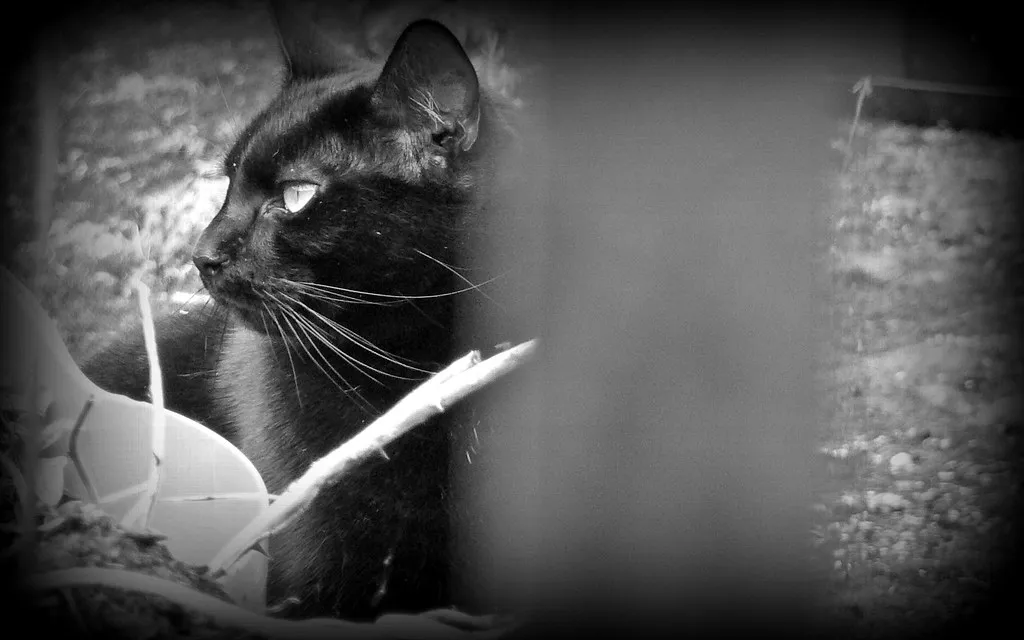
The black cat’s spooky reputation was never really about the cat. It was about power, religion, fear of the night, and the human need to find a visible symbol for invisible threats. A papal decree, a tradition of witch persecution, and centuries of reinforced storytelling all took something ordinary and made it ominous.
What’s most striking is how durable that story proved to be. It crossed oceans, survived the Enlightenment, and still influences adoption rates in 2026. The cat, of course, remains indifferent. It continues to move silently through whatever space it occupies, asking nothing of history and caring very little for our projections.
AI Disclaimer: This article was created with the assistance of AI tools and reviewed by a human editor.