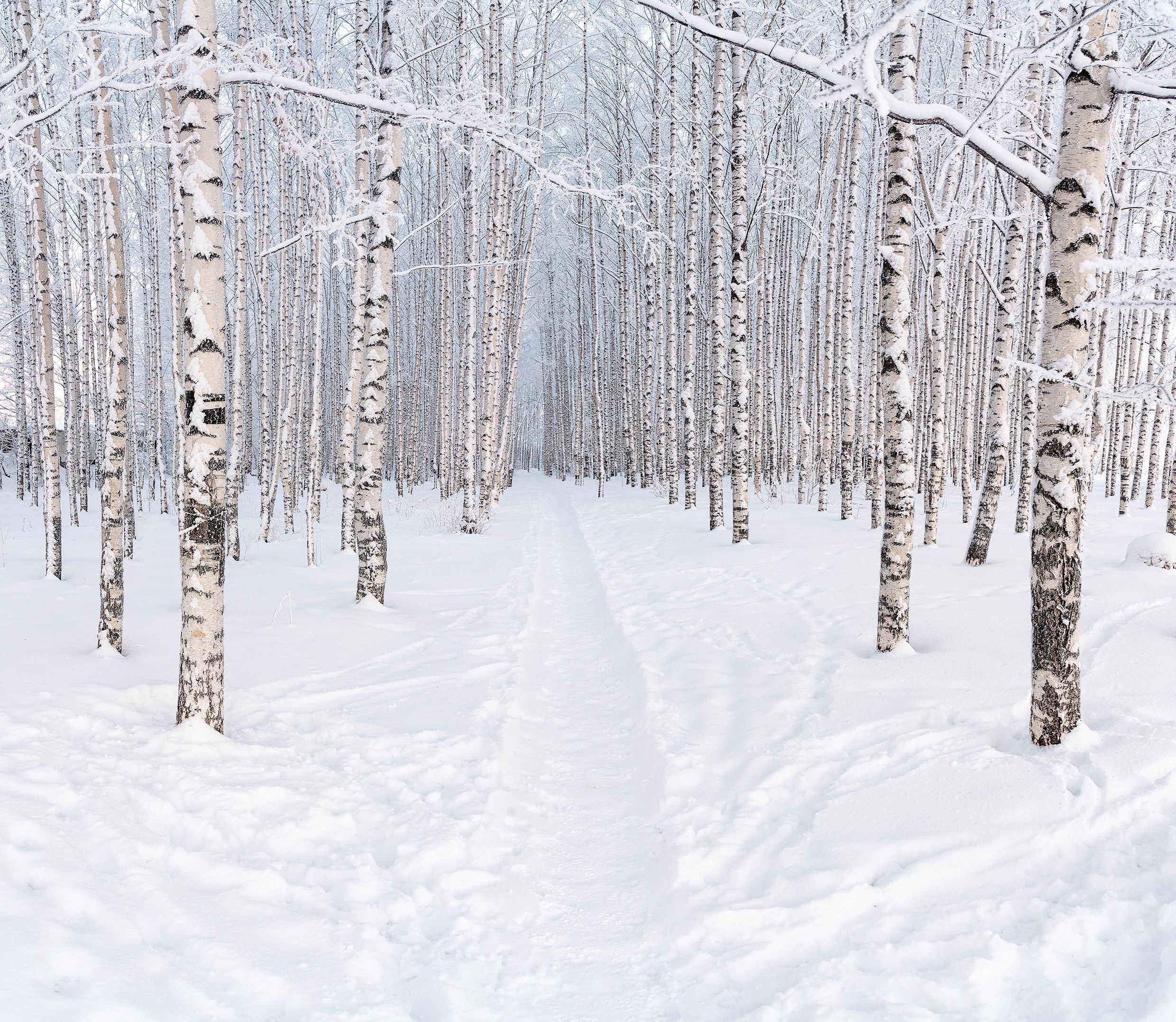

Few things in a winter forest catch the eye quite like a stand of birch trees. Their pale trunks glow against dark soil and grey skies, almost luminous on a cloudy afternoon. It’s striking enough to make anyone pause and wonder: why are they white at all? Most trees wear shades of brown, grey, or black, so a bright white trunk stands out as genuinely unusual.
The answer turns out to be both chemical and ecological, rooted in millions of years of adaptation to some of the harshest climates on Earth. Science has been peeling back the layers of this mystery for decades, and the findings are more interesting than you might expect.
The Chemical Behind the Color: Meet Betulin
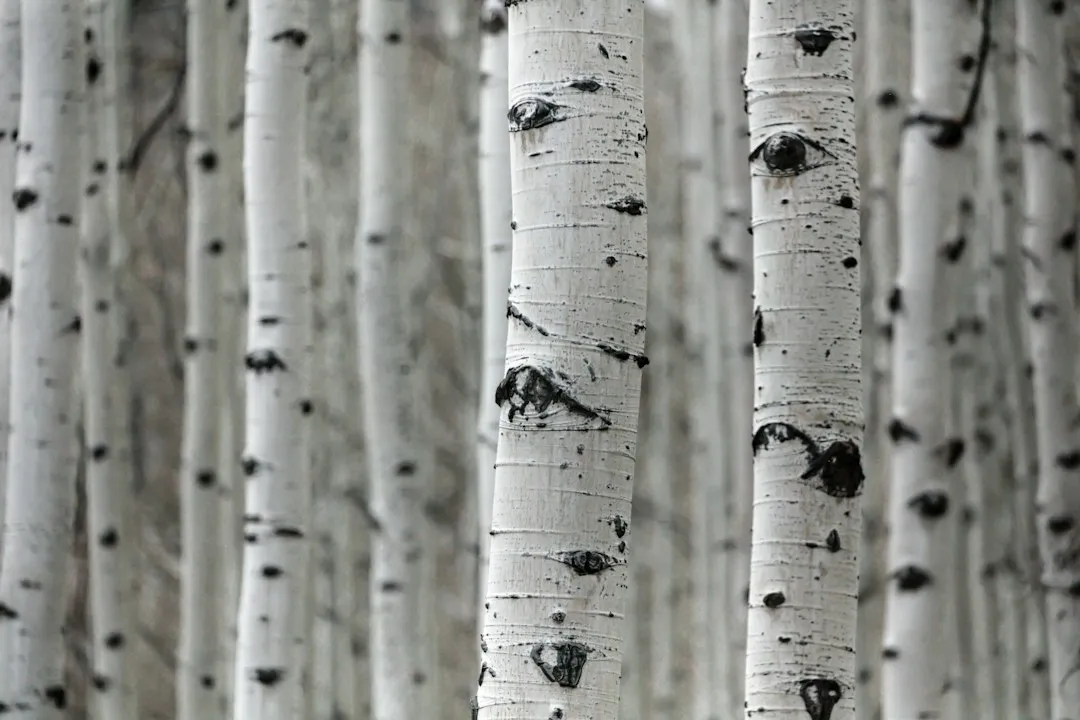
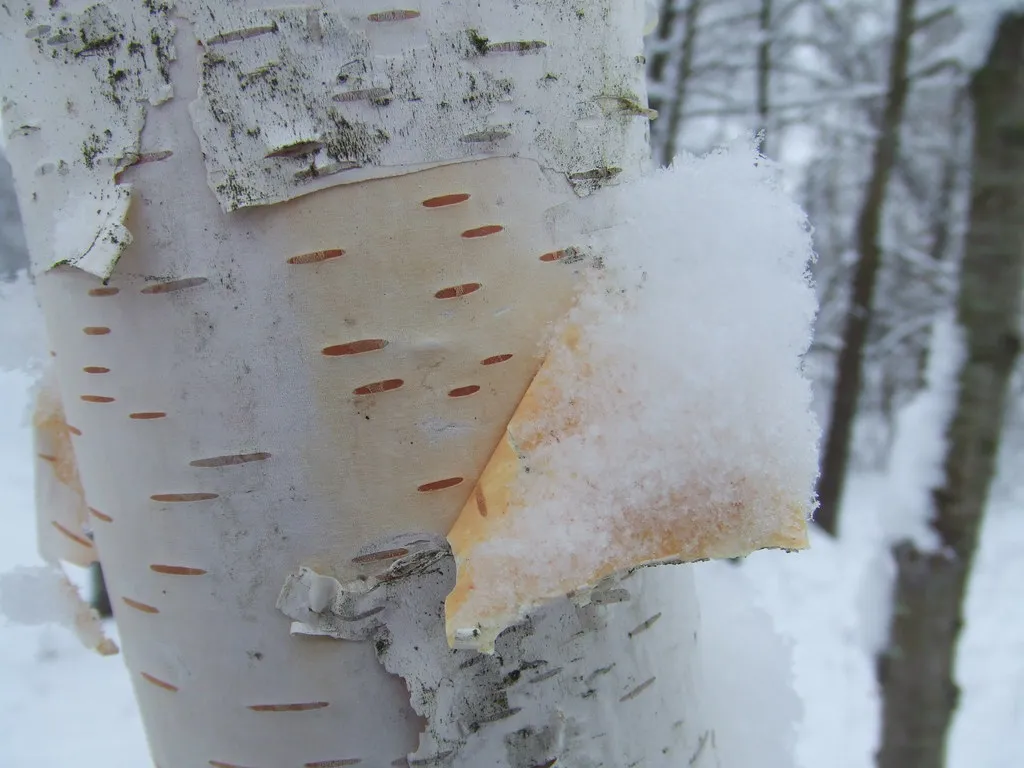
Birch bark is white because it is rich in betulin, a compound whose name was derived from Betula, the birch genus. A triterpene, betulin occurs as crystalline deposits in cells in the outer layers of the bark, and these crystals are physically arranged in such a way as to appear white. Think of it like packed snow: individually the crystals are transparent, but together they scatter light into white.
Betulin is the main component of almost all bark extracts from birch and determines the white color of the bark. Plants synthesize betulin to protect against all adverse environmental factors, accumulating it exclusively in their outer shell. It’s not decoration. It’s armor.
How Much Betulin Is Actually in There?
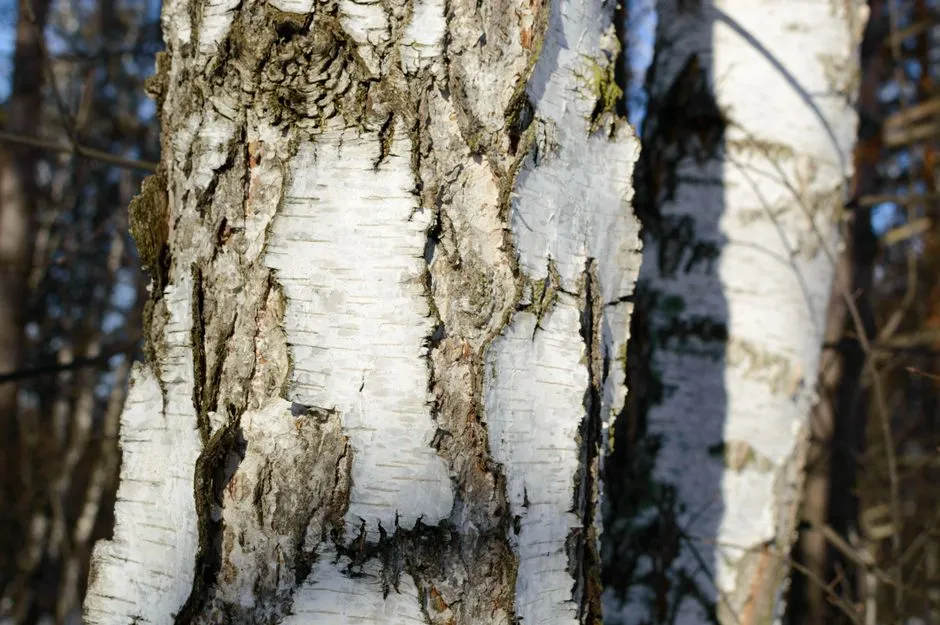
Birch tree bark is a natural source of lupane-type triterpenoid betulin, whose concentration accounts for approximately 30 percent of the bark by mass weight. That’s a substantial proportion for a single compound in plant tissue. Betulin is found in the outer bark of paper birch trees and is known to be present at concentrations of up to roughly a quarter of the bark of white birch.
Researchers reported a betulin concentration of around 56 percent in the bark of yellow birch in Quebec, Canada, suggesting that concentration levels vary considerably across species and regions. The outer layer is where most of this compound sits, which is exactly why the outside of the bark is so visually white while the inner layers are pale brown or beige.
Protecting Against Winter Sunscald
In northern climates, mid-winter warming of a tree’s bark is not a good thing. Such warming may cause rapid fluctuations in the temperature of the cambium, that thin but vital layer of regenerative cells between bark and wood. Extreme fluctuation in the temperature of these cells, especially swings from warm back to very cold, commonly results in cell death and severe injury.
Sunscald, frost cracks, loss of sap conduction, and sometimes even the death of the tree are all possible outcomes of uncontrolled bark temperature swings. Winter solar heating of bark and the resulting cambial temperature fluctuations are widely recognized as the primary contributors to sunscald injury. White bark directly addresses this risk by reflecting sunlight rather than absorbing it.
The Painted Bark Experiments
Karels and Boonstra investigated the functional significance of the white bark of paper birch during winter through field experiments in Ontario, Canada. Birch stems were painted with two colors, white and brown, and cambium temperatures were monitored. On a sunny winter day with subfreezing conditions, brown-painted bark raised cambium temperatures almost 18 degrees Celsius above the surrounding air temperature. Far less temperature variation was observed for white-painted and untreated bark, with the cambium remaining well below zero.
During mid-winter, maximum midday cambium temperatures near Timmins, Ontario, were higher for brown-painted bark at plus 1.6 degrees Celsius, compared to natural bark at minus 9.4 degrees and white-painted bark at minus 12.1 degrees Celsius. These are not trivial differences. The gap between a brown trunk and a white one could be the difference between life and death for the living cells beneath.
Passive Radiative Cooling: A New Discovery
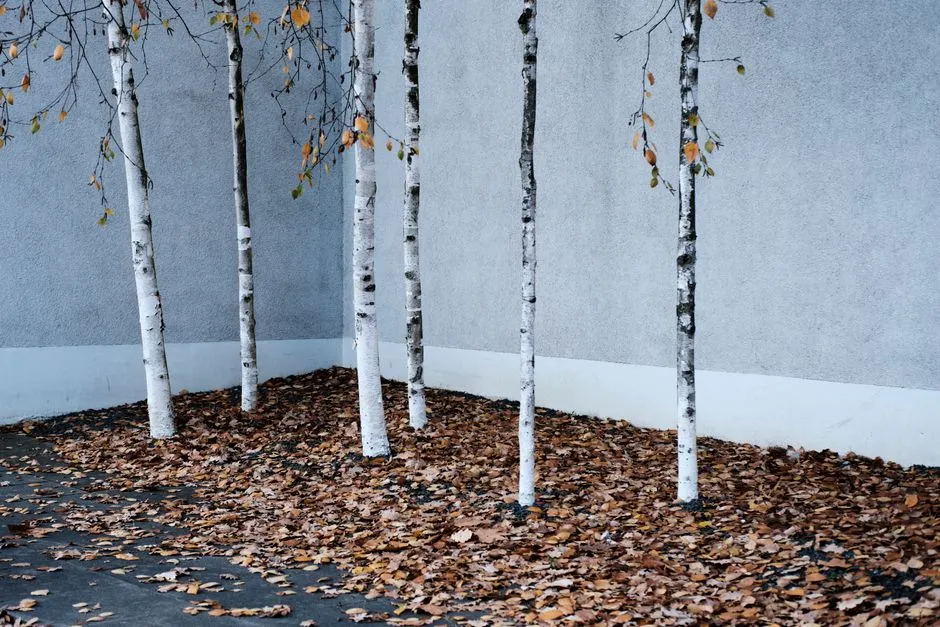
Research suggests that a high betulin content, characteristic of white birch bark, not only contributes to its visible whiteness, but also provides the material properties necessary to regulate temperature via passive radiative cooling. This is a relatively recent understanding that goes beyond simple reflection. The bark structure itself appears to actively shed heat rather than merely bounce sunlight away.
The structure of papery birch bark contains insulating layers of air, while the white color scatters light to avoid sunscald-induced heat flux. This layered architecture, combined with the chemistry of betulin, works as a surprisingly sophisticated thermal management system for a tree that cannot seek shade or shelter.
A Warning Signal to Animals
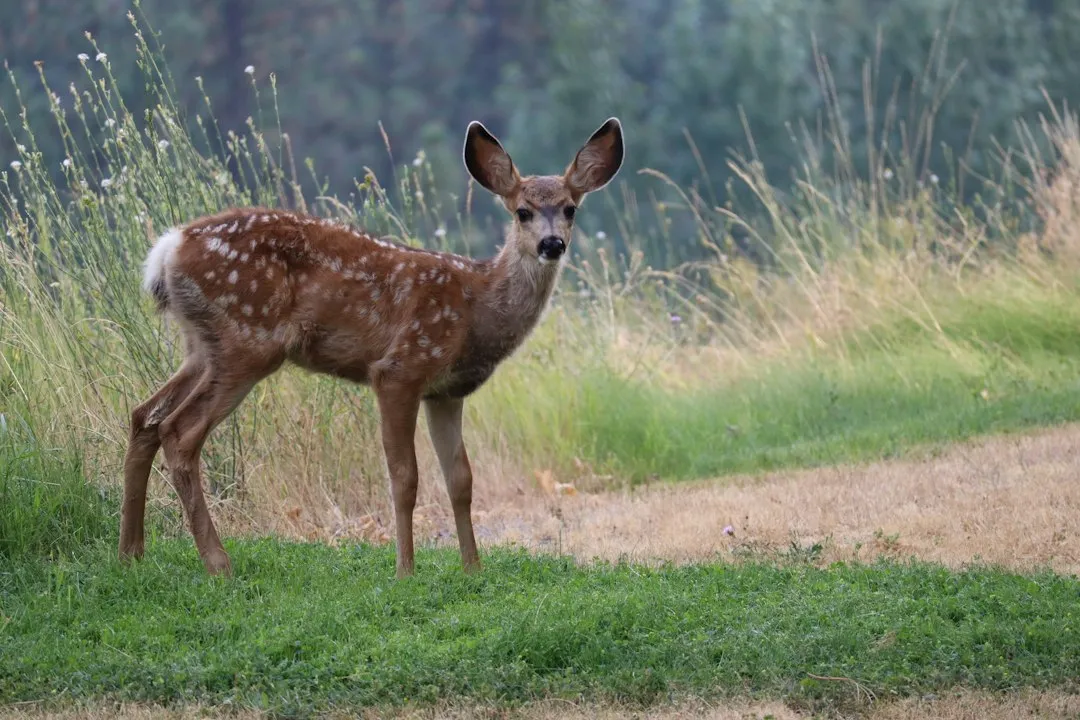
Climate protection is not the only reason researchers have explored. White birch bark contains betulin and other compounds that likely make the bark unprofitable for herbivores, and white birch bark extract has been shown to be repellent to deer. Studies show that white birch bark is avoided by multiple bark-stripping herbivores across the Northern Hemisphere.
Specific white birch features such as the open stem habit, thin contrasting dark branches, and white bark appearing only in mid-life cycle are consistent with visual signalling. In a 2022 study published in a peer-reviewed ecology journal, researchers proposed that the stark white color may function as a kind of warning advertisement, letting browsing mammals know that the bark contains bitter, chemically unpleasant compounds. In a survey in Scotland, white birch bark was stripped less than other trees’ bark, and mature white birch was avoided in comparison to juvenile brown birch bark.
The Lenticels: Breathing Through the White
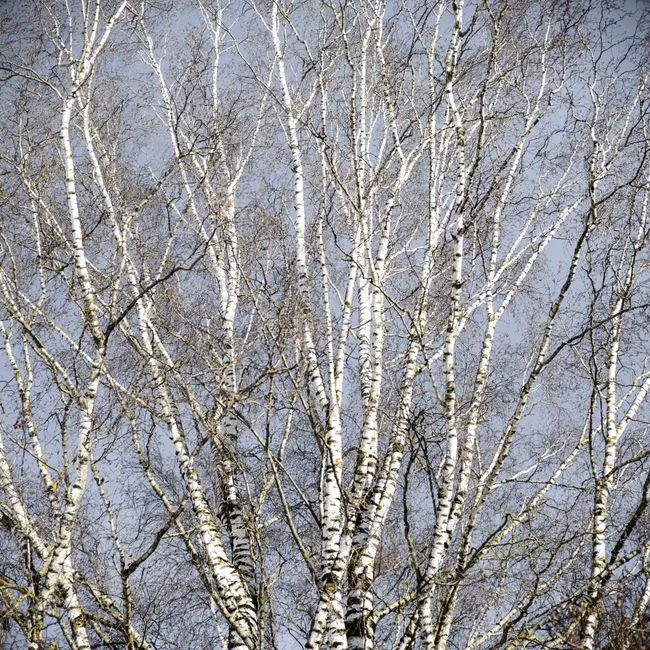
The bark also features horizontal lines called lenticels, which are pores that facilitate gas exchange, and these lenticels are more prominent on silver birch, often seen in Irish landscapes. These small, dark markings are what give birch bark its characteristic spotted appearance, contrasting against the white surface.
As the tree grows, the outer layers of bark peel off in papery strips, revealing fresh, white bark underneath. This continuous renewal keeps the reflective surface intact as the tree ages. The white stays white precisely because new, betulin-rich layers are always being exposed.
Not All Birches Are Equally White
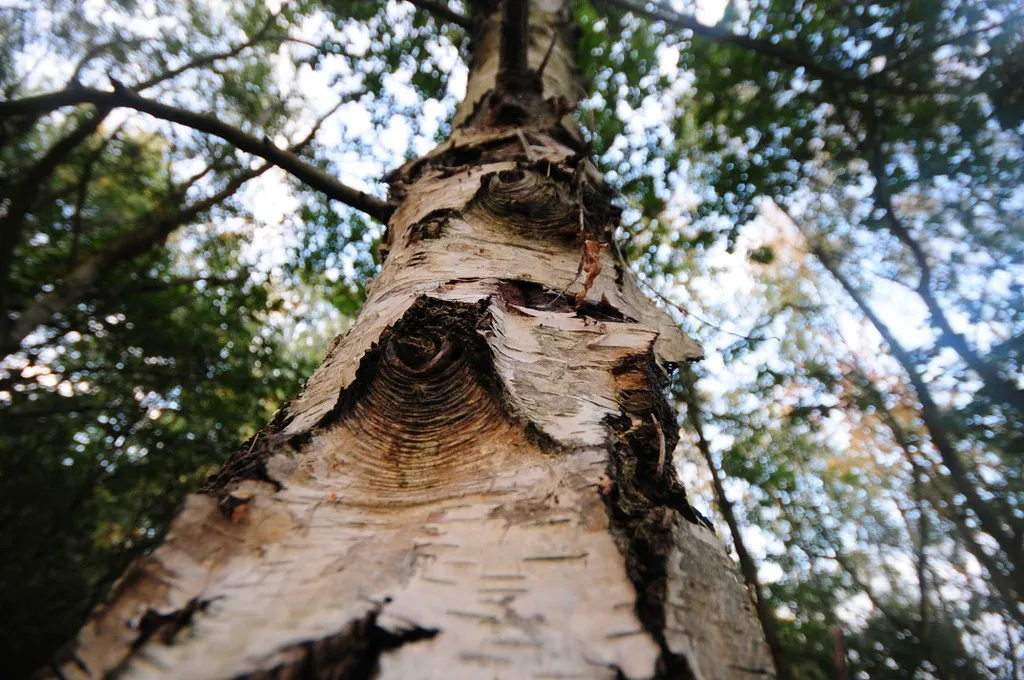
While young tree stems are often a reddish-brown, the bark of older downy birch and silver birch is rich in betulin, a white, water-repellent substance giving the bark its characteristic silvery-white colour and peeling texture. Youth and maturity look genuinely different on a birch tree.
White birch trees do not invest in white bark and increased betulin until they are approximately 5 to 7 centimeters in diameter or around 8 years old. Silver birch bark is smoother and peels more distinctly, with a brighter white colour and more prominent darker lenticels. In contrast, downy birch bark is less peeling and often rougher, especially at the base, with a darker grey, black, or brownish tint. These differences reflect distinct ecological strategies within the same genus.
Birch Bark’s Antimicrobial Shield
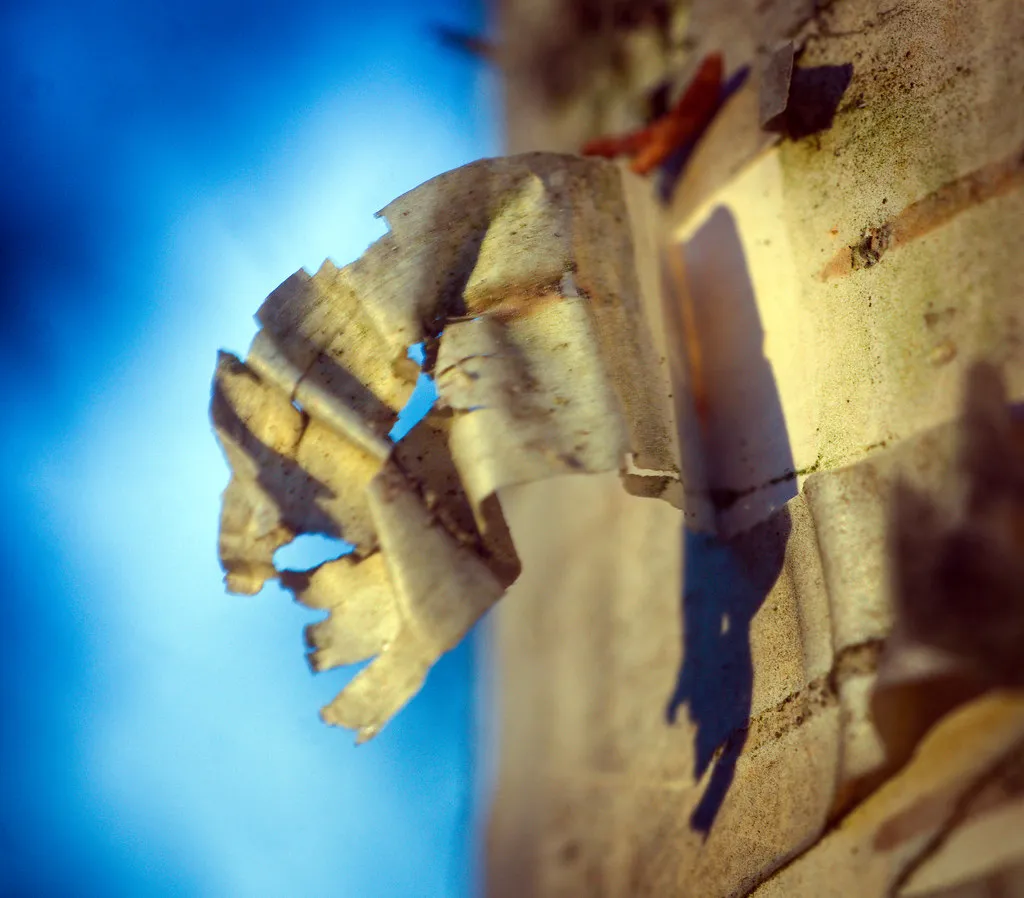
As a member of the plant pentacyclic triterpene family, betulin has antifungal and antimicrobial effects, and may protect the tree against fungal and bacterial attack through the bark. For a tree growing in damp, northern forests where rot and mold are constant pressures, this chemical defense is worth a great deal.
The white part of the birch bark remains white even when the tree itself is already rotten, and this resistance to harmful microflora is attributed to the effect of betulin. In the composition of plant membranes, betulin is necessary to protect the plant from damaging environmental factors including radiation, bacteria, fungi, viruses, and insects. This is a compound doing a remarkable amount of work at once.
Birch Bark in Human History
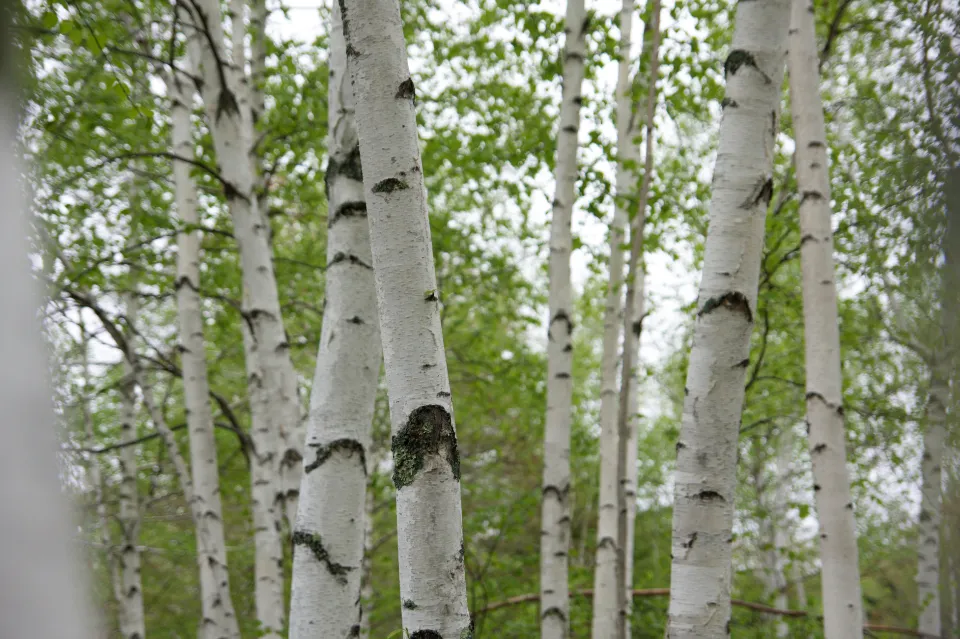
Birch bark has been used for thousands of years as a waterproof, rot-resistant material for baskets, canoes, and writing surfaces. The same properties that protect the tree turned out to be highly useful for people. Native American communities used birch bark for building canoes and for medicinal purposes.
Birch bark remains a popular material for various handicrafts and arts today, and it also contains substances of medicinal and chemical interest. The betulin that makes the bark white is now actively studied by pharmaceutical researchers for its potential in treating cancer cells and inflammation. Research suggests betulin extracts are potentially useful in cosmetics, food supplements, or pharmaceutical applications.
The Takeaway
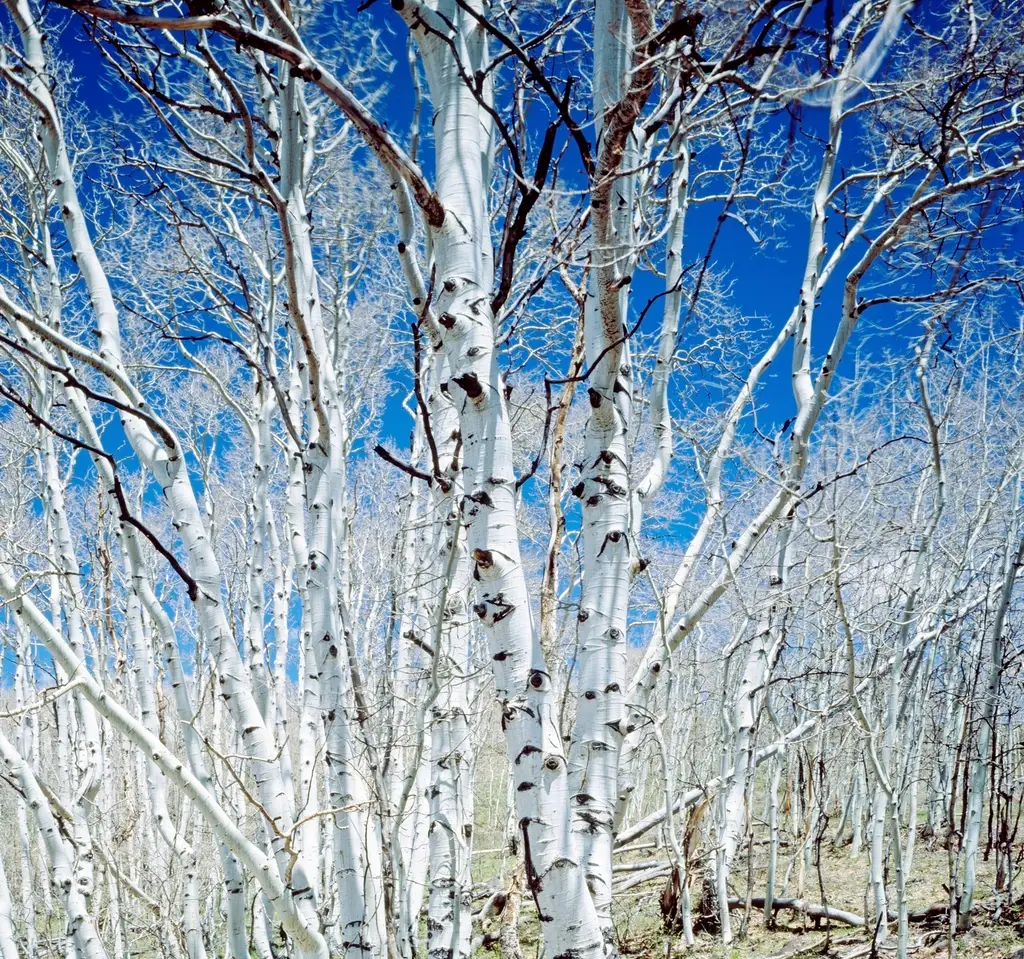
The white bark of a birch tree is not an aesthetic accident. It is the result of a precise chemical compound, betulin, doing multiple jobs simultaneously: reflecting dangerous winter sunlight, deterring browsing animals, resisting fungal and bacterial rot, and helping the tree shed excess heat through passive radiative cooling. Research continues to refine our understanding, with a 2026 study from bioRxiv adding detail to how the bark structure itself contributes to temperature regulation beyond simple reflection.
What looks like a simple color is, on closer inspection, one of the more elegant survival solutions in the temperate and boreal forest. The birch figured it out long before anyone thought to ask the question.
AI Disclaimer: This article was created with the assistance of AI tools and reviewed by a human editor.