
Most gardeners assume that giving a plant more room is always a generous act. It’s a reasonable instinct. More space, more soil, more resources. The plant should thrive, right? In practice, that logic breaks down fairly often, and the results can be just as damaging as neglect.
The relationship between pot size and plant health is genuinely more complex than it looks on the surface. Getting it right isn’t about going bigger. It’s about going proportional.
The Overpotting Trap: What It Is and Why It Happens
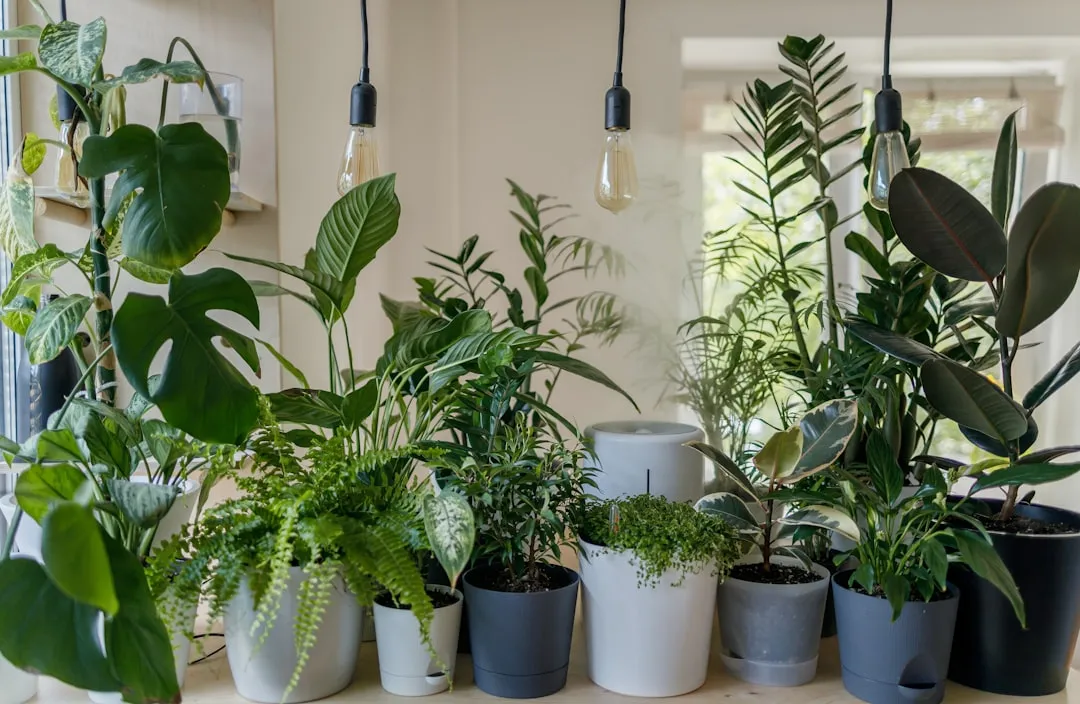
The allure of using oversized pots, referred to as the practice of overpotting, often arises from a well-intentioned desire to provide plants with an abundance of space and resources. It’s an easy mistake to make, especially for newer plant owners who interpret space as care. Pot size plays a pivotal role in a plant’s overall health, impacting factors like moisture retention, root development, nutrient absorption, and even ease of maintenance.
Using a pot that’s too large for a plant can lead to certain problems, including overwatering, nutrient imbalance, and rooting problems. None of those things are obvious at first glance. The soil looks fine. The plant looks settled. The trouble is already brewing underground, where you can’t see it.
What Science Actually Says About Pot Size and Growth
A meta-analysis drawing on 65 studies that examined the effect of pot size on growth found that, on average, a doubling of pot size increased biomass production by about forty-three percent. That sounds like a strong argument for bigger containers. The catch is that this finding applies specifically to plants that were already being constrained by pots that were genuinely too small for them.
Further analysis of pot size effects on the underlying components of growth suggests that reduced growth in smaller pots is caused mainly by a reduction in photosynthesis per unit leaf area, rather than by changes in leaf morphology or biomass allocation. In other words, the benefit of upsizing is real, but only when the original pot was the limiting factor. The appropriate pot size logically depends on the size of the plants growing in them, and evidence suggests that an appropriate pot size is one in which the plant biomass does not exceed one gram per liter of soil volume.
The Moisture Problem: Too Much Soil Holds Too Much Water
In an oversized pot, excess soil retains moisture for longer, increasing the risk of overwatering, which can drown plant roots and lead to root rot and other water-related problems. This is the most immediate risk of overpotting, and it catches people off guard because they didn’t actually change their watering habits. The pot changed. The dynamic changed with it.
An extremely large volume of soil can end up staying wet for a prolonged period of time, drowning the plant and causing root rot, as documented by the Royal Horticultural Society. Large pots also require more time for the soil to dry out, which can disrupt the plant’s nutrient uptake, while inadequate aeration can lead to poor growth and nutrient deficiencies, as well as the risk of infestation or disease.
Root Behavior in Oversized Containers
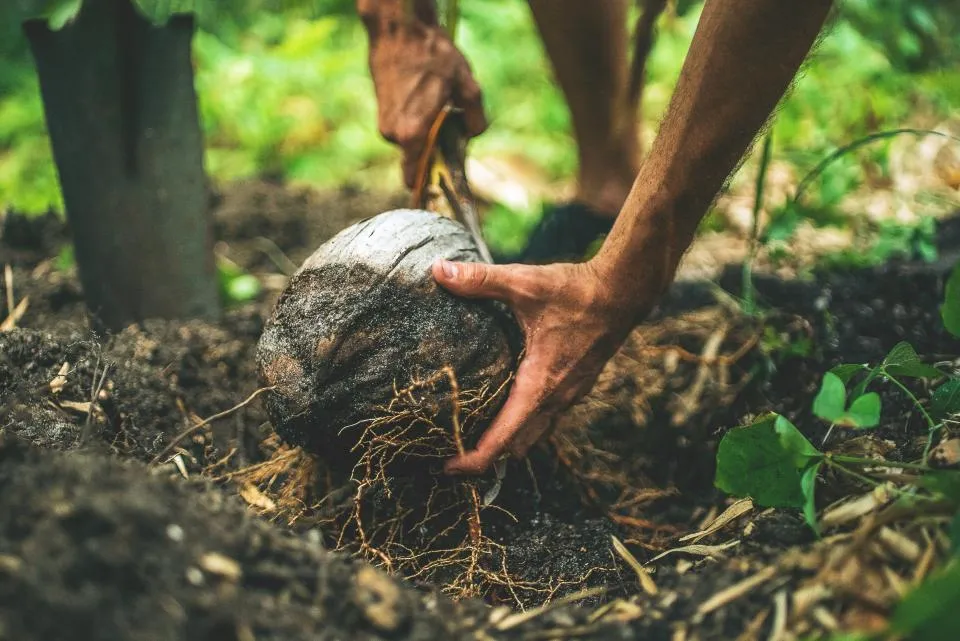
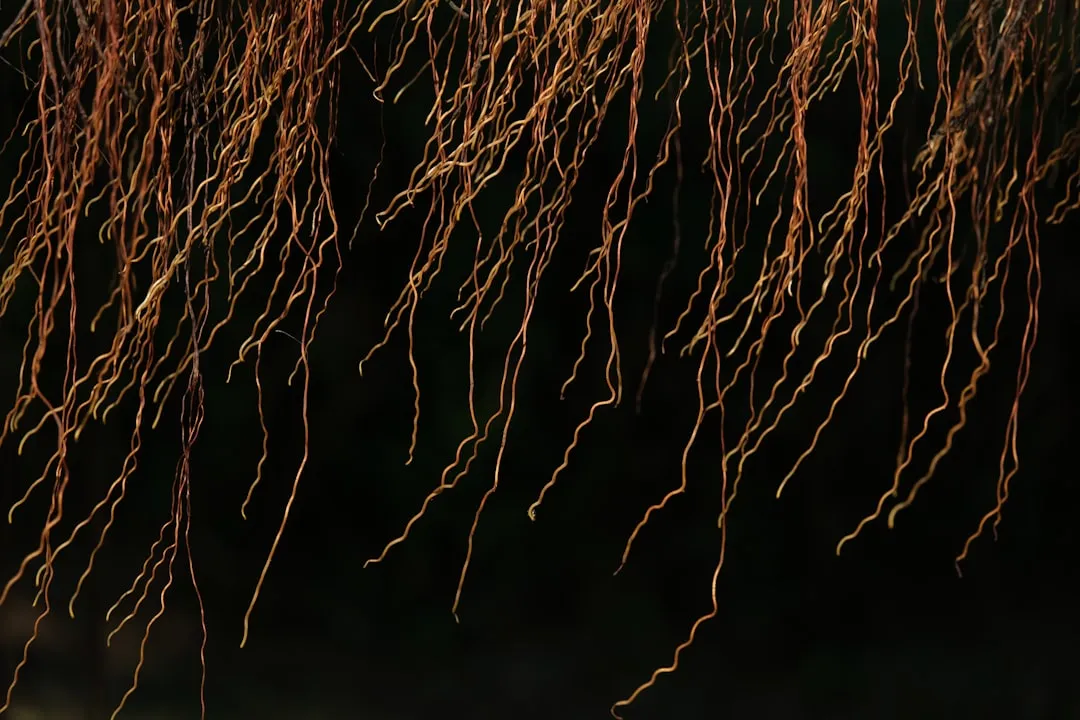
Plants in oversized pots often grow slower, not faster, because they divert energy toward expanding their roots to fill the large volume of soil, while above-ground growth slows down as the plant prioritizes underground expansion. This is one of the more counterintuitive facts in container gardening. You buy a bigger pot expecting bigger leaves. Instead, you get a plant that’s quietly building a massive underground network while barely touching its foliage.
When provided with too many resources, a plant will put extra effort into filling the oversized pot and developing a strong root system, and over time, you’ll notice little leaf or plant growth for a long time, as if the plant has stunted its development. It hasn’t failed. It’s just investing in the wrong direction from a gardener’s perspective.
Nutrient Imbalance and Fertilizer Buildup
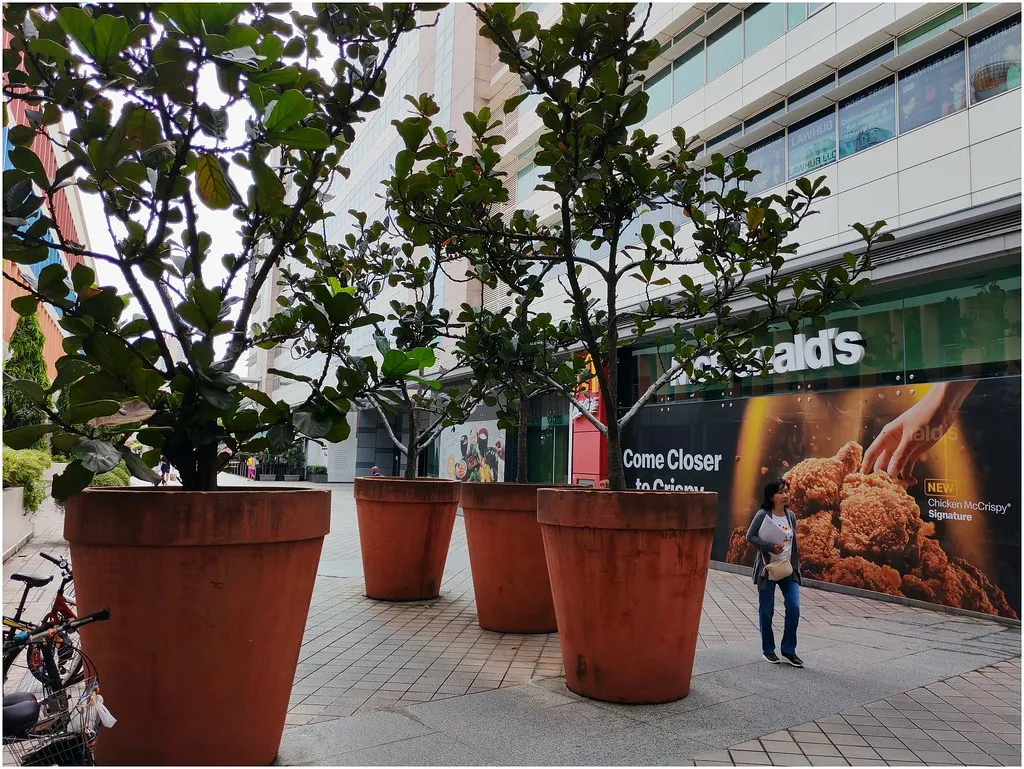
A big pot needs more soil than a plant may actually need, and when the soil volume is excessive, the plant takes much longer to absorb the nutrients, with a lack of proper nutrition leading to stunted growth in potted plants. Too much of something is still a problem, even when that something is nutritious soil.
When a plant struggles to absorb nutrients, salt from fertilizers can accumulate on the soil surface, further hindering the plant’s absorption of nutrients and contributing to stunted growth. This buildup is visible as a white crust forming on the soil surface, a sign that the system is out of balance. Extra soil can mean excess nutrients for a small plant, but this doesn’t mean the plant will grow any faster.
The Oxygen Factor: Why Soil Aeration Matters in Big Pots
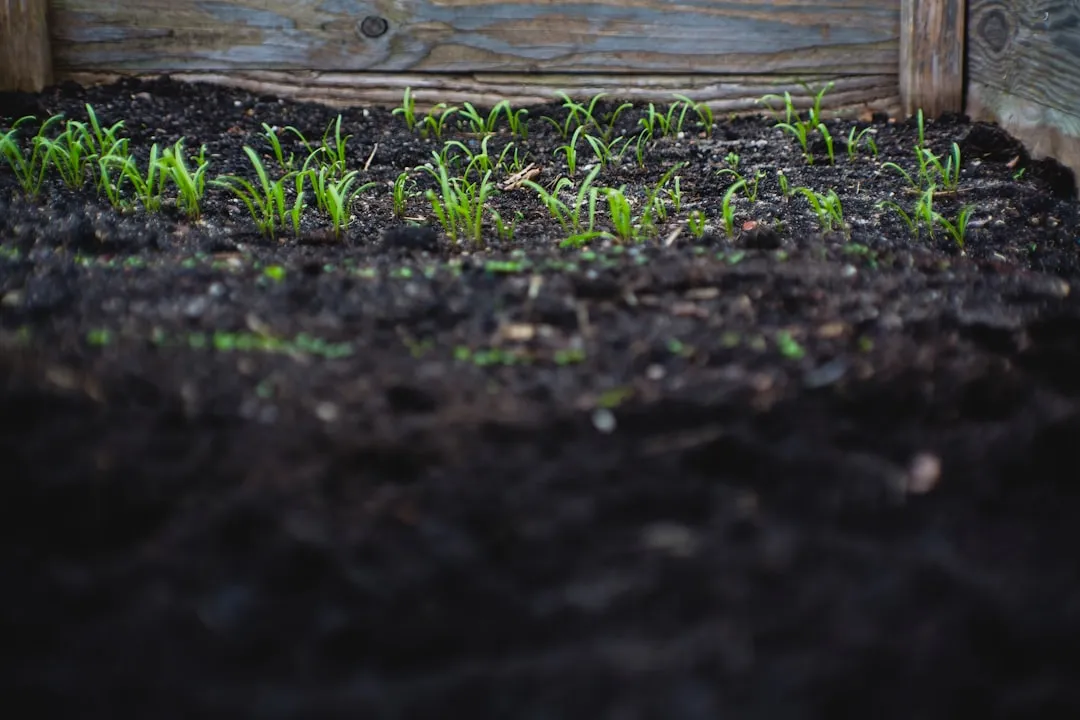
Correct aeration of the soil in a pot is one of the most crucial factors for container-grown plants to develop vigorously and healthily, as an aerated substrate ensures oxygenated roots, prevents disease, promotes growth, and allows for proper use of water and nutrients. In a well-fitted pot, this balance tends to maintain itself. In an oversized one, waterlogged soil disrupts it quickly.
Roots need oxygen to grow deep and wide, and without enough air, they suffocate, nutrient uptake falters, and plants become vulnerable to disease and drought. The competition between crammed roots in a small pot results in lower oxygen levels, which is the opposite of what gardeners expect. Both extremes, pots too small and pots too large, can starve roots of oxygen through different mechanisms.
Plants That Actually Prefer Snug Conditions
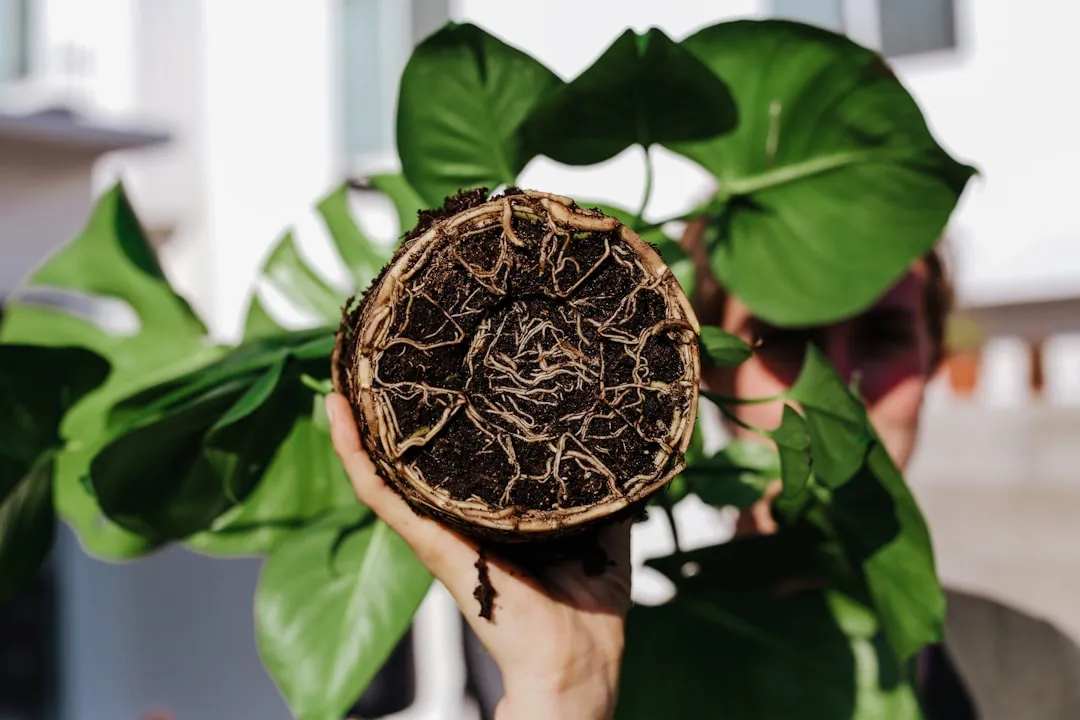
Some plants may have epiphytic roots, be slow-growing, or be adapted to shallow conditions in their natural growing areas, and keeping things tight promotes physiological responses like lush, dense growth and even blooming. This isn’t a minor exception. It applies to quite a few common houseplants.
Peace lilies bloom more reliably when their roots are slightly crowded, preferring to feel snug in their containers, and premature repotting can put a halt to their flowering cycle. Spider plants, despite being fast growers, prefer being a little root-bound and are more likely to flower and produce baby plantlets when their pots get tight. African violets do best when slightly root-bound, and overpotting discourages blooming and leads to yellowing leaves.
The Soil Fertility Variable
In trials using beans, plant growth increased with pot size, but smaller pots could produce equal growth if enough fertilizer was used, showing that soil fertility was more critical than pot size in determining plant growth. That’s a meaningful finding. It means pot size and soil nutrition aren’t independent of each other. They interact.
A bigger pot does not automatically mean faster growth, as growth depends on whether the container size matches the plant’s root system and growth stage. A well-fed plant in a proportionate pot will outperform an underfed plant in a giant one. Nutrition and fit matter more than raw container volume.
How to Size Up Properly When Repotting
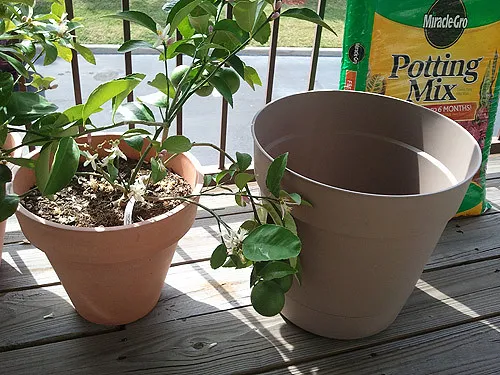
As a rule of thumb, moving up only one to two inches in diameter when repotting is recommended, meaning for small plants this might involve moving from a four-inch pot to a six-inch one, while for larger plants, proportion and root size should be considered carefully. Incremental sizing keeps the plant in its comfort zone without flooding it with excess soil volume.
When your plant grows out of its pot, it’s important to regularly move it to bigger pots over time, rather than choosing the biggest pot immediately. Fast-growing plants typically require a pot increase of three to four inches to avoid frequent repotting, while slow-growing plants perform better in slightly snug containers. Knowing your plant’s growth rate makes all the difference in choosing the right timing.
Reading the Warning Signs of Overpotting
Overpotting can cause soil to stay too wet, leading to root rot and poor drainage, which can result in stunted growth, yellowing leaves, and even plant death. These symptoms often get misread. Yellowing leaves get blamed on underwatering. Slow growth gets blamed on low light. The real issue is sitting in the pot itself.
One way to determine if a plant is overpotted is by checking the health of its roots. If the roots are mushy, brown, or smell bad, it’s a sign of overpotting, and you may also notice slow growth, wilting, or yellowing leaves. Getting in the habit of checking root health every season, not just the foliage, gives you a much clearer picture of what’s actually going on.
The Takeaway
Pot size is one of those variables that gets underestimated until something goes wrong. The science is fairly consistent: matching container size to root system size matters far more than simply scaling up. A plant doesn’t experience a bigger pot as generosity. It experiences it as an environment it now has to manage, with all the moisture, oxygen, and nutrient dynamics that come with it.
The best container gardeners aren’t the ones with the biggest pots. They’re the ones who pay attention to proportions, watch for early signals, and resist the urge to overdo it. Sometimes the most useful thing you can give a plant is just enough room, and nothing more.
AI Disclaimer: This article was created with the assistance of AI tools and reviewed by a human editor.