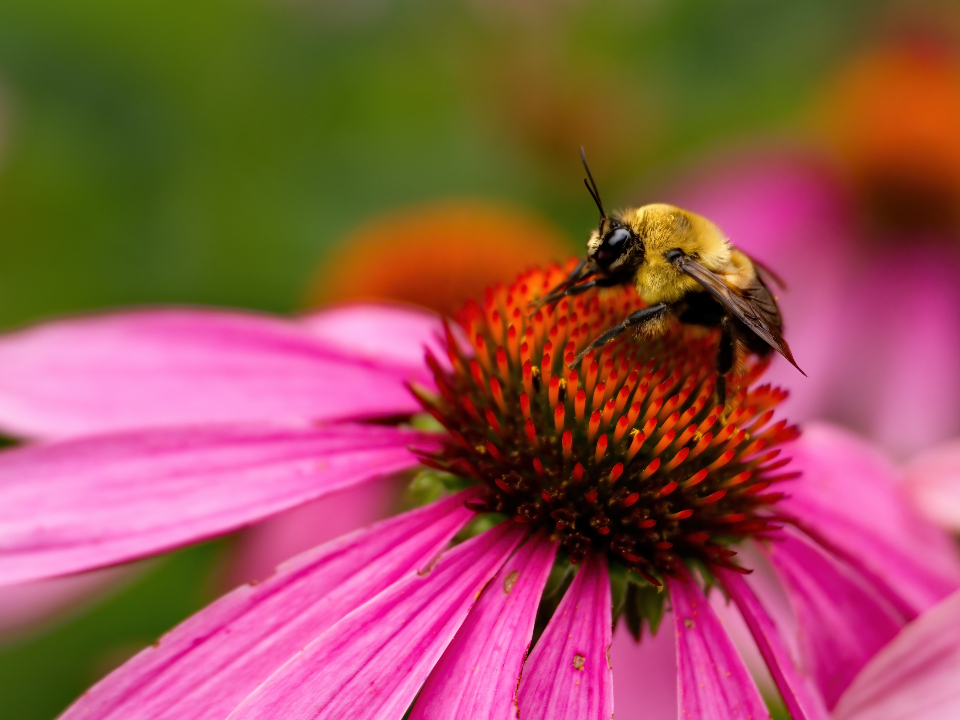

Walk through almost any suburban garden in summer and the pattern becomes obvious quickly. Some flower beds hum with activity while others, equally full of blooms, sit perfectly still. No buzzing, no hovering, no visitors at all. It turns out bees are far more selective than most gardeners realize, and the reasons behind their choices are rooted in biology, chemistry, and millions of years of coevolution between insects and plants.
Double-Petalled Flowers Lock Bees Out
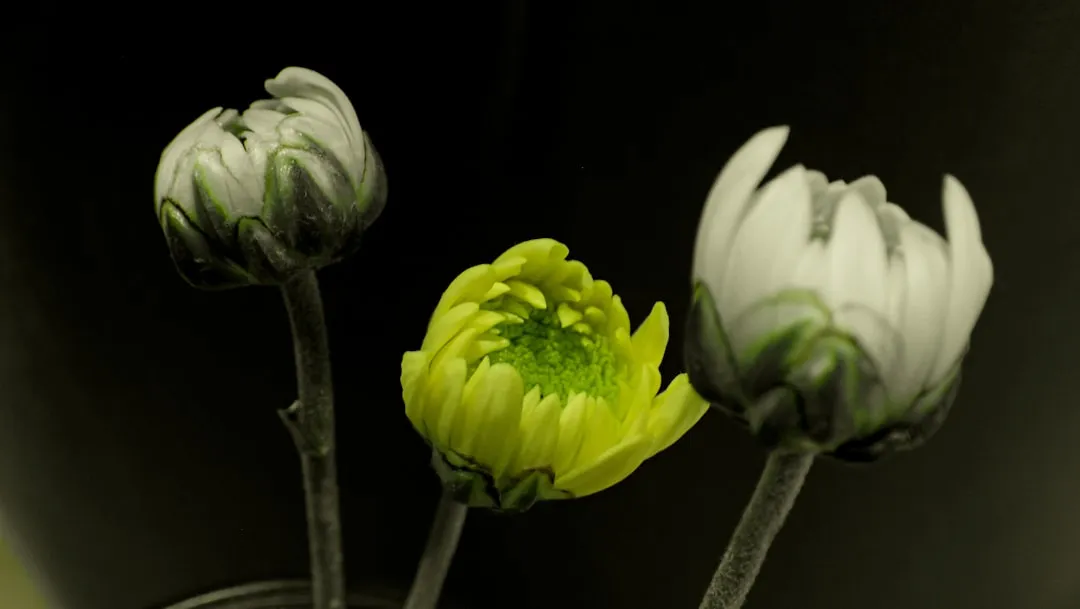
Many double flowers have so many petals that the pollen and nectar become difficult or impossible for bees to reach. This is one of the most straightforward reasons bees pass certain popular plants by entirely.
Flowers that do not attract bees tend to be the double-flowered cultivated varieties of popular species such as roses, marigolds, petunias, and pansies. Double-petalled dahlias, such as ‘Café au Lait’, are another clear example.
Double-flowered blooms can effectively starve insects, as extra petals often replace stamens and hide nectar, so many bee varieties cannot feed. For gardeners, the fix is simple: choosing open-centred varieties makes an immediate difference.
Hybrid Breeding Has Stripped the Reward
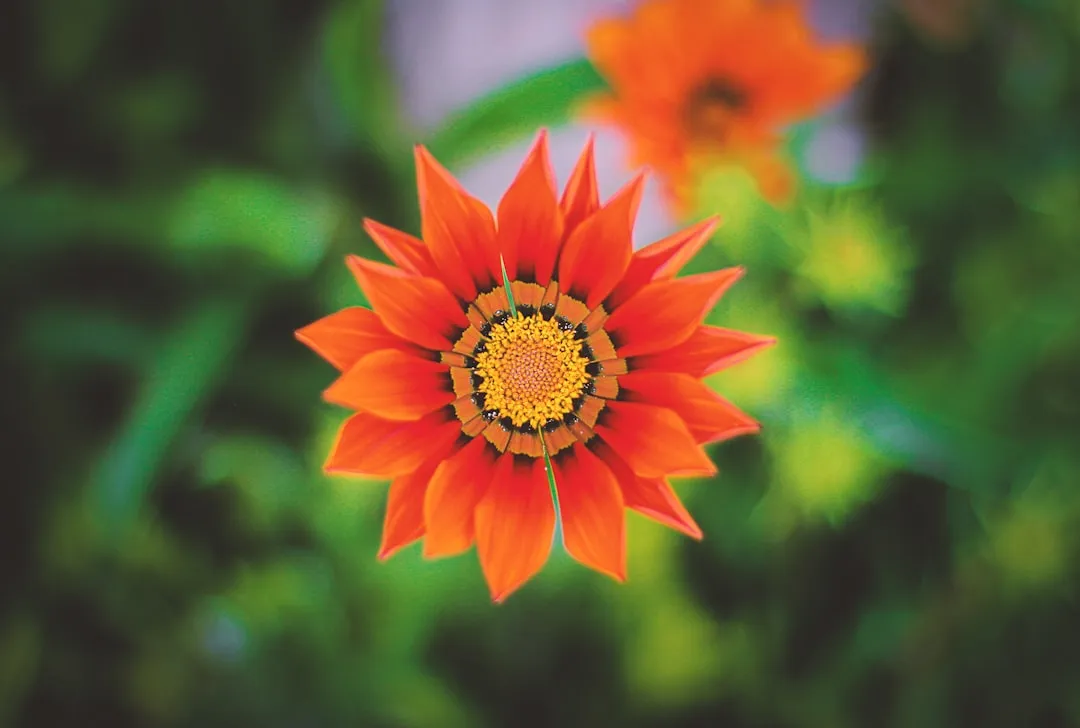
Not all flowers offer the same reward. Some ornamental varieties have been bred for larger, fuller blooms at the expense of nectar and pollen. While they may look spectacular, they provide very little food for bees.
Highly hybridized or ornamental plants are often bred for specific aesthetic traits, such as color or flower shape, rather than their ecological value. As a result, they may not provide the necessary food resources for bees.
The trade-off is straightforward: breeders optimizing for human visual appeal have quietly removed the very things bees are searching for. A flower that looks generous to us can be genuinely empty to a forager.
Petunias Offer Little Nutritional Value
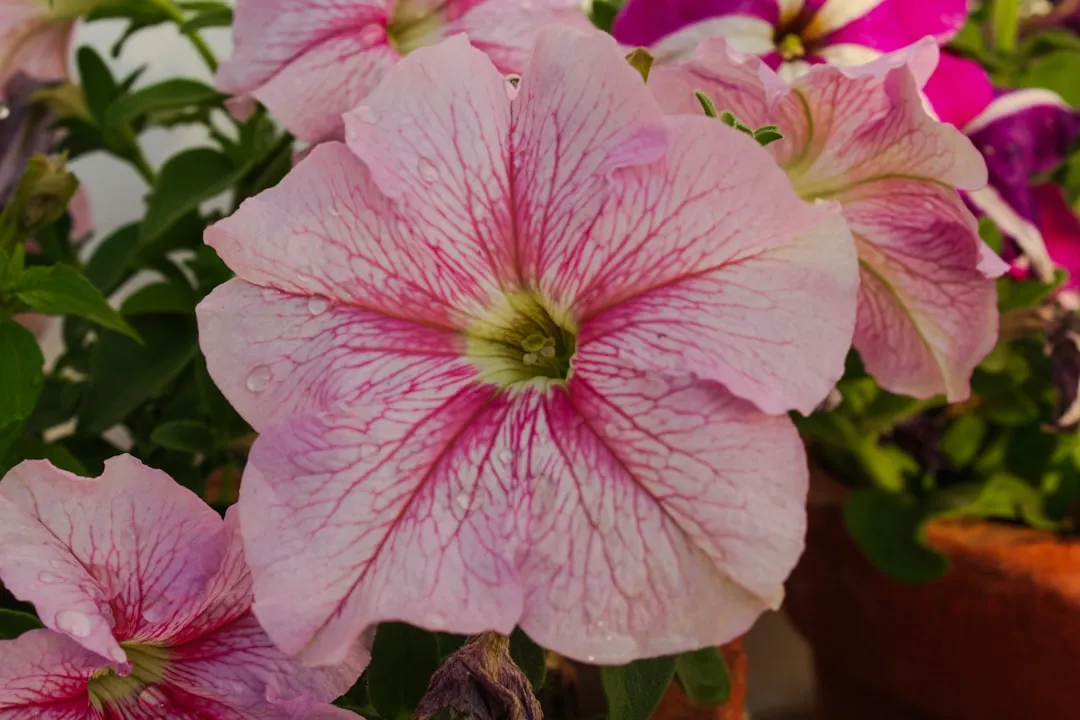
Petunias are a staple in many gardens, adored for their trumpet-shaped blooms and extensive color palette. Despite their popularity among humans, bees are typically indifferent to petunias. The flowers do not produce a significant amount of nectar, which is what bees primarily seek out.
Petunias are often chosen for hanging baskets and window boxes due to their cascading growth habit. However, if the aim is to attract bees, petunias are not an effective option. Their visual appeal does not translate to bee attraction, making them a less effective choice for pollinator gardens.
Zonal Geraniums Actively Repel Bees
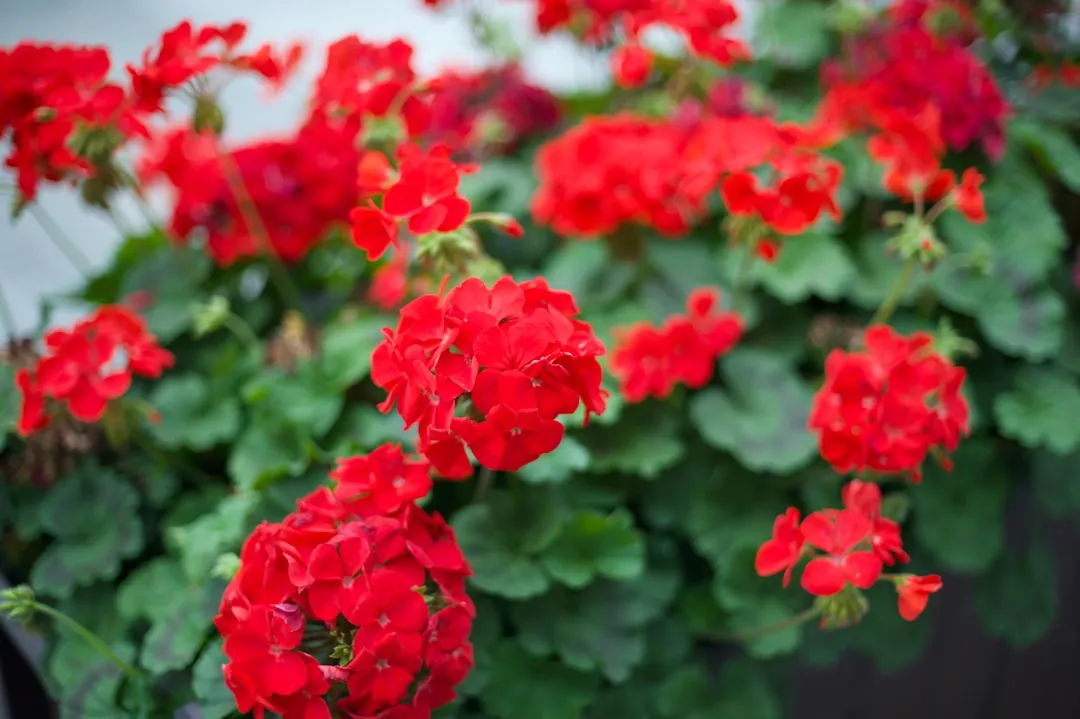
A study by researchers at the University of Sussex compared the pollinator attraction of 32 popular garden flowers, collecting data over two summers. The least popular flower among pollinating insects, including bees, was the zonal geranium. With minimal pollen to offer and an odor that repels insects, these easy-to-grow flowers are a notable choice for gardeners who wish to avoid bees.
Geraniums, with their robust blooms and appealing fragrance to humans, are a common sight in gardens around the world. Yet for bees, these flowers are more style than substance. Geraniums do not provide the essential nectar or pollen that bees need, resulting in a lack of interest from these pollinators.
Red Flowers Are Largely Invisible to Bee Vision
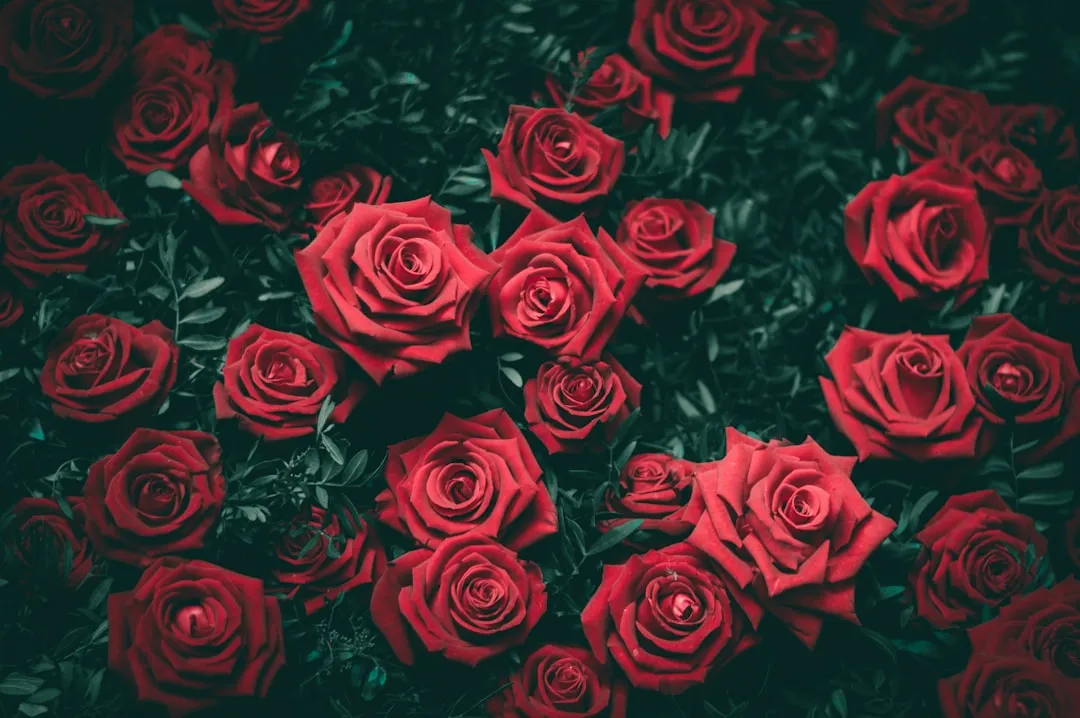
The bee-avoidance hypothesis attempts to explain why certain flowers produce colors that bees cannot easily detect. Reddish colors are less detectable by bees, since these insects exhibit low red-wavelength sensitivity.
Some plants are associated with red flowers displaying lower short-wavelength secondary peaks of reflectance, which decreases detectability to animals that are less sensitive to red, such as bees. These flowers often also present long tubes that physically exclude bees.
This means that popular red-flowering garden plants, including certain red salvias and specific tulip varieties, may simply not register as food sources in a bee’s visual field. They are not ignoring the flower out of preference; the flower is genuinely hard for them to see.
Flower Depth and Tube Length Exclude Certain Species
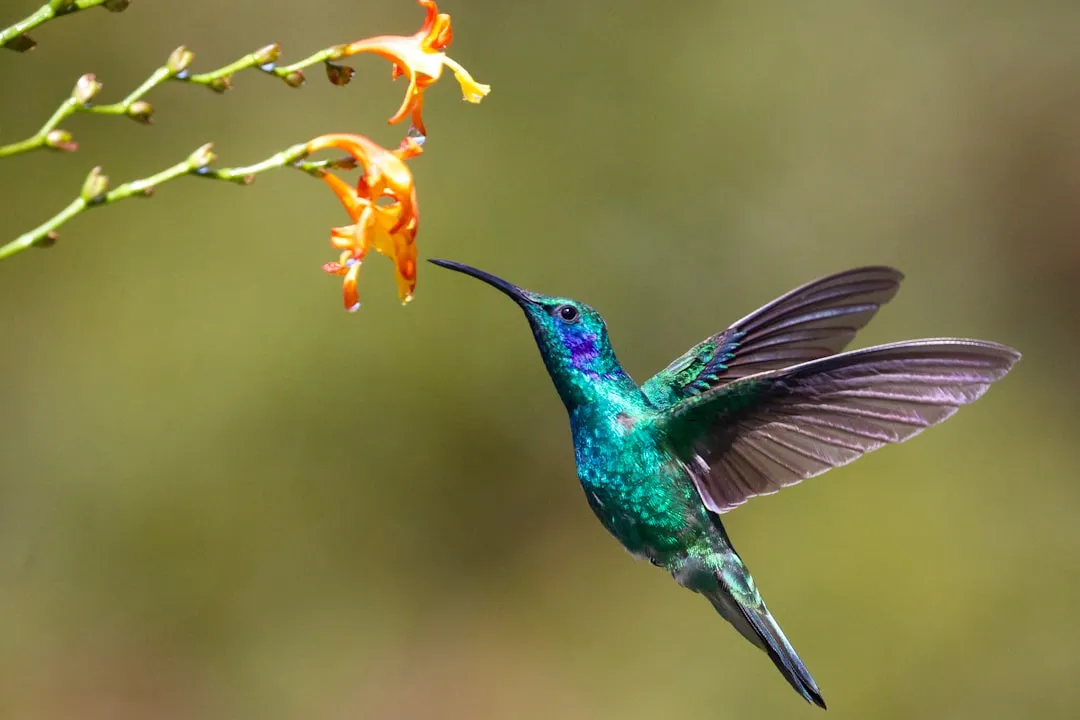
Research found a negative association between flower conspicuousness to bees and flower depth, suggesting an interplay of morphological and spectral traits in discouraging bee visits. The results support an overall association between lower visual signals to bees and long floral tubes.
Tubular flowers narrow enough to exclude a bee’s body entirely are simply inaccessible, regardless of what nutrients might be inside. This is not always an accident of breeding. Some plants evolved specifically to be pollinated by creatures other than bees, such as hummingbirds, butterflies, or certain moths.
Flower signals of bee and bird-pollinated plants have converged through pollinator-mediated evolution, driven by the visual system of their respective pollinators. For bird flowers, sensory exclusion of less effective bees is also important, and such exclusion is mediated by floral morphological filters.
Air Pollution Masks Floral Scent Signals

A 2024 meta-analysis found that air pollution spells trouble for beneficial invertebrates, including pollinators. As a result, in real-world conditions, pollinators ignore flower patches polluted by ozone and nitrogen oxides.
A 2025 field study showed that plots of black mustard were visited by roughly a third fewer pollinators when researchers pumped ozone over them, compared with flowers growing in unpolluted sites. When the pollution came from both ozone and diesel in concentrations commonly reported next to major UK roads, the number of pollinators dropped by nearly half compared with control conditions.
This has a direct and underappreciated implication for urban and roadside gardens. Even genuinely bee-friendly plants can become effectively invisible to pollinators if the air quality around them is poor enough to chemically degrade the scent signals bees use to navigate.
Bees Learn to Avoid Flowers That Made Them Sick
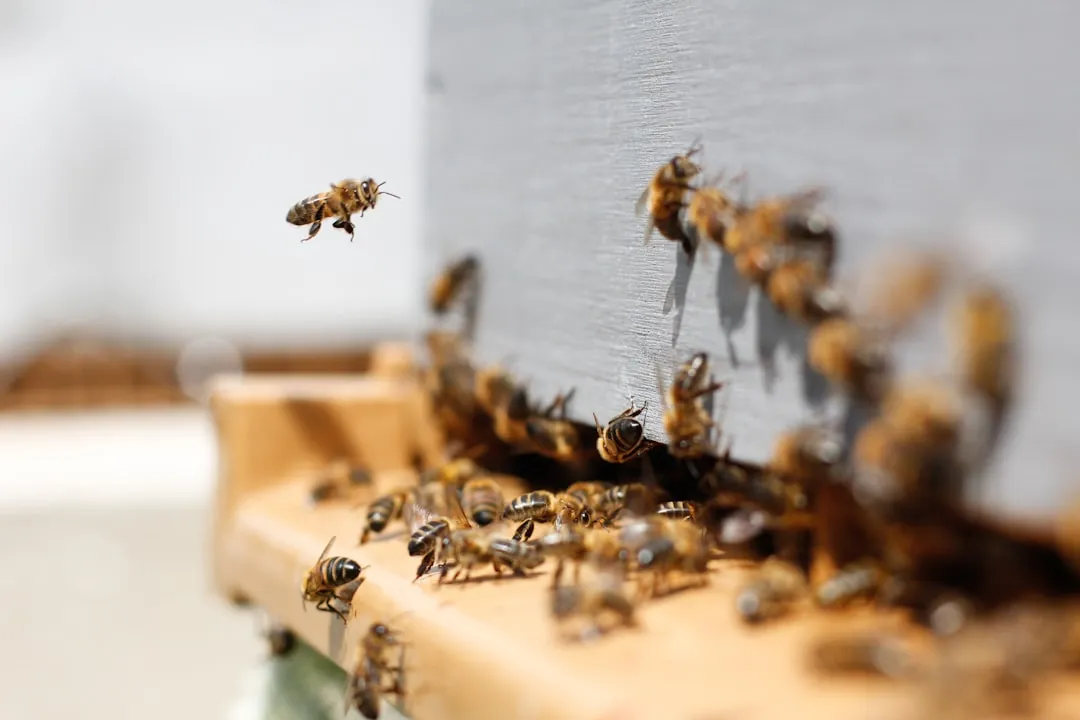
Scientists at the Honeybee Lab at Newcastle University showed that serotonin plays a role in how honeybees can learn to avoid nectar containing toxins. When bees accidentally ate nectar that made them sick, they subsequently avoided the smell of the toxic flowers.
In nature, pollinators tend to avoid unrewarding flowers and spend less time on inflorescences containing empty flowers. Rewardless flowers also increase bee movement between flowers and often lead to higher patch abandonment.
This learned avoidance is actually a sophisticated survival strategy. A bee that once got nothing, or worse got sick, from a particular flower type will adjust its future foraging to exclude that species from the search. Gardens that repeatedly offer poor-quality or toxic floral rewards can essentially train local bee populations to stay away permanently.
Pesticide Residues Disrupt Bee Navigation and Foraging
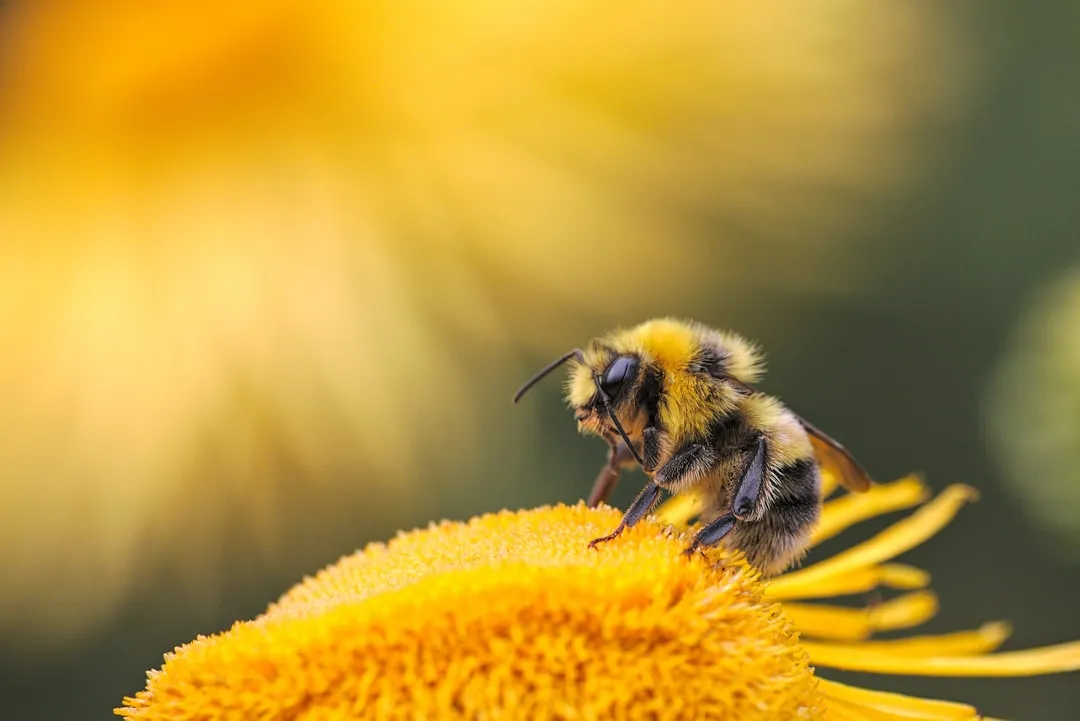
Neonicotinoid insecticides, highly toxic to bees, are among the most concerning factors affecting pollinator health. The problem extends well beyond outright toxicity, reaching into how bees make decisions about where to forage.
Research observed bumblebees from colonies chronically exposed to a neonicotinoid pesticide foraging on wildflowers. Bees exposed to pesticide collected pollen more often than controls, but control bees learned to handle flowers efficiently after fewer learning visits. There were also different initial floral preferences between treated and untreated groups, suggesting foraging behavior on real flowers can be altered by sublethal pesticide exposure.
Even organic gardens can have issues if neighboring yards spray regularly. Wind carries residue across property lines, contaminating flowers that were never intentionally treated. Systemic pesticides are especially problematic because they travel through the plant’s entire system.
Bees Rationally Choose the Better Foraging Opportunity
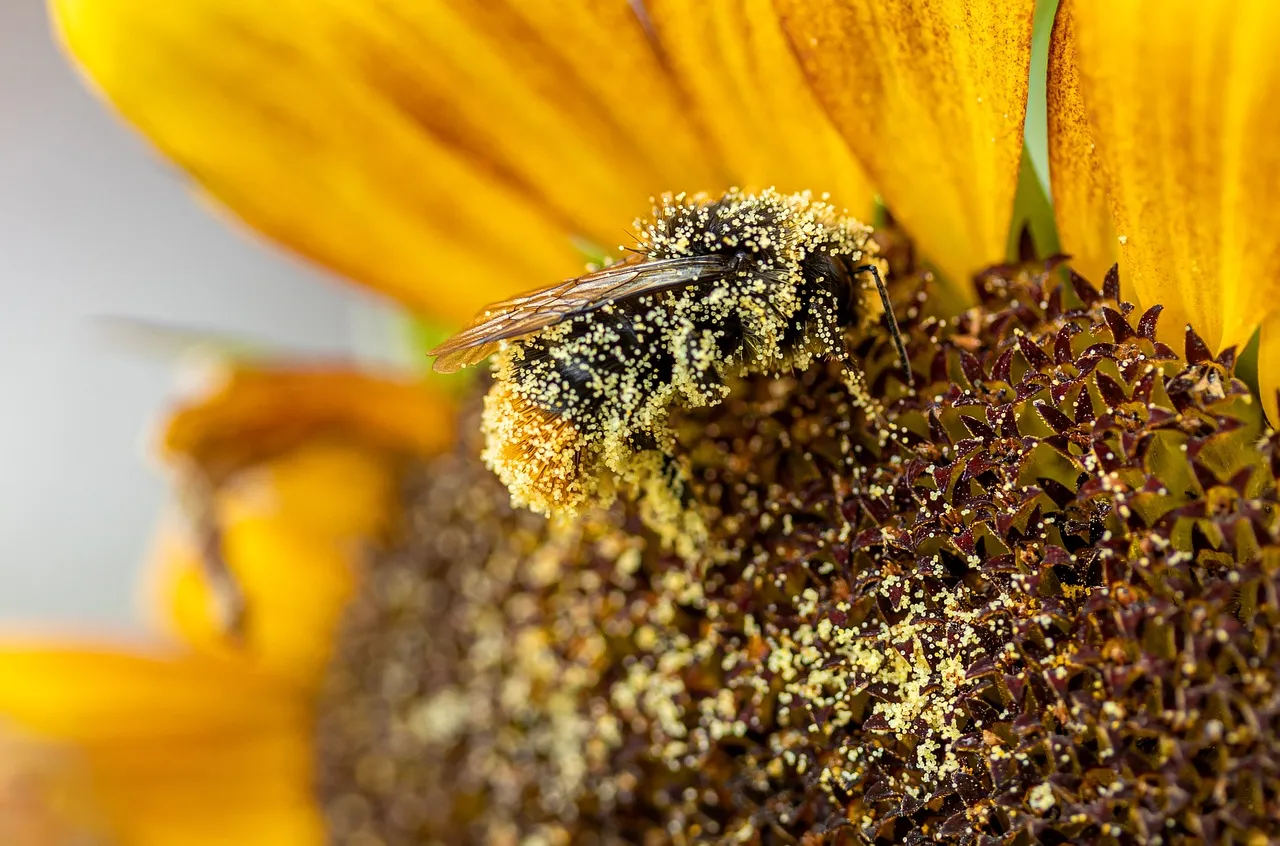
Pollinating insects such as bumblebees often repeatedly visit the same type of flower, even when a variety of flowers bloom nearby. This behavior is known as flower constancy. It is not stubbornness; it is efficiency.
Darwin speculated that flower constancy was a passive response to avoid effort involved in remembering different flower characteristics. However, more recent research reveals that this theory is incomplete. Researchers found that flower constancy actually results from an optimal strategy that dynamically adjusts to balance the time required to recall different flower types with the time required to move between flowers.
Bees are efficient foragers. If a neighboring garden, hedgerow, or wildflower patch offers richer sources of nectar, they’ll naturally spend more time there. This doesn’t necessarily mean there’s anything wrong with your plants; it simply means the bees have found a better option elsewhere.
The Takeaway
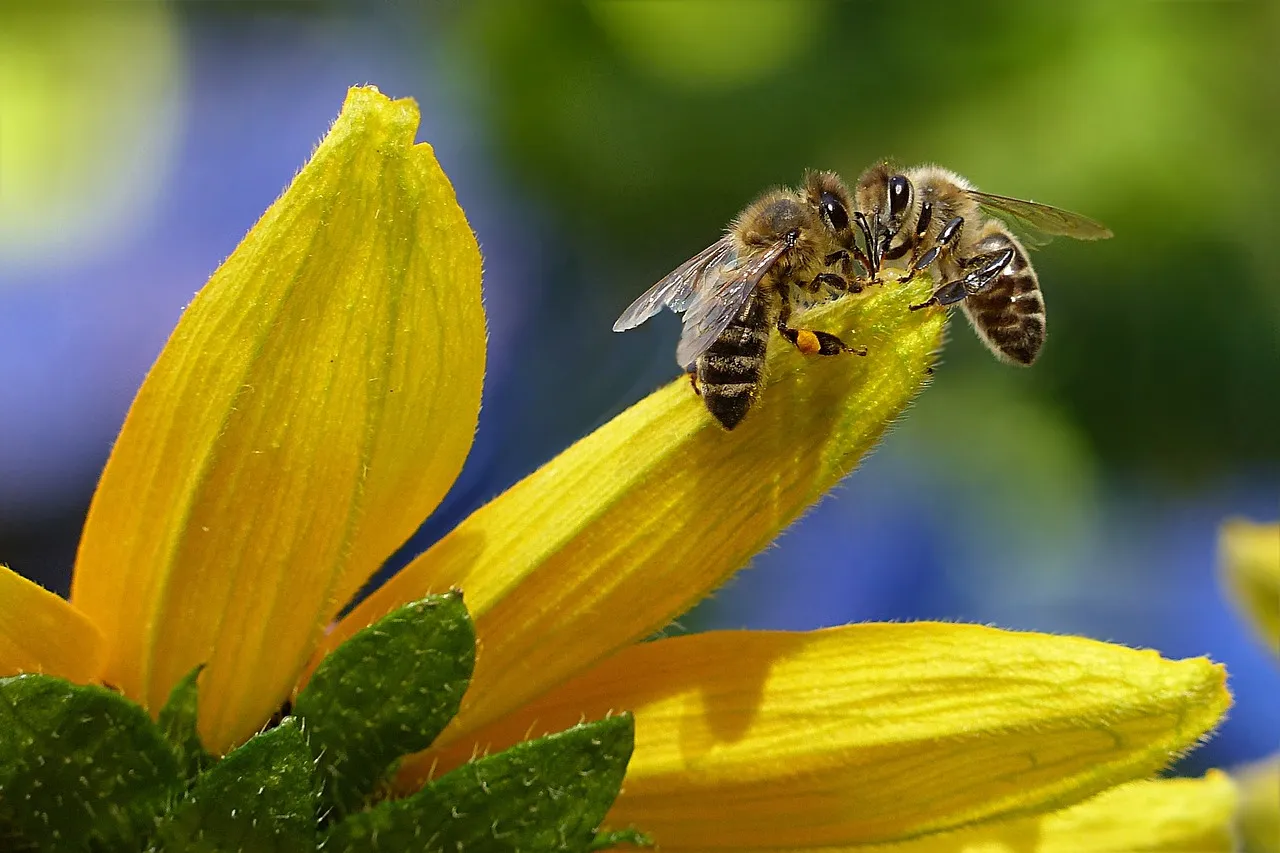
A garden full of flowers is not automatically a garden full of bees. The gap between what looks good to us and what actually works for pollinators can be surprisingly wide. Double petals, low nectar production, inaccessible tube depths, red coloring, pesticide residues, and even local air quality all shape which flowers bees visit and which they walk past entirely.
The evidence from plant scientists, pollination ecologists, and field researchers consistently points in the same direction: if you genuinely want bees, prioritize open-centred single flowers, native or near-native species, and a pesticide-free environment. The rest, however beautiful, may simply be garden decoration as far as a foraging bee is concerned.
AI Disclaimer: This article was created with the assistance of AI tools and reviewed by a human editor.