

The Core Culprit: Condensation

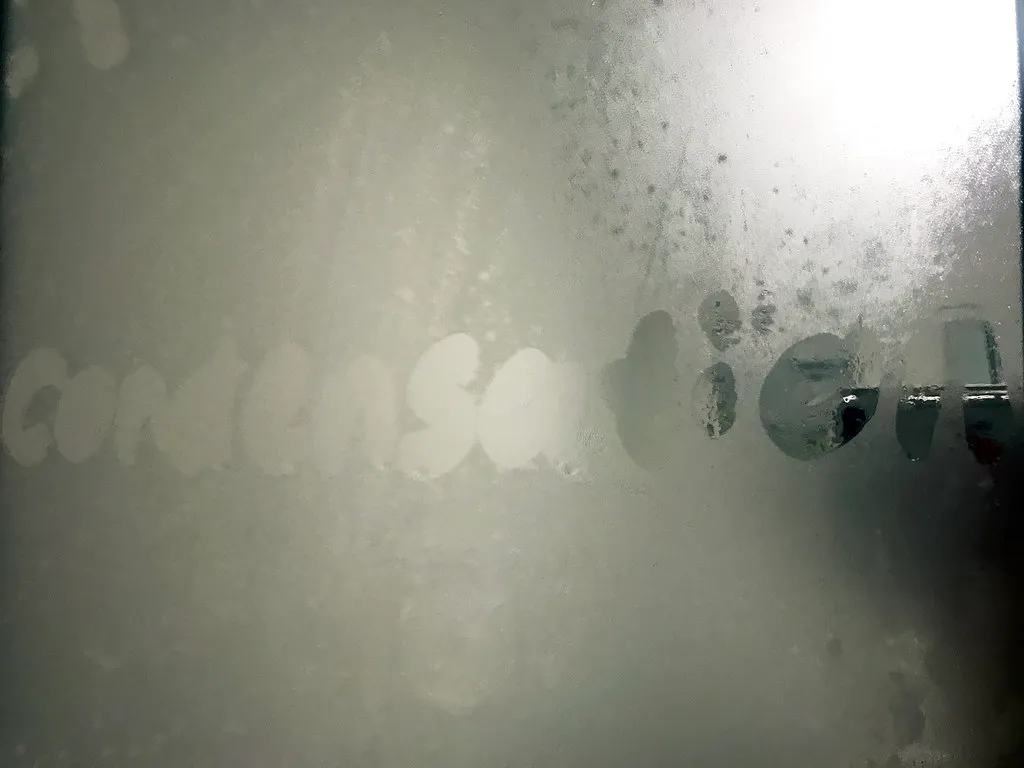
The fog on a bathroom mirror occurs when warm water vapor from the shower condenses into droplets upon contact with the cold mirror surface. This process is called condensation, and it’s the same thing happening when a cold glass of water sweats on a hot day. When warm water vapor touches a cold mirror, it is suddenly cooled and tries to return to its original state as liquid water. This phenomenon, where moisture in the air touches a cold object and turns into water droplets, is condensation.
Those tiny water droplets form a thin layer on the surface of the mirror, which scatters light and creates the appearance of fog. The mirror hasn’t changed. Your vision hasn’t changed. It’s purely the physics of water shifting between its gaseous and liquid states right in front of your eyes.
The Role of the Dew Point

The science behind foggy mirrors involves something called the dew point, which is simply the temperature at which water vapor turns into liquid water. Every surface in your bathroom has a temperature, and once a surface falls below the dew point of the surrounding air, condensation begins immediately. The mirror is usually one of the coldest surfaces in the room, which is why it fogs first.
The hotter your shower, the faster your mirror fogs up. A cooler shower produces less steam and raises the dew point more slowly, giving the mirror a better chance of staying relatively clear. It’s a simple relationship that most people never make the connection to.
Why Small Bathrooms Fog Worse

The bathroom is typically a closed, compact space, which only accelerates the effect. A windowless bathroom, for example, can act like a steam trap, setting the perfect stage for persistent fog. There’s simply less volume of air for the steam to dissipate into, so the humidity climbs faster and higher.
Compact bathrooms trap more steam, making it easier for moisture to condense on cooler surfaces like mirrors. A single ten-minute hot shower can push several hundred grams of water vapor into the air of a small bathroom, enough to spike relative humidity well past ninety percent in a room with no exhaust. That’s a staggering amount of moisture in a very confined space.
Surface Tension: Why the Fog Sticks

Water droplets stick to the mirror due to the adhesive and cohesive properties of water. This is where surface tension enters the picture. Water molecules are strongly attracted to each other, and they’re also attracted to the glass surface beneath them. These two forces work together to hold the fog layer in place rather than allowing it to simply slide off.
The mirror fogs up because condensation creates water droplets, which then gather due to surface tension and flow away due to gravity, a series of scientific laws working in sequence. Understanding that surface tension is part of the equation explains precisely why the most effective household remedies are ones that interfere with it directly.
The Shaving Cream Trick (and Why It Works)

Shaving cream contains surfactant molecules that disrupt the cohesion of water, preventing the formation of large droplets and ensuring a clear view. When you rub a thin layer onto the glass and buff it clean, you leave behind a microscopic residue of those surfactants. The next time steam hits the mirror, it spreads into a thin, even film rather than beading into fog-forming droplets.
If you’re looking for a budget-friendly option, one popular method involves applying a small amount of shaving foam to your mirror, then wiping it away with a clean, dry cloth. A quick five-minute buff will keep your mirror clear for about a week. It’s genuinely one of the most effective no-cost solutions available, and the science behind it is solid.
Other Household Remedies Worth Trying

The acid in lemon juice creates a microscopic film on the glass that lowers the surface tension of water, which means moisture can’t form into tiny fog droplets. A quick rub with a cut lemon, buffed clean with a microfiber cloth, leaves behind that protective film. Other options include rubbing a bar of soap lightly across the mirror’s surface or using a solution of vinegar and water.
Vinegar’s acidic properties help prevent fogging for up to a week. Toothpaste is another option that tends to surprise people. While there are commercial anti-fogging products available, the toothpaste hack can save money and storage space, and it also works in a pinch if you need to prevent a foggy mirror quickly due to unexpected ventilation issues. None of these are magic, but they all exploit the same surface-tension principle.
Ventilation: The Most Underrated Fix

Proper ventilation is perhaps the most effective long-term solution for preventing mirror fog. When showering, keeping the bathroom door slightly open allows steam to escape before it saturates the air completely. Opening a window or using an exhaust fan helps move humid air out, reducing the amount of condensation on the mirror.
Bathroom ventilation fans effectively control humidity by exhausting moisture-laden air at rates specified in building codes, typically between fifty and one hundred cubic feet per minute for residential bathrooms, removing roughly ninety-five to ninety-eight percent of steam within twenty to thirty minutes of operation. That’s a meaningful difference compared to a closed bathroom with no fan. Properties with inadequate ventilation systems experience humidity levels exceeding seventy to eighty percent, particularly in poorly ventilated bathrooms with limited window-opening potential.
Smart Exhaust Fans Are Changing the Game
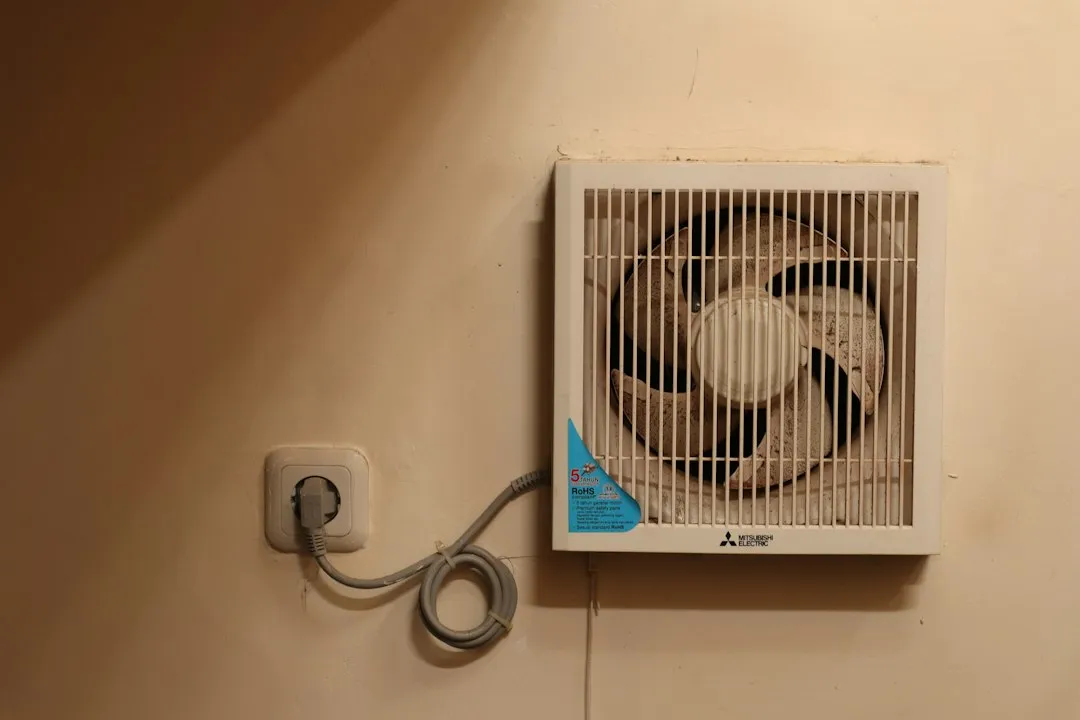
By 2024, roughly thirty-eight percent of bathroom exhaust fans sold globally were equipped with integrated sensors such as motion detectors and humidity sensors, automatically adjusting operation based on environmental conditions. These fans take the guesswork out of ventilation entirely. Modern bathroom exhaust fans with humidity sensors automatically activate when moisture levels exceed fifty-five to sixty percent, then operate for a preset duration or until humidity normalizes.
Nearly a quarter of new fan models launched in 2024 featured IoT integration, reflecting how consumers now want quiet, energy-efficient, and automated air solutions instead of basic fans. It’s a category that has quietly evolved from a simple ventilation tool into a genuinely intelligent home comfort device. The generally accepted indoor relative humidity target, including in bathrooms, is thirty to fifty percent.
Heated Anti-Fog Mirrors: The Permanent Solution

Anti-fog bathroom mirrors work reliably by using heating elements that keep the mirror surface warm enough to prevent water from condensing. When the glass temperature stays above the dew point of the surrounding air, condensation simply has no opportunity to form. These mirrors use a built-in heating element behind the glass to keep the mirror surface slightly warm.
Defogging pads are a high-tech way to stop condensation, installed behind your mirror, heating the glass slightly and preventing fog from forming. You can buy thin electric heating pads that stick to the back of your mirror, and when you turn on your bathroom light, the pad warms up the glass. For people who shower daily and want a true set-it-and-forget-it fix, this is by far the most reliable long-term approach.
Mirror Size and Thickness Play a Role Too
Thin mirrors heat up and cool down quickly, while thicker mirrors or those mounted against exterior walls stay cooler longer and take more time to clear. Smaller mirror installations often clear faster than large vanity mirrors simply because there is less surface area to defog. So if you’ve ever noticed that your old, small bathroom mirror fogged less than the grand frameless statement mirror you replaced it with, that’s not coincidence.
Factors such as ventilation, mirror placement, and surface material all play a role in how quickly and severely mirrors fog up. An exterior wall is colder than an interior one, especially in winter, and a mirror mounted directly against it will almost always be one of the coldest surfaces in the room. Placement matters more than most people realize when choosing where to hang a mirror.
Keeping the Mirror Clean Helps More Than You’d Think
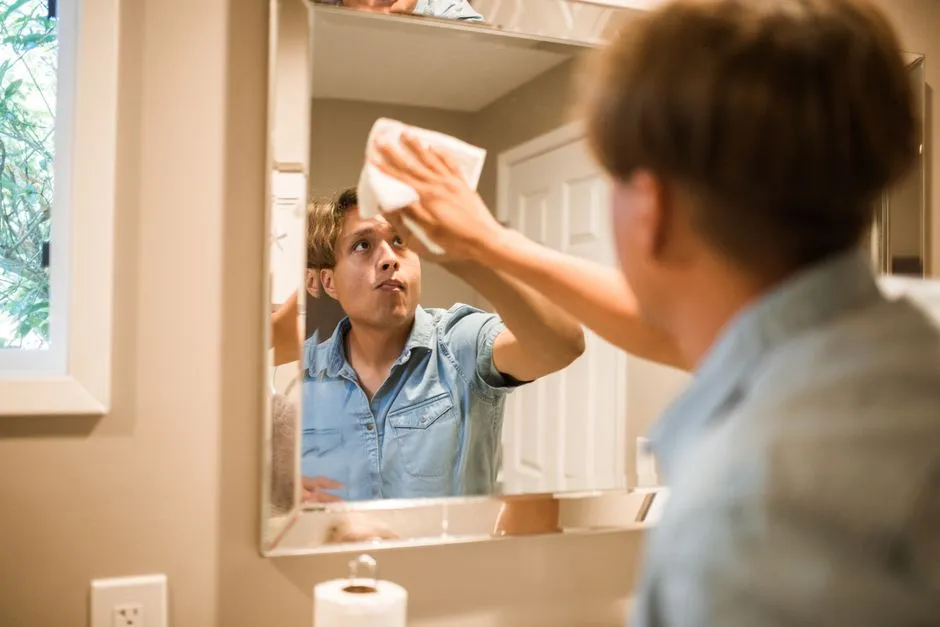
Dirt and residue create a film that leads to more frequent fogging, so cleaning mirrors regularly is important. A grimy mirror surface gives water droplets more texture to cling to, making condensation set faster and stay longer. The cleaner the glass, the more evenly any applied anti-fog treatment will spread, and the more effectively it will work.
Harsh chemicals like bleach should be avoided on mirror surfaces since they eat away at the mirror backing. A simple weekly wipe-down with diluted white vinegar and a microfiber cloth keeps the glass clear, clean, and in better condition for anti-fog treatments to adhere properly. Regular maintenance is the kind of boring habit that quietly pays off every single morning.
The Takeaway
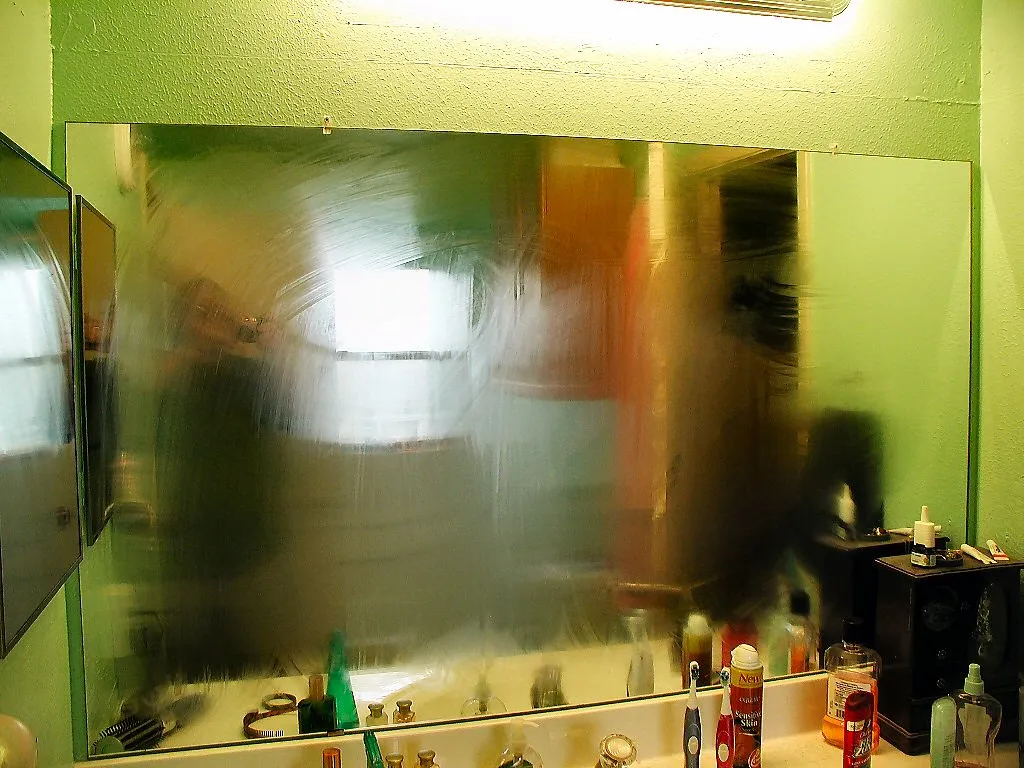
Mirror fog is a small problem with a surprisingly rich explanation behind it. Condensation, dew point, surface tension, air circulation, and mirror temperature all feed into the same daily annoyance. The good news is that the solutions range from free, like a smear of shaving cream, to permanent, like a heated mirror pad, and everything in between actually works.
Knowing the physics means you can choose the fix that fits your situation rather than guessing. Whether you crack a window, rub some soap on the glass, or install a humidity-sensing fan, you’re working with the science rather than against it. That’s a satisfying place to be at seven in the morning.
AI Disclaimer: This article was created with the assistance of AI tools and reviewed by a human editor.