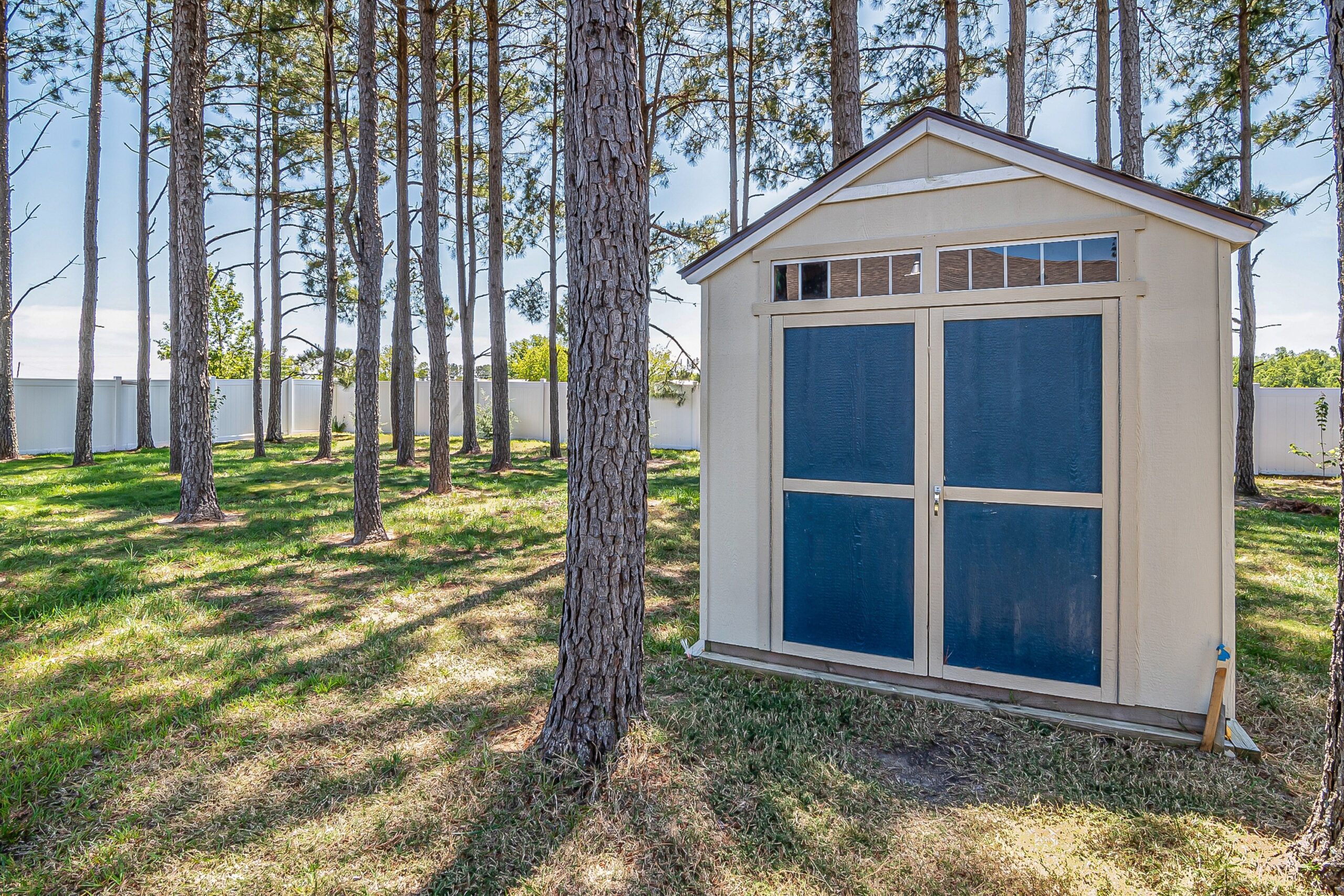

A Market That’s Grown Far Beyond Storage

According to a 2024 report by IBISWorld, the U.S. shed manufacturing industry generated over $7.2 billion in revenue, marking a steady 3.5% annual growth over the last five years. That’s not the kind of number you associate with a niche backyard trend.
The global shed and outdoor storage market was valued at around $7.2 billion in 2024, highlighting the significant role sheds play in both residential and commercial storage needs. Looking ahead, the market is projected to reach over $13 billion by 2034, with a compound annual growth rate of roughly six percent, proving that consumer interest in sheds is not a passing trend.
Demand for sheds and outdoor storage products in the U.S. is projected to reach $3 billion in 2029, supported by expected increases in construction activity as well as outdoor living and active outdoor trends. The numbers tell a consistent story no matter which report you read.
Remote Work Permanently Changed What People Need at Home
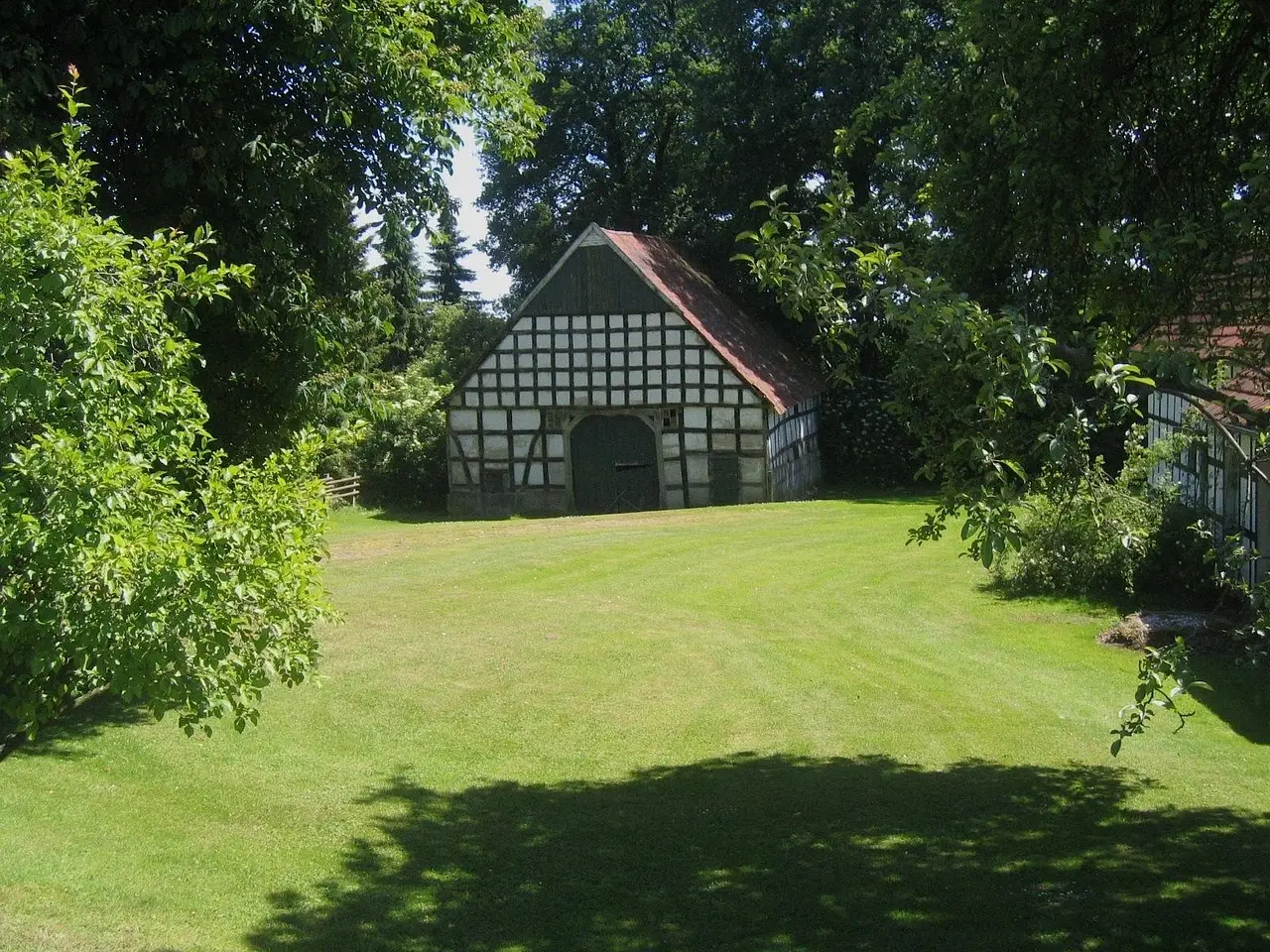
The post-pandemic shift to remote work persists, with roughly a third of U.S. workers now fully remote as of 2026, which drives demand for backyard office sheds that offer quiet separation from household distractions.
Backyard office sheds are the fastest-growing home investment category right now. The combination of normalized remote work and the very real need for a dedicated, distraction-free space has pushed demand well beyond what a spare bedroom or kitchen table can satisfy.
A well-built, professionally installed office shed can meaningfully increase the appeal and resale value of a home. Real estate agents consistently note that dedicated backyard workspaces stand out to buyers, particularly as remote and hybrid work remain a permanent part of how people live.
Storage Costs Have Made Sheds a Smarter Financial Choice
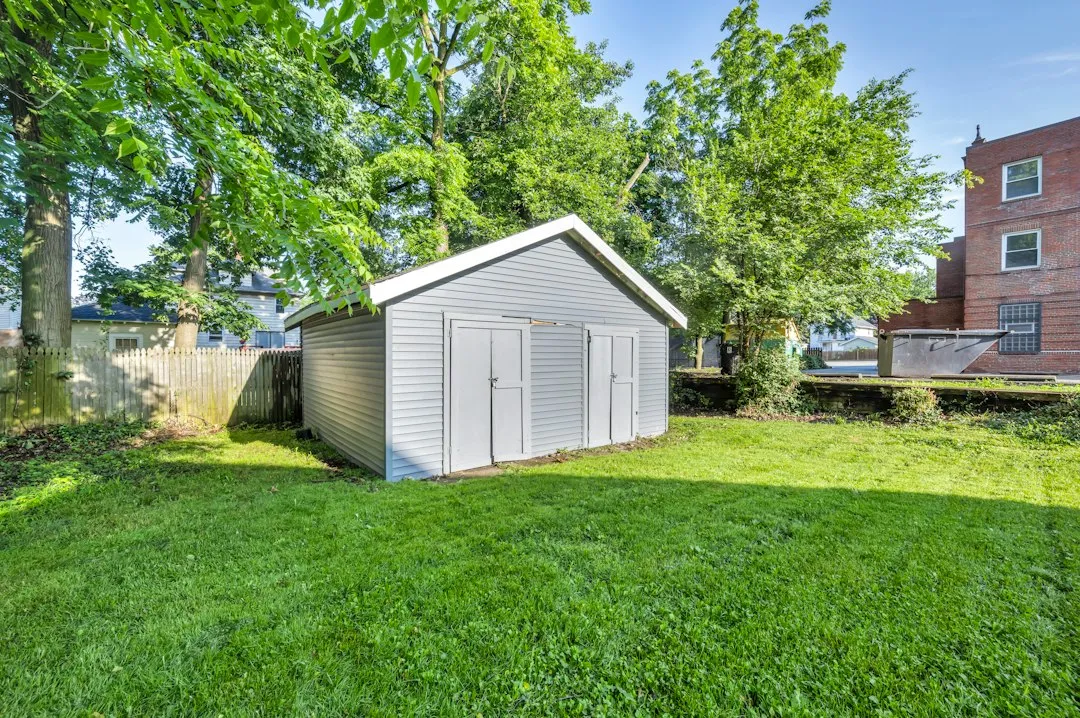
According to a 2024 report by StorageCafe, the average cost of renting a 10×10 storage unit in the U.S. is $132 per month, which adds up to over $1,500 per year, not including annual price increases. For many homeowners, that recurring cost adds up quickly without any lasting return.
Housing market data reinforces this: roughly six in ten U.S. homes lack adequate storage, and sheds can add between $10,000 and $25,000 in resale value when finished as habitable spaces. That equation makes a one-time shed investment look considerably more appealing than an open-ended monthly rental.
Surveys by HomeLight show that roughly six in ten real estate agents believe well-maintained storage sheds can increase a home’s resale value by up to $15,000. The caveat, as appraisers note, is that quality of construction and whether the structure has a permanent foundation both matter to how that value is assessed.
Modern Shed Design Has Left the Old Box Behind

Normally viewed as a simple space designed to hold lawnmowers and other tools and equipment, the backyard shed is being transformed from just a simple storage building to a modern multipurpose structure that can be used for office space, a gym, or even a guest bedroom.
Since modern sheds may be used as yoga studios, extra bedrooms, or pool houses, many now come equipped with electricity, Wi-Fi, and plumbing fixtures. Attractive landscaping and decking are two more features that modern designs frequently incorporate.
The dominant design direction in recent years has been minimalism. Homeowners want sleek sheds that complement their homes and outdoor space, featuring simple geometric shapes like squares or triangles. Clean lines and large windows have replaced the cramped, dark aesthetic that defined the shed for decades.
Smart Technology Is Moving Into the Backyard
Many modern sheds now feature smart technology, which can be used to control lighting, security, and climate. This matters especially when the space is being used as an extra bedroom or artist studio.
Environmental consciousness is also driving 2026 shed design. Homeowners are prioritizing building practices that reduce waste and carbon footprints while saving on energy bills, and shed roofs now serve as practical real estate for solar panels. Integrating solar directly into designs powers lighting and climate systems completely off-grid.
Growth in the premium shed segment, with enhanced functionality and smart technology, is more pronounced than in the standard market. North America and Europe are exhibiting the strongest growth compared to other regions. The tech-enabled shed is no longer a luxury product targeted at a narrow buyer. It’s quickly becoming a baseline expectation.
ADU Permitting Is Opening New Doors for Shed Owners

Nationwide permitting data reveals that ADUs have transitioned from a niche housing solution to a mainstream residential construction category, with permit volumes comparable to small apartment buildings in many jurisdictions.
Los Angeles County completed a record 10,230 ADUs in 2025, a massive increase from just 1,623 units built in 2018. While overall housing production in the county dipped slightly in 2025, ADU construction continued to climb.
In 2025, more than 30 U.S. states had adopted policies supporting ADU development, while over 20 million existing single-family properties were considered potential locations for additional housing units. Eased permitting makes converting a backyard shed into a legal living space more achievable than it’s ever been.
The Rise of the Multipurpose Shed
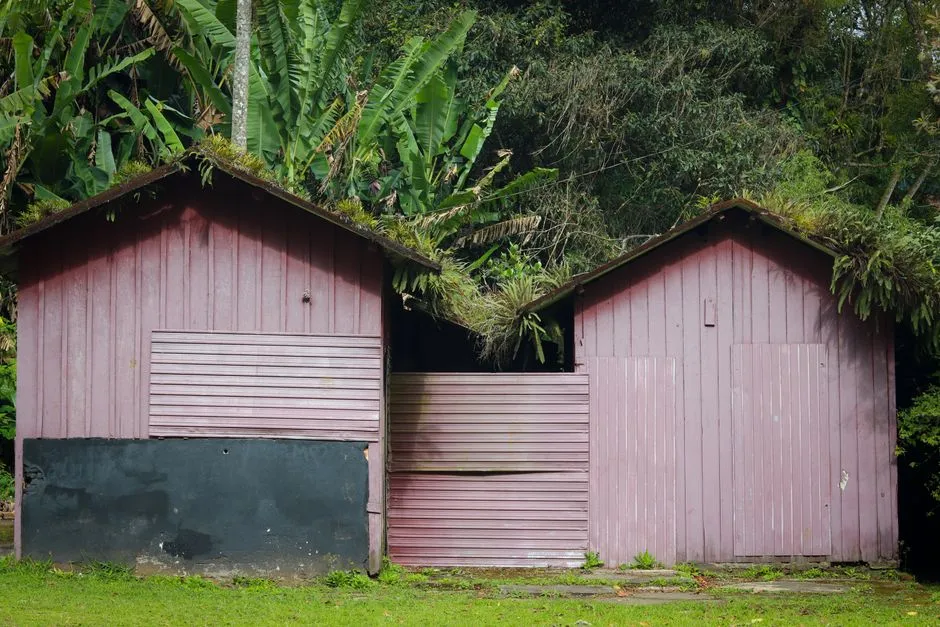
The “shed-as-storage-only” concept is effectively obsolete. Modern sheds now serve two or three functions simultaneously, adapting to evolving lifestyles rather than serving a single static purpose.
Homeowners can now outfit an ADU-style shed into a prefab backyard studio, sleep pod, gym, home office, or even a garden shed, depending on their needs at any given time. That adaptability is a significant part of the appeal.
Many homeowners choose shed designs that can evolve over time. Today’s office shed may become tomorrow’s guest space, creative studio, or hobby room. That kind of flexibility is difficult to match with a traditional home addition, which tends to lock a space into a single defined use.
Gym Costs Are Pushing Homeowners Toward Backyard Fitness Sheds
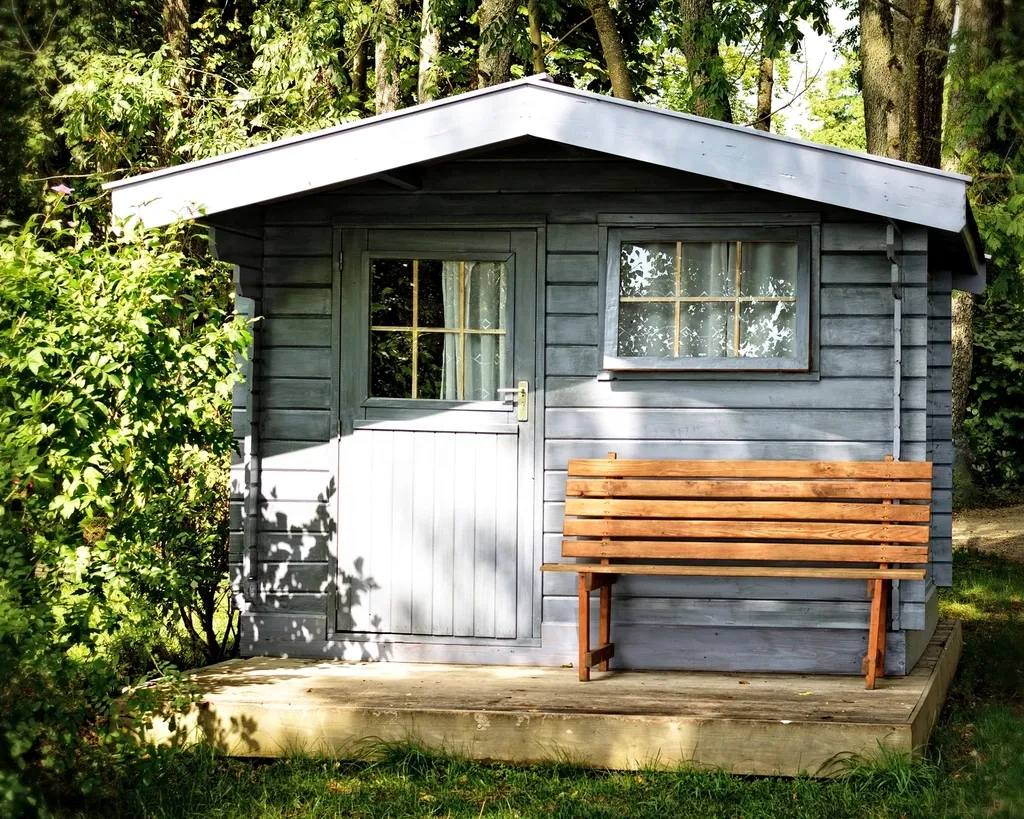
Gym membership costs have surged roughly twenty percent since 2024, making private backyard fitness spaces a financially smart choice for health-conscious homeowners. When a dedicated gym shed can pay for itself within a few years of avoided membership fees, the math becomes straightforward.
The fitness shed sits alongside the home office and the creative studio as one of the three most common non-storage uses driving new shed construction. These spaces tend to be well-insulated, climate-controlled, and purpose-built from the ground up rather than converted after the fact.
Remote work is here to stay, and homeowners are searching for smarter ways to create productive spaces without sacrificing comfort inside the house. One of the fastest-growing trends in 2026 is the rise of the backyard structure as a quiet, dedicated space just steps from the back door. The fitness shed follows the same logic as the office shed: separation matters.
DIY Culture and Home Improvement Interest Are Adding Fuel
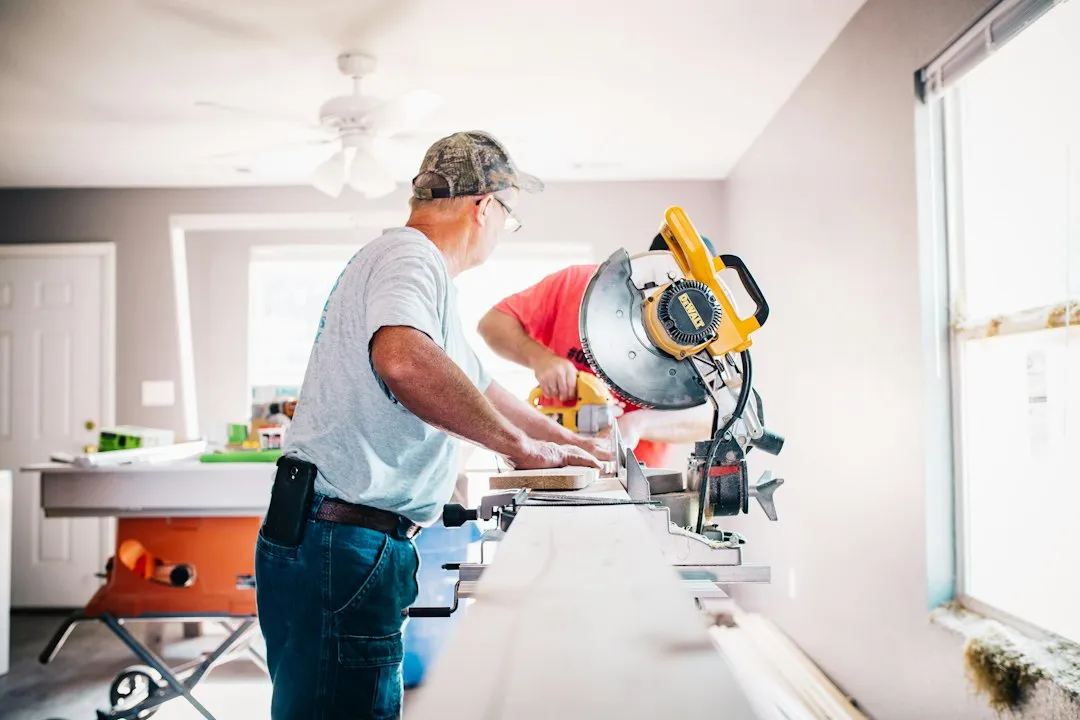
Growing urbanization and smaller living spaces push homeowners to seek external storage options, while the popularity of DIY projects and backyard renovations continues to fuel demand for sheds used as workshops and storage.
Prefabricated outdoor office sheds have completely transformed how people think about backyard workspaces. These structures arrive as ready-to-assemble panel kits that can be up and running in a yard in less than a week, a dramatic improvement over traditional home additions that often drag on for months.
Rising disposable income levels in developed regions allow consumers to invest in higher quality, feature-rich shed solutions, and enhanced online sales channels are making purchasing sheds more convenient while expanding market reach. The combination of accessible pricing, online shopping, and manageable DIY complexity has lowered the barrier considerably.
What This Means for the Real Estate Market
Adding an outdoor office shed to a property is not just about improving work life. Basic office sheds typically return between fifty and eighty percent of their cost in added home value, making them a more valuable addition than many interior renovations.
The shift to hybrid and remote work models has made backyard offices a meaningful investment. Real estate experts have also reported a notable increase in home listings featuring detached office spaces, showing that buyers increasingly recognize the value of a dedicated outbuilding.
In today’s real estate market, with remote work becoming a permanent fixture, dedicated home office space separated from main living areas commands a premium. Properties featuring well-designed backyard offices often sell faster and at higher prices than comparable homes without them. That’s a meaningful shift from just a few years ago, when a backyard shed was barely mentioned in a listing description.
The Bigger Picture
AI Disclaimer: This article was created with the assistance of AI tools and reviewed by a human editor.