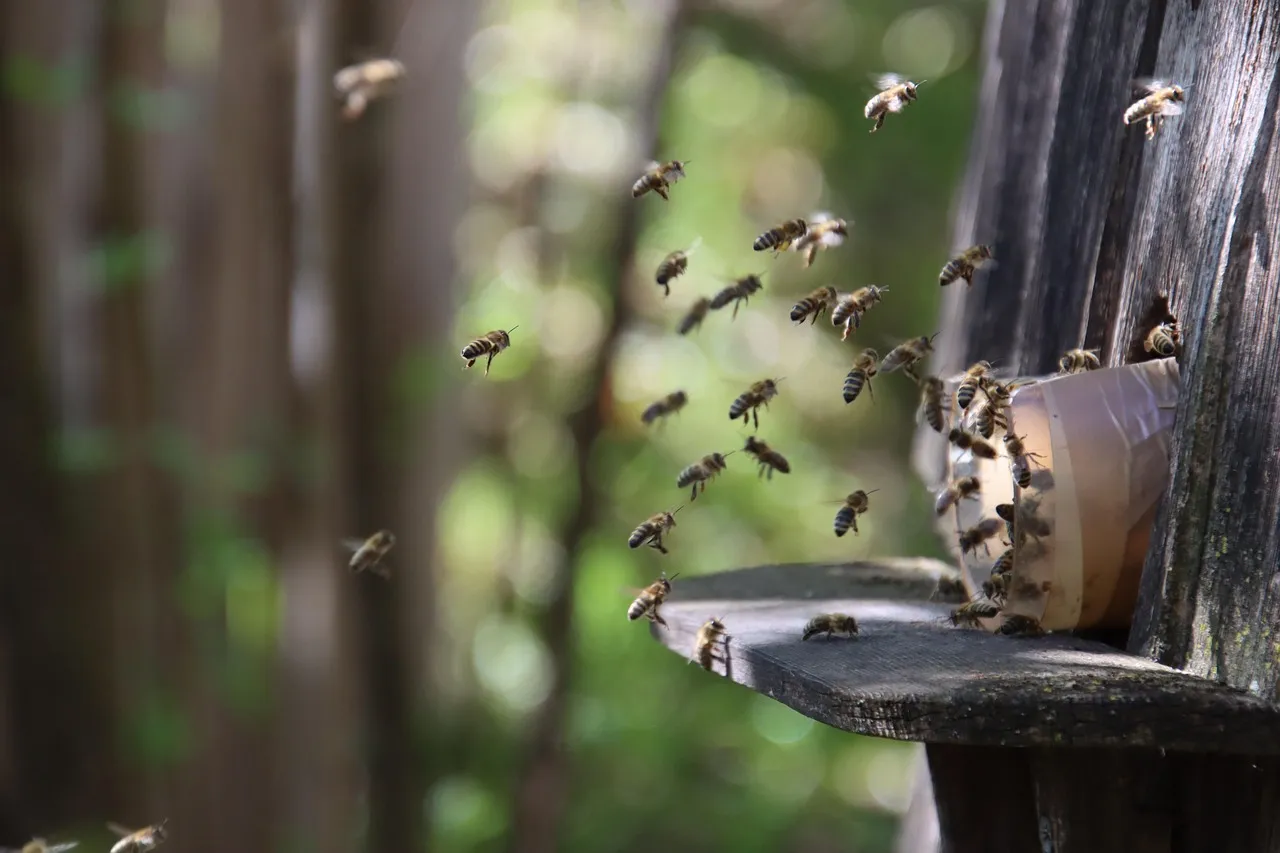

Something has shifted quietly in backyards, on rooftops, and in community gardens across North America and Europe. More people are raising bees – not as commercial operations, but as a deliberate personal choice. The reasons are layered: a growing awareness of pollinator collapse, a desire to reconnect with food systems, and a broader cultural pull toward sustainable living. This isn’t a fringe trend. The numbers back it up.
The global beekeeping market is valued at over $1.5 billion in 2025, with hobbyist numbers surging alongside climate concerns. At the same time, the news from the wider bee world is deeply unsettling – which, counterintuitively, may be part of what’s driving people toward smaller, locally managed hives in the first place.
A Hobby Boom Built on Real Concern
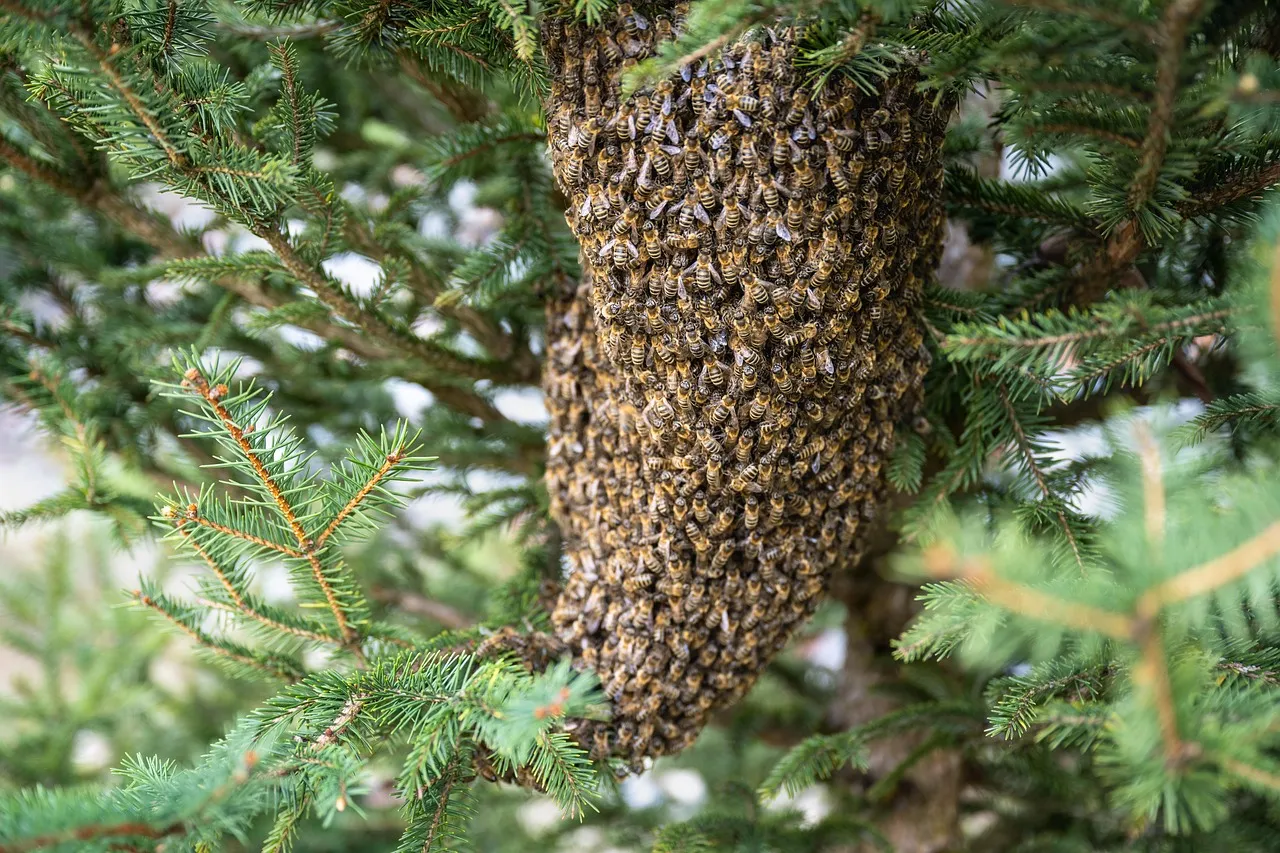
Interest in backyard beekeeping didn’t emerge from nowhere. It tracks closely with growing public awareness of pollinator decline and what that means for food. Honeybees play a crucial role in the ecosystem and food production, pollinating around 75 percent of the plants grown in the U.S. and contributing to approximately $18 billion worth of crops.
The growing popularity of beekeeping as a hobby has led to an increase in small-scale producers and urban beekeepers, a trend that is particularly noticeable in urban areas where rooftop gardens and community farms are becoming popular. People aren’t just inspired by honey – they’re motivated by a tangible sense that bees need advocates at the neighborhood level.
City beekeepers are flying high these days, with colonies springing up on New York skyscrapers, in San Francisco office parks, and at a growing number of corporate and civic spaces. That momentum shows no signs of slowing in 2026.
The Scale of the Crisis That’s Driving Urgency
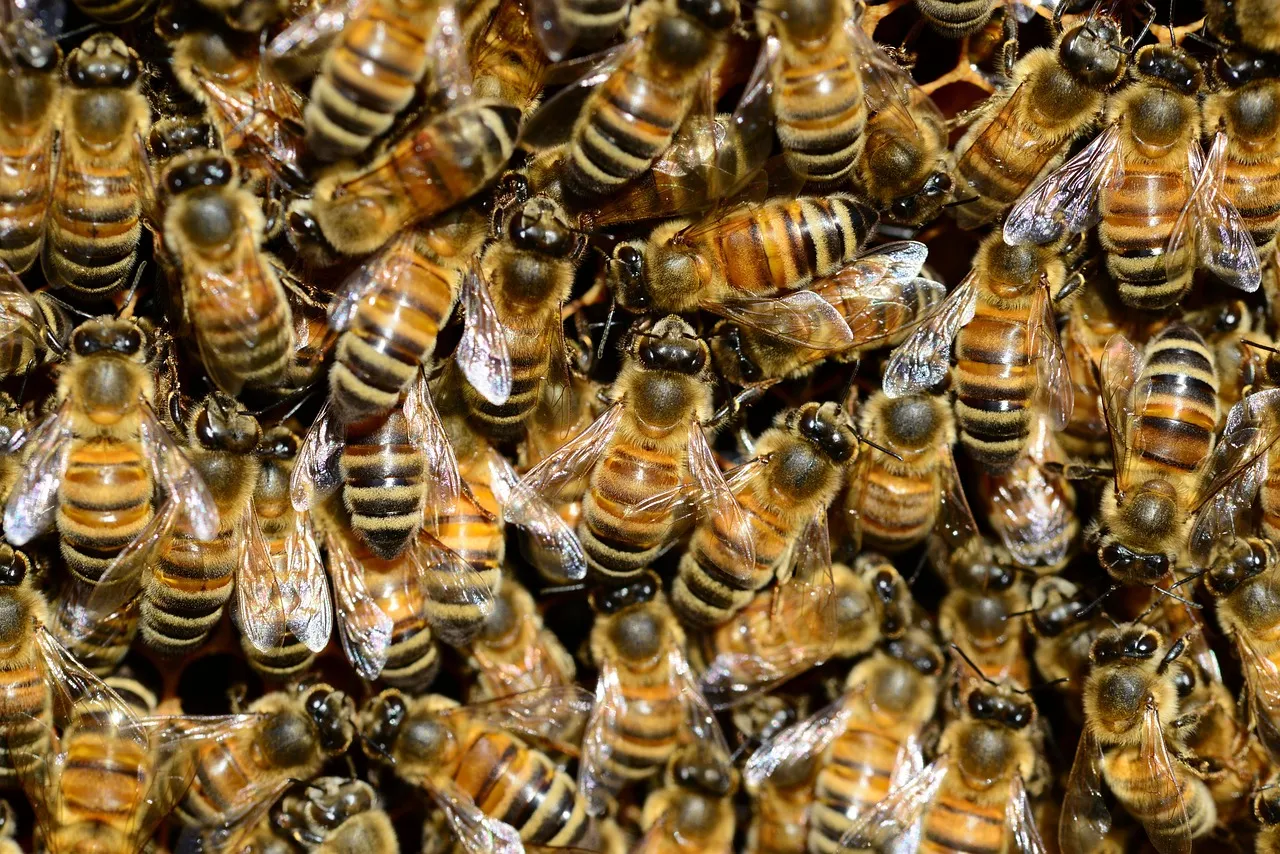
New findings from the U.S. Department of Agriculture show that 1.7 million bee colonies died between the summer of 2024 and the spring of 2025 – a loss of more than 60 percent of U.S. commercial beekeeping colonies – and researchers and industry experts say it is one of the most severe pollinator die-offs in recent history.
Survey data confirmed that hobbyist beekeepers with one to 49 colonies lost an average of 51 percent of their colonies, sideliner operations lost an average of 54 percent, and commercial beekeepers lost an average of 62 percent – a reversal of typical trends, where commercial beekeepers generally experience lower losses due to their scale, resources, and skilled management practices.
The USDA estimates that this decline represents $600 million in lost revenue, including lost pollination income, reduced honey production, and the cost of replacing dead colonies. For many people, that context transforms beekeeping from a pleasant hobby into something that feels genuinely worthwhile.
What’s Actually Killing the Bees

Researchers at the USDA identified one key culprit behind the 2025 colony collapse: Varroa destructor mites resistant to amitraz, a pesticide widely used by beekeepers to control mites and ticks. These parasitic mites weaken bees by feeding on their organs and transmit a range of harmful viruses, including Deformed Wing Virus and Acute Bee Paralysis Virus.
Since its introduction, Varroa has become the leading cause of colony declines, with infections compromising bee immune systems, reducing brood survival, and shortening worker lifespans, contributing to widespread winter losses and putting stress on commercial and backyard operations alike.
While viruses and Varroa were confirmed as primary contributors, USDA ARS research also pointed to other stressors including pesticide exposure, poor nutrition, and environmental conditions that may have exacerbated the losses. The picture is complex, and no single solution has emerged yet.
Backyard Beekeepers Are Now the Majority – In Numbers
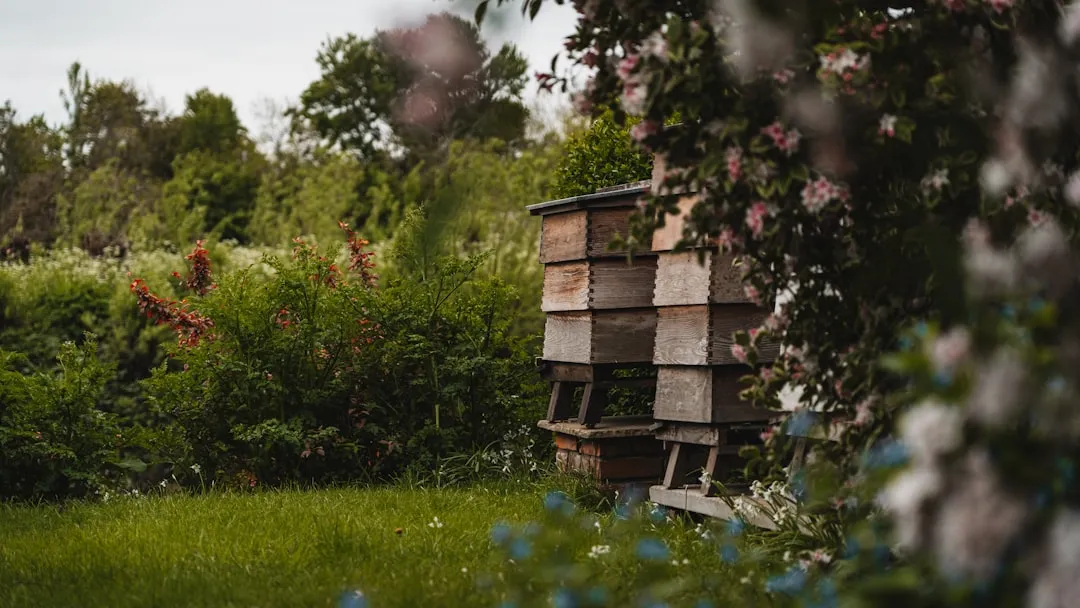
The honey bee industry in the United States can be loosely divided into backyard operations managing fewer than 50 colonies, sideline operations managing between 51 and 500 colonies, and commercial operations managing more than 500. Commercial and sideline beekeepers collectively managed 92 percent of surveyed colonies in 2024 to 2025, whereas backyard beekeepers – who made up nearly 95 percent of all surveyed beekeepers – collectively managed just 8 percent of colonies.
That gap is striking. The vast majority of people who keep bees in America are small-scale hobbyists, not commercial producers. During 2024 to 2025, backyard beekeepers actually experienced a lower annual colony loss rate compared to commercial beekeepers – an unusual reversal of the historical trend.
This suggests that close, attentive management at the backyard level can make a real difference, even in a difficult season. It’s one of the more encouraging data points in an otherwise grim set of reports.
The Urban Beekeeping Market Is Expanding Fast
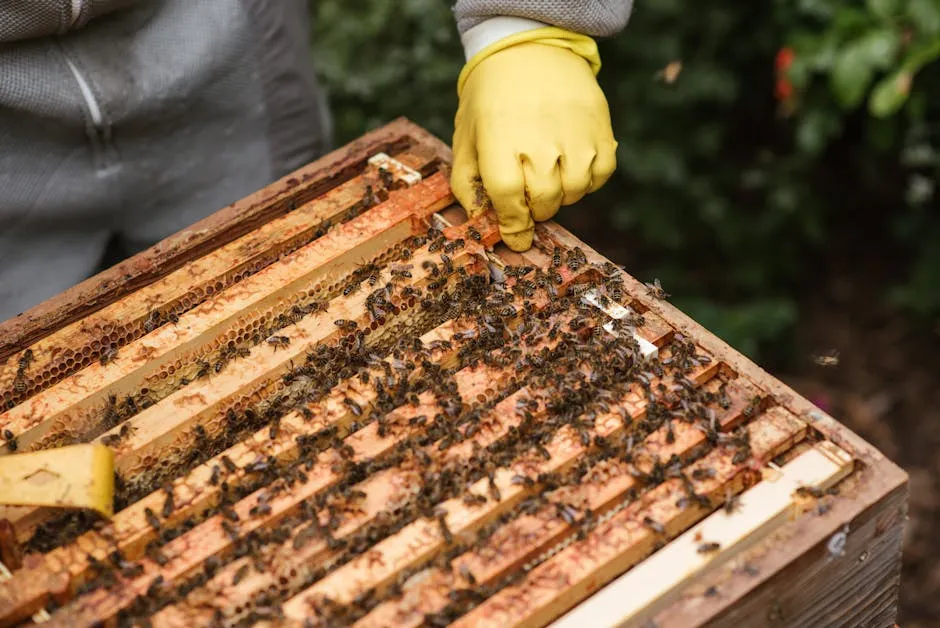
The global urban beekeeping equipment market was valued at $900 million in 2024 and is projected to expand at a compound annual growth rate of 12 percent during the forecast period, reaching a value of $2.2 billion by 2032. That’s substantial growth, and it reflects genuine demand rather than speculative forecasting.
Consumer awareness initiatives around pollination and biodiversity have led to a meaningful increase in urban and rooftop beekeeping activities globally. Cities that once banned or heavily restricted hives are quietly reconsidering their regulations, and that’s opening new space for hobbyists.
Urban beekeeping is booming, heightening awareness of pollinator importance but also raising concerns that its fast growth might exceed existing resources and negatively impact urban biodiversity. Responsible urban beekeeping means thinking about forage, space, and the needs of native pollinators – not just honey production.
What “Starting Small” Actually Looks Like
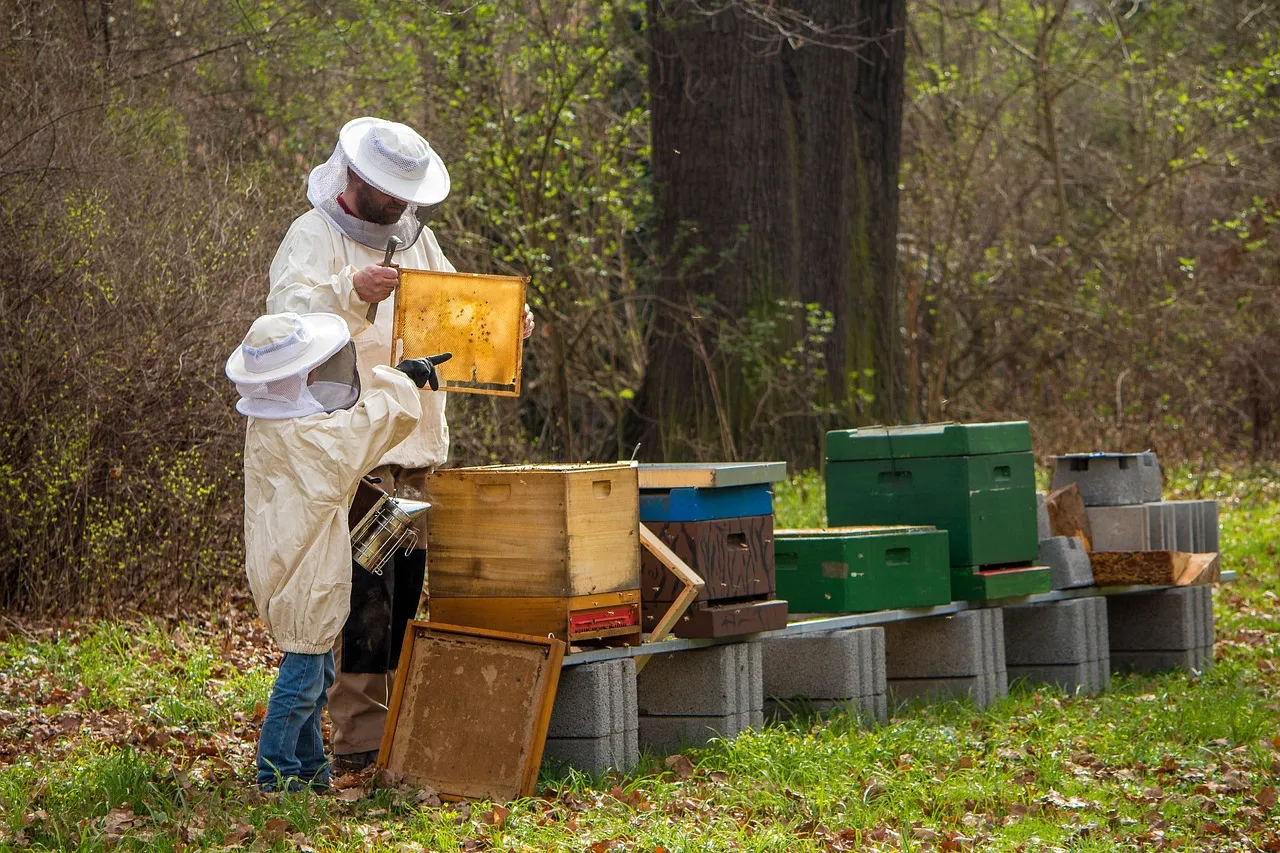
The assumption that beekeeping requires a full hive setup and significant investment stops many curious people before they start. The reality is more flexible. A single beehive doesn’t require much space, and a small backyard or garden can often accommodate a few hives – though having more space becomes necessary if you plan to keep multiple hives or expand.
Based on surveys of reputable online suppliers, the first year of beekeeping is estimated to cost roughly $725, covering one complete hive, your first bees, protective gear, basic tools, and miscellaneous supplies. That’s a reasonable entry point for a serious hobby, though costs can vary widely depending on your choices.
For those who aren’t ready to manage a full colony, there are still meaningful ways in. Planting pollinator-friendly gardens, supporting local beekeepers through honey purchases, and attending hands-on taster sessions with local beekeeping associations all contribute to the broader ecosystem without requiring immediate hive ownership. Many local beekeeping associations run beekeeping taster days in late spring or early summer, offering introductory talks and supervised hive inspections.
Hive Alternatives and Low-Barrier Entry Points
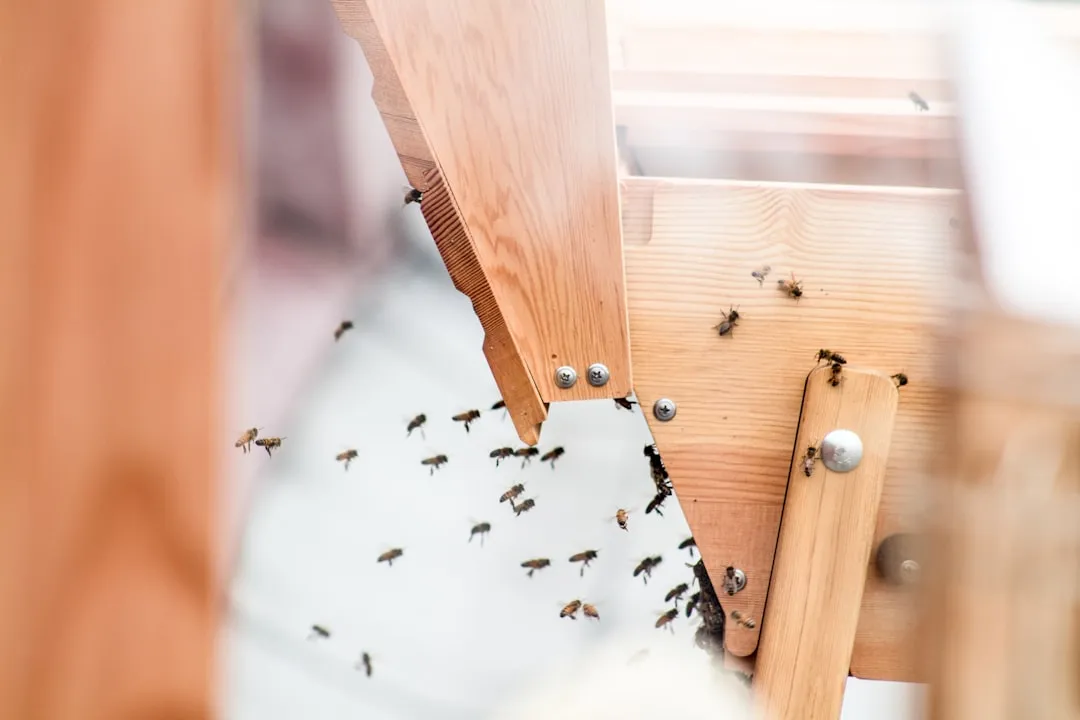
The top bar hive is a horizontal hive design that allows bees to build natural comb from wooden bars at the top of the hive, popular in Africa and increasingly in backyard beekeeping in North America. It’s praised for its ergonomic design – no heavy boxes to lift – and its low cost, making it suitable for beekeepers with limited space or budget.
Designed by French beekeeper Abbé Warré in the early 20th century, the Warré hive mimics the natural cavity bees would choose in the wild, using top bars instead of frames, allowing bees to build completely natural comb, and favoring minimal intervention – a philosophy known as “bee-centric” beekeeping.
If you can’t keep bees at your home, there are many other options. Cemeteries, retreat centers, office parks, schools, rooftops, and botanical gardens are all viable locations to consider. Keeping bees off-site through a community arrangement is a legitimate and increasingly popular way to participate without the land or infrastructure requirements.
The Varroa Problem: What Every Beginner Needs to Know

Keeping bees alive and healthy requires management for the varroa mite – most beginners fail at this, and their colonies die an ugly death. The number one feedback from first-year beekeepers is that they did not realize how important it was to monitor and control varroa in their hive.
Because the mites jump from bee to bee, they can spread rapidly to other hives. Beekeepers need to perform hive inspections for mites at least once a month. If six or more mites are found during a sample wash test, the hive needs to be treated immediately.
The good news is that new tools are emerging. The Environmental Protection Agency has proposed to register products containing the new active ingredient Vadescana – a double-stranded RNA – for control against destructive mites in honeybee hives. This kind of innovation gives both commercial and backyard beekeepers new options as older treatments lose their effectiveness.
The Learning Curve Is Real – But Manageable
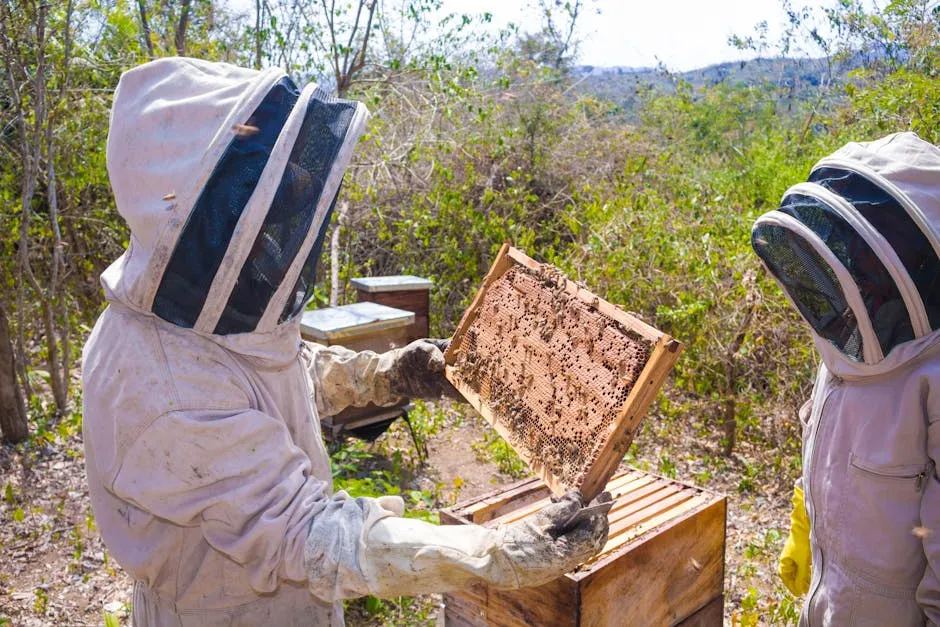
The latest data suggests that roughly four in five new beekeepers quit within two years, with first-year colony loss rates reaching concerning levels even among motivated beginners. The pattern isn’t inevitable, but it does underscore the importance of preparation over enthusiasm.
Anecdotal evidence in online forums indicates that a high percentage of beginning beekeepers quit after a year or two. Higher than anticipated costs, hive mortality problems, failure to understand the work required, and unrealistic expectations are issues that cause beginners to give up early. Starting with solid education and realistic expectations changes that outcome significantly.
Joining a beekeeping association, finding a mentor, sourcing local bees, and managing expectations – particularly around getting bees through their first winter – are the most reliable foundations for a successful start. Communities of practice matter here more than they do with most hobbies.
Why Bees in Your Backyard Still Matter
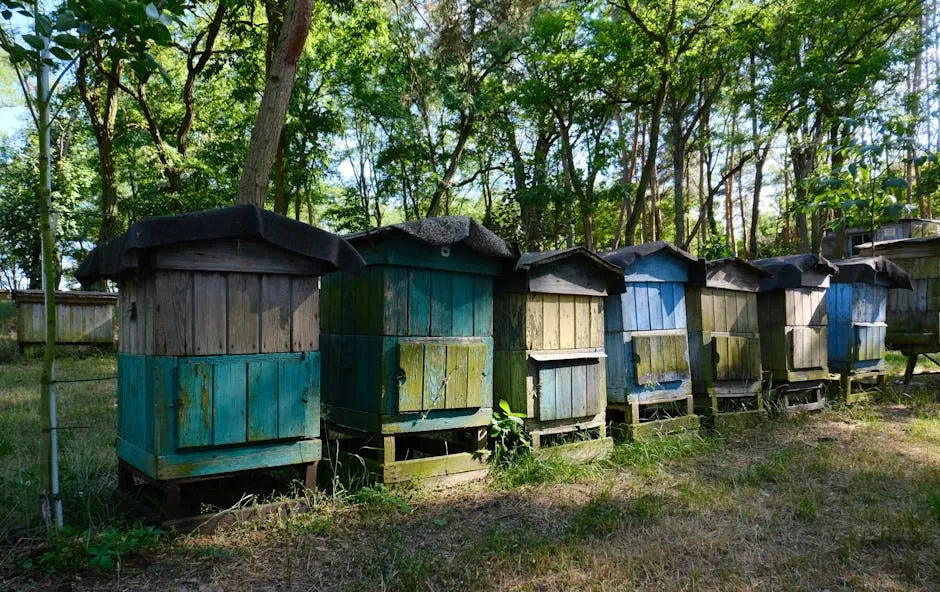
As loss rates continually rise, U.S. beekeeping operations must find ways to improve production to meet demand. Approximately 75 percent of crop production depends on pollinators, so without honey bees, the U.S. food supply would be significantly affected.
A single backyard hive can produce between 50 and 100 pounds of honey annually, and bees can pollinate a significant share of garden crops, boosting vegetable and fruit production in integrated homesteading and garden systems. The yield is real, even at a small scale.
If your motivation is genuinely to help bees but you’re not ready to take on a full hive, you’d do meaningful service by planting flowers and flowering shrubs and trees, supporting small farmers, buying local produce, and minimizing your carbon footprint. On the other hand, keeping honey bees offers a tangible connection to the wild – and if you’re willing to make the effort, the honey bee can connect you to the joy of this fascinating social insect.
The surge in backyard beekeeping isn’t simply a pandemic-era hobby hangover or a passing sustainability trend. It’s a response – measured and practical – to a genuine crisis in pollinator health. Whether you start with a full Langstroth hive, a modest top bar setup, or simply a garden full of flowering plants, the instinct is sound. Bees need more people paying attention, and that attention doesn’t have to begin at scale.
AI Disclaimer: This article was created with the assistance of AI tools and reviewed by a human editor.