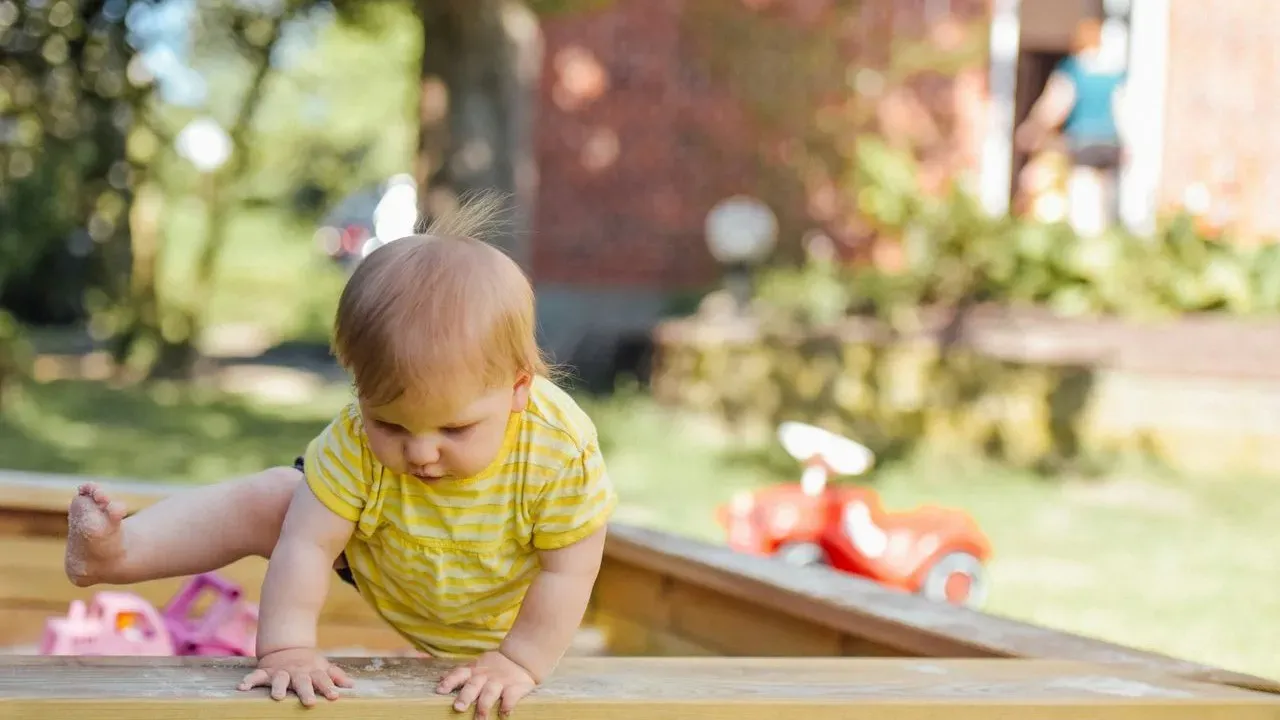

New parents often face a familiar tension between their love of gardening and the demands of caring for an infant. The arrival of a baby can interrupt routines that once provided calm and satisfaction, yet many are finding ways to keep both priorities alive. Babywearing offers one practical solution that keeps a child close while freeing hands for light garden work.
The Practical Advantages of Staying Hands-Free
Babywearing places an infant in a secure sling or carrier against the parent’s body, which immediately frees both hands for tasks around the garden. Parents report being able to handle watering, weeding small areas, and harvesting herbs without needing to set the baby down repeatedly. This setup proves especially useful during the early months when constant holding is common. The approach also creates shared moments outdoors. A baby experiences fresh air, plant scents, and gentle movement while remaining comforted by the parent’s presence. Over time, these outings can turn routine chores into opportunities for early sensory exposure in a controlled setting.
Selecting a Carrier Suited to Outdoor Conditions
Comfort remains the top priority when choosing a carrier for garden use. Look for designs with padded straps and a supportive waistband that distribute weight evenly and reduce strain on the back and shoulders. The carrier should also hold the baby in a natural seated position that supports healthy hip development. Breathable fabrics such as organic cotton or linen help manage warmth during active periods. Durable construction matters as well, since carriers will encounter soil, moisture, and occasional cleaning. Many modern options combine these functional qualities with understated colors that blend with garden surroundings.
– Even weight distribution for parent comfort
– Natural positioning support for the baby
– Breathable, easy-to-clean materials
Simple Steps for Comfortable Outdoor Sessions
Timing plays a significant role in a positive experience. Early morning or late afternoon hours generally offer milder temperatures and softer light. Parents should also dress in removable layers for both themselves and the baby, accounting for the extra warmth the carrier provides. Sun protection and hydration deserve attention as well. Wide-brimmed hats for both parent and child, along with shaded rest spots, help prevent overheating. Short initial sessions of fifteen to twenty minutes allow everyone to adjust before longer periods are attempted. Regular breaks for water and stretching keep the outing relaxed.
Creating Ongoing Family Connections Through Gardening
Babywearing enables parents to maintain their connection to the garden while meeting an infant’s need for closeness. The practice supports a gradual introduction to outdoor environments without requiring separate childcare arrangements. Over months and years, these shared activities can become part of a family’s regular rhythm. Many parents find that the combination of light garden work and babywearing preserves a sense of personal continuity during a period of major change. The result is a practical routine that values both the garden and the growing child.
AI Disclaimer: This article was created with the assistance of AI tools and reviewed by a human editor.