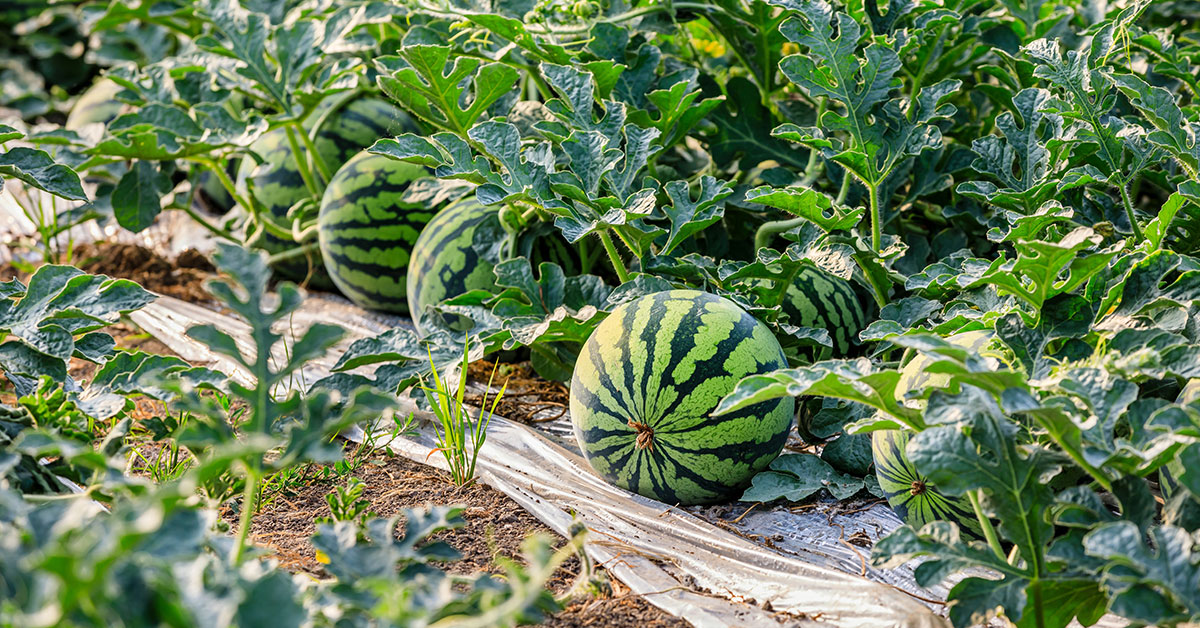

Watermelon leaves are an important indicator of the health of the watermelon and can provide clues when something is wrong. When watermelon leaves are turning yellow, it is often an indication of a nutrient deficiency or pest infestation. It’s important to diagnose the problem quickly to ensure a healthy crop. This article will discuss the various reasons why watermelon leaves might turn yellow and the best ways to address the issue.
Why are your watermelon leaves turning yellow?
Yellowing of watermelon leaves can be caused by various factors, including nutrient deficiencies, overwatering, underwatering, pests, diseases, or environmental stress. Here are some common causes and potential solutions for yellowing watermelon leaves:
- Nutrient Deficiencies: Yellowing leaves may indicate a lack of essential nutrients, such as nitrogen, iron, or magnesium. Conduct a soil test to determine any nutrient deficiencies and adjust the fertilizer accordingly. Applying a balanced fertilizer or specific nutrient supplements can help address deficiencies and restore the health of the plant.
- Overwatering: Excessive watering can lead to waterlogged soil, causing root rot and poor nutrient uptake. Yellowing leaves, especially combined with wilting or drooping, may indicate overwatering. Ensure proper drainage, adjust watering frequency, and allow the soil to dry out slightly between watering sessions.
- Underwatering: Insufficient watering can also result in yellowing leaves. Watermelon plants require consistent moisture, especially during hot and dry periods. Water deeply and regularly, ensuring the soil is adequately hydrated without becoming waterlogged.
- Pests: Certain pests, such as aphids, spider mites, or whiteflies, can infest watermelon plants and cause leaf yellowing. Inspect the undersides of leaves for signs of pests or sticky residue. Implement appropriate pest control measures, such as using insecticidal soaps or introducing beneficial insects, to manage the pest population.
- Diseases: Watermelon plants can be susceptible to various diseases, such as fusarium wilt, powdery mildew, or downy mildew. These diseases can cause leaf discoloration, including yellowing. If you suspect a disease, promptly remove and destroy infected plants or treat them with appropriate fungicides following the instructions.
- Environmental Stress: Environmental factors, including extreme temperatures, high humidity, or excessive sun exposure, can stress watermelon plants and lead to yellowing leaves. Provide shade during hot periods, ensure proper airflow, and avoid exposing the plants to extreme conditions whenever possible.
It’s crucial to accurately diagnose the specific cause of yellowing leaves to implement the appropriate solution. If the issue persists or worsens despite corrective measures, consider consulting a local gardening expert or agricultural extension service for further guidance and potential disease testing.
Regular monitoring, proper watering practices, balanced nutrition, and early pest or disease management are essential for maintaining healthy watermelon plants and minimizing leaf yellowing.
Additional Resource: The Best Companion Plants For Watermelons
Common diseases and pests
Watermelon plants are susceptible to various diseases and pests that can affect their growth and yield. Here are some common watermelon diseases and pests, along with suggested methods for prevention and control that may be the reason for watermelon leaves turning yellow.
Common Watermelon Diseases:
- Powdery Mildew: Powdery mildew appears as a white, powdery coating on the leaves, stems, and fruits. It thrives in humid conditions. To prevent powdery mildew, provide adequate air circulation, avoid overhead watering, and apply fungicidal sprays containing sulfur or other recommended fungicides.
- Fusarium Wilt: Fusarium wilt is caused by soil-borne fungi and results in yellowing, wilting, and eventual death of the plant. Practice crop rotation, use disease-resistant cultivars, and ensure proper soil drainage to minimize the risk of fusarium wilt.
- Anthracnose: Anthracnose causes circular or sunken lesions on the leaves, stems, and fruits. To control anthracnose, plant disease-resistant varieties, practice crop rotation, remove infected plant debris, and apply copper-based fungicides as per label instructions.
- Downy Mildew: Downy mildew appears as yellow patches on the upper leaf surface and a purplish downy growth on the underside. Maintain proper spacing between plants, provide good airflow, and apply copper-based fungicides to manage downy mildew.
Common Watermelon Pests:
- Aphids: Aphids are small insects that cluster on the undersides of leaves, sucking sap and causing distortion and yellowing. Use insecticidal soaps, neem oil, or introduce beneficial insects like ladybugs to control aphids.
- Spider Mites: Spider mites are tiny pests that feed on the undersides of leaves, causing yellow speckling and webbing. Spray plants with water to dislodge them, use insecticidal soaps, or introduce predatory mites as natural controls.
- Whiteflies: Whiteflies are small, winged insects that feed on plant sap and excrete sticky honeydew, leading to yellowing and stunting of plants. Use yellow sticky traps, apply insecticidal soaps or oils, or introduce natural predators like lacewings to manage whiteflies.
- Cucumber Beetles: Cucumber beetles chew on leaves and transmit diseases. Plant trap crops, such as radishes, to divert them, handpick and remove beetles, or use insecticides labeled for cucumber beetle control.
Integrated Pest Management (IPM) practices that combine cultural, mechanical, and biological controls are effective for managing both diseases and pests. These practices include crop rotation, proper sanitation, regular monitoring, using disease-resistant varieties, practicing good watering techniques, and employing targeted pesticide applications when necessary. When using chemical control, always follow label instructions carefully to ensure safe and effective application.
For accurate identification and specific treatment recommendations, consult your local agricultural extension service or a professional horticulturist familiar with your region.