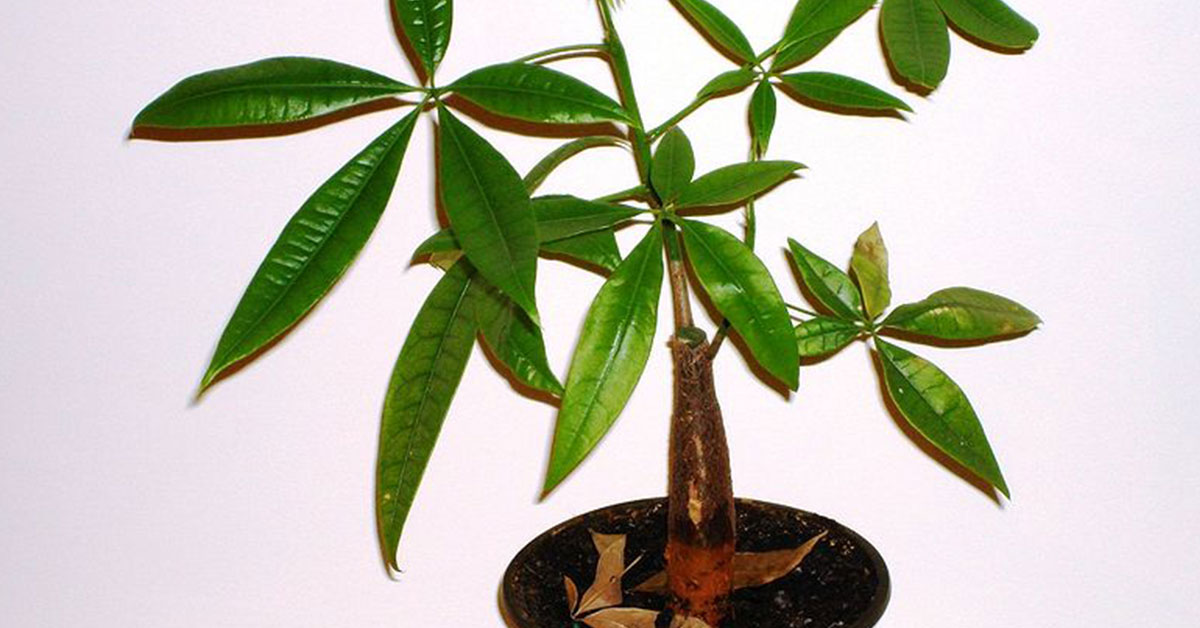

Money Tree plants are popular for their hardy nature and low-maintenance care. Unfortunately, even the most durable of plants can fall victim to certain problems, one of them being yellowing leaves. In this article, we will discuss why your Money Tree leaves are turning yellow and how to best address the issue. With a few simple steps, you can ensure your Money Tree is healthy and thriving.
Money trees have become a popular way of expressing appreciation and good luck. People grow money trees to symbolize prosperity and abundance. Growing a money tree is also a great way to show someone you are thinking of them. Money trees can be grown in containers or planted directly in the ground, making them accessible to everyone. Additionally, they are also known to bring positive energy and good luck. This makes money trees a great gift for any occasion.
Why Your Money Tree Leaves Are Turning Yellow
Money trees, also known as Malabar chestnut, are a type of evergreen tree that originates from tropical regions in Southeast Asia. While these trees are typically known for their vibrant green leaves, their leaves can occasionally turn yellow. This change in color may be caused by a variety of factors, such as excess sunlight, overwatering, or nutrient deficiencies. When exposed to too much direct sunlight, the chlorophyll in the leaves may break down and cause them to turn yellow.
Too much water can also cause the leaves to yellow due to root rot since the roots are unable to absorb the essential nutrients when waterlogged. Nutrient deficiencies, such as a lack of magnesium or iron, can also cause the leaves to become pale and yellow. It is important to identify the underlying cause of the yellowing leaves and address it accordingly.
How To Prevent Your Money Tree Leaves From Yellowing
Yellowing leaves on a money tree are often a sign of inadequate care. To prevent money tree leaves from turning yellow, it is important to provide the tree with the right amount of sunlight and water. Place the tree in a location that receives bright indirect light, such as near a window. Water the tree regularly, ensuring that the soil is moist but not soggy. To minimize the risk of root rot, allow the soil to dry out slightly between waterings. Additionally, fertilize the tree every month during the growing season. To avoid stress, it is best to avoid repotting the tree unless absolutely necessary. Finally, regular pruning of the leaves will help to keep the tree healthy and promote air circulation. If the leaves still turn yellow, it may be a sign of pests or disease and professional help may be needed.
To ensure that your Money Tree remains healthy and full of good luck, it is important to use the right fertilizer. The best fertilizer for a Money Tree is one that is high in nitrogen and low in phosphorus, such as a 10-10-10 blend. Be sure to also use a water-soluble fertilizer every two weeks, and always remember to dilute it according to the instructions on the label. Finally, it is important to flush the soil of any excess fertilizer every few months, as too much fertilizer can be detrimental to your Money Tree. With the right fertilizer and careful care, your Money Tree can continue to bring you luck and fortune.
Monitoring For Pests And Diseases
Money tree plants are popular houseplants due to their low-maintenance care requirements and attractive foliage. Despite their easy-care nature, money tree plants can be vulnerable to pests, which can cause the leaves to turn yellow. Common culprits include scale insects, aphids, mealybugs, and spider mites. These pests feed on the sap of the plant, disrupting its nutrient uptake and causing the leaves to yellow. To prevent pests, it is important to inspect the foliage of money tree plants regularly. If pests are present, use an insecticidal soap or neem oil to control the infestation. Additionally, good cultural practices such as proper watering and fertilization will help keep money tree plants healthy and pest-free.
Diseases can cause money tree leaves to turn yellow. Several fungal diseases, including Alternaria leaf spots, can cause yellow spots on the leaves. If left untreated, the spots will spread and turn the entire leaf yellow. Other fungal diseases, such as Fusarium wilt, can cause the leaves to yellow and drop prematurely. Bacterial diseases, such as bacterial blight, can also cause yellowing and wilting of the leaves. Fungicides and bactericides can help control these diseases, but it is important to identify the specific disease causing the yellowing in order to choose an effective treatment.
How To Prune Money Trees
If the leaves of your money tree are turning yellow, it may be time to prune. Pruning your money tree helps it maintain a healthy shape and encourages new growth. To prune your money tree, start by using sharp, sterile, shears to remove any dead, damaged, or discolored leaves and branches. Once you have removed the dead leaves, you can then prune the healthy branches back to the desired shape. Be sure to prune any branches that are growing in an unnatural or unbalanced way.
When pruning, be sure to make clean cuts and avoid damaging the trunk or main stem of the plant. Once you have finished pruning, be sure to water your money tree and provide it with plenty of bright, indirect light. With a bit of pruning, you can help your money tree stay healthy and vibrant.