

Warm Soil Sets Roots in Motion Immediately
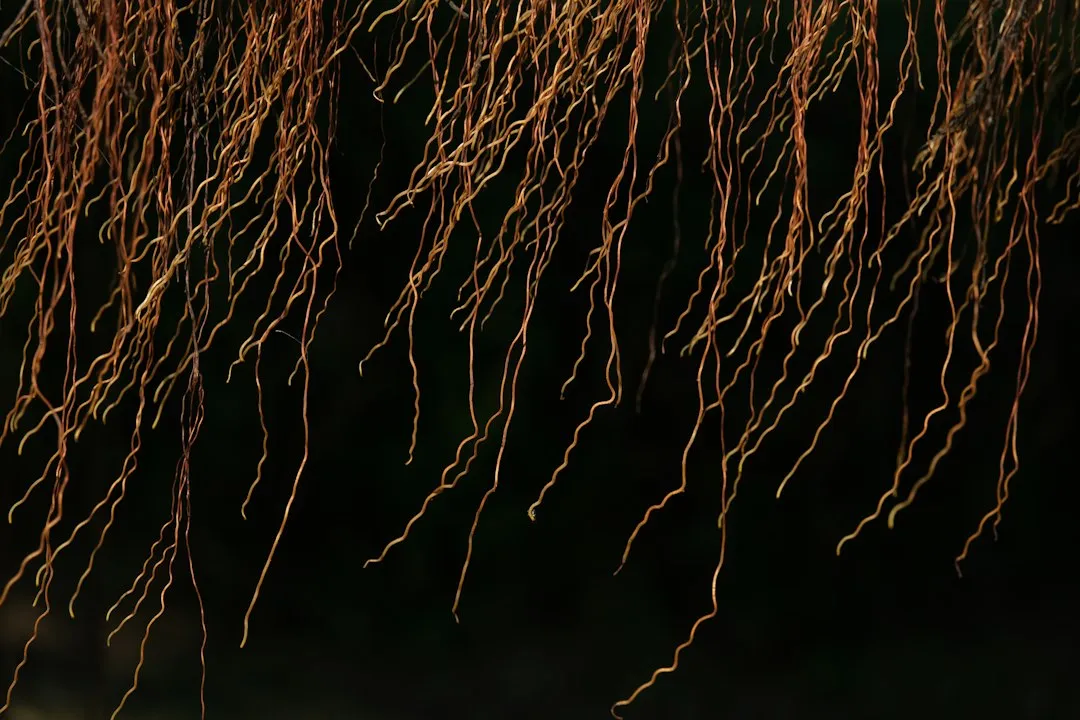
New trees begin establishing their root systems immediately after planting in the fall. Following the hot summer months, the soil remains warm well into the season, creating an ideal environment for new root growth. This is a detail many gardeners overlook. The air may feel cool, but the ground holds onto summer’s warmth far longer than the atmosphere does.
Roots begin growing as soon as they touch moist earth and continue to do so as long as the soil temperature stays above about 40°F (4°C). That gives a September or October planting a meaningful window of active underground development before winter settles in.
Cool Air Means Far Less Transplant Stress

Transpiration is low and root generation potential is high during fall. Temperatures are typically moderate to cool and are easier on the plants, so there is less chance for the trees to be stressed by extreme heat.
Temperatures are typically cool, causing plants to lose less water through their leaves due to transpiration than they would in hot weather. This makes it less likely for plants to experience stress, and more energy can be directed to root production. In practical terms, the tree spends its energy surviving rather than struggling.
Trees Get a Months-Long Head Start Before Summer
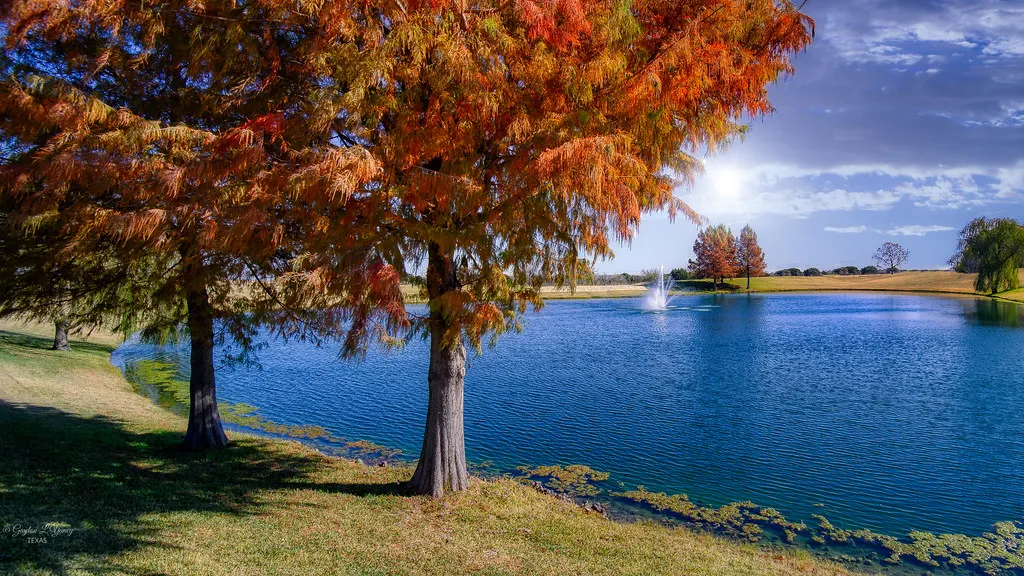
When you plant a tree in the fall it has more time to establish before the stress of the summer season. It can work to establish its root system for many months before it has to contend with hot temperatures and drier soils of summer. Because summer is usually the most stressful time for newly planted trees, giving your tree as much time as possible before the stresses of summer is ideal.
When the first warm breath of spring finally coaxes the growth of new shoots, the fall-planted tree is in place, its roots already growing in the soil. That’s a real, measurable advantage over a tree put in the ground just weeks before summer heat arrives.
Root Growth Continues Through Dormancy
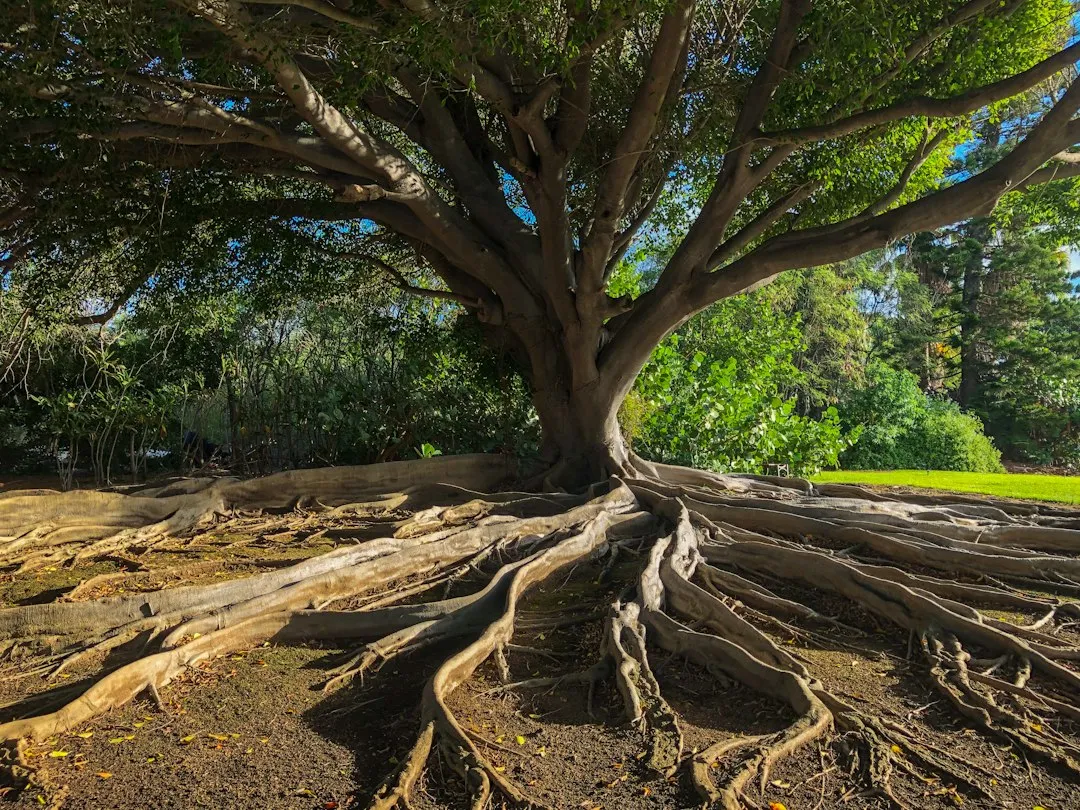
Planting at a time when trees are not actively growing helps them conserve energy and direct it toward overwintering structures. Plants are still producing roots and underground structures during the fall and winter months to prepare for the next growing season.
Fall planting provides the plant with the opportunity to put its energy into root growth now and in the early spring, before it has to concentrate on producing leaves. Roots grow well in cooler soils, and the plant also doesn’t need as much water once the leaves drop. That combination is efficient in a way spring planting rarely achieves.
Fall Rains Reduce the Need for Constant Watering

Cooler, wetter weather is the perfect time for tree planting. With an increase in rainfall and cooler temperatures in the fall, less watering is needed. As tree shoot growth halts, the trees require less water because the days are cooler and shorter and the rate of photosynthesis decreases.
Because trees go dormant in the winter they require less maintenance than trees planted in the spring and summer. The autumn rains easily keep them naturally watered, the cool soil temperatures encourage root growth, and these extra months help set it up for a very productive growing season the following year.
Fewer Pests and Diseases Threaten Young Trees
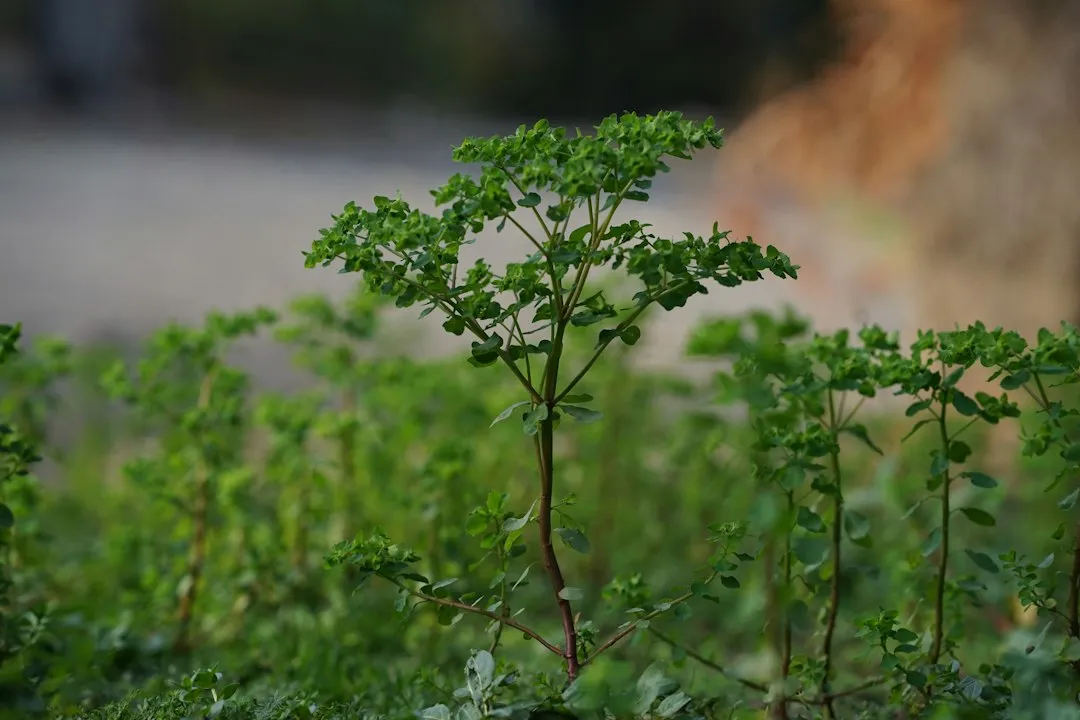
Threats from pests and diseases are often lower during the fall season. Leaf-defoliating insects, for example, are more common during the spring and summer months but begin to recede as temperatures start to decline. Fewer pests and diseases mean less stress on newly planted trees.
This matters more than it might seem. A newly transplanted tree is already under stress from having its root system disturbed. Adding pest pressure on top of that in spring can be enough to push a young tree into serious decline. Fall sidesteps much of that risk by design.
The Optimal Planting Window Is Specific and Worth Knowing

The ideal time to begin planting trees and shrubs is six weeks before the first sign of hard frost. September through November is the ideal time for tree planting because it allows the roots to become established before the ground freezes and winter sets in. However, it is highly recommended that you do not continue planting trees too late into the fall because this can have a negative impact on plant health.
If you wait too long into the fall season, from November into December, you run the risk of poor root growth and increased failure rate. Timing matters. Planting in the sweet spot, roughly mid-September through mid-October in most regions, gives roots the best chance.
Not All Trees Are Equal Candidates for Fall Planting
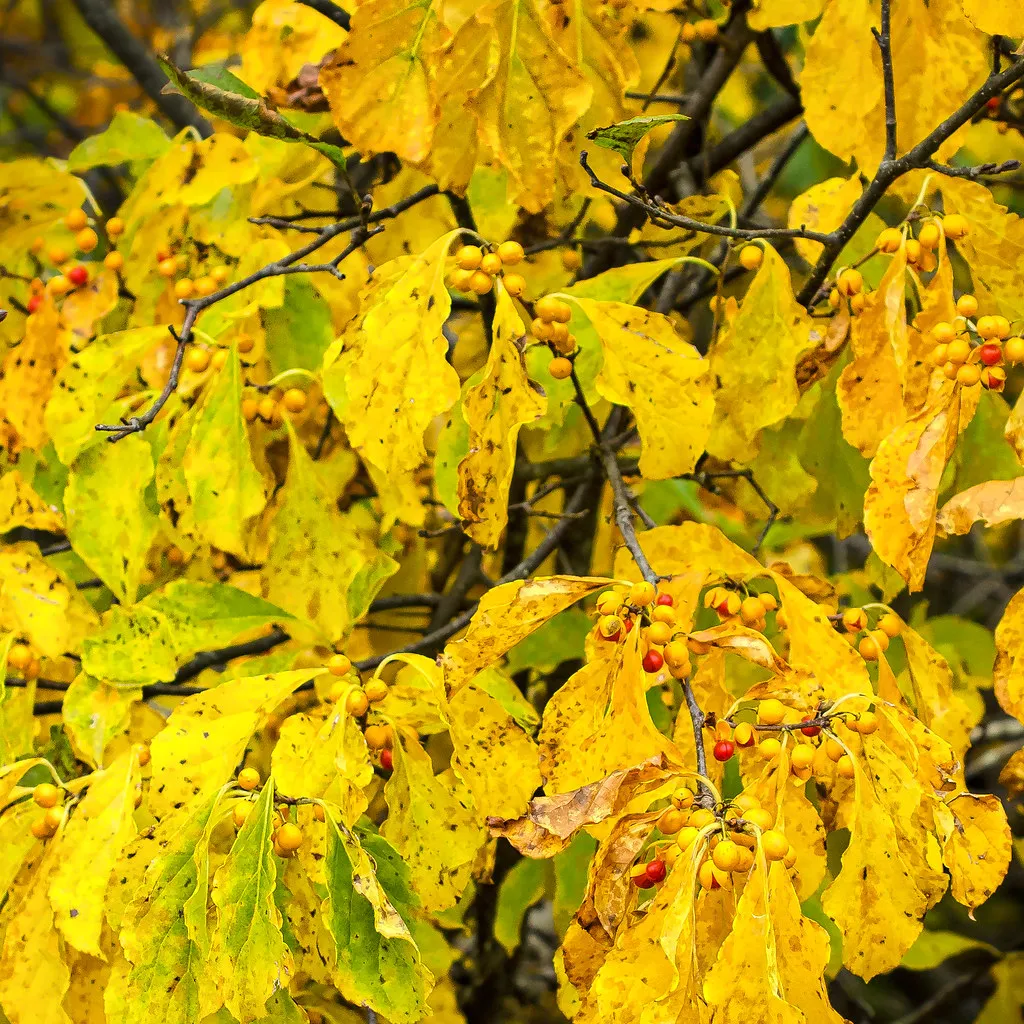
Trees that can be successfully planted in the fall include alder, ash, buckeye, catalpa, crabapple, hackberry, hawthorn, honey locust, elm, Kentucky coffee tree, linden, maple, sycamore, pines, and spruces. Most deciduous shrubs can also easily be planted in fall.
Some slow-to-establish species are best planted in spring. These include bald cypress, American hornbeam, ginkgo, larch, magnolia, hemlock, sweetgum, tuliptree, and willow. Also, broad-leaved evergreens such as rhododendrons and narrow-leafed evergreens such as yews prefer spring planting. Knowing your species before you dig matters just as much as knowing your season.
Mulching After Planting Protects the Investment
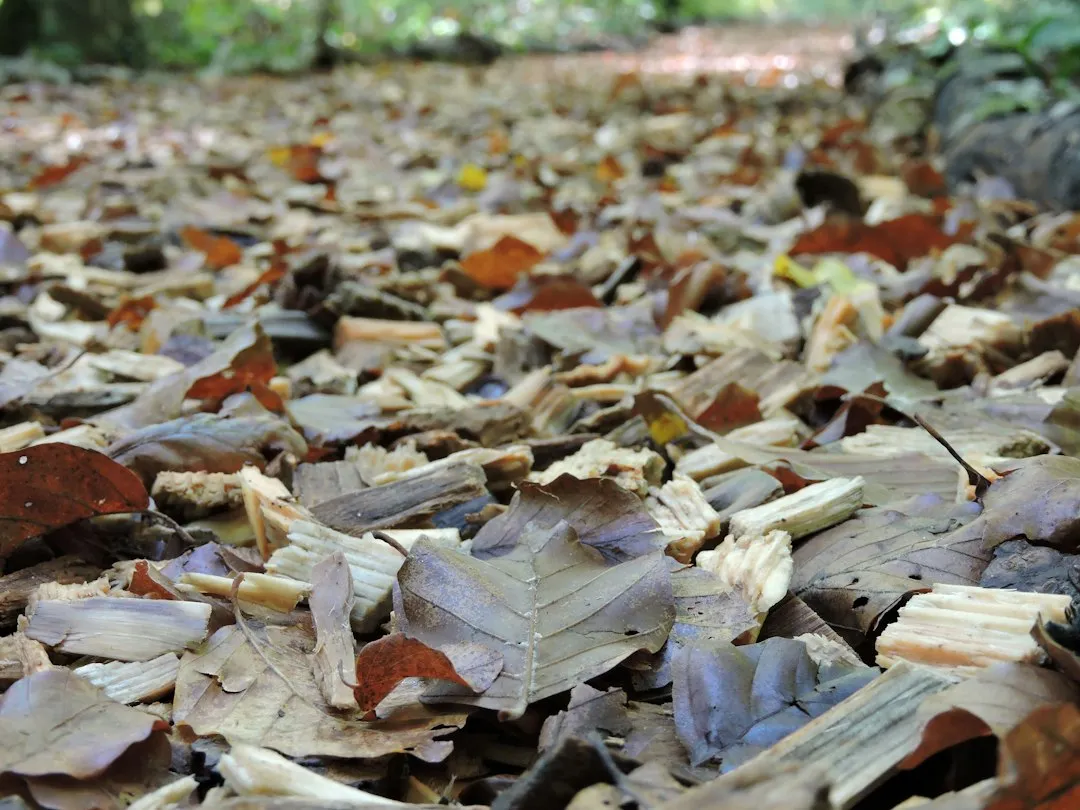
Mulch is one of the simplest ways to help a newly planted tree. A two- to four-inch layer of woodchip or other organic mulch can help retain soil moisture and moderate soil temperatures. Spread that layer of wood chips or straw over the bare ground to within a few inches of the trunk. This will insulate the roots to keep them growing long into the fall and prevent the freezing and thawing that leads to heaving.
Maintaining two to three inches of composted mulch over the root zone of the tree and landscape provides great protection. Arborists are consistent on this point, and it’s one of the easiest things a homeowner can do to dramatically improve a young tree’s first winter survival odds.
Watering Still Matters Even as Temperatures Drop
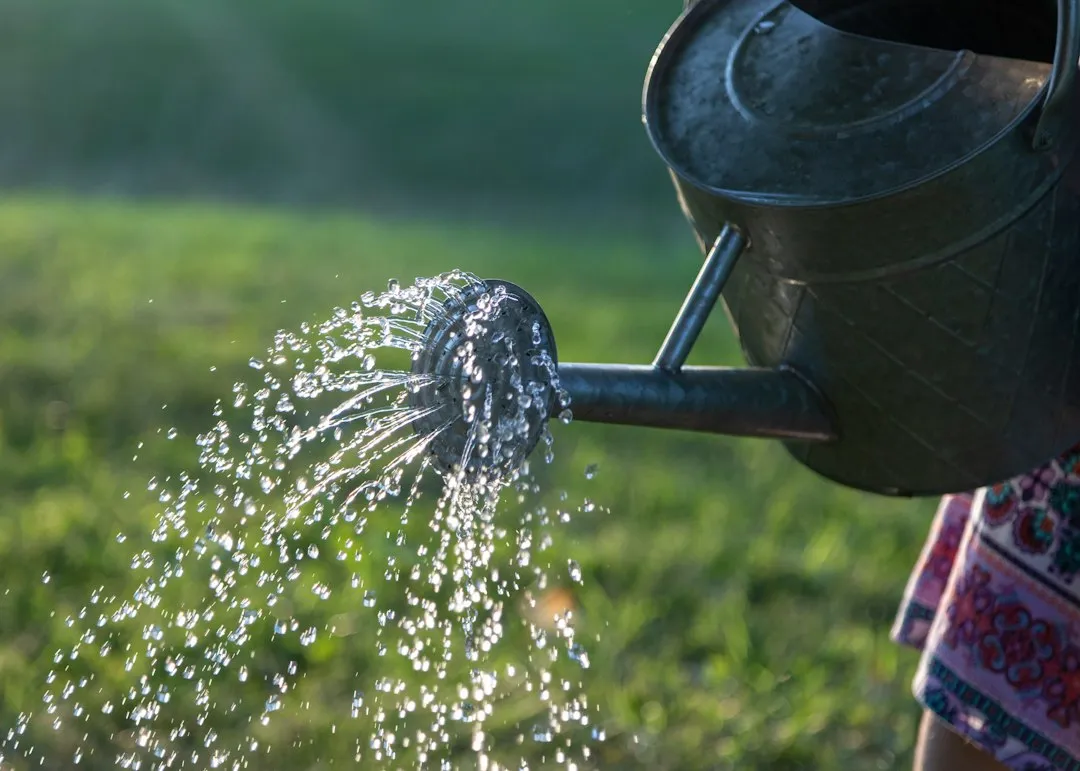
Even in fall, newly planted trees need water until the ground freezes. Give your tree a thorough watering immediately after planting to settle the soil around the roots and eliminate large air pockets. Continue monitoring soil moisture throughout the fall, adjusting for rainfall, soil type, tree size, and local conditions. The goal is to keep the root zone consistently moist, not saturated.
The dry, cool air and low precipitation that can sometimes occur during fall and early winter can take a toll on trees. Provide supplemental irrigation with deep watering to prevent root damage and a good spring start. Focus your watering on newly planted trees and evergreens, which are the most at risk of winter damage. Water slowly at the base of the tree so it soaks deep into the root zone instead of running off, and remember to disconnect and drain your hoses before the first hard freeze.
The Takeaway
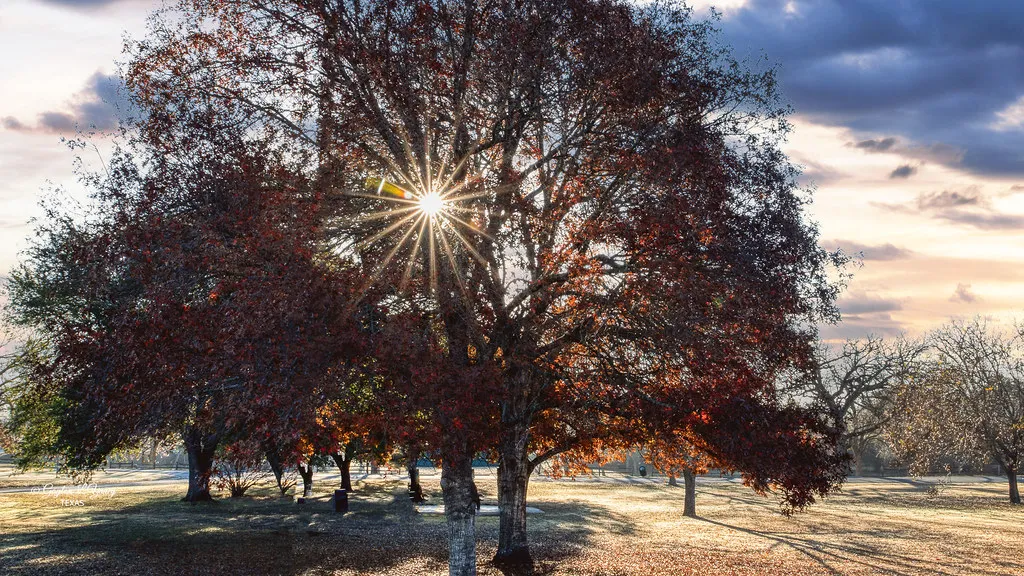
Spring will always feel like planting season. That instinct is understandable. But the science and the practical experience of arborists consistently point in another direction. Experts say cooler weather and autumn rains provide ideal conditions for seedlings to retain moisture and establish their root systems gradually before winter dormancy, improving their future ability to adjust to summer heat and drier conditions.
A tree planted in fall isn’t sleeping through winter; it’s working. By the time spring arrives and the canopy starts to leaf out, that tree already has a root system quietly prepared for the heat ahead. That’s not a small advantage. Over the lifetime of a tree that could live for decades, it’s the kind of head start that shapes everything that comes after.
AI Disclaimer: This article was created with the assistance of AI tools and reviewed by a human editor.