

As a dedicated gardener, one of the most effective strategies I’ve discovered for maintaining a healthy and productive garden is crop rotation. If you’ve ever faced issues like soil depletion, persistent pests, or declining plant health, rotating your crops can be a game-changer! Not only does it enhance soil fertility, but it also helps in managing pests and diseases naturally, setting the stage for a bountiful harvest each season.
In this article, we’ll delve into the reasons why crop rotation is essential and explore practical methods to implement it effectively in your garden. From understanding plant families to planning your rotation schedule, each section is packed with insights that will help you optimize your gardening practices. Whether you’re a seasoned gardener or just starting out, mastering crop rotation can lead to healthier plants, richer soil, and a more vibrant garden overall. Let’s embark on this journey to prepare your garden for next season’s success!
Managing Pests and Diseases

One of the most compelling reasons to rotate crops is to disrupt the life cycles of pests and diseases. Many pests and pathogens are host-specific, meaning they thrive on particular plant families. By changing the type of crop planted in a specific area each season, you can effectively reduce the population of these unwanted visitors. For example, rotating tomatoes (Solanaceae family) with beans (Fabaceae family) can help prevent tomato hornworms and fungal diseases from becoming a persistent problem in your garden.
Additionally, crop rotation helps in breaking the cycle of soil-borne diseases such as Fusarium wilt and root rot, which can devastate specific crops if left unchecked. This natural method of pest and disease management minimizes the need for chemical interventions, promoting a healthier and more sustainable garden environment. Embracing crop rotation not only protects your plants but also contributes to a balanced ecosystem where beneficial insects and microorganisms can thrive!
Enhancing Soil Structure and Fertility

Rotating crops is a fantastic way to improve and maintain soil structure and fertility. Different plants have varying nutrient requirements and root structures, which can help in balancing the soil’s nutrient profile. For instance, legumes like peas and beans have the ability to fix nitrogen in the soil, enriching it for subsequent crops that require higher nitrogen levels, such as leafy greens and brassicas.
Moreover, deep-rooted plants like carrots or radishes help in breaking up compacted soil, enhancing aeration and water penetration. This diversity in root structures prevents soil from becoming overly compacted and encourages a robust soil ecosystem teeming with beneficial microbes. By thoughtfully rotating your crops, you ensure that your soil remains fertile and well-structured, providing a strong foundation for your plants to grow and flourish!
Planning Your Crop Rotation Schedule

Effective crop rotation requires careful planning and understanding of plant families. Start by grouping your plants into families based on their botanical classifications, as this will help in identifying which crops to rotate together. For example, follow nightshades (tomatoes, peppers, eggplants) with legumes (beans, peas) and then with leafy greens (spinach, lettuce). This rotation sequence helps in balancing nutrient usage and minimizing pest and disease buildup.
Creating a crop rotation schedule also involves considering the length of each growing season and the specific needs of your plants. It’s essential to keep records of what you plant each year to ensure that crops are not planted in the same location consecutively. Utilizing garden planning tools or simple spreadsheets can aid in visualizing your rotation plan and making adjustments as needed. With a well-thought-out schedule, you can maximize your garden’s productivity and maintain healthy, thriving plants year after year!
Understanding Plant Families
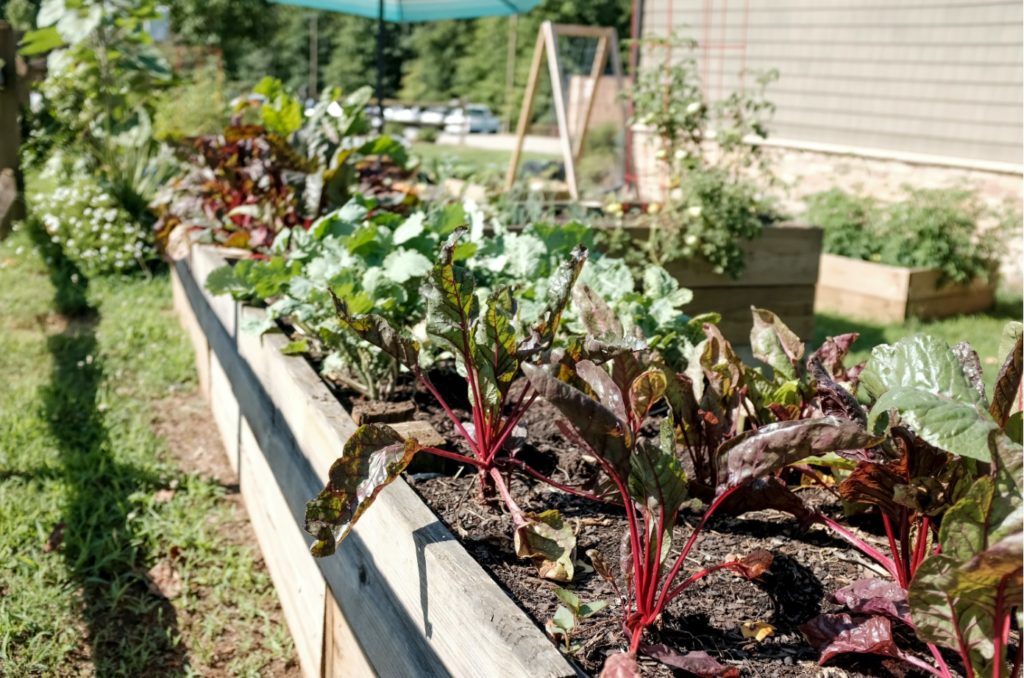
A fundamental aspect of successful crop rotation is understanding plant families and their specific needs. Plants within the same family often share similar nutrient requirements and are susceptible to the same pests and diseases. For example, the Brassicaceae family includes cabbage, broccoli, and kale, which can all fall victim to pests like cabbage worms and diseases like clubroot.
By grouping plants into their respective families, you can create a rotation plan that minimizes the risk of pest and disease accumulation. This knowledge also allows you to tailor your soil amendments to meet the specific nutrient demands of each family. For instance, heavy feeders like corn (Poaceae family) might be rotated with nitrogen-fixing legumes to naturally replenish soil nutrients. Embracing the diversity of plant families in your garden not only enhances biodiversity but also fosters a more resilient and balanced growing environment!
Preventing Soil Depletion
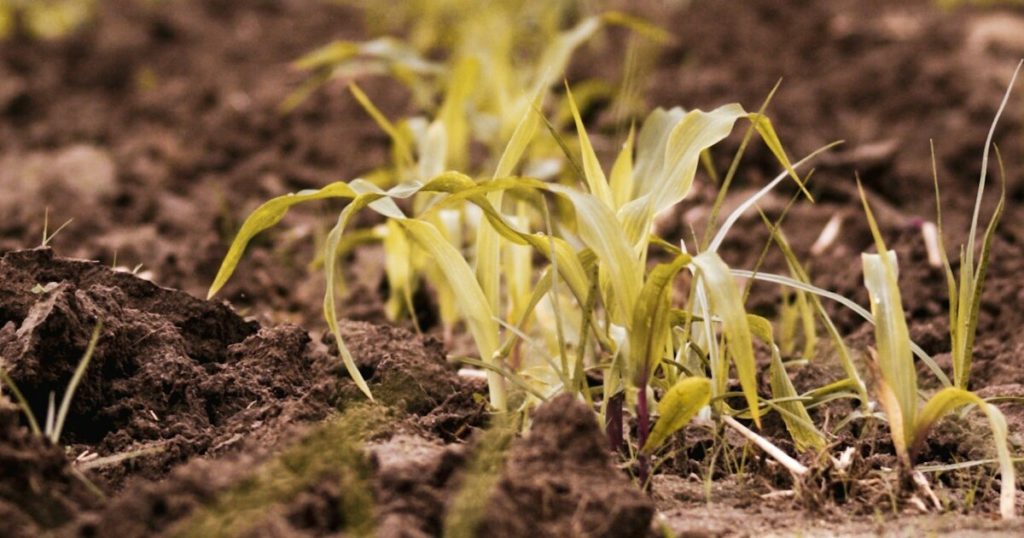
Continuous planting of the same crop in one location can lead to soil nutrient depletion, adversely affecting plant growth and yield. Each plant species has unique nutrient requirements, and without rotation, the soil can become deficient in essential elements like nitrogen, phosphorus, and potassium. Crop rotation helps in replenishing these nutrients naturally, ensuring that the soil remains fertile and productive.
For example, following heavy feeders like corn with nitrogen-fixing plants such as beans or peas can help restore the nitrogen levels in the soil. Similarly, incorporating deep-rooted crops like potatoes can help bring up nutrients from deeper soil layers, making them available for future crops. By rotating your crops, you maintain a balanced nutrient profile in your soil, promoting robust plant growth and reducing the need for synthetic fertilizers. This sustainable approach not only benefits your garden but also contributes to overall soil health and longevity!
Using Cover Crops

Incorporating cover crops into your rotation plan is an excellent way to enhance soil health and fertility. Cover crops, such as clover, rye, and vetch, are planted primarily to cover the soil rather than for harvest. They offer numerous benefits, including preventing soil erosion, suppressing weeds, and improving soil structure. Additionally, legumes like clover and vetch can fix atmospheric nitrogen, enriching the soil for subsequent crops.
Cover crops also provide habitat for beneficial insects and microorganisms, promoting a healthy and balanced garden ecosystem. When you rotate cover crops with your main crops, you create a dynamic and diverse soil environment that supports vigorous plant growth. As a gardener, integrating cover crops into your rotation strategy can lead to a more resilient and sustainable garden, setting the stage for a successful and bountiful growing season!
Avoiding Common Crop Rotation Mistakes

While crop rotation is a powerful tool for garden health, it’s important to avoid common mistakes that can undermine its effectiveness. One common error is failing to rotate crops at all, which can lead to the buildup of pests and diseases specific to certain plant families. Another mistake is not allowing enough time between rotations, which can prevent pests from breaking their life cycles and reduce soil fertility.
Additionally, neglecting to plan your rotation sequence can result in nutrient imbalances and reduced crop yields. It’s essential to maintain a diverse rotation schedule that includes a variety of plant families and cover crops to ensure balanced nutrient usage and pest management. By being mindful of these potential pitfalls and taking proactive steps to avoid them, you can maximize the benefits of crop rotation and maintain a healthy, productive garden year after year!
Enhancing Biodiversity in the Garden

Crop rotation plays a vital role in enhancing biodiversity within your garden. By alternating the types of crops you plant each season, you create a more varied and dynamic ecosystem that supports a wider range of beneficial insects, pollinators, and microorganisms. This diversity helps in maintaining a balanced garden where natural predators can keep pest populations in check, reducing the need for chemical interventions.
Furthermore, diverse plantings contribute to healthier soil by supporting a variety of root structures and organic matter inputs. This, in turn, fosters a thriving soil microbiome that enhances nutrient cycling and disease suppression. As a gardener, embracing crop rotation as part of your biodiversity strategy not only leads to a more resilient garden but also creates a vibrant and lively space where plants and wildlife coexist harmoniously!
Using Companion Planting and Crop Rotation

Combining companion planting with crop rotation can amplify the benefits of both practices, creating a synergistic approach to garden management. Companion planting involves growing different plant species together that can support each other in various ways, such as deterring pests, enhancing growth, or improving soil health. When integrated with crop rotation, companion planting can help in creating a more diversified and balanced garden ecosystem.
For example, planting marigolds alongside vegetables like tomatoes can help repel nematodes and other soil pests, while rotating these vegetables with legumes can replenish soil nitrogen levels. Similarly, intercropping with aromatic herbs like basil or rosemary can attract beneficial insects that prey on common garden pests. By thoughtfully combining these techniques, you can create a garden that is not only productive and beautiful but also naturally resilient against pests and diseases, setting the stage for a thriving growing season!
Implementing Crop Rotation in Small Gardens
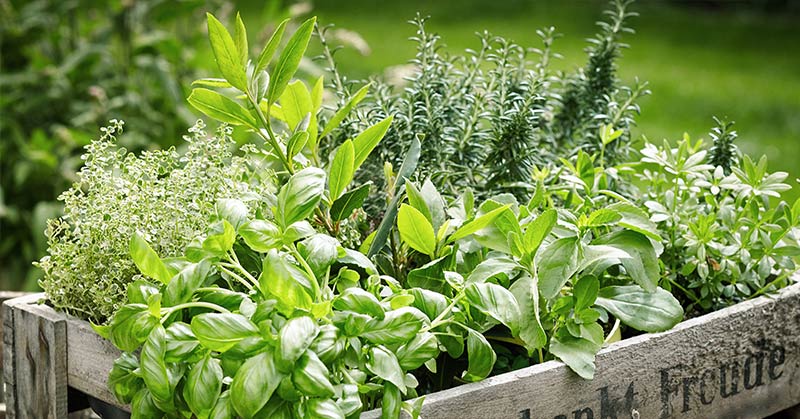
Even if you have a small garden, implementing crop rotation is entirely feasible and highly beneficial. Start by dividing your garden into sections or beds, allowing you to rotate different plant families each season without requiring a large space. For instance, dedicate one bed to leafy greens, another to root vegetables, and a third to legumes. This simple division makes it easier to plan and execute a rotation schedule that maximizes the health and productivity of each section.
In small gardens, vertical gardening and container gardening can also be incorporated into your rotation plan. Utilize vertical space for climbing plants and containers for herbs and small vegetables, rotating these placements each year to prevent soil depletion and pest buildup. Additionally, utilizing companion planting and intercropping within limited spaces can enhance biodiversity and soil health, ensuring that even the smallest garden plots remain vibrant and productive. With a bit of creativity and planning, crop rotation can transform your small garden into a thriving oasis that supports healthy plants and a balanced ecosystem!