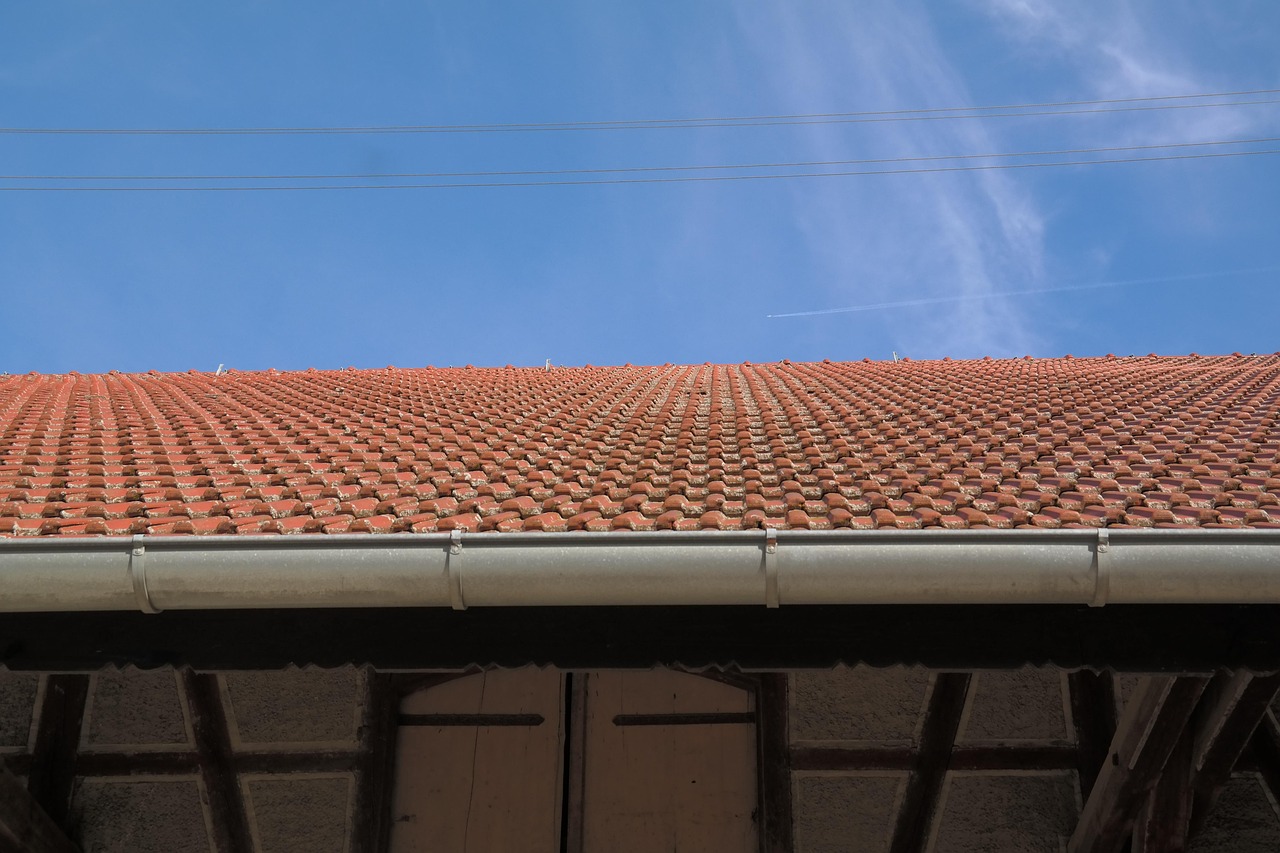

Most homeowners think of gutters as something to deal with in the fall, maybe once or twice, when the leaves pile up. It’s understandable. Gutters are easy to overlook when everything else about a home seems more pressing. The problem is that what looks like a minor inconvenience up near the roofline can quietly set off a chain of damage that reaches all the way down to your foundation, through your walls, and into your yard.
A 2025 survey by LeafFilter gutter protection found that 4 in 10 homeowners have experienced damage to their home from clogged or poorly maintained gutters. That’s a significant share of the housing stock affected by something entirely preventable. The damage doesn’t stay neatly contained to one part of the house, either. It spreads, and it compounds.
The Scale of the Problem: How Often Gutters Are Actually Neglected
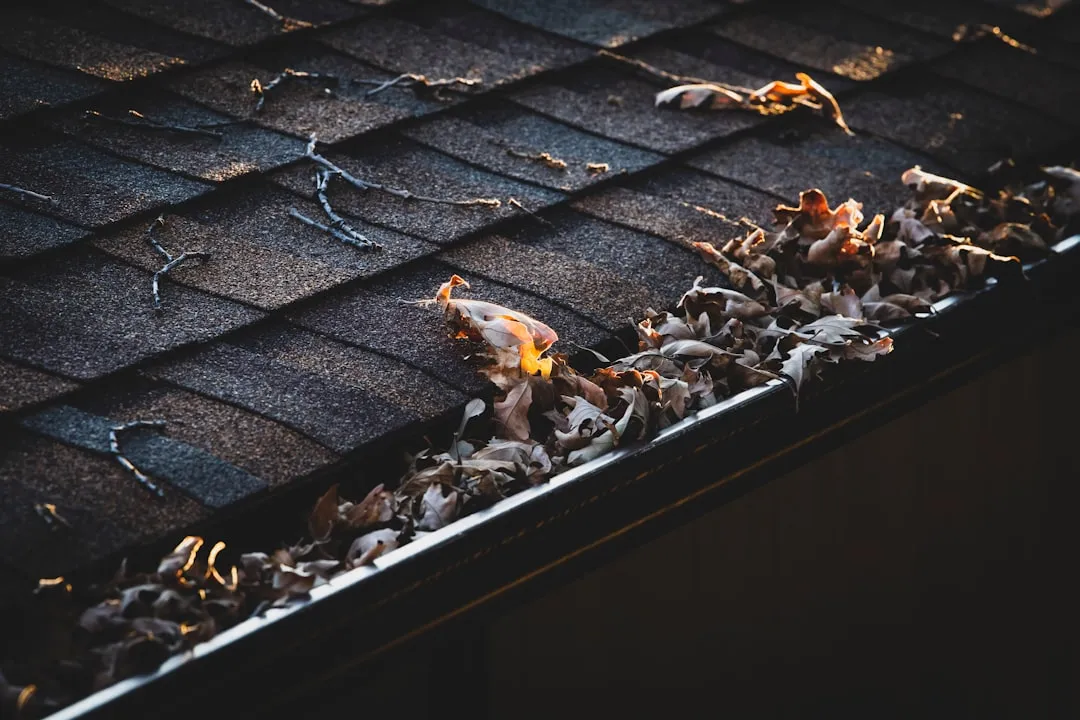
Many homeowners neglect their gutters, treating maintenance as an afterthought. Roughly two in five homeowners clean or inspect their gutters only once or twice a year, while more than one in four wait until a problem arises before doing anything at all.
Homeowners tend to focus on clogs rather than the downstream damage they cause. When surveyed about their biggest concern with gutter maintenance, nearly half cited leaves and debris, while only around one in six mentioned foundation damage.
More than a third of homeowners spend nothing on gutter upkeep at all, risking both injury and missed problems. The gap between what people know they should do and what they actually do is wide enough to cause real harm.
Foundation Damage: The Costliest Consequence
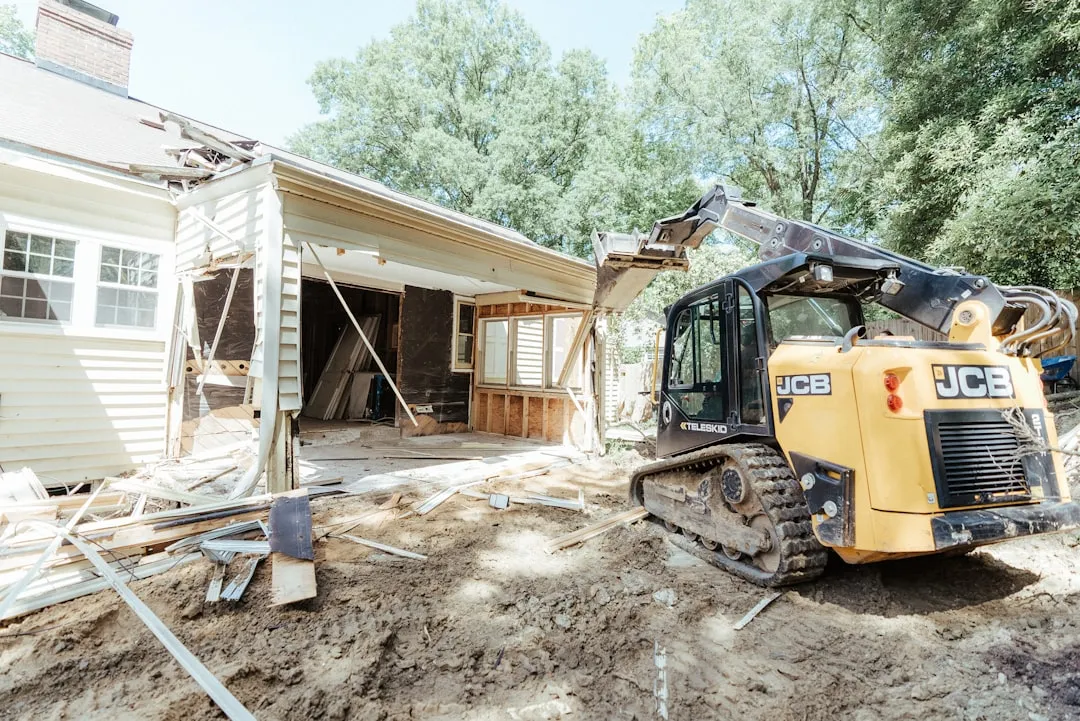
Foundation damage occurs when overflowing water saturates the soil around your home’s base. Clay soils expand when wet, creating pressure against foundation walls. That pressure doesn’t announce itself with obvious cracks right away. It builds over time.
As soil becomes saturated, groundwater pressure builds and pushes against foundation walls. Wet soil expands, and dry soil contracts. This repeated movement stresses foundation walls and footings.
Foundation repairs are among the most costly home repairs homeowners face. From crack injections to full foundation stabilization, homeowners can spend anywhere from $5,000 to $25,000 or more addressing damage that started with clogged gutters. Homeowners in 2026 can expect to pay an average of $5,100 for foundational repairs in less severe cases, with the bill climbing quickly from there.
Basement Flooding and Interior Water Intrusion
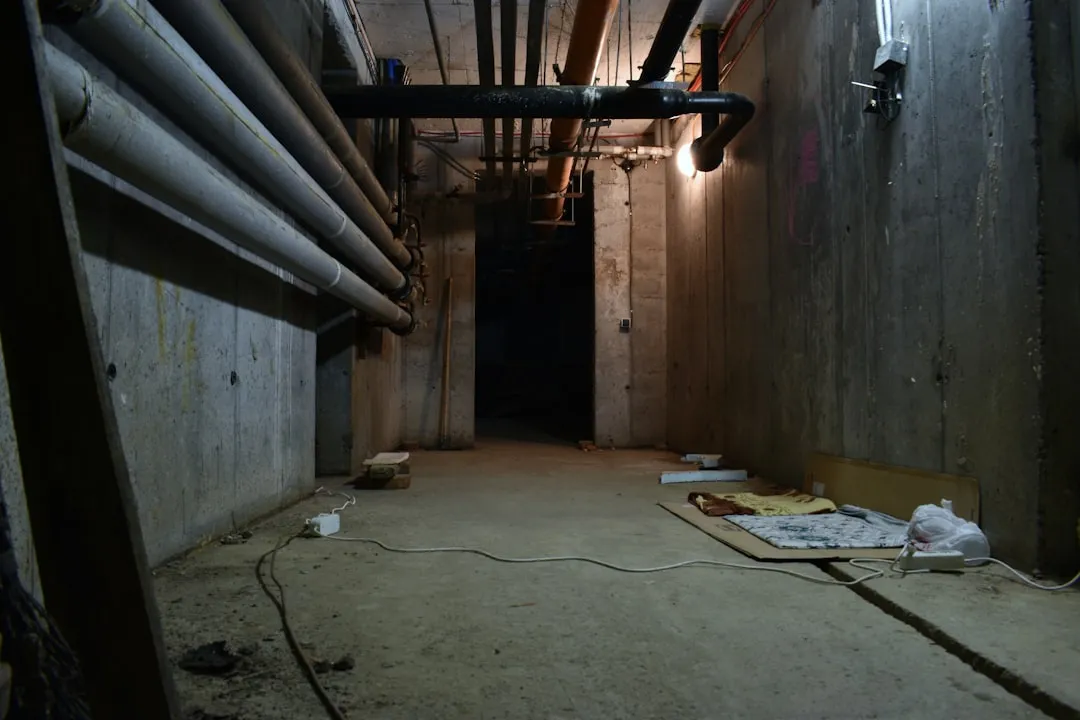
One of the most expensive consequences of clogged gutters is basement flooding. Once water seeps into cracks, it can flood finished or unfinished spaces, damaging flooring, furniture, and stored items.
Clogged gutters force rainwater to overflow down your home’s sides, where it pools around the foundation and seeps into the basement through cracks. Water pooling near your foundation creates hydrostatic pressure that weakens surrounding soil, leading to foundation breaks, erosion, and damage to wooden support structures.
Poor drainage allows water to seep into crawl spaces or living areas, causing water damage and mold. Cleanup and remediation can easily exceed $10,000. By that point, what started as a blocked downspout has become a full-scale interior restoration project.
Roof and Fascia Rot: The Damage Closest to the Gutter
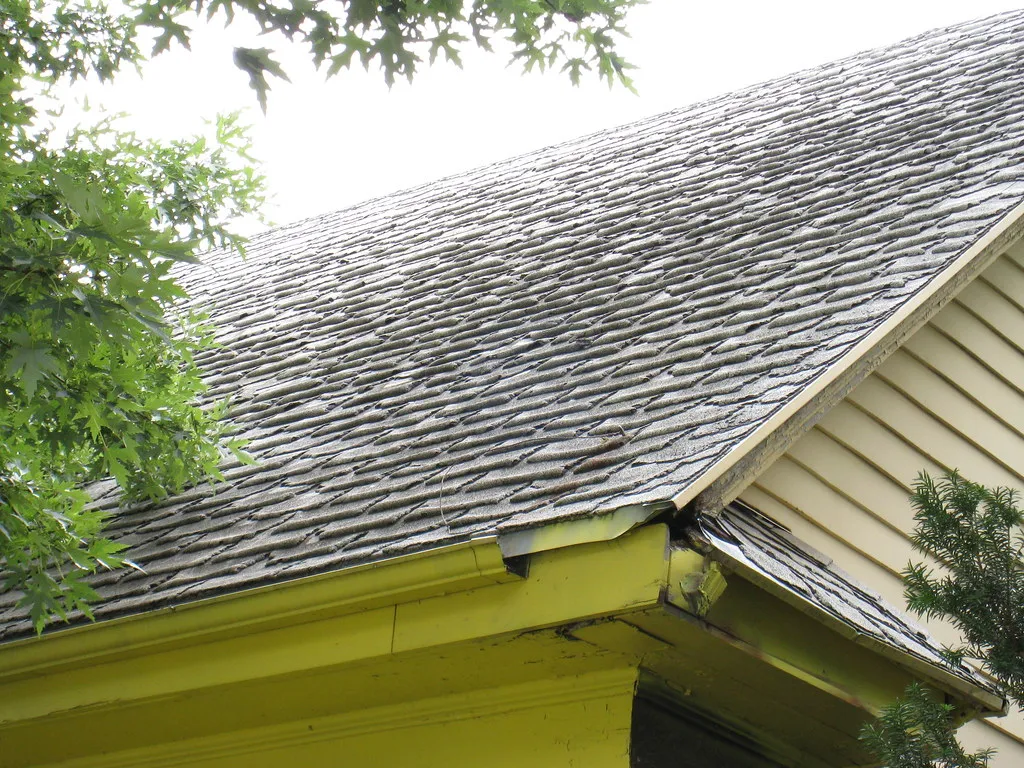
Over time, persistent moisture exposure can weaken roofing materials, causing wood rot, mold growth, and even structural damage. If gutters are not regularly maintained, homeowners may find themselves facing expensive roof repairs or replacements.
The added weight of standing water and debris can cause gutters to bend, break, or even detach from the house entirely. Overflowing water also causes damage to the fascia boards behind the gutters.
Fascia and soffit replacement is a recognizable repair cost for neglected homes. For an average one-story home with around 250 linear feet, installation typically ranges from $1,500 to $4,000. That’s a meaningful expense for something that good maintenance largely prevents.
Ice Dams in Cold Climates
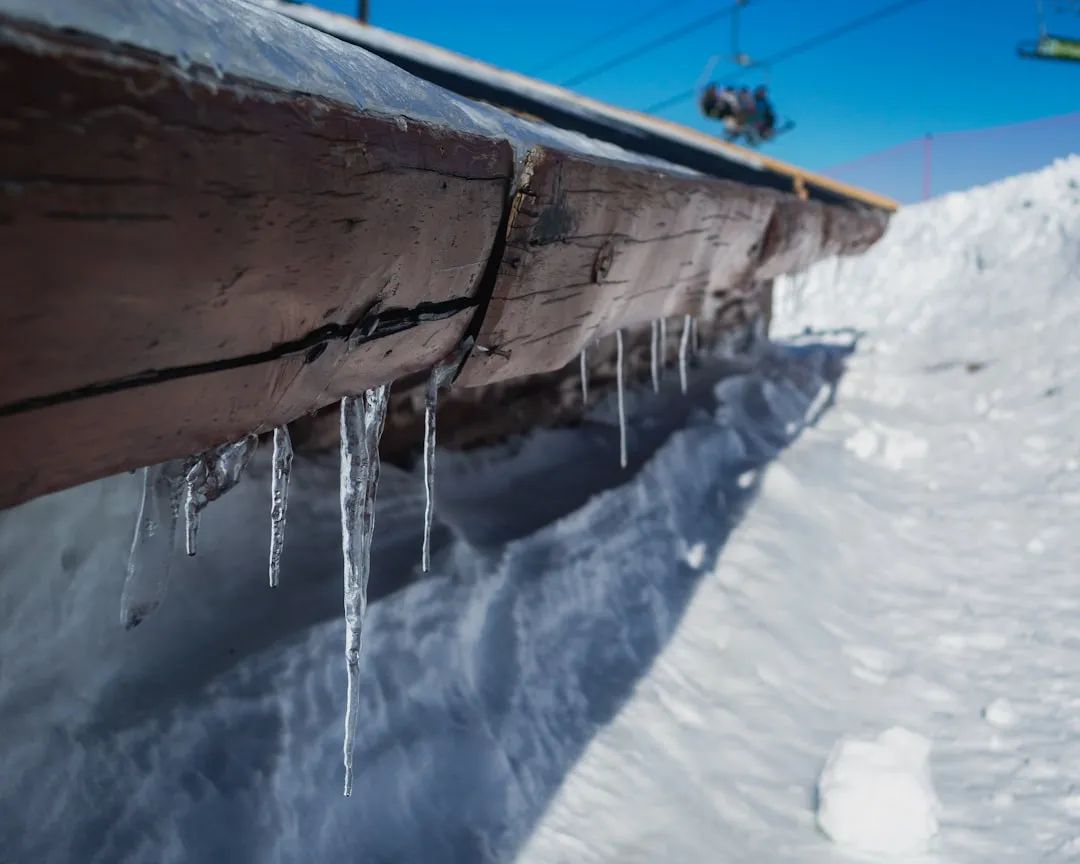
Ice damming in colder climates represents one of the most destructive overflow scenarios. When gutters can’t drain properly, standing water freezes and expands, potentially cracking gutter materials and creating ice barriers that force subsequent water under roof shingles.
Winter makes things considerably worse in colder regions. Trapped water freezes at the roof’s edge, forming ice dams that then push moisture backward under shingles with each freeze-thaw cycle. The damage tends to be hidden until spring, when the repairs become unavoidable.
What makes ice dams particularly tricky is that they often go undetected during the months when they’re forming. By the time interior water stains appear on ceilings, the structural damage may already be significant.
Mold Growth: A Health Risk, Not Just a Structural One
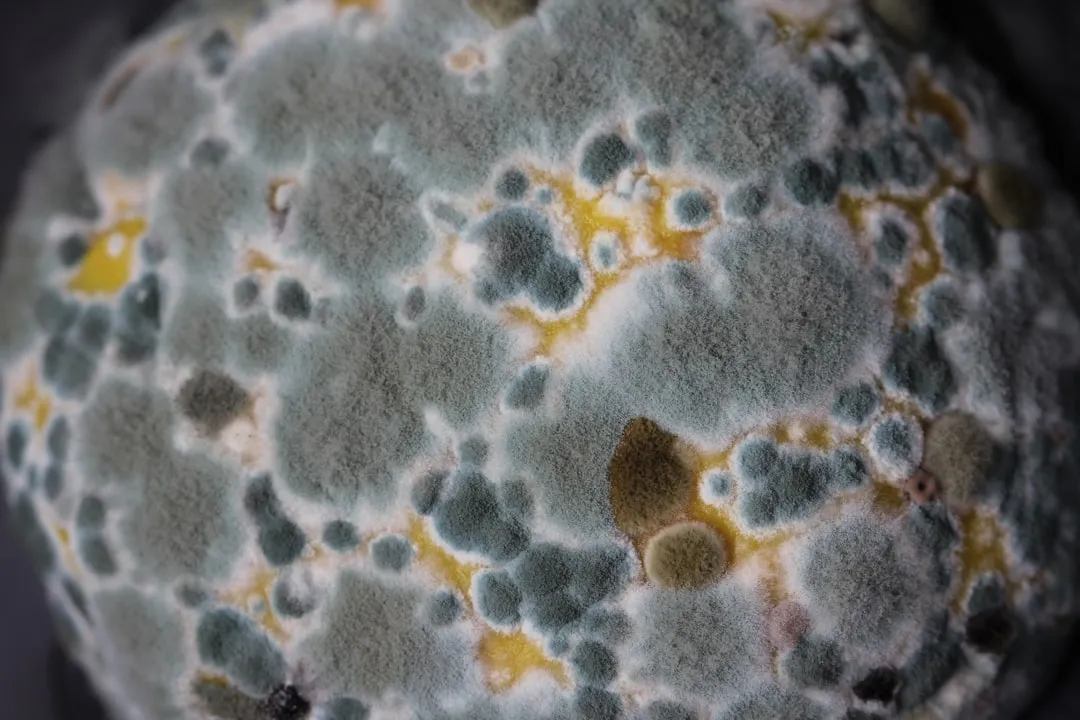
Moisture near the foundation often leads to mold growth in basements and crawl spaces. This isn’t just a structural issue, it’s a health risk for your family.
The moisture from overflowing gutters can seep into walls and the attic, creating the damp conditions that mold needs to thrive. Mold spores can trigger allergies, respiratory issues, and other health problems.
Professional mold removal is essential for protecting a family’s health and can be very expensive. For a typical mid-scale project, expect to pay between $1,200 and $3,700. Costs can climb significantly with whole-house remediation, ranging from $10,000 to $30,000.
Pest Infestations Traced Back to the Gutter Line

Standing water and damp debris in a clogged gutter create an ideal environment for pests. The stagnant water in a blocked gutter is a perfect breeding ground for mosquitoes, which can carry diseases and make yards unusable. Other insects are also drawn to the damp, decaying organic matter.
Clogged gutters offer a safe, sheltered place for birds, squirrels, and rodents to build nests. Once those animals find a foothold near the roofline, the chances of them working their way into the attic increase considerably.
Stagnant water in clogged gutters creates a breeding ground for mosquitoes and attracts rodents or insects. Pest treatments are ongoing costs, and infestations put a family’s comfort and health at risk. It’s a cycle that’s far harder to break than it is to prevent.
Landscaping and Soil Erosion
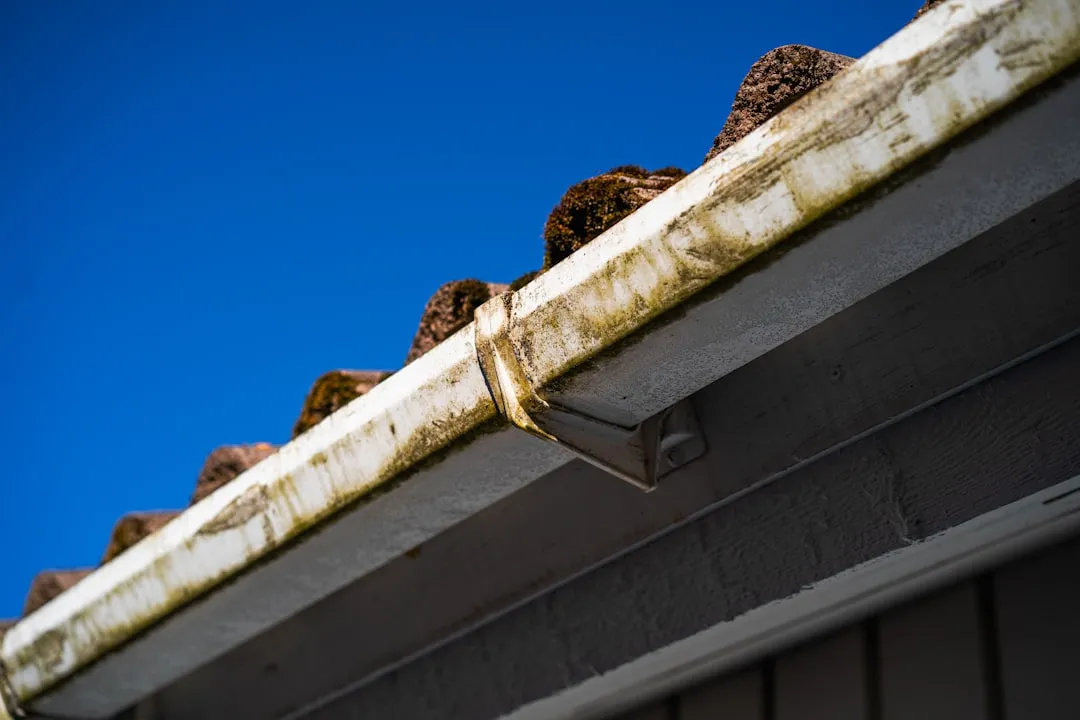
A clogged gutter system can destroy landscaping. Uncontrolled water overflow washes away mulch, destroys flower beds, and erodes the soil around the home. This soil displacement can alter the grading of the property, causing water to pool directly against the foundation.
When water falls in heavy sheets instead of flowing through downspouts, it can wash away mulch, damage flower beds, expose roots, and erode soil across the landscape. Hardscaping can also take a hit, as dirty roof runoff stains walkways, patios, and driveways, with repeated overflow making erosion and staining more noticeable over time.
Driveways and sidewalks may experience water leakage from clogged gutters, which over time results in noticeable cracking. These fissures result in shifting and damage that are both expensive to fix and hard to deal with. If you ever decide to sell your property, these damages will eventually ruin curb appeal and lower market value.
Siding and Wall Damage Below the Gutter
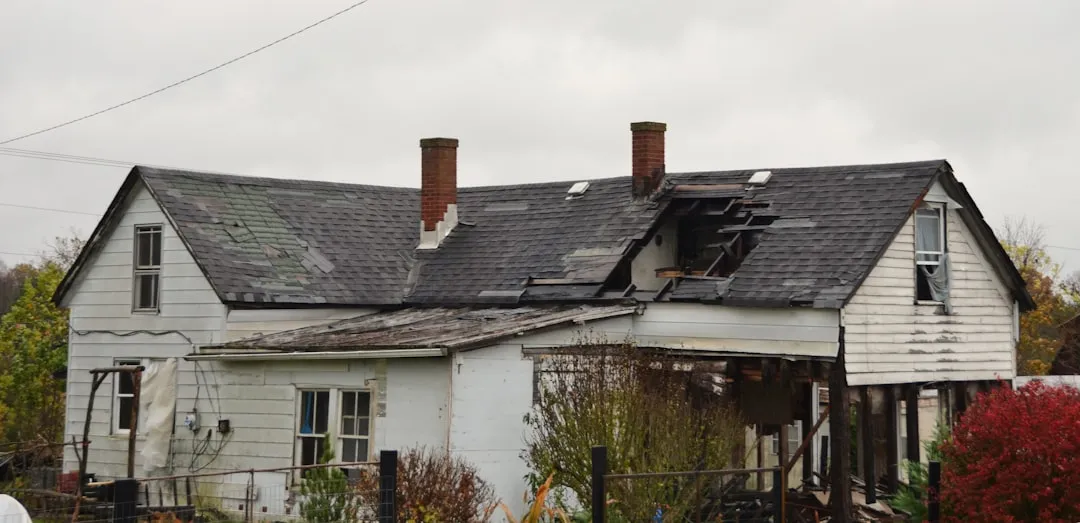
When clogged rain gutters overflow, water can seep into your home’s walls and ceilings, leading to severe damage, including stained walls and peeling paint as water cascades down the exterior.
Over time, siding can absorb that moisture, paint starts to bubble and peel, and wooden trim weakens. Repairing this isn’t cheap. National cost data shows that replacing damaged siding or repainting a water-stained exterior can easily run into thousands of dollars.
The effect of excessive rainwater flowing down the walls of a building, particularly where it is concentrated at one point, may cause significant or irreparable damage. Concentration is the key word. Gutters distribute water across a controlled path. When that path fails, all of it hits the same spots repeatedly.
What Prevention Actually Looks Like
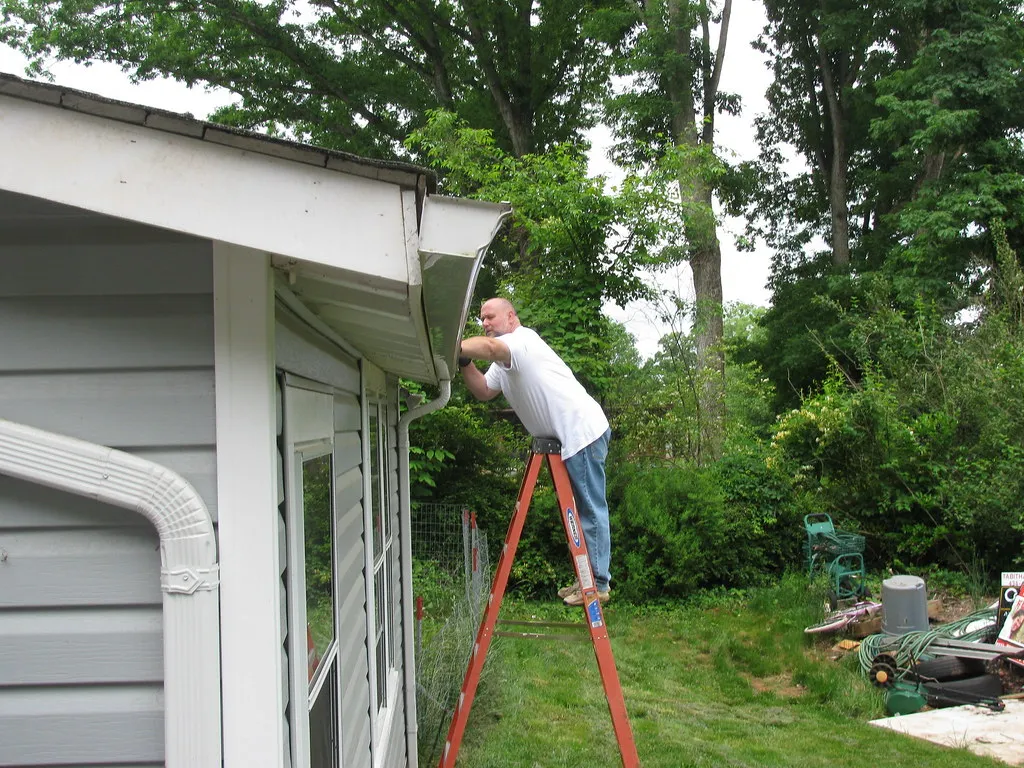
Inspecting and cleaning gutters twice per year and after heavy storms is the baseline recommendation to prevent debris buildup that blocks water flow and causes overflow. It’s a modest time investment compared to the repairs that follow inaction.
Just over half of homeowners handle gutter maintenance on their own, compared to about one in five who hire professionals. Either approach can work well, provided it’s done thoroughly and on a consistent schedule. The issue is consistency, not who holds the ladder.
The cost of repairing damage caused by clogged gutters consistently outweighs the cost of preventive gutter maintenance. That math doesn’t change regardless of the age of the home, the climate, or the size of the property. Staying ahead of the problem is almost always the cheaper path.
The Takeaway
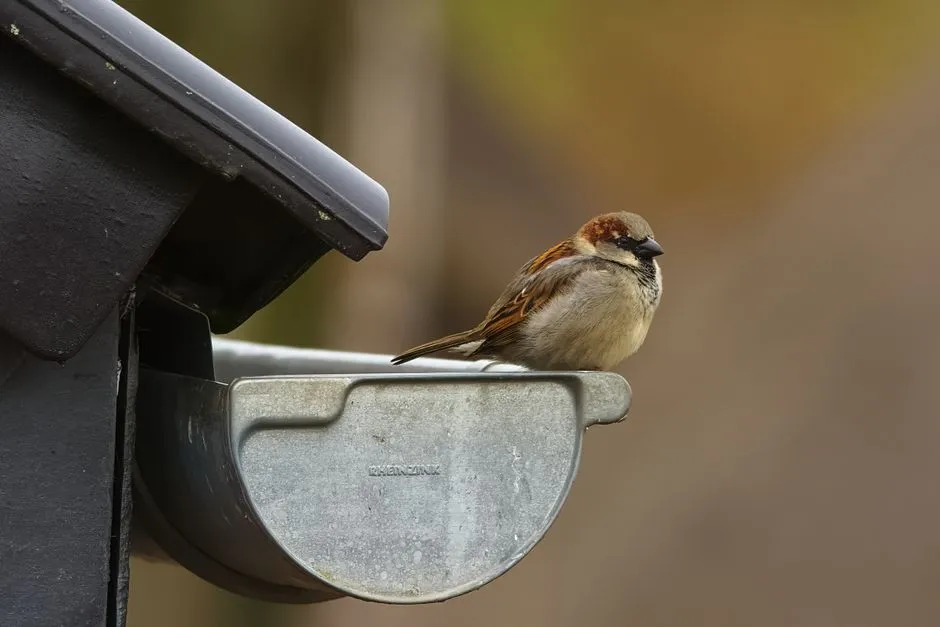
Gutters are easy to ignore right up until they’re impossible to. The damage they cause when neglected doesn’t stay neatly in one category, it spreads from the roofline down through the walls, across the foundation, and into the yard. The cost of neglecting gutters goes well beyond water spilling over the sides. Left unaddressed, clogged gutters can contribute to roof damage, siding stains, fascia rot, foundation repairs, basement moisture, mold growth, pest infestation, and landscape erosion.
None of this is inevitable. The system works when it’s maintained. A cleared gutter and a properly directed downspout are, in practical terms, one of the more cost-effective things a homeowner can do. The risk isn’t in the gutter itself. It’s in assuming someone else will deal with it later.
AI Disclaimer: This article was created with the assistance of AI tools and reviewed by a human editor.