

The Protective Coating That Changes Everything

When a hen lays an egg, she deposits a thin, nearly invisible coating over the shell in the final moments before it emerges. This coating, known as the bloom or cuticle, is a waxy, protein-based layer that seals approximately 10,000 microscopic pores in the eggshell, creating a physical barrier against bacteria, moisture loss, and contamination. It’s a remarkably effective natural defense system.
Just as a hen is about to lay an egg, she applies this liquid coating that naturally protects against contamination and helps prevent moisture and carbon dioxide loss, which in turn leads to an overall degradation of quality. The layer is still wet when the egg emerges but quickly dries within a few minutes. Think of it as the egg’s built-in shrink wrap.
According to EU egg marketing regulations, this cuticle provides “an effective barrier to bacterial ingress with an array of antimicrobial properties.” That single biological feature sits at the center of the entire global egg refrigeration debate.
What the USDA Requires and Why
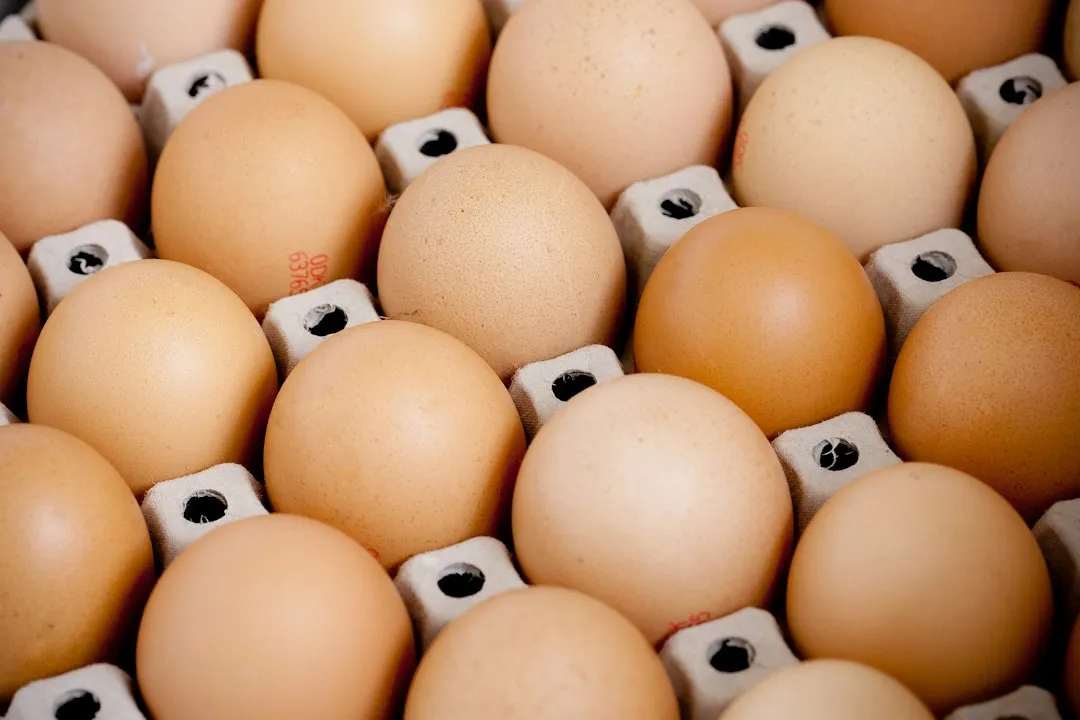
In America, eggs are refrigerated because the U.S. Department of Agriculture requires eggs sold for consumption to be washed, processed, and then refrigerated before they come anywhere near a store’s shelves. This mandate applies to any commercial producer of meaningful scale.
The USDA requires that all companies with 3,000 or more egg-producing hens clean the eggs before distributing them to consumers. The commercial process involves misting eggs with water, spraying them with soap or detergent, gently brushing them, applying an antimicrobial rinse, and then blowing them dry with air jets. The entire process is regulated jointly by the USDA, the FDA, and the EPA.
The USDA requires producers to wash eggs with warm water at least 20°F warmer than the internal temperature of the eggs, and at a minimum of 90°F. A detergent that won’t impart foreign odors must be used. After washing, the eggs are rinsed with a warm water spray containing a chemical sanitizer, then dried to remove excess moisture.
Washing Cleans the Egg, But It Also Strips the Shield

This cleaning process, while intended for safety, also strips away the natural protective coating that eggs carry when laid. Without this barrier, eggs become more susceptible to bacteria entering through the porous shell. It’s a genuine trade-off, not a straightforward win.
Washing does not remove salmonella that is already inside the yolk or white. In fact, removing the natural bloom from the shell actually increases the chances of other bacteria infiltrating the yolk and white. The washing targets surface contamination, not internal bacteria.
Even the USDA’s official Egg-Grading Manual concedes that research has shown that washing removes most of the cuticle. Once that layer is gone, the equation changes completely, and cold storage becomes the replacement defense.
The Cold Chain: Once You Start, You Can’t Stop

Because washed eggs lose their natural defense, the USDA mandates that they be refrigerated at or below 45°F within 36 hours of laying and kept cold throughout distribution and retail. This continuous cold chain minimizes bacterial growth, especially of Salmonella enteritidis, which can infect the inside of an egg even before the shell forms.
USDA regulations require eggs to be stored and transported at or below 45°F. This cold chain must be maintained from the processing facility all the way to the consumer’s home. If it breaks anywhere along the line, problems can follow quickly.
There’s also a condensation issue that makes it a one-way street. Once you start refrigeration, you have to maintain it through the whole value chain, from farm to store. If eggs that are cold are placed in a warm environment, they will start sweating. That moisture on the shell creates a pathway for bacteria to travel inward through the pores.
Europe Took the Opposite Approach

Most European and Asian countries have reached the opposite conclusion, requiring that table eggs not be wet-washed, and also not refrigerated. Rather than intervening after the egg is laid, Europe focused on preventing contamination before the egg ever forms.
This method relies heavily on preventive care: vaccination of hens against Salmonella, rigorous farm inspections, and rapid distribution. The EU’s strategy shifts the focus from post-harvest intervention to pre-harvest control, reducing reliance on refrigeration without compromising safety.
Interestingly, USDA-graded eggs would actually be illegal if sold in the UK, or indeed anywhere in the European Union. It’s all to do with the fact that commercial American eggs are federally required to be washed and sanitized before reaching the consumer. The same is true in reverse: unwashed European eggs cannot legally enter U.S. retail shelves.
The Role of Hen Vaccination
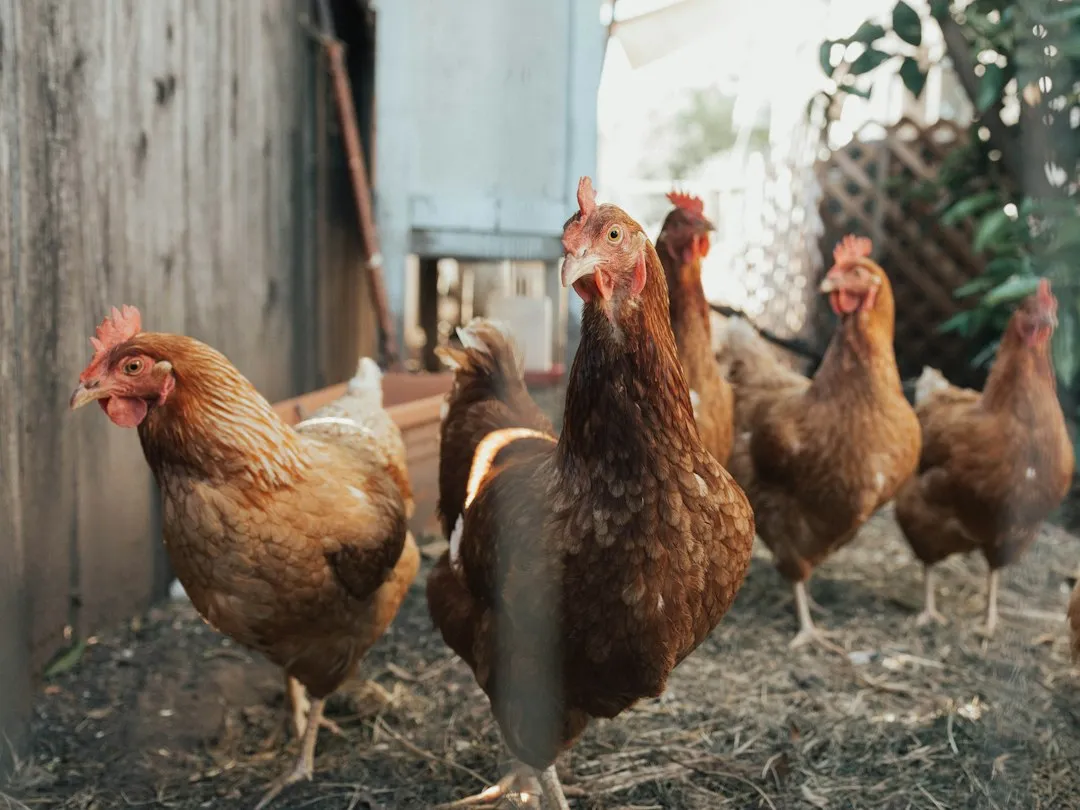
In the UK and several EU nations, egg-laying hens are vaccinated against Salmonella Enteritidis. This dramatically reduces the chance that a hen’s reproductive tract carries the bacteria in the first place. It’s a fundamentally different point of intervention in the food safety chain.
Research on commercial flocks showed that vaccinated hens had salmonella in their reproductive tracts at a rate of roughly 14 percent, compared to nearly 52 percent in unvaccinated hens. Gut colonization dropped substantially, and these reductions carried through the entire production chain, with lower contamination rates in chicks, farm environments, and birds entering processing plants.
In the U.S., vaccination is not required, but eggs must be washed and refrigerated from farm to store, and producers must follow a host of other safety measures. The US does not require salmonella vaccination for laying hens. That single policy difference explains much of the divergence that follows.
Salmonella: The Shared Problem Behind Both Systems

Both sets of regulations were arrived at as effective ways to solve the same problem: reducing exposure to salmonella, a bacteria that causes unpleasant, though non-life-threatening, illness. The destination is the same; it’s the route that differs completely.
Eggs contaminated by salmonella cause a reported 142,000 illnesses each year in the U.S., according to the FDA. That’s a number that keeps food safety agencies motivated to maintain strict protocols. Whether washing and refrigerating is the most efficient way to address it remains a point of genuine scientific discussion.
Many European countries do not refrigerate their eggs even though they experienced the same Salmonella epidemic during the 1980s. While the United States implemented regulations for egg washing and refrigeration, many European countries improved sanitation and vaccinated hens against Salmonella to prevent infection in the first place. The UK’s herd vaccination program brought Salmonella cases to their lowest level in decades.
Shelf Life: Refrigeration’s Quiet Advantage

According to the USDA, eggs will keep for three to five weeks in the refrigerator after purchase, even if that takes them past their sell-by date. That means refrigerating eggs gives consumers a better chance of using them all before they go bad, even with infrequent cooking.
A key perk of consistent refrigeration is the shelf life it affords: it jumps from about 21 days to almost 50 days. For a country with vast geography, large distribution chains, and extended retail timelines, that added window matters enormously at an industrial scale.
Some U.S. processors coat their eggs in mineral oil after washing them, which greatly extends the shelf life of washed eggs, and this coating in combination with refrigeration can extend the freshness of eggs by at least a month. It’s a practical workaround for the bloom that was removed during washing, though it’s not quite the same thing.
The Egg Refrigeration Debate During the 2025 U.S. Egg Shortage

The regulatory gap between U.S. and European egg standards came into sharp focus in early 2025, when a severe bird flu outbreak sent American egg prices soaring and the USDA began exploring emergency imports from Europe.
One of the biggest obstacles to importing European eggs was the approach the United States takes to preventing salmonella contamination. U.S. food safety regulations require fresh eggs to be sanitized and refrigerated before they reach shoppers, while in the European Union, safety standards call for Grade A eggs to be sold unwashed and without extended chilling. The two systems are simply incompatible at the retail level.
Germany, Italy, Poland, and Sweden were among the nations the U.S. Department of Agriculture approached to address the shortage brought on by the bird flu outbreak. Yet bridging the regulatory divide proved harder than the politics involved, highlighting just how deeply entrenched each country’s egg safety philosophy really is.
Neither System Is Objectively Better
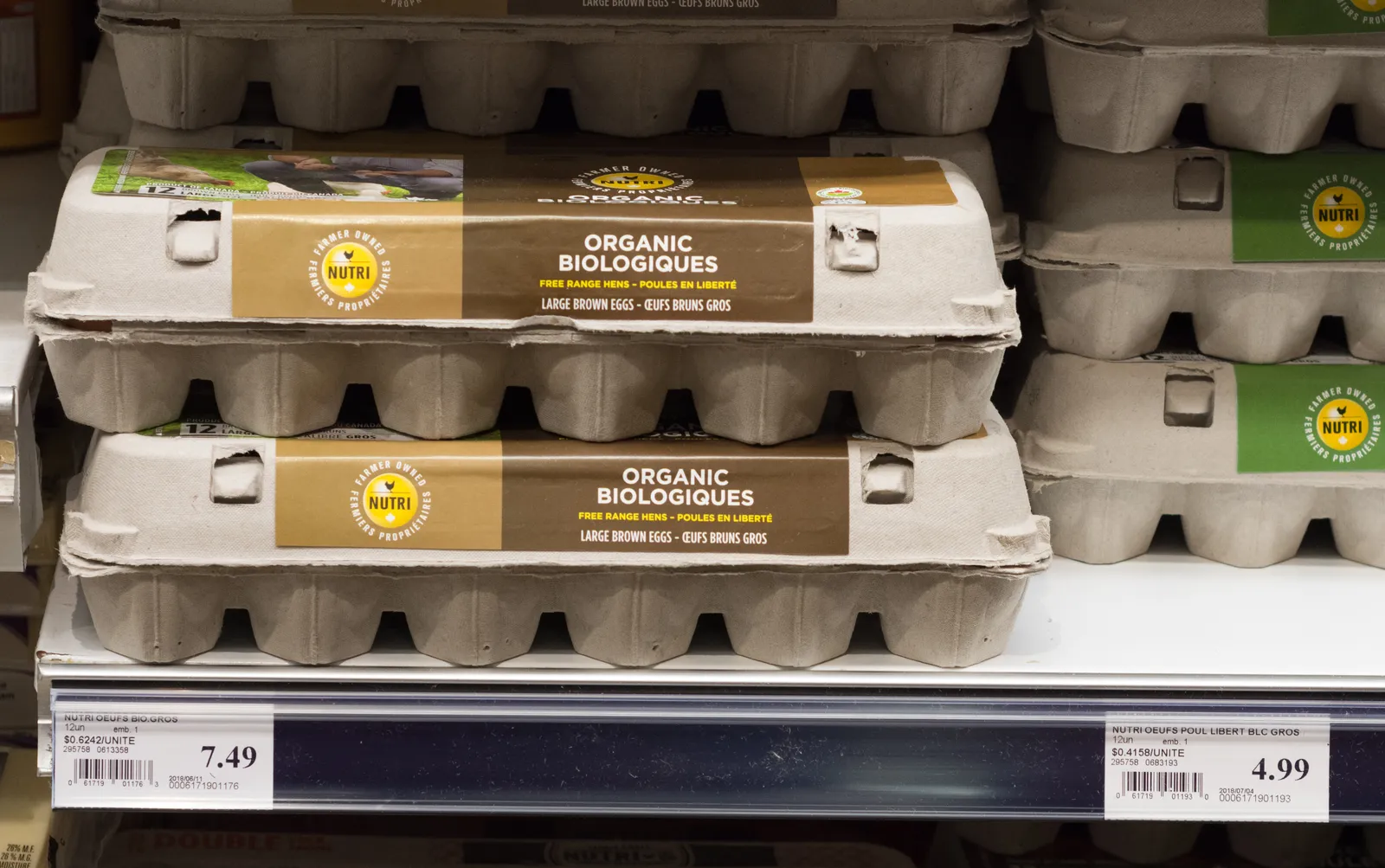
The U.S. mandates washing and refrigeration to remove surface bacteria, while the EU bans washing to preserve the bloom and relies on flock vaccination at the source. Both systems have similar safety records. The key constraint: washed eggs must be refrigerated, while unwashed eggs can be kept at room temperature.
Neither side of the Atlantic has a massive food safety crisis. The American system depends on an unbroken cold chain, while the European system depends on healthier flocks. Both carry their own costs, vulnerabilities, and assumptions about where in the process intervention is most effective.
In a lot of countries, consistent refrigeration simply isn’t possible because it’s too costly. That reality keeps the vaccination-and-no-wash model relevant well beyond Europe, particularly across parts of Asia, Latin America, and Africa where cold infrastructure is limited.
The Takeaway
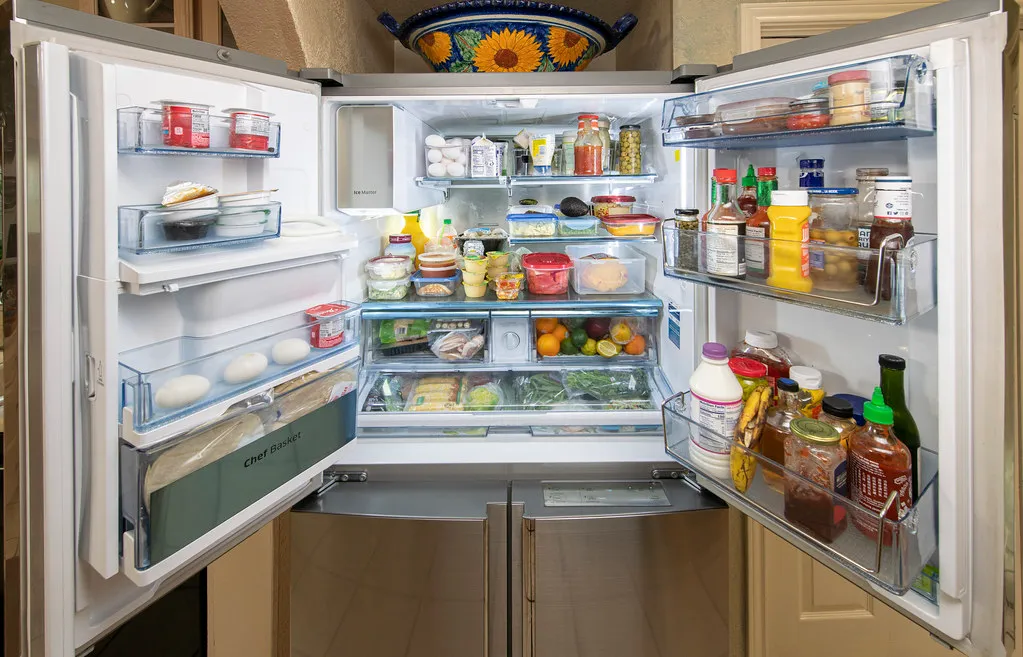
The egg refrigeration question is really a food policy question dressed up as a kitchen curiosity. It reflects two different answers to the same safety problem, shaped by decades of agricultural regulation, available infrastructure, and a fundamental choice about where to intervene in the food chain.
Americans refrigerate eggs not because it’s the only safe method, but because their industrial system washed away the one feature that makes room-temperature storage work. The bloom was removed; refrigeration filled the gap. Europe kept the bloom and vaccinated the hen instead. Both approaches are coherent on their own terms.
What it ultimately shows is that food safety is rarely just about biology. It’s about the choices a country makes at the farm gate, and how those choices lock in everything that has to happen afterward.
AI Disclaimer: This article was created with the assistance of AI tools and reviewed by a human editor.