

The Great Stuff Transfer Is Already Underway
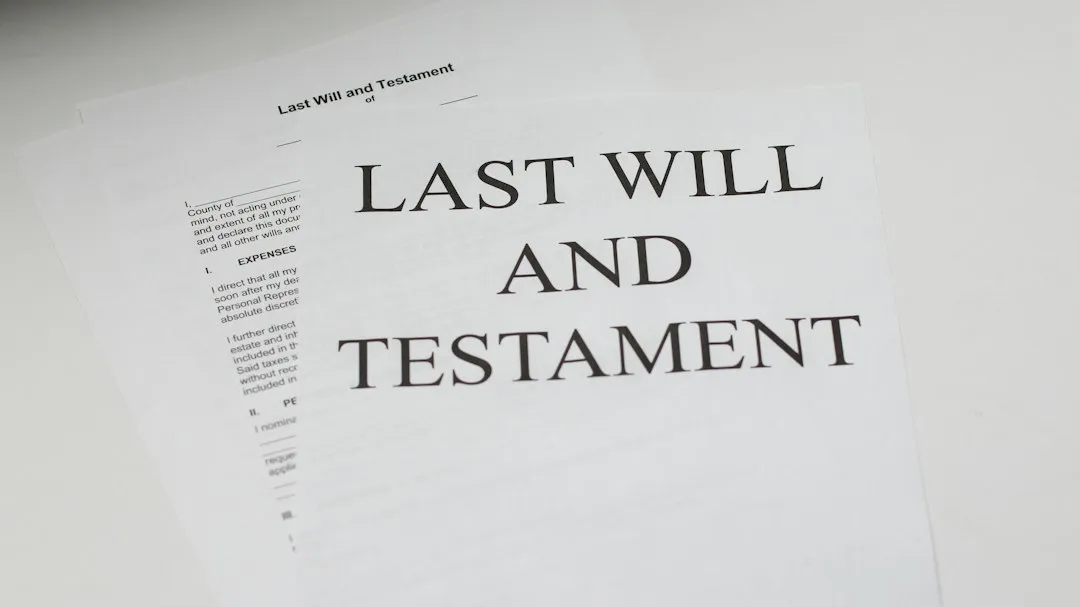
A record 340,000 U.S. homes were passed down through inheritance between August 2024 and August 2025, according to Cotality. That number is only expected to climb. There is an estimated $124 trillion that baby boomers and older generations will pass on between 2024 and 2048 as part of the so-called great wealth transfer, according to research from Cerulli Associates.
What financial projections rarely capture, though, is the physical dimension of that transfer. Along with property titles and bank accounts, families are passing down garages full of tools, basements packed with furniture, and closets stuffed with clothing no one has touched in years. The house is often the least of it.
Most Adult Children Face an Overwhelming Cleanout

Recent real estate data reveals a sobering statistic: over 80% of adult children face the overwhelming and exhausting task of clearing out an entire house before they can list a parent’s home for sale. This process isn’t measured in days. Having to sort, pack, liquidate, and dispose of decades worth of belongings often takes months of physical effort and weekend labor, as well as thousands of dollars in unexpected costs, including house cleaning, haul-away services, storage unit fees, and estate delays.
In many cases, adult children are balancing their own full-time careers, raising their own kids, and navigating emotional grief at the same time they’re trying to manage all of this. The timing is rarely convenient, and the sheer volume of decisions required is exhausting.
Americans Simply Own Too Much Stuff
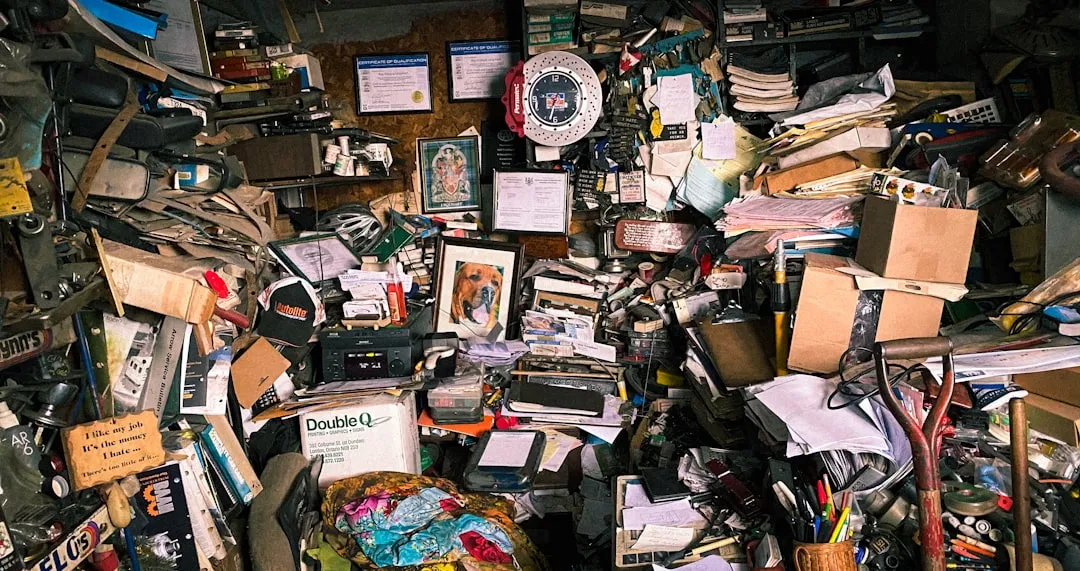
The average household size has declined to 2.61 persons while the average home has doubled in size since 1950. However, people continue to have problems with managing clutter and knowing what to do with everything they have accumulated. More space doesn’t translate to less clutter. If anything, it creates more room for things to pile up over decades.
A massive 42% of Americans report feeling overwhelmed by clutter in their homes either frequently or all the time. On top of that, an additional 28% experience clutter-related stress at least occasionally, suggesting that for roughly 70% of Americans, excess belongings are a recurring issue. Parents pass on these habits, and often the possessions themselves, to the next generation.
The Self-Storage Industry Tells Its Own Story

There are more than 50,000 self-storage facilities nationwide, more locations than all Subway, Dollar General, and CVS outlets combined. That number reflects something real about how Americans relate to their possessions. Overall, the self-storage industry is valued at around $44.3 billion, according to the 2024 Self-Storage Almanac published by MiniCo Insurance.
One out of 11 people in the U.S. rent storage space. When a parent dies, that rented storage unit often becomes one more item on the adult child’s to-do list. Roughly 25% of North American junk removal bookings between 2021 and 2025 were associated with a loss, inheritance, or estate cleanout.
Grief and Clutter Are a Difficult Combination
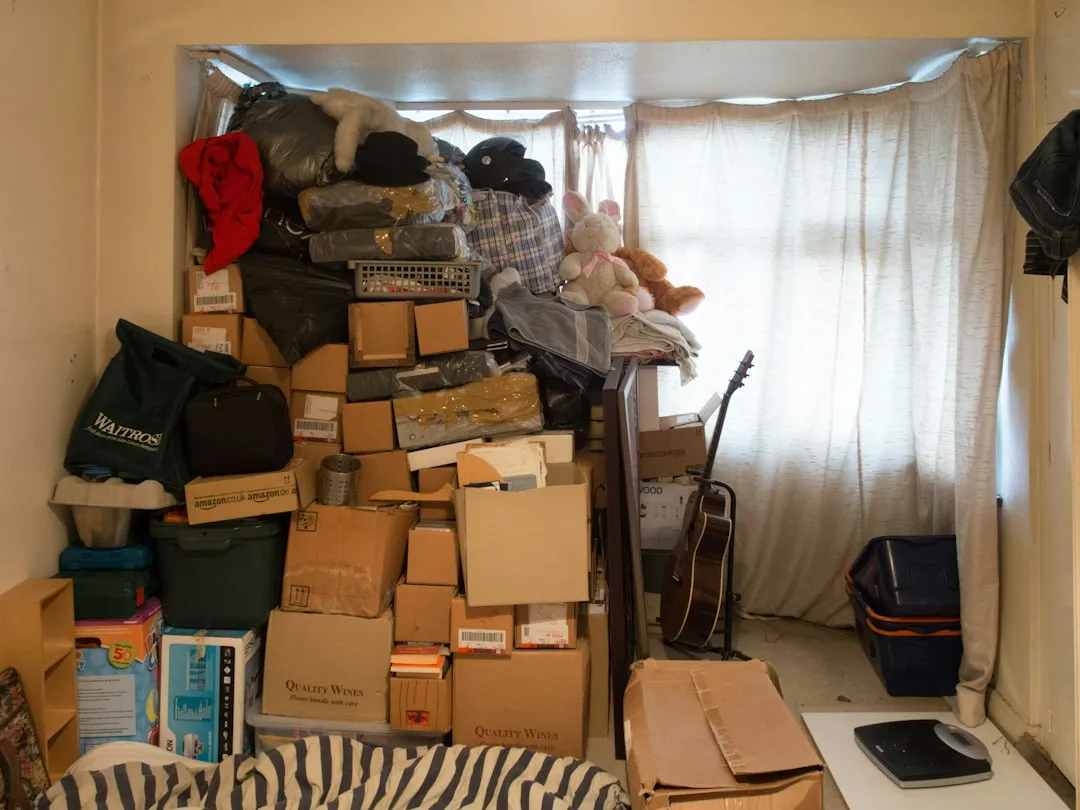
When you begin sorting through a parent’s home, you come across boxes of old toys, stacks of family photos, and collections of forgotten letters. Each item holds a story, a bit of history, and a flood of memories. Decluttering is really so much more than just a housekeeping chore. It is often an unforgettable, emotionally charged occasion.
A 2024 study published in JAMA Network Open, drawing on 2,034 adults, found presumptive prevalence rates of 30% for major depressive disorder and 34% for PTSD among bereaved respondents. Adding a prolonged, decision-heavy logistical burden to that state doesn’t just create inconvenience; it can delay the emotional processing that recovery depends on. Sorting through a parent’s belongings while grieving is a different experience than ordinary decluttering. Every drawer is a small confrontation.
The Hidden Financial Costs Add Up Fast
Storage units, junk removal, cleanout services, and extended timelines may result in thousands of dollars in out-of-pocket expenses. These costs catch many families off guard because they aren’t factored into estate planning conversations. Excess clutter can also conceal maintenance issues or damage in the home that may not be discovered until heirs are preparing it for sale.
Appraisers, estate sale professionals, and cleanout crews often need more time, and charge more, when a home is heavily cluttered. When time is limited, items that may have financial or sentimental value may be thrown away, donated, or overlooked. The pressure of a real estate timeline doesn’t leave much room for careful decisions.
Family Tension Often Comes With the Territory

Someone must take the lead, and one family member often ends up doing most of the work, which can create tension and resentment. This dynamic is one of the less-discussed consequences of inherited clutter. The division of labor rarely feels fair, especially when siblings live at different distances or have different schedules.
When multiple children inherit a property, questions about whether to keep, sell, or live in the home can make matters even more complicated. Disagreements about individual objects, such as who gets the dining table or what to do with collections no one actually wants, can fracture relationships that were already strained by loss.
Parents Often Don’t Know Their Kids Don’t Want the Stuff
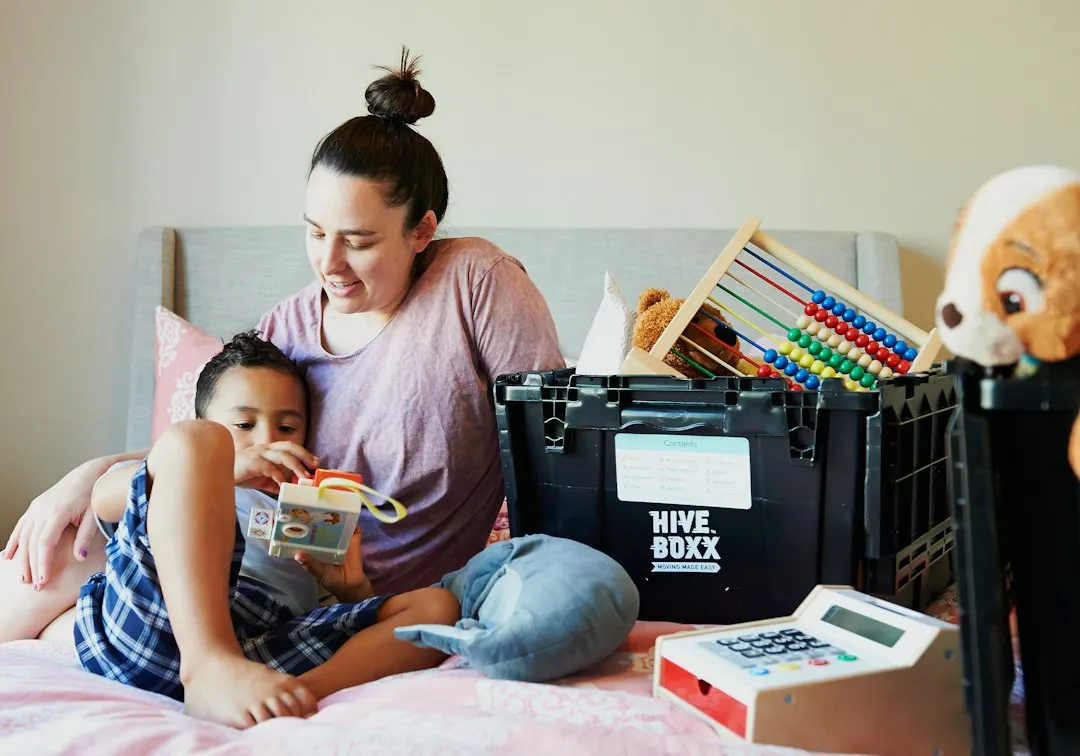
Many people go wrong when downsizing because their kids have grown up and moved out, yet they think their childhood belongings need to come along. Sometimes it’s because of the parent’s sentimentality and refusal to let go, even though the kids clearly expressed they don’t want boxes of old trophies. Other times, parents simply don’t have open conversations where they ask their children to either take or toss their childhood belongings.
According to the Northwestern Mutual 2025 Planning and Progress Study, only 20% of U.S. adults now expect to receive an inheritance, down from 25% in 2024. Meanwhile, 31% of adults plan to leave an inheritance or financial gift, up from 26% the year before. The gap between intention and expectation runs through physical possessions just as much as financial assets. Parents often assume their children value what they value. That assumption is frequently wrong.
The Psychology of Holding On
Order can actually reduce the overall effectiveness of downsizing, according to research from TCU Neeley School of Business, which examined the relationship between the orderliness of an environment and the decision-making process around parting with belongings. The research found that when people are emotionally invested in their possessions, tidying up before sorting can paradoxically make it harder to let things go.
Researchers found that if a person is waste-averse, they are even less likely to downsize, especially if working from an ordered set. Waste aversion amplifies the tendency to make comparisons within categories and to resolve conflict by retaining items. For older adults who lived through periods of scarcity, this psychological pull toward keeping things is deeply rooted and genuinely difficult to override.
The Conversation Most Families Never Have
About two-thirds of parents age 55 or older with at least $500,000 in investable assets haven’t told their grown children what they’ll inherit or if they’ll inherit anything at all, according to Fidelity Investments’ 2025 Family and Finance Study. If financial inheritance is rarely discussed, the physical one is discussed even less. Most families arrive at the cleanout with no prior plan and no shared understanding of what matters to whom.
If parents are considering downsizing to a smaller home, dealing with health changes that affect mobility, or dealing with the loss of a spouse, these moments, while difficult, can make the conversation feel more relevant and less like an accusation. Professional organizers are seeing more adults than ever overwhelmed by the amount of clutter they inherit from their parents and grandparents, and note that a more organized life starts with an open discussion about the emotions behind clutter. Timing matters, and so does framing.
The Takeaway

Inherited clutter isn’t a new problem, but its scale is growing in step with the largest generational wealth transfer in history. The houses are being passed down. So are the garages, the storage units, the spare rooms, and the emotional weight that comes with all of it.
The families who navigate this best tend to be the ones who started the conversation early. Not about money necessarily, but about things. What holds meaning, what can go, and who wants what. That kind of honesty is harder than it sounds, but it’s far easier than the alternative, which is figuring all of it out alone on a weekend, in an empty house that suddenly feels full.
AI Disclaimer: This article was created with the assistance of AI tools and reviewed by a human editor.