
The Numbers Tell a Quiet Story
In 2025, roughly three million cats entered shelters and rescues across the United States, a small increase from the year before. The overall cat adoption rate held steady at around 63 percent that year, up meaningfully from 57 percent back in 2019. Progress, clearly. Yet the age gap within that figure remains wide, with adult and senior cats consistently waiting longer for placement than kittens.
Kittens make up more than half of all feline shelter intakes, based on data from Shelter Animals Count. That means the demand for young cats far outpaces their actual share of the population in need. A baby cat has an adoption rate near 80 percent in many regions, while that number can drop significantly for cats over the age of five.
What You Actually Get: A Fully Formed Personality
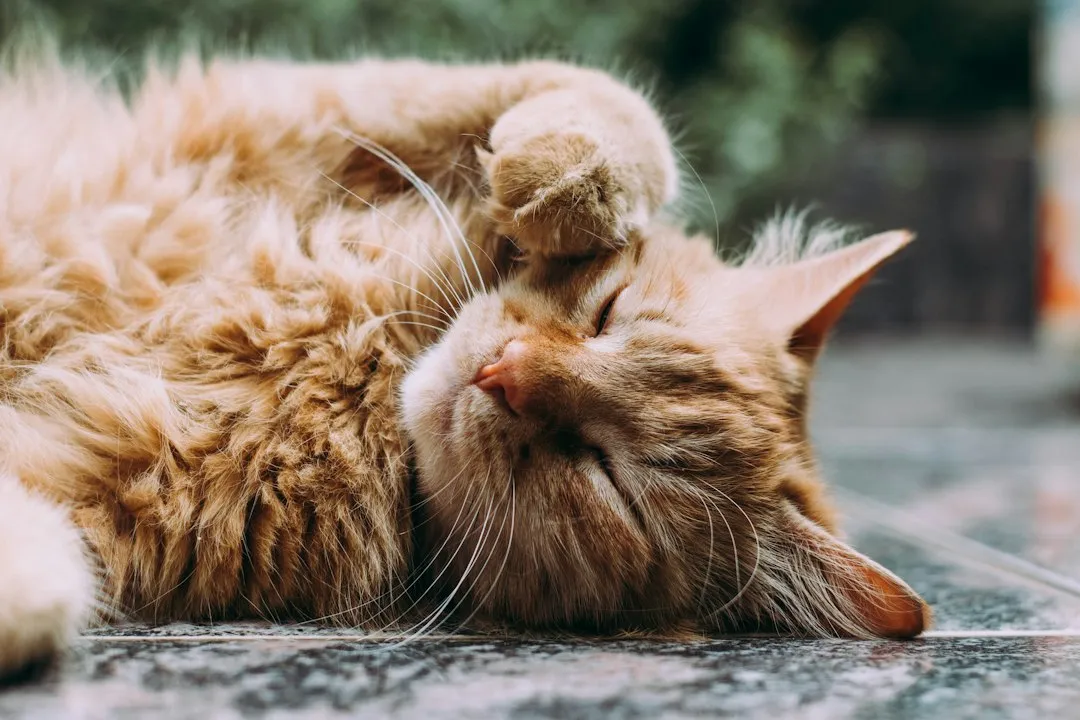
Unlike kittens, senior cats will have an established personality. A senior who is affectionate and calm at the shelter will bring that same energy home. This is one of the most practical and underrated advantages of adopting an older cat. What you see is genuinely what you get.
With a kitten, you’re making a long bet on how their personality will settle. Some become easygoing lap cats. Others turn into tiny domestic tornadoes for years. Kittens are hyper balls of energy. While they are cuddly, they are more often zipping around the house at top speed. Older cats are significantly calmer, generally loving to be petted or finding a patch of sun to nap in.
Litter Box Training: Already Done
When you adopt an older cat, you get a cat that knows what’s expected when it comes to toileting. Unlike a kitten who may need to be litter trained, an older cat is likely well-versed in the ways of a litter box and there will be few, if any, accidents. This is a genuinely underappreciated perk for first-time cat owners or busy households.
Older cats also have longer attention spans than kittens and usually catch on very quickly when it comes to adapting to new household rules or routines. The adjustment period, while still real, tends to be shorter and less chaotic than with a young kitten.
Lower Adoption Costs and Fees
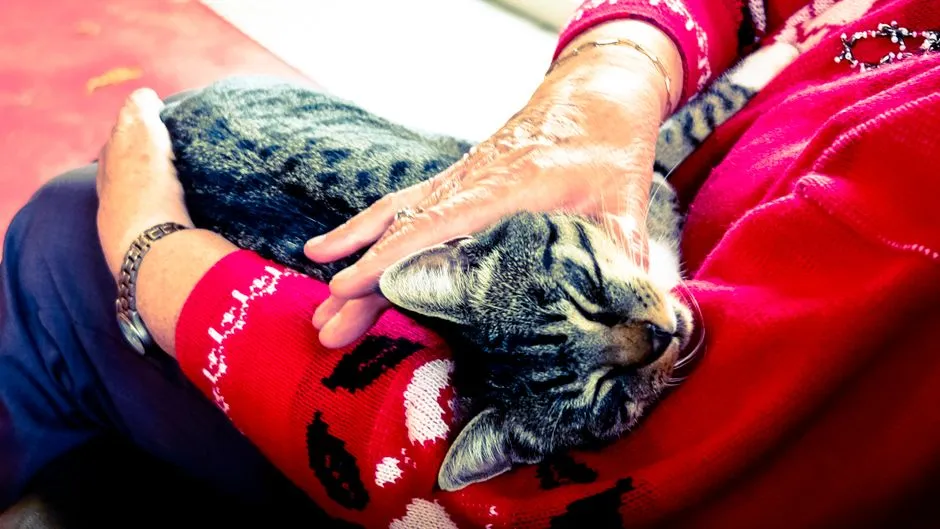
Because older cats tend not to be adopted as quickly as kittens, many shelters sweeten the deal by waiving adoption fees for cats more than a year old. In addition, these cats have already been spayed or neutered, so you’re saving there, too. When you add it up, the upfront cost of bringing home an older cat can be substantially lower than a kitten from either a shelter or a breeder.
Many shelters also run dedicated senior cat adoption promotions throughout the year, particularly around November’s National Adopt a Senior Pet Month. These often come with discounted or completely waived fees, as well as starter packs of food or supplies.
Better Fit for Children Than You Might Expect
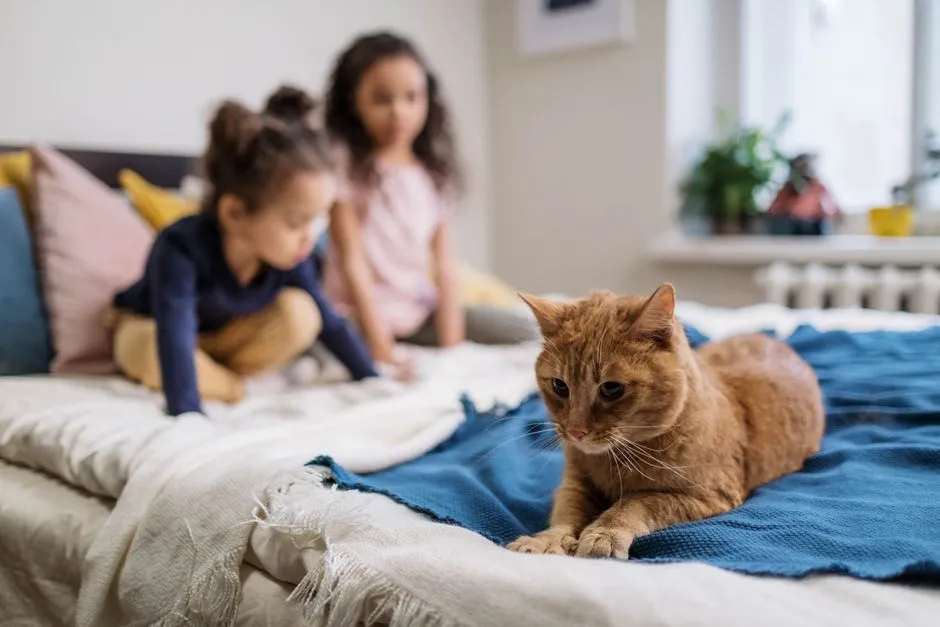
Older cats are more tolerant of little kids and generally more gentle. This often surprises parents who assume a kitten would be a more natural match for young children. In reality, kittens scratch and bite when overstimulated, which is simply how they play. An older cat typically knows its own boundaries and communicates them more clearly without escalating.
It is counterintuitive, but an older cat is often better with children precisely because they’ve learned patience. They’re not trying to wrestle with everything that moves. That steadier temperament tends to make household introductions smoother for everyone involved.
Senior Cats and Senior Humans: A Matched Pair
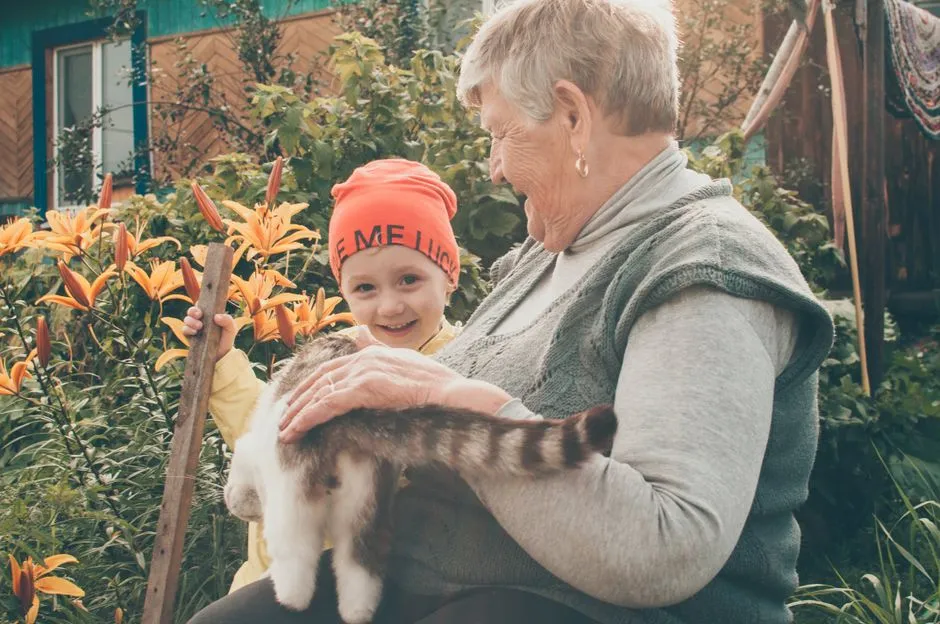
Older cats are calmer and gentler than kittens, making them ideal lap cats for seniors, and petting them has been shown to have a positive therapeutic effect. This pairing has become increasingly recognized in eldercare settings and among older adults living independently.
The bond between a senior person and a senior cat is often mutually healing. The cat gains stability and love in a home environment, while the person gains daily structure, emotional connection, and a sense of purpose. Research on homebound older adults who own cats found evidence of lower levels of depressive symptoms compared with dog owners.
The Mental Health Evidence Is Real
Cats offer emotional support and companionship, reduce stress and anxiety, encourage physical activity, enhance social interaction, and even stimulate cognitive function. These benefits are not just anecdotal. A growing body of human-animal interaction research supports them, particularly for older adults.
A study of nearly 8,000 older adults who lived alone found that having a pet was associated with a slower rate of cognitive decline, especially in verbal cognition, memory, and fluency. Research comparing cat companionship interventions showed significant improvements in loneliness and mental health, with real cat interactions linked to roughly a 45 percent reduction in loneliness scores and a 35 percent improvement in mental health metrics.
They’re Not “Someone Else’s Problem”
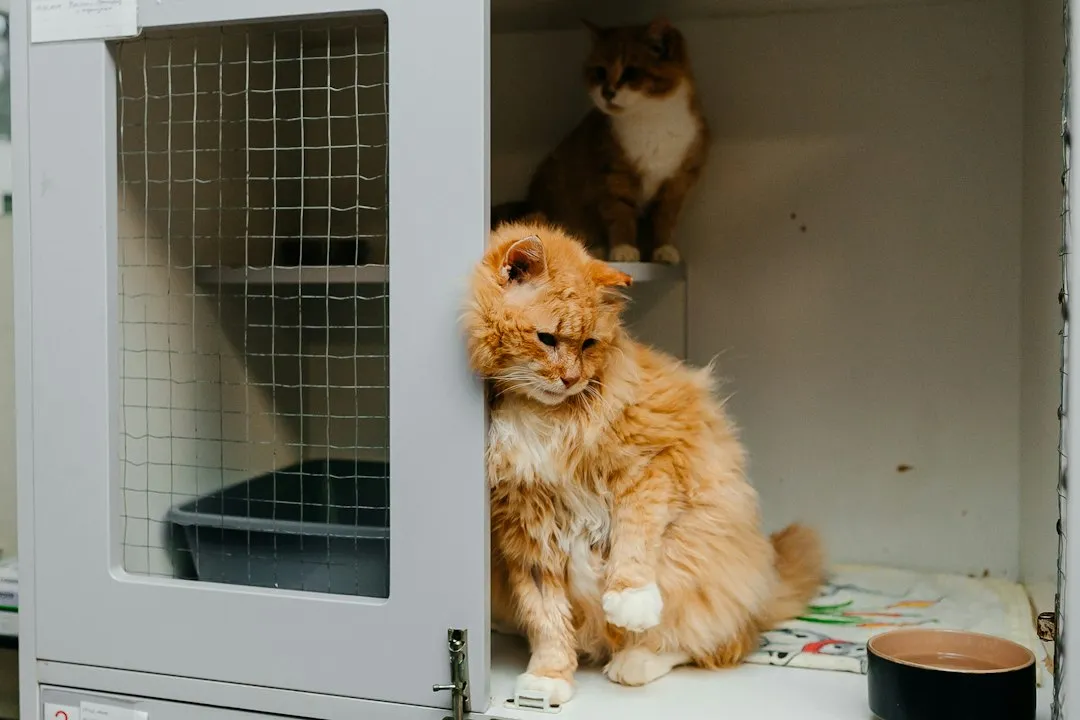
There are many reasons that pets end up in a shelter, and few, if any, are their fault. This is one of the most persistent myths surrounding older shelter cats, and it deserves a direct response. Owner death, divorce, moving to a no-pets building, allergies in the family. These are the real reasons most adult cats end up in the system.
Older cats aren’t usually surrendered because of behavior problems. Understanding that reframes the whole picture. You’re not inheriting a troubled animal. You’re often giving a well-adjusted cat a second chance after circumstances beyond its control.
Less Destructive by Nature
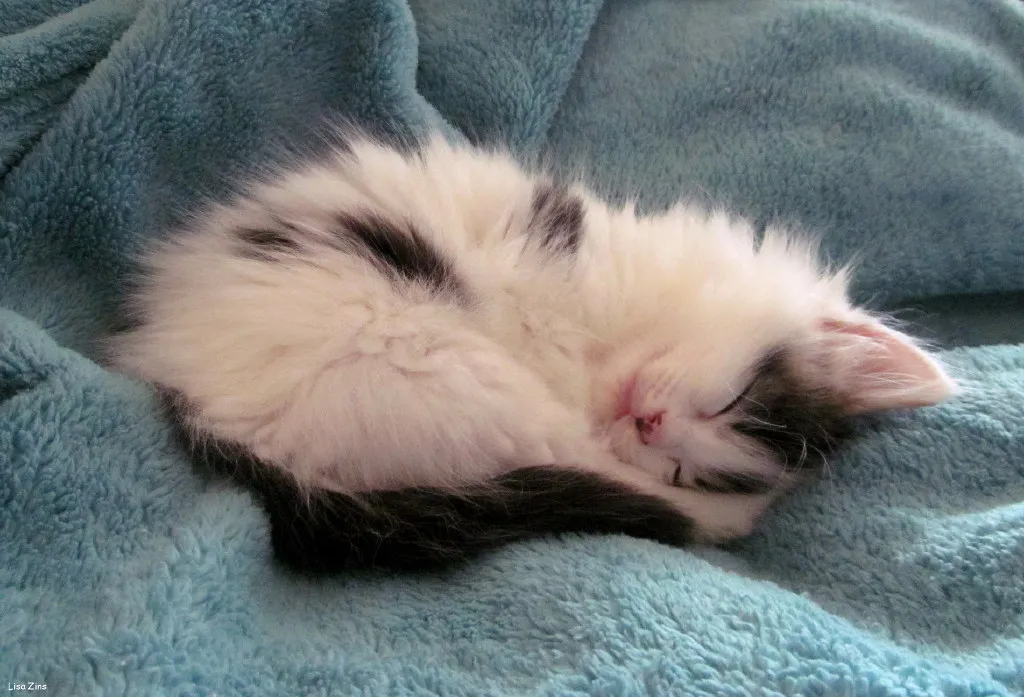
Kittens tend to think that precious items look better in pieces, while older cats have already gotten their energy out. Furniture, curtains, cables, plants, books left on tables. All of these are more vulnerable when you have a kitten in the house. An older cat has already moved through that phase of life.
This doesn’t mean older cats are inert or unplayful. Many remain curious and active well into their senior years. The normal lifespan of domestic cats is in the range of 13 to 20 years, which means a seven-year-old cat that you adopt could easily have a decade of good years ahead. The idea that you’re getting only a short time with an older cat is frequently an overestimate of how much their clock has run down.
Adoption Trends Are Improving, But the Gap Remains

For the first time since 2020, the number of animals euthanized in shelters has decreased. Between late 2023 and late 2024, euthanasia rates in shelters dropped by about 2.4 percent overall, with cats seeing a meaningful 5.1 percent reduction specifically. That’s real progress.
Cat adoptions rose by nearly 2 percent in 2024, and the momentum has continued. Research also shows that roughly 82 percent of senior cat adopters keep them until end of life, suggesting that people who do choose older cats tend to build lasting bonds with them. The retention rate alone should quiet concerns about regret or mismatch.
The Takeaway
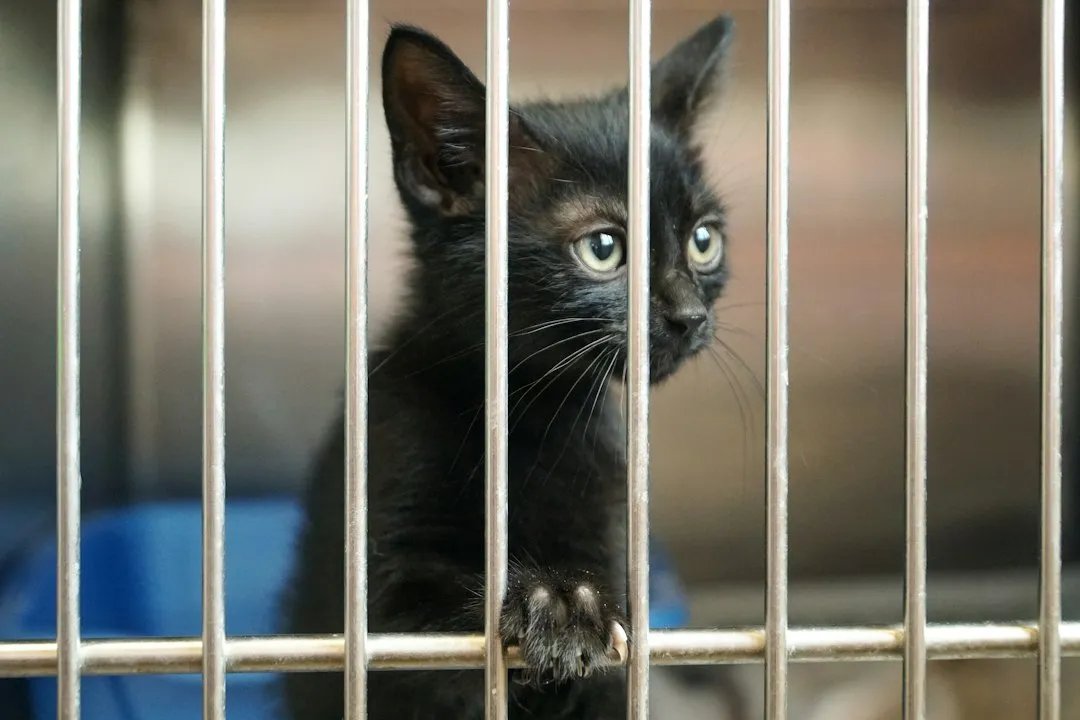
Choosing an older cat isn’t a consolation prize. It’s often a more considered, more compatible decision than reaching for the nearest kitten. The personality is already there. The litter training is done. The chaos curve is behind them. What’s left is simply a cat that needs a home, and often has a great deal to offer in return.
The shelter data, the mental health research, and the lived experience of people who’ve made this choice all point in the same direction. Sometimes the smarter move is also the more rewarding one. An older cat waiting quietly in a shelter might just be the best fit you weren’t looking for.
AI Disclaimer: This article was created with the assistance of AI tools and reviewed by a human editor.