

The Science Behind the 90-Minute Window

A research team led by Shahab Haghayegh, a PhD candidate in biomedical engineering at the University of Texas at Austin, conducted a systematic data analysis evaluating research linking bathing, water temperature, and sleep quality, reviewing over five thousand studies and narrowing down to about a dozen with solid methodologies, publishing their conclusions in Sleep Medicine Reviews.
That analysis suggested the ideal time to take a warm bath or shower is one to two hours prior to bedtime, with the most optimal time being approximately 90 minutes before bed. This timing was associated with falling asleep an average of 10 minutes faster.
When scheduled one to two hours before bedtime, for as little as 10 minutes, it significantly shortened sleep onset latency, the time it takes to fall asleep. That may not sound dramatic, but for anyone who regularly lies awake staring at the ceiling, ten minutes can feel like an eternity.
Your Body Temperature Has a Built-In Sleep Schedule
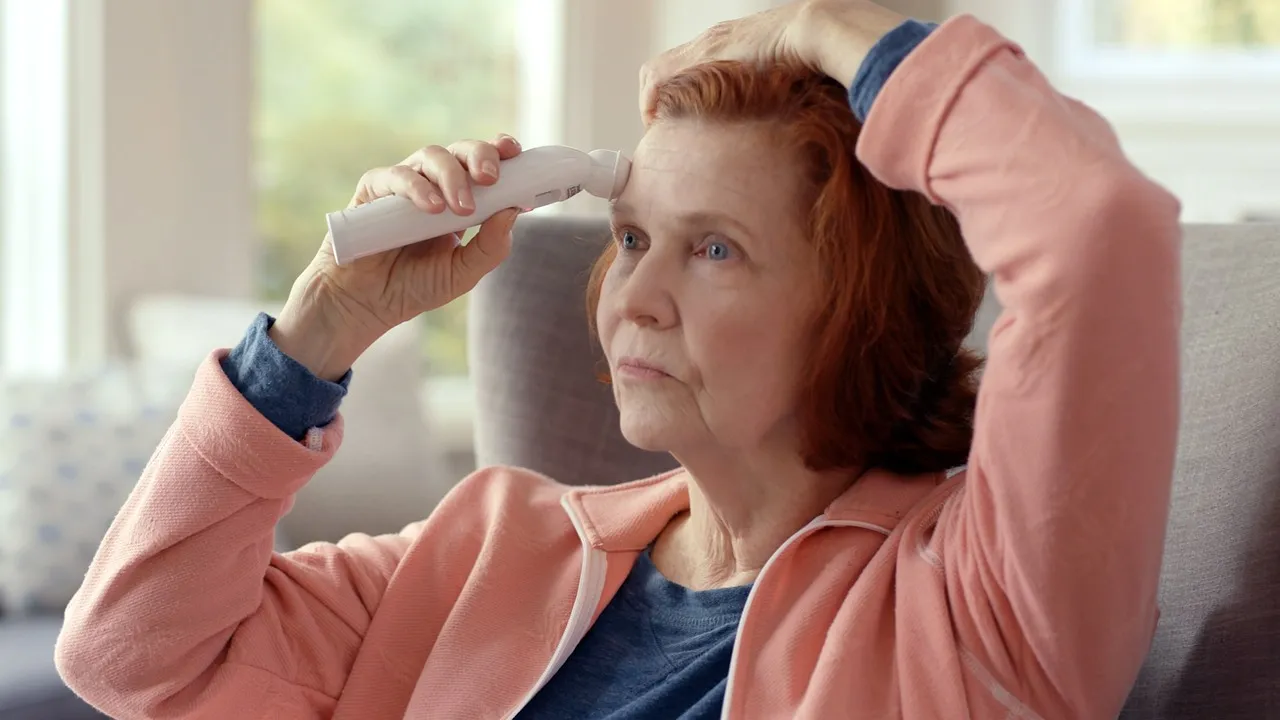
Substantial evidence suggests that the circadian decline of core body temperature triggers the initiation of human sleep, with core body temperature continuing to decrease during sleep.
The nightly core body temperature drop begins one to two hours before habitual sleep onset and continues through the first half of the night, reaching its nadir at approximately four to six in the morning. So your body is already working toward sleep before you even feel tired.
Medical research has established that sleep and core body temperature are regulated by a circadian clock. Your body temperature is about two to three degrees higher in the late afternoon or early evening, and during sleep it reaches its lowest point. The warm shower works precisely by accelerating this natural process.
How Warm Water Tricks Your Body Into Cooling Down Faster

The warmth of the bath or shower opens blood vessels, bringing a large blood flow to the surface of the body, especially in the hands and feet. Warm water increases blood perfusion to the palms and soles, which widens the distal-to-proximal skin temperature gradient and helps the body dissipate heat, driving the core body temperature decline associated with falling asleep.
This is the warm bath paradox: immersion in warm water heats the skin, triggering maximum peripheral vasodilation. After exiting the bath, this vasodilation accelerates heat dissipation from the core to the environment, dropping core temperature faster than baseline cooling.
This may be the result of the natural, quick drop in body temperature that occurs after stepping out of a warm bath or shower and into cooler, room temperature air. The body doesn’t just cool passively. It cools faster than it would have on its own, which is the whole point.
What the Right Water Temperature Actually Is

A meta-analysis of 17 studies found that taking an evening shower or bath in water between 104 and 108.5 degrees Fahrenheit improves sleep quality. That range translates roughly to 40 to 42.5 degrees Celsius, which is warm but not uncomfortably hot.
Warm bathing or showering at 40 to 42.5 degrees Celsius was associated with improved self-rated sleep quality and improved sleep efficiency. Soaking in that temperature range for as little as 10 minutes, about one to two hours before bed, resulted in less tossing and turning and more quality sleep.
It’s worth noting that hotter isn’t necessarily better. Extremely hot water can leave the skin irritated and may actually stimulate rather than relax. Sticking within the documented temperature range gives you the thermal benefit without the downsides.
The Role of Melatonin and Why Timing Matters

Your body runs on an internal clock called the circadian rhythm. As night approaches, your brain releases melatonin, the sleep hormone, signaling to the body that it’s time to rest. Melatonin release depends heavily on body temperature.
For the brain to initiate sleep, core body temperature must drop by approximately one degree Fahrenheit, and a warm shower does just that while also relaxing the muscles and increasing blood circulation in the hands and feet. This is strongly associated with increased release of the sleep hormone melatonin.
A hot shower one or two hours before bed will raise body temperature immediately, and then cause it to drop, which then produces melatonin and leads to sleepiness. The 90-minute window is essentially the time your body needs between that temperature spike and the melatonin-driven signal to sleep.
What Happens in the Brain During This Cooling Process

Sleep onset is tightly coupled to core body temperature decline. The hypothalamic preoptic area contains warm-sensitive neurons that initiate sleep when temperatures rise. This reflects the preoptic area’s role as an integrator of thermal and sleep signals.
It is suggested that a rapid decline in core body temperature increases the likelihood of sleep initiation and may facilitate an entry into the deeper stages of sleep. Deeper sleep, in practice, means more restorative rest and less middle-of-the-night waking.
Core body temperature reductions occur before and during the sleep period, with the extent of presleep reductions corresponding to sleep onset and quality. Presleep reductions in core body temperature coincide with increased cardiac parasympathetic activity measured via heart rate variability. In simple terms: as your temperature drops, your nervous system shifts into a genuinely calm state.
How Warm Water Reduces Stress Before Bed
Warm water helps relax tight muscles and relieve tension, making it easier for your body to unwind before bed. Soaking in warm water has been shown to reduce cortisol, the stress hormone, and activate the parasympathetic nervous system, which promotes relaxation.
The parasympathetic nervous system, which is activated by warm water, can help lower heart rate and promote a sense of calm. This matters because sleep isn’t just a temperature problem. A racing mind and a tense body can keep you awake just as easily as an elevated core temperature.
Running water itself isn’t just pleasant. A 2024 meta-analysis found that natural sounds like rain and flowing water lowered cortisol levels and stabilized heart rate more reliably than silence. The shower is doing double duty, thermally and neurologically.
Why Cold Showers Before Bed Don’t Work the Same Way
Cold showers might not improve sleep because of cold water’s stimulating properties. Cold water immersion raises levels of cortisol and norepinephrine. Cortisol is involved in boosting alertness levels, and consequently, cortisol levels in the body usually fall in preparation for sleep.
With cortisol and adrenaline still circulating in the body after a cold shower, you’re more likely to be ready for action than for sleep. Cold showers may feel refreshing, but current evidence is stronger for warm showers and baths when the goal is better sleep.
Starting your day with the occasional cold shower means that a healthy sleep-wake cycle can be established, which in turn improves sleep quality over time. So cold water has its place, just not at night.
What the Research Looked Like and How Strong It Is

The key publication is a systematic review and meta-analysis, not a single new trial. The authors searched PubMed, CINAHL, Cochrane, MEDLINE, PsycINFO, and Web of Science for research on water-based passive body heating and its effects on sleep.
The authors themselves note the findings are limited by the relative scarcity of reported research, and that more investigation is needed, particularly on optimal timing, duration, and the exact mechanisms. Only 17 studies met inclusion criteria out of over five thousand candidate articles.
Hot-water bathing before bedtime is significantly associated with shorter sleep onset latency among a large-scale older population. This finding could enhance the generalizability of hot-water bathing habits for improving sleep initiation difficulty. The evidence is solid, if not yet exhaustive.
How This Habit Fits Into a Broader Sleep Routine

Your body starts to cool down by around one degree Fahrenheit approximately 60 to 90 minutes prior to sleep. Taking a warm shower before bed can speed up this process due to the rapid warming of the body in the shower and rapid cooling when stepping out. The shower essentially gets your body ahead of its own schedule.
Research supports cooler bedrooms in the 18 to 20 degree Celsius range. Cooler ambient temperature facilitates the necessary drop in core body temperature for sleep onset and deep sleep. Pairing a warm shower with a cool bedroom maximizes the temperature effect from both directions.
A study found that soaking in a warm bath for 11 to 15 minutes before going to sleep helped older participants lower their blood pressure before bed, with some participants’ blood pressures dipping noticeably after a warm bath. The benefits extend beyond just falling asleep faster.
The Takeaway
The 90-minute rule isn’t a wellness myth. It’s anchored in well-documented physiology: your body cools down to fall asleep, and warm water speeds up that cooling by pulling heat toward the skin’s surface where it can escape into the air.
The practical detail to take from the research is the pairing of temperature and timing: water at 40 to 42.5 degrees Celsius, scheduled one to two hours before bed, with as little as 10 minutes being enough to shorten sleep onset latency. It doesn’t require a long soak or a perfect bathroom.
What makes this habit worth trying is exactly what the researchers noted: the proposed mechanism is physiologically coherent and the cost of trying it is zero. For something that asks so little, the potential payoff for your sleep is genuinely worth the experiment.
AI Disclaimer: This article was created with the assistance of AI tools and reviewed by a human editor.