
Most nights, that little clock on the shelf is just furniture. You don’t hear it. You don’t think about it. Then one restless night you find yourself wide awake at 2 a.m., and suddenly it sounds like someone installed a metronome directly behind your left ear.
This isn’t a glitch in the clock. It’s a glitch in the brain, and it’s a surprisingly deep rabbit hole once you start pulling at the thread. Sleep science, auditory psychology, and stress biology all converge on this one oddly relatable experience.
The World Gets Quieter, So the Clock Gets Louder

This is the most straightforward part of the explanation, and it’s worth starting here. During daylight hours, the ambient sound environment is rich: traffic, voices, appliances, notifications, footsteps. The clock tick is lost somewhere in that mix.
At night, all of that disappears. The actual decibel level of the clock hasn’t changed at all. What has changed is the ratio between the clock’s sound and everything else. In a much quieter room, even a small sound becomes comparatively prominent.
It’s the same reason a dripping tap you barely notice during the day can feel maddening at midnight. Silence isn’t neutral. It’s an amplifier.
Your Brain Stops Filtering When You Can’t Sleep
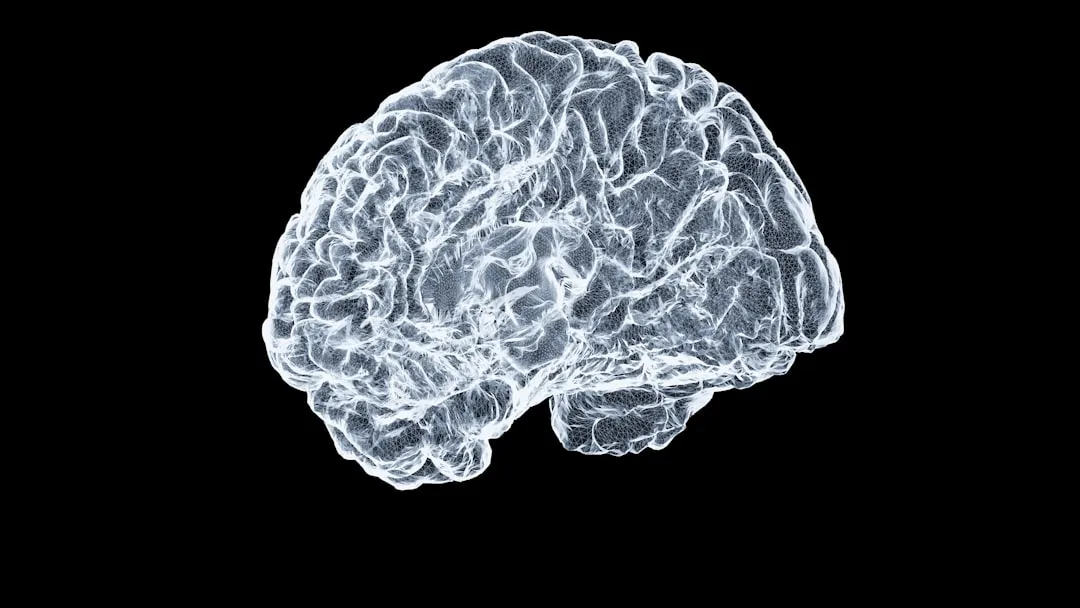
Perceived changes in the loudness of a ticking clock arise from normal auditory and cognitive processes rather than from the clock changing its output. The auditory system reduces its neural response to a steady, repetitive sound over time through a process called neural habituation. The tick becomes less salient as the brain downregulates attention to predictable stimuli, so the same physical sound is heard as quieter.
When you’re sleeping or deeply relaxed, this filtering works perfectly. This filtering is rooted in the psychological phenomenon known as selective attention: the human brain is capable of filtering out large amounts of sensory information in order to focus on narrow input.
The trouble is that insomnia disrupts this process. When you’re awake and anxious, the brain doesn’t downregulate. It does the opposite. Attention locks onto a sound, and habituation never kicks in.
Hyperarousal: The Hidden Engine Behind the Problem
Hyperarousal is a key symptom of anxiety, stress-related disorders, and insomnia. When you lie awake unable to sleep, your nervous system isn’t quietly waiting. It’s running hot, scanning for threats, and treating every sensory input as potentially important.
One of the earliest findings in patients with insomnia complaints is a frequent presence of metabolic changes that can be linked to high levels of arousal, including increases in body temperature, cortisol and adrenaline levels, heart rate, and skin resistance. This is a whole-body state of alertness, not just a mental one.
In this state, a ticking clock stops being background noise. The hyperaroused brain actively registers it as a signal, compares it to expected silence, and flags it as an intrusion. That’s why the tick seems to grow louder the longer you lie there.
Cortisol and the Amygdala Turn Up the Volume
Anxiety and insomnia patients commonly exhibit activation of the HPA axis, characterized by elevated hormone levels such as cortisol. Elevated cortisol levels enhance the amygdala’s sensitivity to threat signals. Prolonged high cortisol exposure keeps the brain in a state of hyper-vigilance, causing continuous anxiety even without real threats.
Anxiety disorders and sleep disturbances exhibit a bidirectional relationship, where anxiety-induced hyperarousal disrupts sleep architecture, and sleep deprivation amplifies emotional vulnerability. Sleep deprivation increases cortisol levels, amplifies emotional processing of the limbic system and the salience network, and creates a vicious cycle of hyperarousal and anxious apprehension.
In other words, lying awake raises cortisol, which sharpens threat detection, which makes you more alert to sounds, which keeps you awake. The clock didn’t start this loop, but it certainly sustains it.
The Clock Reminds You of Time Passing

One of the primary effects of living with a ticking clock is that you are likely to feel that time is limited or running out. The constant background ticking provides a continual reminder that time is passing. Your conscious mind soon learns to tune it out, but your subconscious continues to hear every tick.
When you’re trying to sleep, this becomes especially cruel. Each tick marks another second you haven’t fallen asleep. The clock stops being a timekeeping device and becomes a scorekeeper of your failure to rest. That psychological shift is enough to raise tension all by itself.
The sound worms its way into your thoughts, counting not just seconds, but worries. How late is it? How little sleep will I get now? How will tomorrow feel? The tick gives those questions a rhythmic, relentless soundtrack.
Insomnia Is Far More Common Than Most People Realize
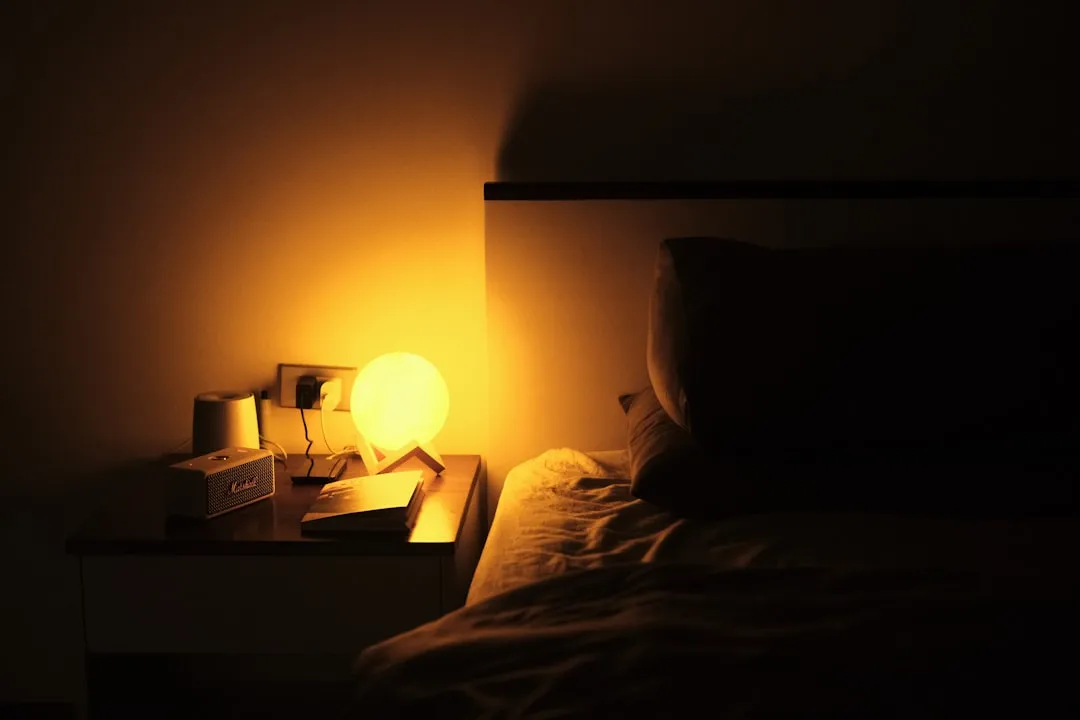
In 2024, nearly 275 million people were suffering from anxiety disorders globally. Moreover, about one in ten adults are affected by insomnia disorders, and an additional roughly one fifth experience occasional insomnia symptoms worldwide. These aren’t small numbers. The restless night is a near-universal human experience.
The World Health Organization has reported that roughly a quarter to a third of people worldwide suffer from sleep disorders. That’s an enormous portion of the global population lying awake, staring at ceilings, and listening to things they’d normally never notice.
Knowing this doesn’t make the ticking stop, but it does reframe it. The experience of sound suddenly becoming intrusive during insomnia isn’t a sign of something wrong with you specifically. It’s a predictable byproduct of how human attention and arousal work.
Noise Sensitivity and Sleep Quality Are Closely Linked
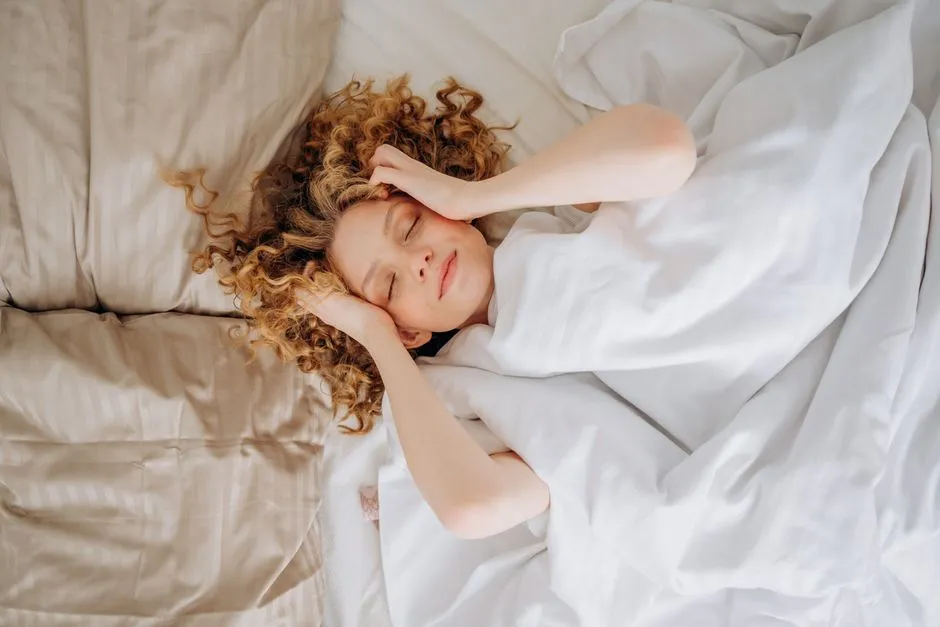
Research has found that individuals with heightened noise sensitivity experience higher insomnia levels and poorer sleep quality than their less sensitive counterparts. Noise sensitivity isn’t simply a personality quirk. It has measurable, documented effects on sleep architecture.
Individuals with hearing loss or reduced auditory sensitivity are often more sensitive to background noise, which can lead to difficulties falling asleep, frequent awakenings, and overall poor sleep quality. The relationship between sound processing and sleep quality runs in multiple directions.
New research also sheds light on how poor sleep affects the auditory system itself, suggesting that the auditory nerve is more susceptible to damage from sleep disturbances. Sleep and hearing aren’t independent systems. They influence each other in ways researchers are still actively mapping.
Memory and Association Play a Role Too
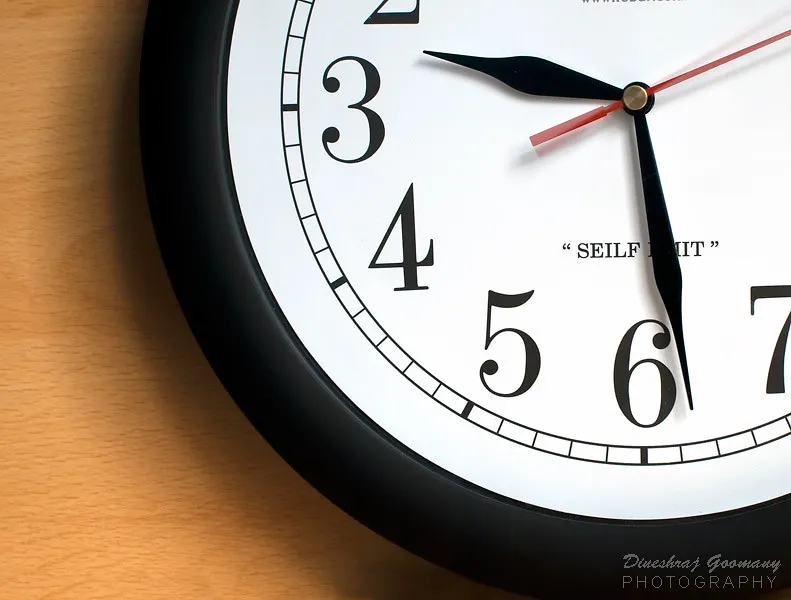
There could be a practical reason to be genuinely bothered by specific sounds like clock ticking: bad memories, for example from childhood. If the ticking reminds you of a situation that was unpleasant or frightening for you, it can stay with you for a long time.
This is the conditioning angle. The brain is extremely good at linking sounds to emotional states. If you’ve had several bad nights in which a ticking clock was present, the sound itself can begin to trigger a stress response before you even realize it. The clock becomes associated with wakefulness, and that association reinforces itself over time.
Cognitive behavioral therapy for insomnia specifically targets this kind of learned pattern, working to break the associations between bed, wakefulness, and anxiety-triggering sensory cues.
Not Everyone Hates It: The Paradox of Rhythmic Sound
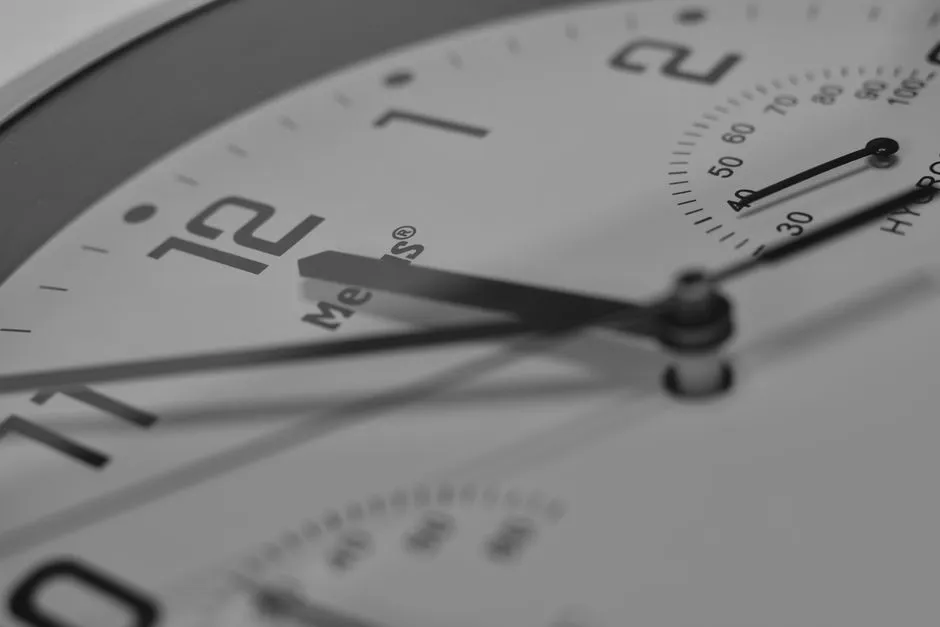
The therapeutic value of having a ticking sound in the bedroom to aid sleep varies from person to person. Some individuals find rhythmic sounds like ticking soothing and conducive to relaxation, helping them fall asleep faster. Others may find it distracting or even irritating, disrupting their sleep.
The loud rhythmic ticking sound acts as white noise for some people, helping them fall asleep faster and masking other background noises. This is a real and documented effect, which makes the overall picture more complicated than a simple “clocks are bad at night.”
The difference between someone who finds the tick soothing and someone who finds it maddening may come down to baseline arousal level. A calm nervous system can use the rhythm as an anchor. An already-activated one interprets the same rhythm as an intrusion.
What the Research Says About Sound and Sleep Intervention

Recent scientific attention has shifted toward using sound therapeutically to improve sleep rather than simply avoiding disruptive sounds. Auditory stimuli at specific frequencies can direct cortical electrical activity toward rhythms of external signals, potentially modulating the brain toward frequency bands associated with relaxation and sleep, such as alpha, delta, and theta waves.
Some studies have observed, using electrocardiography, that binaural beats can modulate the autonomic nervous system, potentially inhibiting sympathetic activity, increasing parasympathetic tone, stabilizing heart rate, and facilitating the body’s transition toward relaxation and sleep. This is a rapidly growing area of sleep research.
Chronic insomnia affects roughly ten to fifteen percent of the population, with about one third of Western adults struggling with sleep initiation or maintenance. Given these numbers, understanding how sound affects the sleeping brain has real clinical weight, not just curiosity value.
The Takeaway
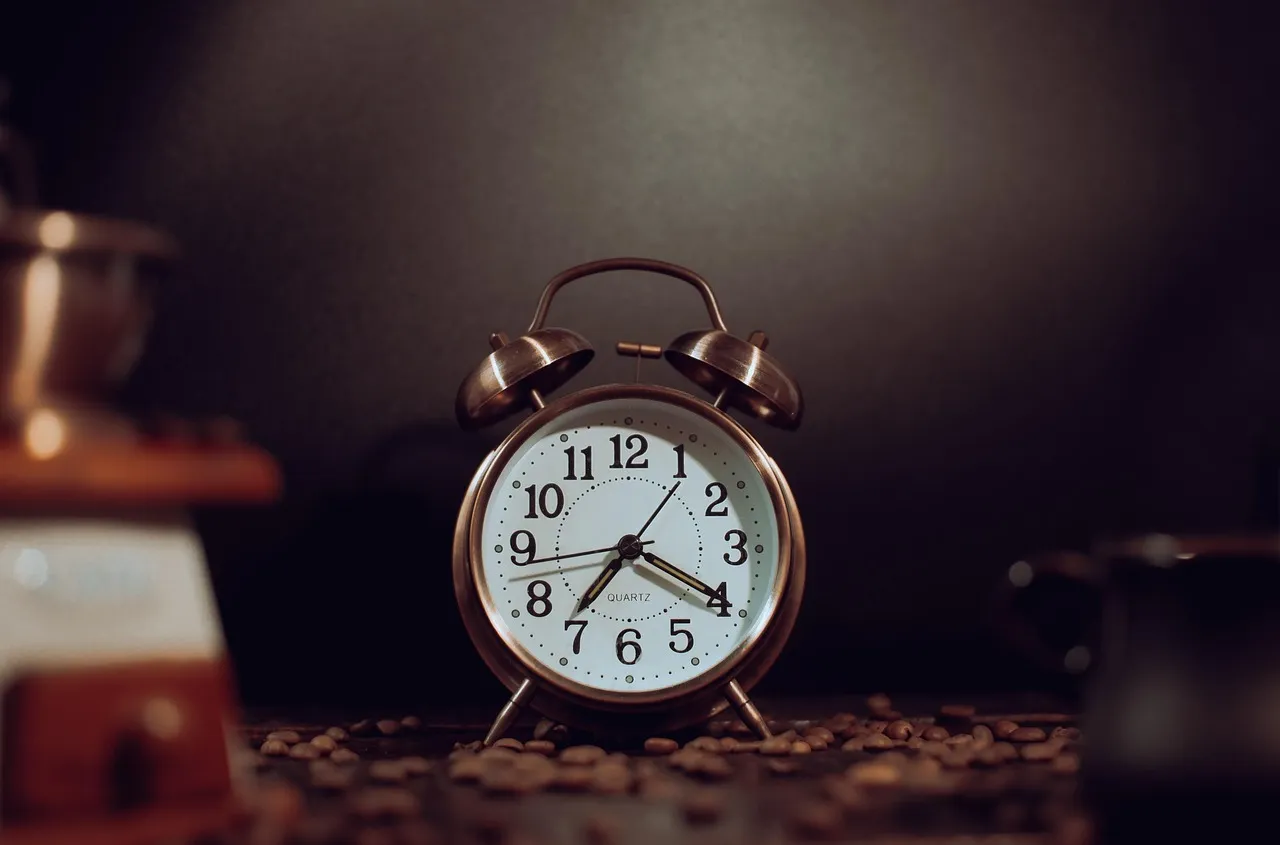
The ticking clock isn’t getting louder. You’re getting quieter, more alert, and more sensitive to everything around you. That’s what insomnia actually does. It doesn’t just steal sleep. It cranks up the gain on every sensory signal until the world feels impossibly loud.
Understanding the mechanism, including the role of selective attention, cortisol, hyperarousal, and conditioned memory, doesn’t make the tick disappear. Still, it does shift it from something mysterious and frustrating to something explainable and, with the right strategies, manageable.
The clock was always ticking. On the nights it seems unbearable, that’s your nervous system speaking, not the clock.
AI Disclaimer: This article was created with the assistance of AI tools and reviewed by a human editor.