

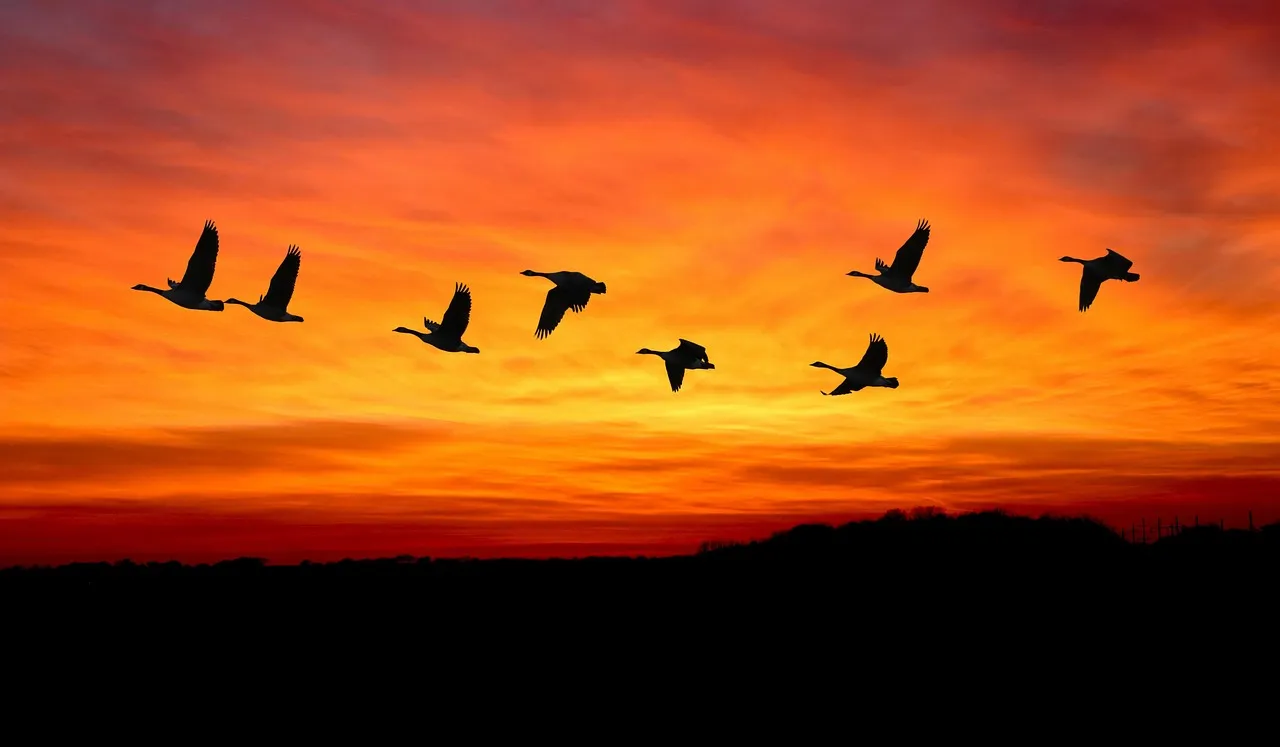
Every spring and fall, something quietly extraordinary happens above our heads. On a single autumn night with favorable winds, there can be more than one billion birds in the air over the United States alone. Most of them are tired, dehydrated, and searching for a reason to come down. A moving water feature in your yard might be exactly that reason.
Around 3.5 billion birds migrate back into the United States from their southern wintering grounds in the spring, and it’s estimated that only about half of all migrating birds survive the journey. Water isn’t a luxury for these travelers. It’s survival.
The Scale of Migration Is Hard to Overstate
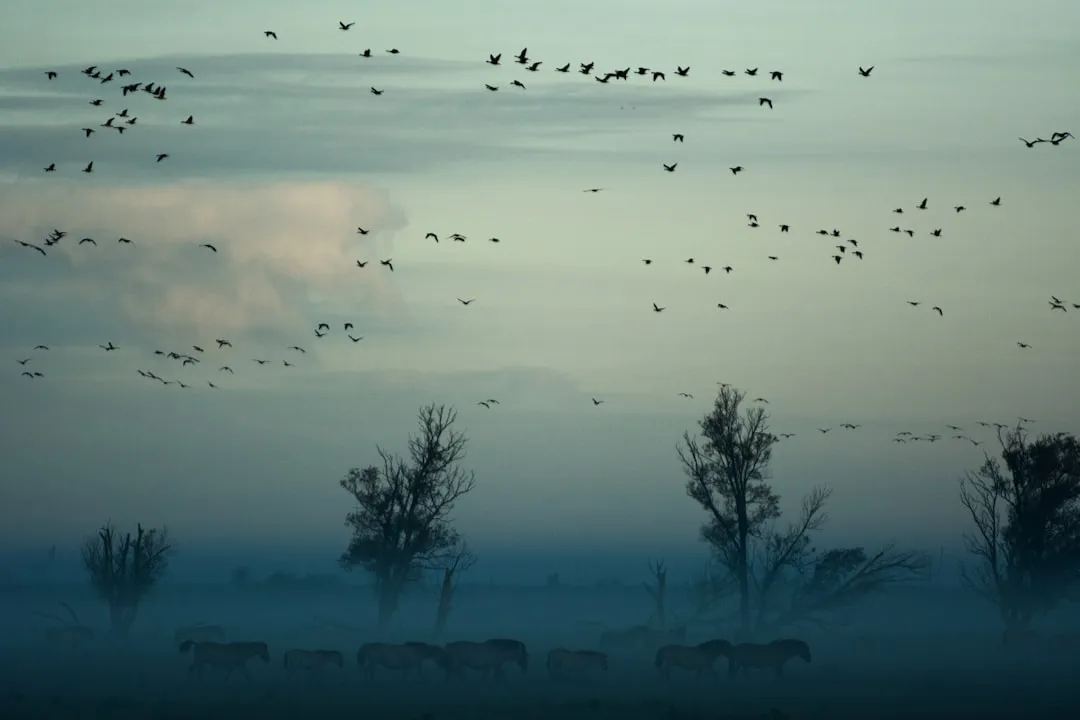
More than 300 North American bird species are long-distance migrants. North America’s migrating birds follow four distinct routes called flyways: the Atlantic, Mississippi, Central, and Pacific. These corridors channel millions of birds annually between their breeding grounds in Canada and wintering areas stretching from the southern United States to South America.
The Mississippi Flyway accommodates approximately 40 percent of all North American waterfowl and shorebirds. The Atlantic Flyway alone supports over 500 bird species annually. These numbers frame why a well-placed water feature isn’t just a garden ornament. It sits directly in the path of one of nature’s most dramatic events.
Moving Water Speaks to Deep Instincts
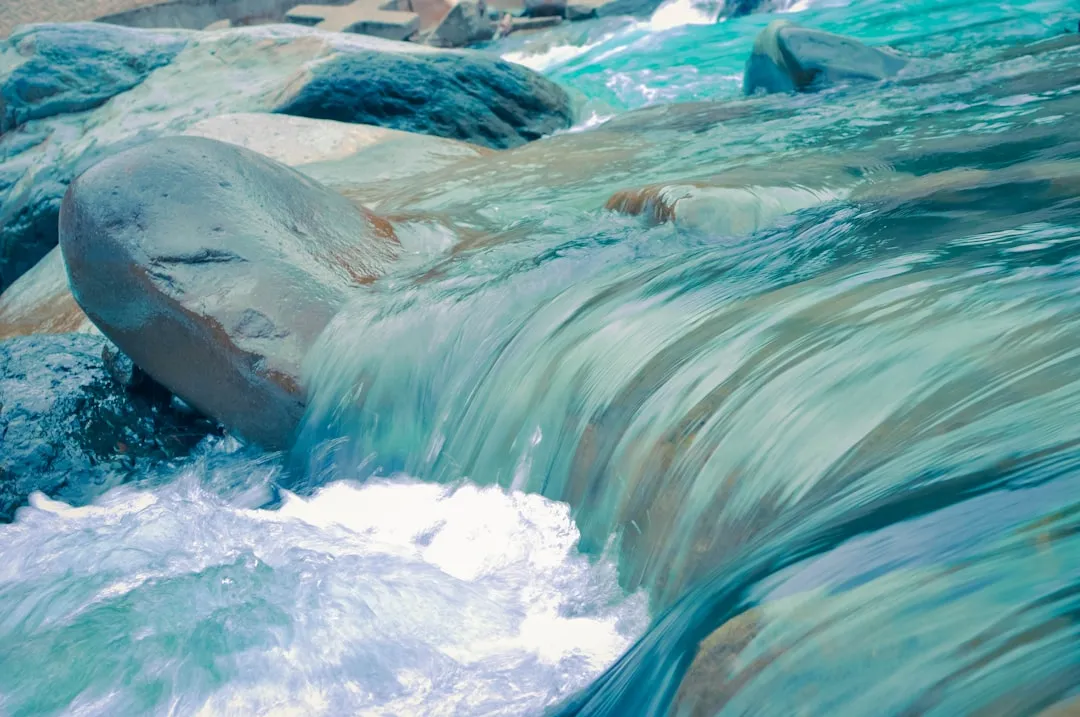
Birds are wired to trust moving water because it mimics the streams and springs they evolved with, making sound and shimmer together a far stronger signal than still water. This isn’t a learned preference. It’s millions of years of hardwired behavior.
Moving water attracts more birds because the motion catches their eye and they can hear any dripping, sprinkles, or splashes. Active splashes can be heard from quite a distance and will attract a wide range of bird species. For a warbler navigating by night, the sound of trickling water below can prompt a descent that might not otherwise happen.
Still Water Simply Doesn’t Compete
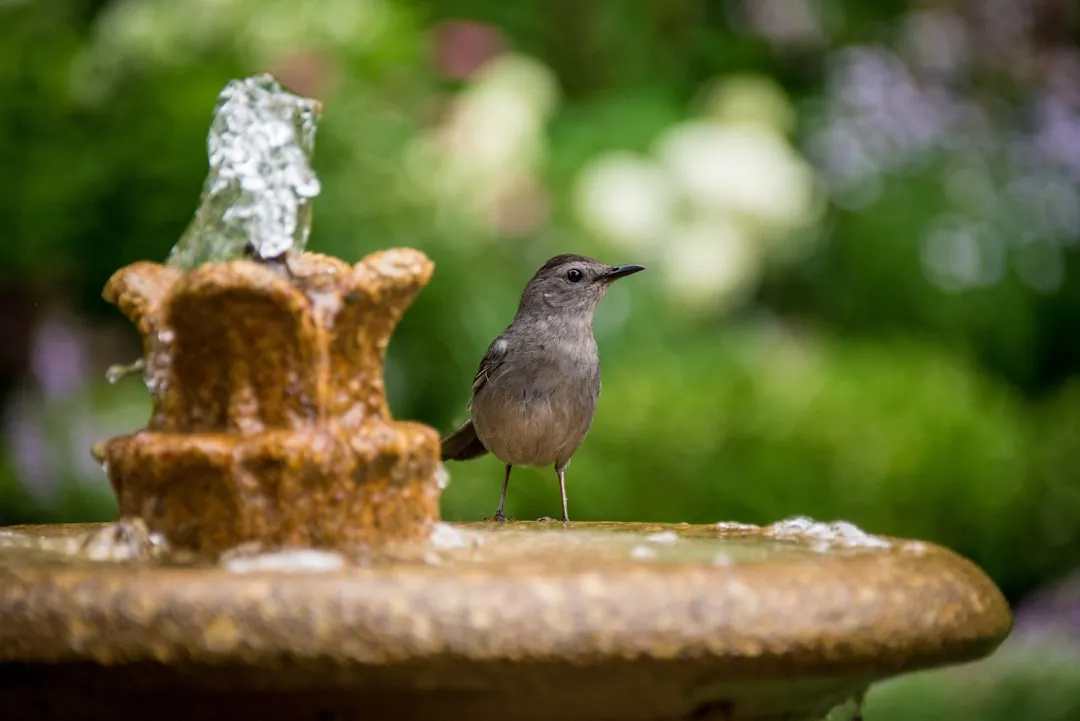
Any water is an improvement on a dry backyard, but standing water is the least effective for attracting birds. While they will eventually find it, standing water is not dynamic enough for many migrating birds or casual visitors to notice.
Bird baths do offer water. The real magic begins when you get the water moving. Birds see the sunlight dancing on the water, hear it splashing and come to investigate. The difference between a still basin and a dripper or fountain is, in practice, the difference between a yard most birds fly over and one they land in.
The Sound Cue Is as Powerful as the Visual One
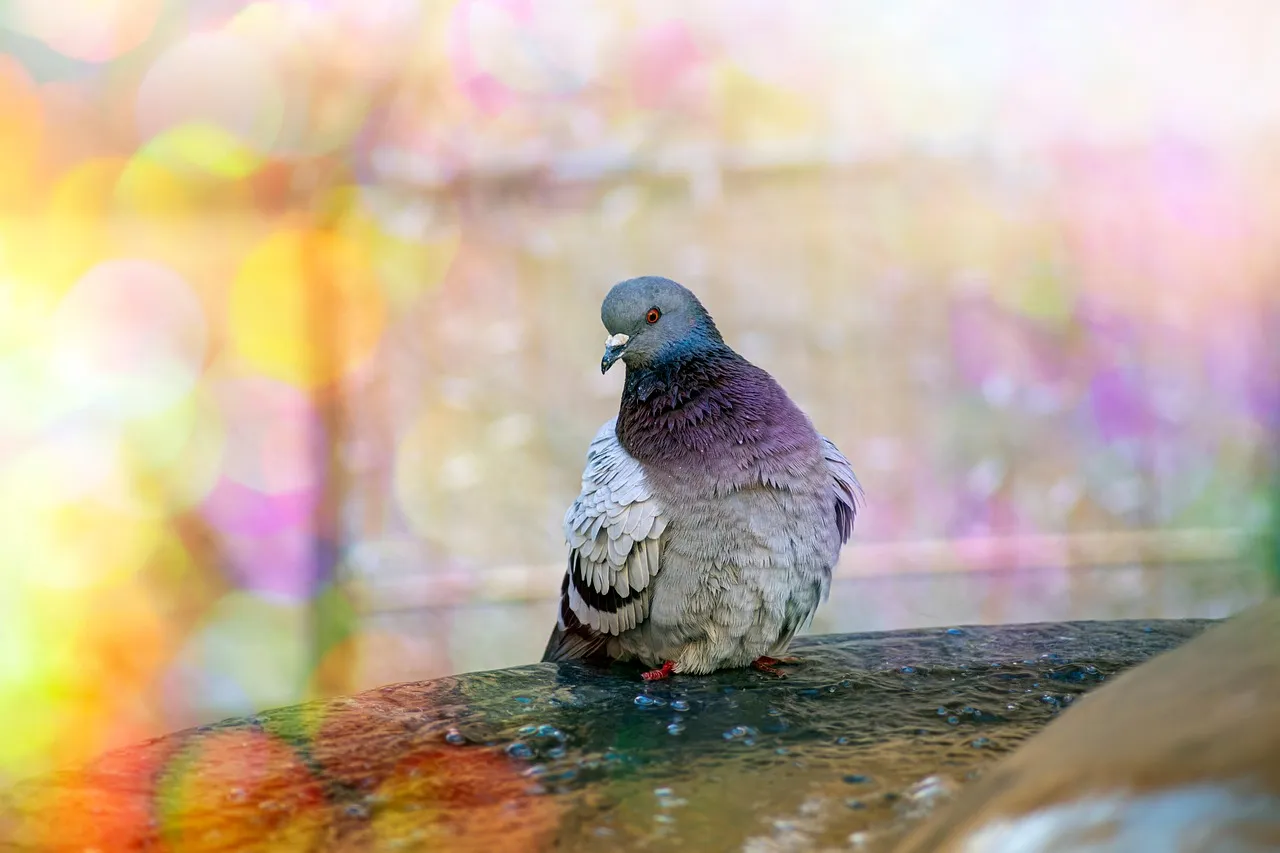
Studies confirm that simultaneous visual and auditory cues for birds consistently produce higher visitation rates than either cue alone. This is why fountains, drippers, and bubblers outperform static setups by such a wide margin. The combination of glint and gurgle is nearly irresistible to passing migrants.
Researchers and bird enthusiasts have observed that the sound and sight of moving water, such as ripples or splashes, is more appealing to birds than still water. The movement can catch their eye and suggest that the water is fresh and clean. Additionally, the sound of moving water can be heard from a distance, which helps attract birds to your bird bath.
Dehydration Is a Real Threat for Migrating Birds
Preventing dehydration is a major challenge for birds that migrate long distances without stopping to consume water. Respiration and evaporative cooling primarily account for water losses in migratory birds. A bird arriving at a stopover after hours of nocturnal flight is often more urgently in need of water than food.
Trans-Saharan migratory songbird species adjust their stopover behavior in the desert to minimize the risk of dehydration. While most backyard birds aren’t crossing deserts, the physiological pressure is real on any long flight. A backyard water feature effectively removes one of migration’s biggest risks the moment a bird lands near it.
Warblers, Thrushes, and Species You’d Never Expect
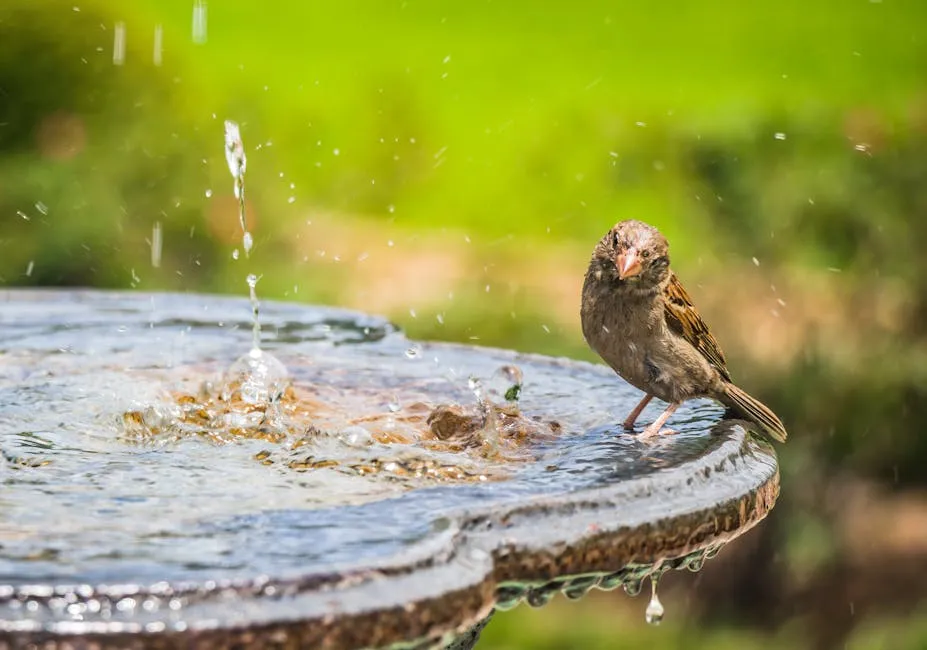
Migrants such as thrushes, vireos, and warblers that once flew over your yard might very well drop in for a bath and drink before resuming their epic journey. These are birds that seed feeders will never pull in, since they don’t eat seeds at all. Water is the only reliable bait.
All birds need water, but not all birds eat seed. By adding moving water you can bring in dozens of new species that you may never see on a bird feeder. One observer set up a motion-activated bird camera and counted 13 species at a birdbath with a dripper in a single day, including Yellow-rumped Warblers and Western Tanagers.
Misters Are Especially Effective for Small Migrants
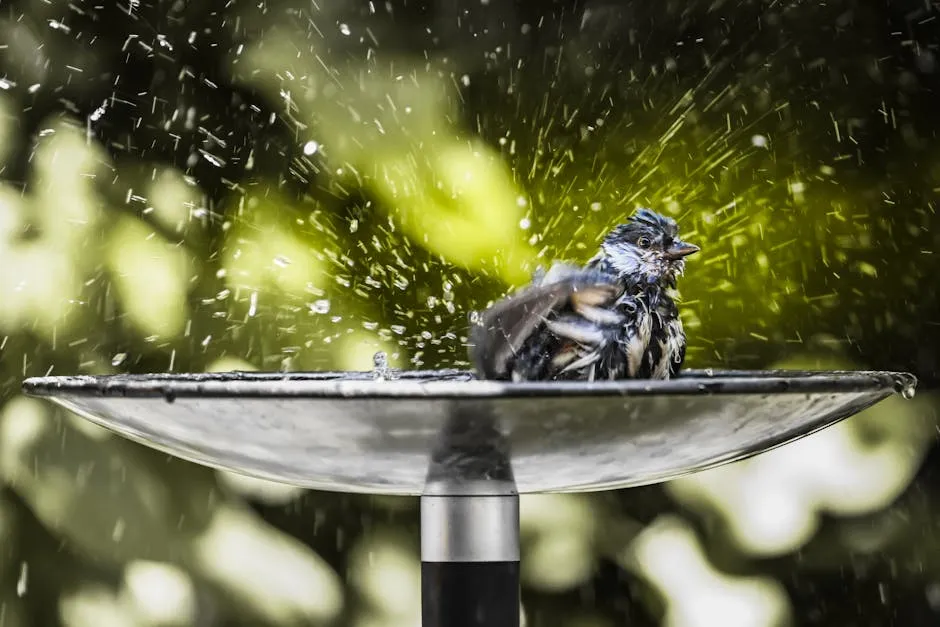
Misters release a fine spray of water into the air and work best in spots where the mist bathes nearby foliage. The water that collects on the leaves and drips into a birdbath is particularly irresistible to migrating warblers.
The rhythmic drip pattern produces localized sound cues that finches, warblers, and sparrows can pinpoint from the canopy. Maintaining an optimal water depth of one to two inches further enhances safety for small birds. Shallow and moving is the combination that draws the most species during peak migration windows.
Consistency Teaches Birds to Return
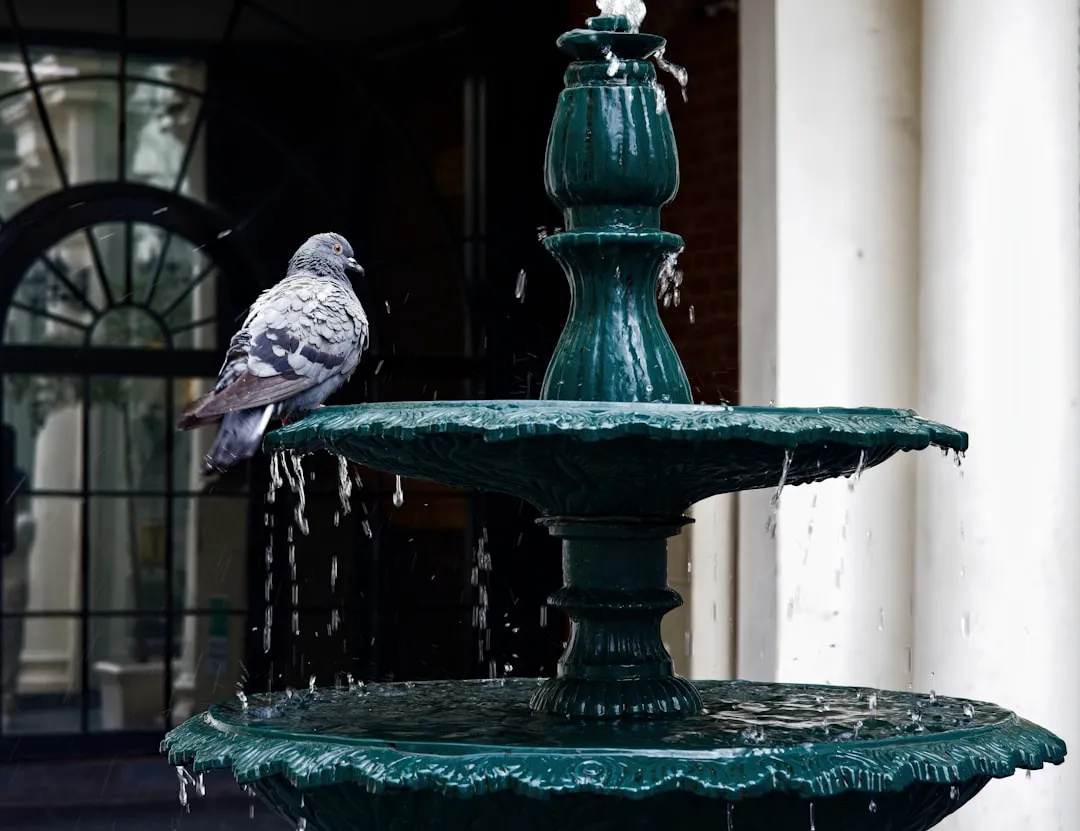
When your timing is consistent, perhaps at lunchtime each day, birds quickly learn when the dripping will start. This matters especially during migration season, when birds are scanning unfamiliar territory for reliable resources. A predictable water source becomes a known stopover point.
One observer installed a bubbler pond and documented 125 species of birds at the water feature, including some rare and endangered ones. Some birds documented were state records, such as a wandering Varied Thrush. The diversity that moving water can attract over time, even in an ordinary residential yard, is genuinely remarkable.
Clean Water Matters Too
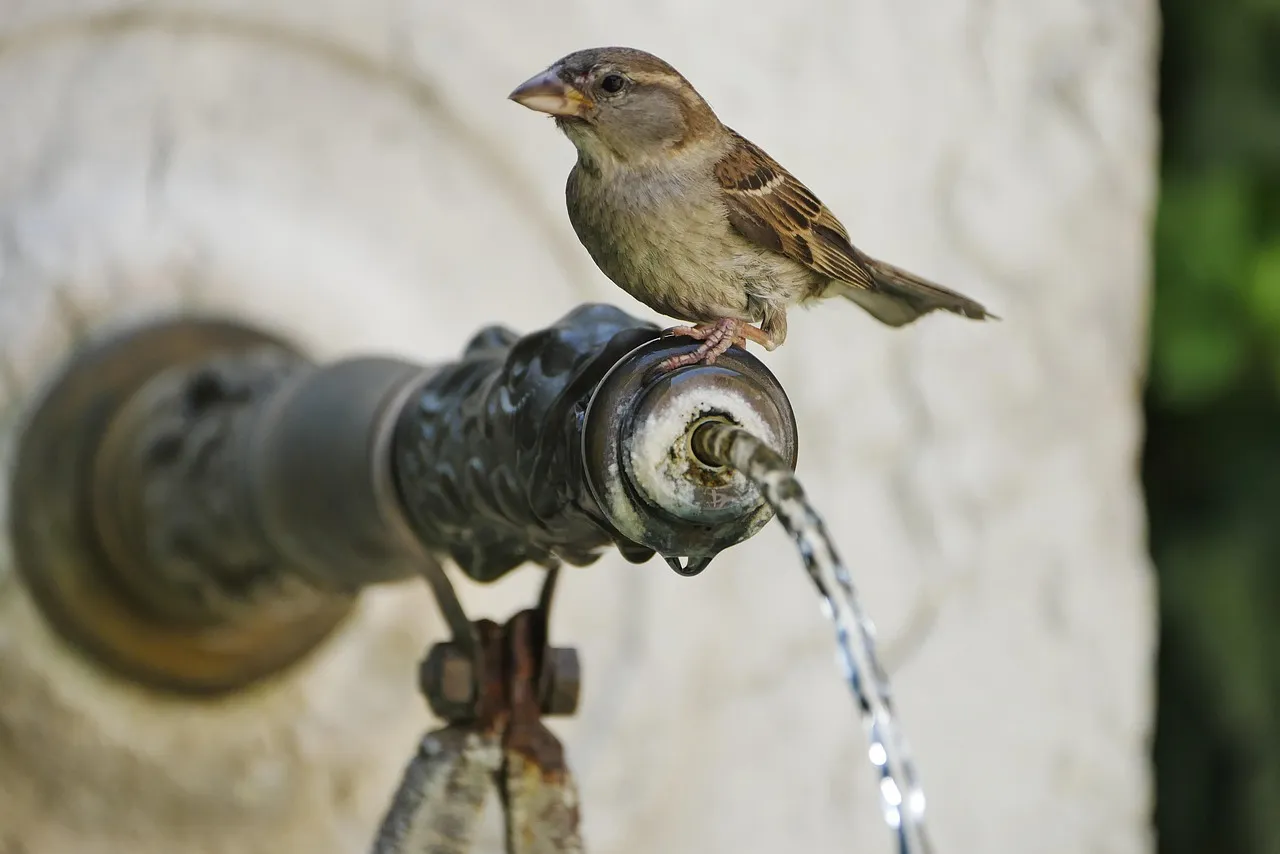
Flowing water, such as waterfalls, stays cleaner and is less likely to harbor parasites or bacteria that could harm birds. Moving water stays fresh and clean, and it prevents mosquitoes from breeding. These practical advantages compound the attractiveness of a moving feature: birds seem to recognize cleaner water intuitively.
Water movement is also important to keep mosquitoes out. For anyone who has dealt with stagnant birdbath water in summer, this benefit alone is worth the investment. A dripper or small pump keeps the water cycling and the habitat healthy for every visitor that passes through.
A Stopover in Your Own Yard
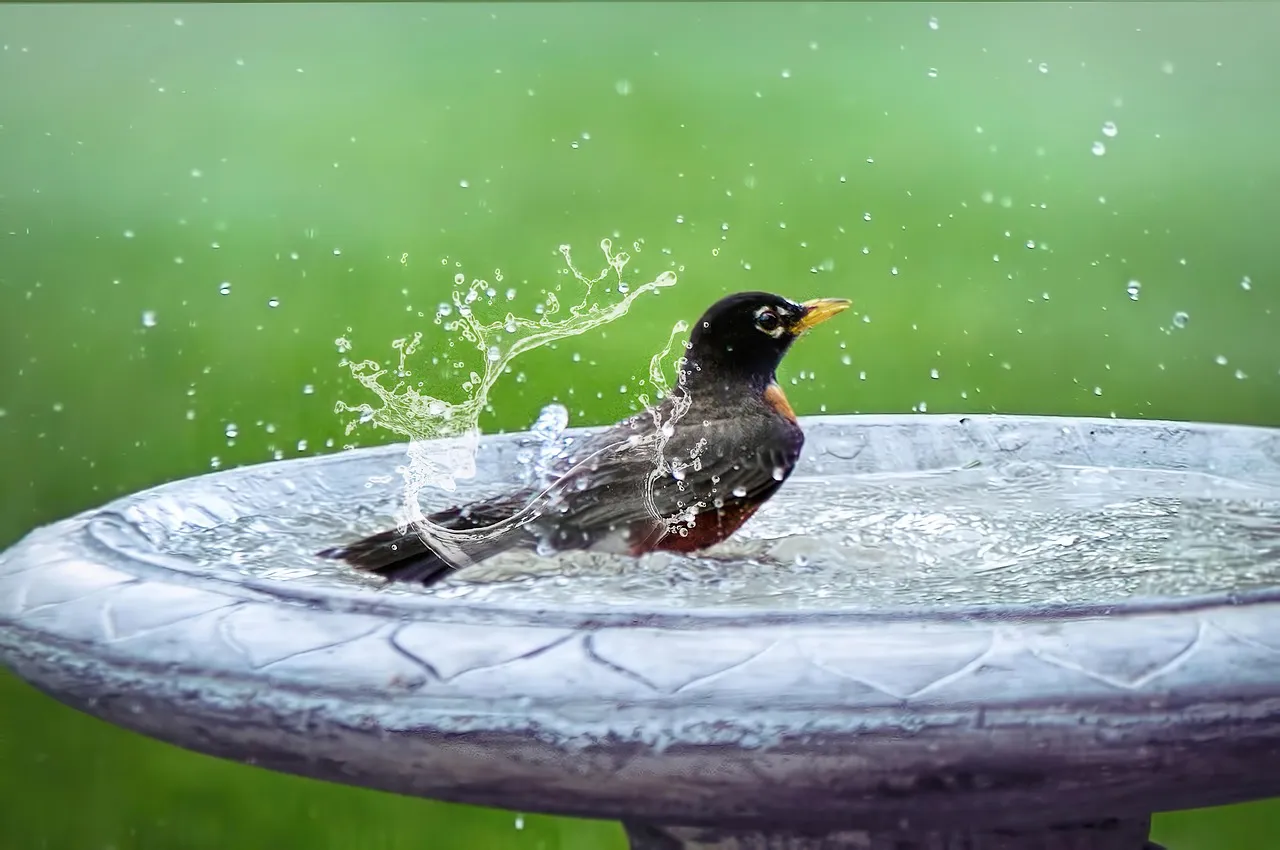
Birds’ reliance on water becomes especially clear when considering stopover sites. These sites, like wetlands, are places where migrating birds find rest, food, and water, facilitating their long-distance travels. They are essential features on migratory routes where birds recharge before their next grueling flight.
Water is a key element to attracting birds, and creatively designed water features are not only pleasing to our senses but appealing to the birds’ senses as well. The sounds and sights of moving water – dripping, gurgling, bubbling, flowing and splashing – attract birds to drop down from their migratory flyways to layover, refuel, drink and bathe.
Scientists have identified critical actions like preserving stopover habitats, reducing light pollution, and supporting climate adaptation strategies to ensure these remarkable journeys continue for future generations. A moving water feature won’t solve habitat loss on a continental scale, but it quietly adds one more reliable stop on a journey that desperately needs them. That small act of putting water in motion turns out to be one of the most direct, effective things any of us can do for the birds passing through.
AI Disclaimer: This article was created with the assistance of AI tools and reviewed by a human editor.