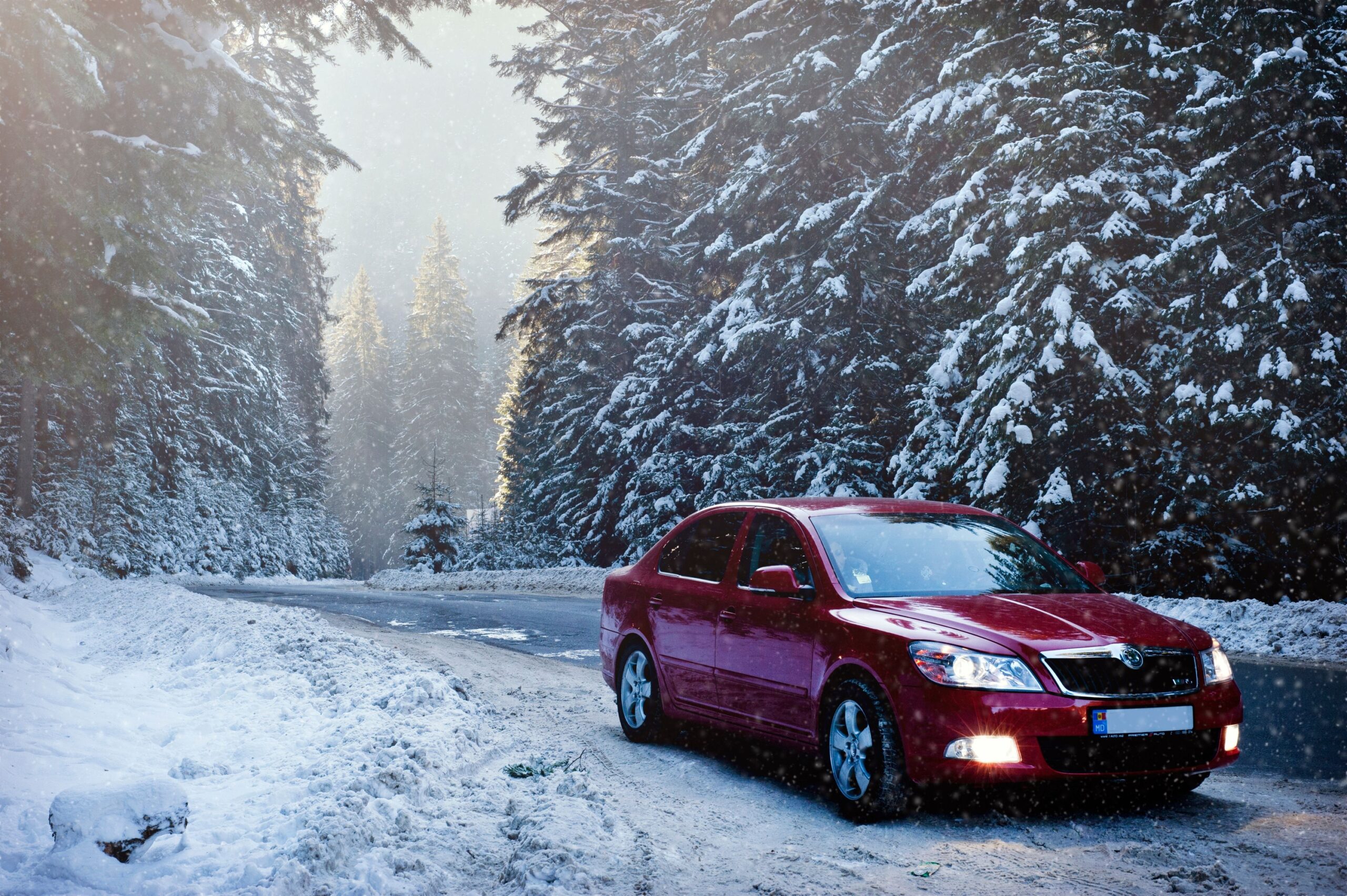

Cars Become Refrigerators, Not Shelters
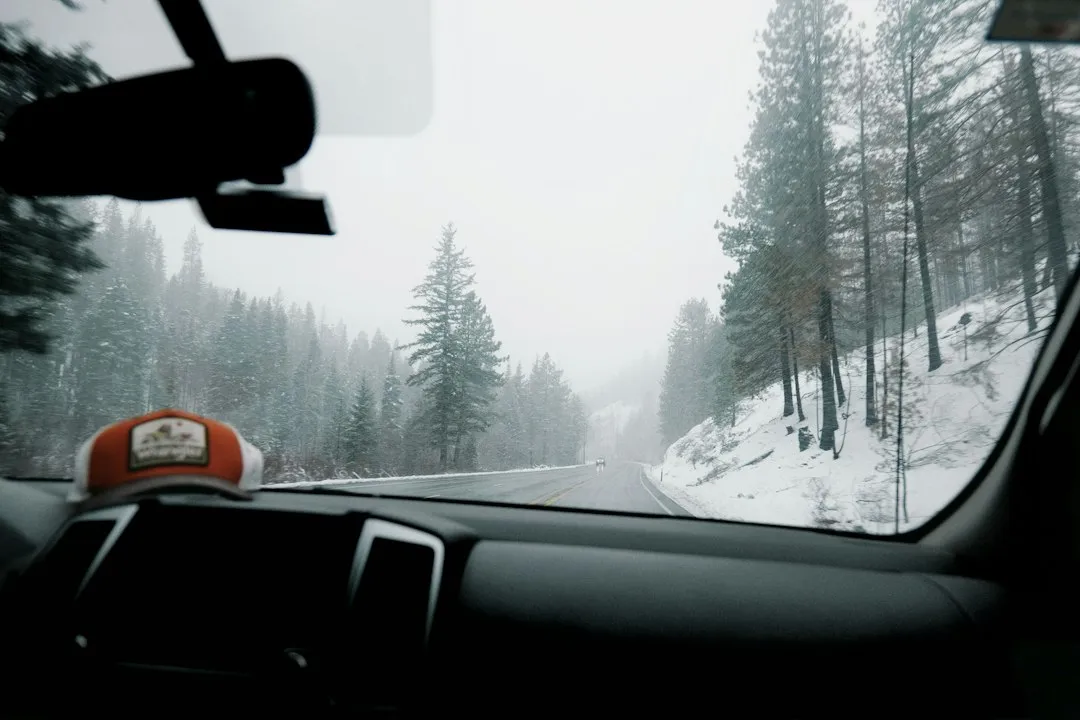
When a car engine is off and outside temperatures are dropping, the vehicle acts like an uninsulated metal box rather than any kind of warming shelter. In winter, cars without heaters running become rolling refrigerators, conducting cold from the outside, since vehicles have little to no insulation against outdoor conditions. Your vehicle can protect your dog from wind, snow, and sleet, but not from cold or freezing temperatures.
The inside of a car acts like a refrigerator when temperatures drop, and even a 35°F day can quickly feel below freezing inside the vehicle. This happens faster than most people expect, and there is no passive warming effect to slow it down once the engine is off.
How Fast Temperatures Drop Inside a Parked Car
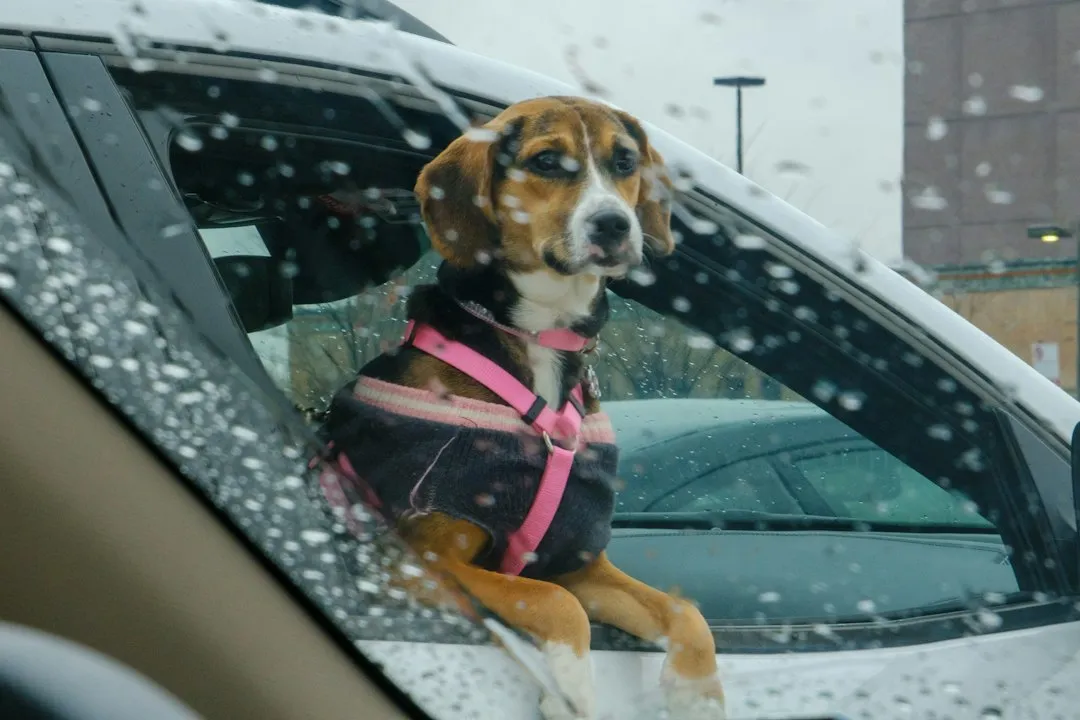
According to temperature data, on a 40°F day outside, the interior of a parked car can reach 32°F within 30 minutes and drop to 25°F within an hour, putting a dog at hypothermia risk. At 30°F outside, interior temperatures can fall to 20°F in 30 minutes and 10°F within an hour, creating conditions for frostbite.
When a pet is left alone in a car, the temperature inside the vehicle can drop dramatically even on days that don’t seem particularly cold, because cars trap cold air and the lack of insulation causes the vehicle to cool down much faster than the outside environment. That mild-feeling afternoon can turn dangerous in a matter of minutes.
What Hypothermia Actually Does to a Dog
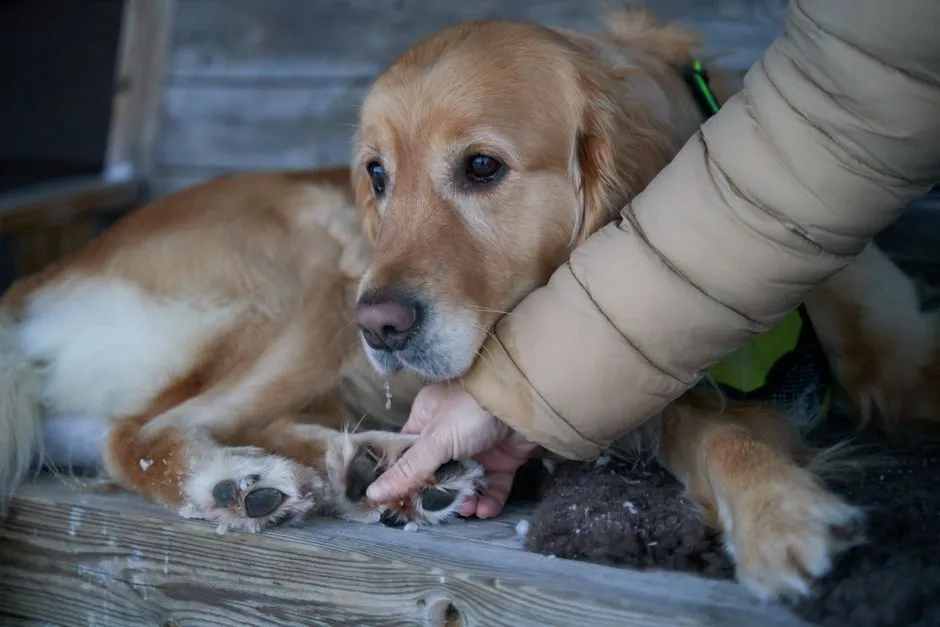
Hypothermia occurs when the body loses more heat than it produces, and as a result, the body’s core temperature falls below its normal range of around 37°C to 39°C (roughly 99°F to 102°F). If left untreated, hypothermia becomes a serious threat to the dog’s health. For dogs, mild hypothermia begins to set in when their temperature drops below 99 degrees Fahrenheit.
If left untreated, hypothermia can result in brain damage, coma, cardiac and respiratory failure, and possibly death. When the body temperature of a dog gets below 82 degrees Fahrenheit, they can no longer recover. That is a narrower margin of error than most owners realize.
The Myth of the Pre-Heated Car
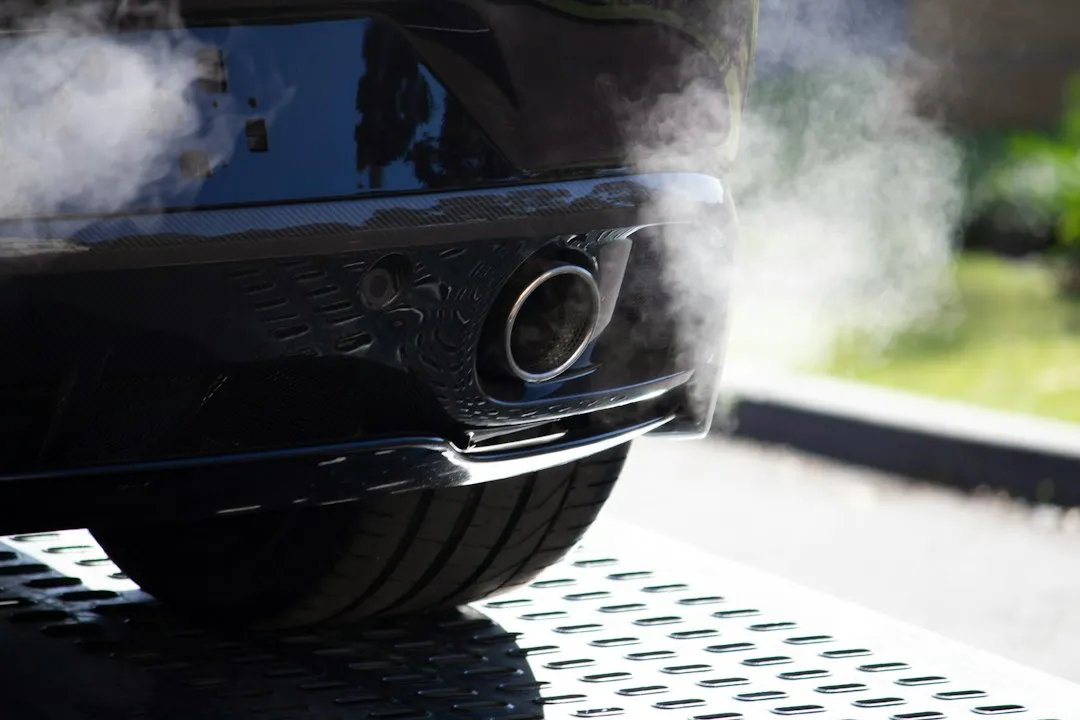
Many people think that a pre-heated car offers sufficient protection, but the temperature in the car can change rapidly, and wind and cold can also penetrate through cracks and windows. Pre-warming a car before you park gives your dog a few extra minutes at most. It is not a buffer that lasts.
When a car is turned off in freezing temperatures, it can quickly lose heat and become extremely cold, meaning a dog faces risks like hypothermia especially if left alone for too long. Owners who pre-heat and then step away for what they expect to be a short errand are placing real trust in a timeline that rarely goes as planned.
Breeds, Sizes, and Ages That Face the Greatest Risk

Puppies and senior dogs of any breed are more susceptible to hypothermia, as are naturally thin breeds such as the Italian Greyhound. Small dogs and toy breeds are also less able to tolerate cold temperatures than larger breeds, and hairless breeds like the Xoloitzcuintli are especially poorly insulated against cold temperatures.
Smaller dogs lose heat faster due to their body mass-to-surface area ratio, and breeds like Chihuahuas, Dachshunds, and Yorkshire Terriers are particularly at risk. Puppies lack fully developed temperature regulation, while senior dogs often have reduced cardiovascular reserve and may struggle to adapt to temperature extremes. These groups can reach a dangerous threshold much sooner than a healthy adult Labrador might.
Even Cold-Tolerant Breeds Have Limits in a Car
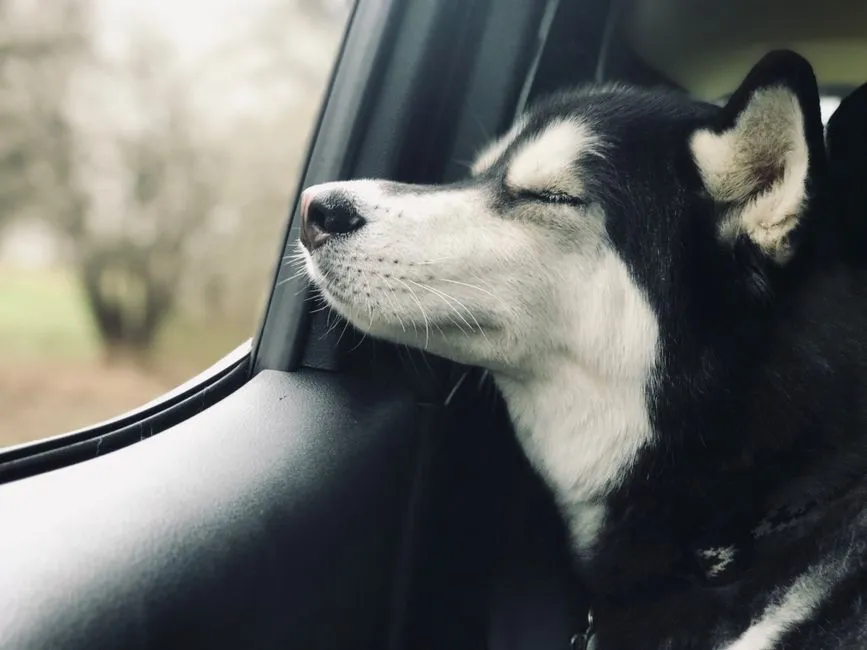
Even breeds that are generally tolerant of cold weather, such as Huskies, are still at risk in a confined space like a car, and the answer to whether you can leave any dog in a cold car remains a firm no, regardless of breed. A Siberian Husky thrives in open, cold environments where it can move around and generate body heat. A stationary, confined space offers none of that.
While a thick coat provides some insulation, it doesn’t completely protect a dog from the cold, and the confined space of a car amplifies the effects of the cold, making even cold-tolerant breeds susceptible to hypothermia. Coat thickness is one factor among many, and inside a sealed car, it rarely makes the decisive difference.
Frostbite: The Risk That Comes After Hypothermia

Frostbite can become an issue at extremely low temperatures, compounding the dangers that hypothermia alone already presents. Frostbite tends to affect the ears, paws, and tail first. By the time visible signs appear, the tissue damage has often already occurred beneath the surface.
In addition to hypothermia, leaving a dog in a cold car can also cause other health problems such as frostbite, dehydration, and respiratory distress, and dogs can quickly become disoriented and weak in cold temperatures, making it difficult for them to seek help. These conditions can stack on top of each other in ways that make treatment more complex and outcomes less certain.
Dehydration in the Cold: An Overlooked Problem

Dehydration can occur in hot weather as well as cold, especially if a dog is left in a car without access to water, and dogs may not feel as thirsty in colder weather. This is a commonly overlooked problem. Because thirst signals diminish in cold conditions, dogs don’t drink enough even when they have access to water, let alone when they don’t.
When a dog is left alone in a cold vehicle, their body works overtime to maintain warmth. That physical effort burns through energy and fluids at an accelerated rate. Combined with limited access to water and the suppressed thirst response, dehydration can quietly develop alongside the more visible cold-related risks.
Poor Ventilation Adds Another Layer of Risk
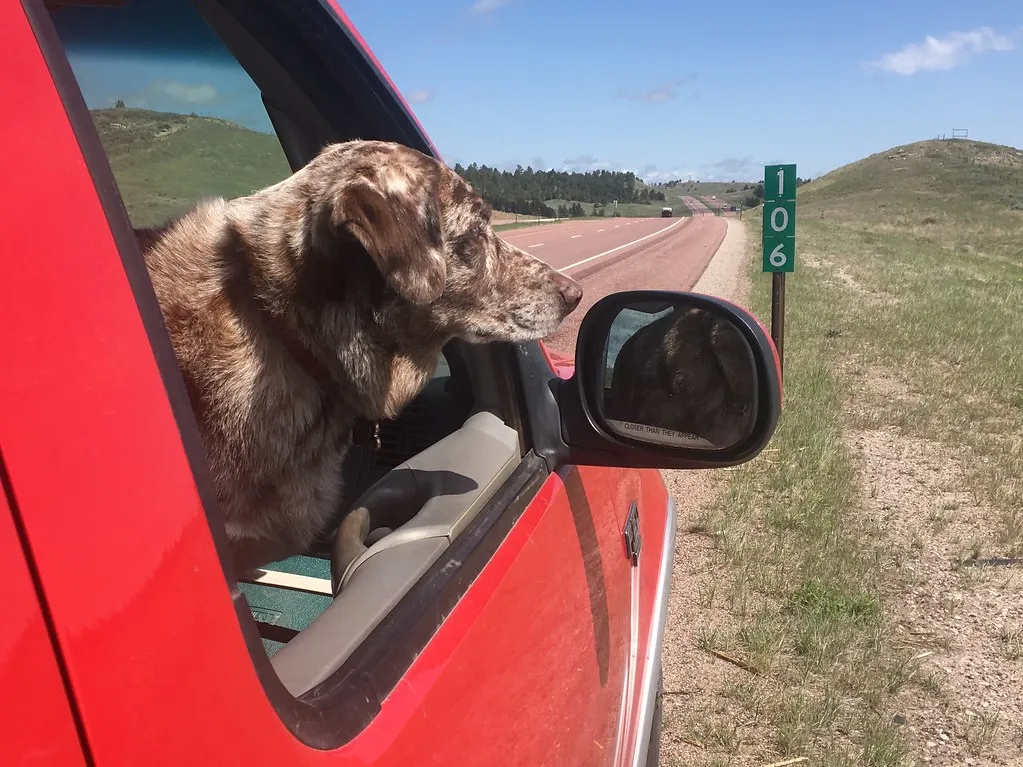
A lack of ventilation can result in a lack of fresh air and poor air quality for a dog, which can cause discomfort and lead to respiratory issues. In winter, windows are typically kept shut to retain warmth, which also eliminates air circulation entirely. The situation becomes a trade-off with no good outcome: open windows accelerate temperature loss, while closed windows degrade air quality.
Leaving a car running might seem like a solution, but it poses significant risks, including the chance of mechanical failure that leads to either the heat turning off or carbon monoxide poisoning. A running car with the windows up in a closed or semi-enclosed space is not a safe alternative. It introduces a different and potentially faster-acting hazard.
What Research and Organizations Say About Year-Round Risk
Research published in a peer-reviewed veterinary journal demonstrates the year-round potential for thermal stress of dogs left in cars, and public awareness campaigns highlighting these risks are typically launched in late spring but should consider launching earlier in light of these findings. The gap in public awareness around winter car risks is not just a cultural oversight. It reflects a genuine absence of year-round campaigning by the organizations best positioned to close it.
The primary health risks for a dog left in an unattended vehicle are heatstroke in warm weather and hypothermia in cold weather, and both conditions are medical emergencies that can lead to permanent organ damage or death. According to the American Veterinary Medical Association, hypothermia begins when body temperature drops below 99°F. These are not theoretical thresholds. They are clinical markers that veterinary professionals treat as genuine emergencies.
The Practical Rule: If You’re Cold, the Car Is Colder
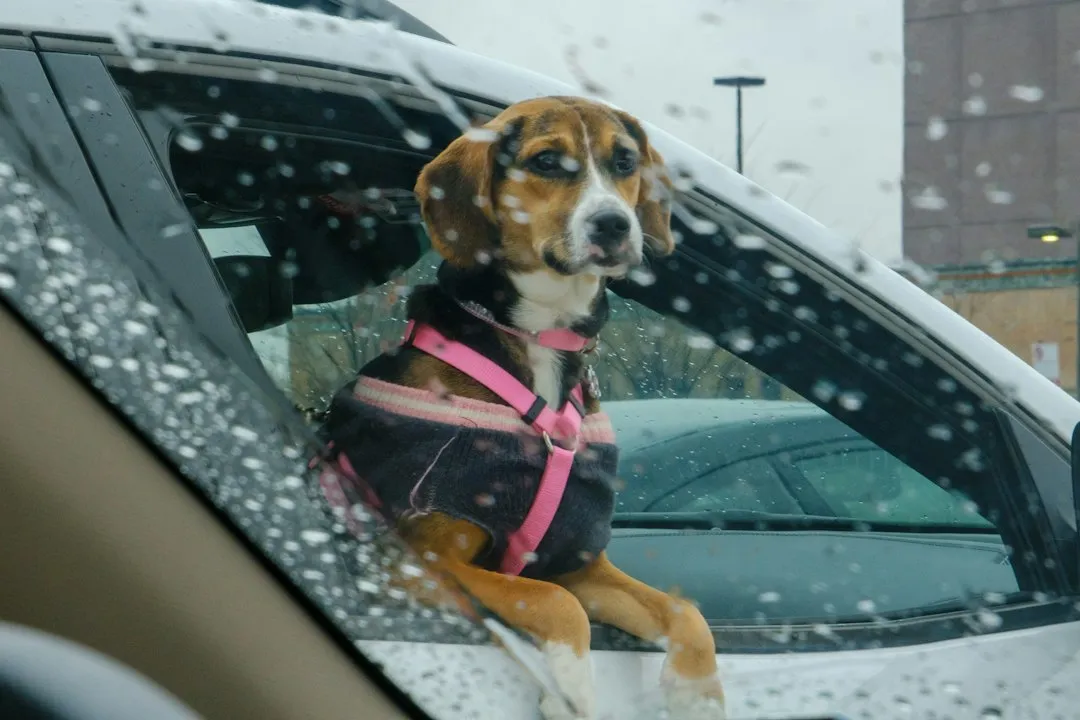
According to the ASPCA, a good rule of thumb is simple: if it’s too cold for you, it’s probably too cold for your dog. That principle becomes even more relevant inside a parked car, where conditions deteriorate faster than they do in open air. If you’re stepping out in a heavy coat and still feeling the chill, the car you’re leaving your dog in is already colder than you think.
The firm guidance from animal welfare organizations is to avoid leaving your dog in the car even for brief periods, since temperatures starting at 50 degrees Fahrenheit and lower can lead to hypothermia, especially in small dogs. Pets should never be left alone in a car for more than a few minutes, especially in cold temperatures, as they can quickly become vulnerable to cold-related injuries.
Final Thoughts

The cold car danger doesn’t get the same headlines as its summer counterpart, but the underlying mechanics are just as serious. A parked, engine-off vehicle in winter is not shelter. It is an uninsulated enclosure that chills faster than the open air outside it, with no ventilation, no heat source, and no way for a dog to signal distress effectively.
The science is consistent across veterinary and animal welfare sources: cold cars are genuinely dangerous, the timeline is short, and the consequences range from treatable hypothermia to death. The simplest and most reliable way to protect a dog is the same in December as it is in July. Leave them home, or bring someone who can stay with them.
AI Disclaimer: This article was created with the assistance of AI tools and reviewed by a human editor.