

Every December, millions of people walk into a lot or farm, pick out a fresh-cut tree, and have it decorated within hours. What almost nobody stops to think about is the years of labor, weather, and patience that went into growing it. That tree did not appear overnight.
The number seven keeps coming up in this story, and there is a real reason for it. According to the National Christmas Tree Association, it can take as many as 15 years to grow a Christmas tree of typical height, or as little as 4 years, but the average growing time is 7 years. That range reflects just how many variables are at play from the moment a seed goes into the ground.
It Starts Long Before the Farm Field
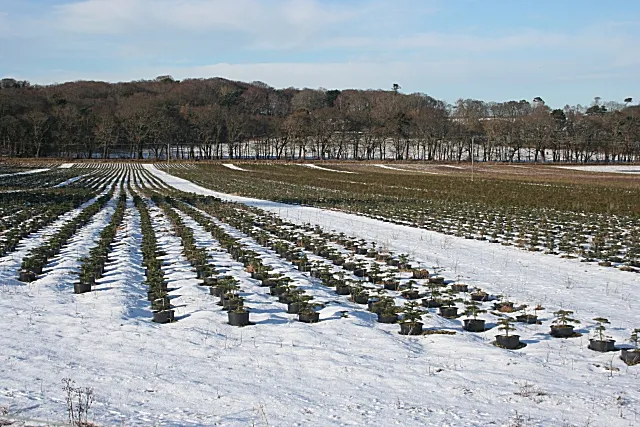
Christmas trees are typically grown from seeds, and the most common method is propagation from seed. It takes two to four years for a seed to germinate, sprout, and reach the sapling stage. That means years one through three or four often happen in a nursery, not in the open field where you imagine the tree growing.
During the first two years, a Christmas tree begins as a nursery-grown seedling. These young plants are typically small and are nurtured in controlled environments to develop a strong root system. The nursery phase is quiet and unglamorous, but skipping it would result in far higher rates of crop failure once the seedlings are transferred to the field.
The First Four Years Are Mostly Underground
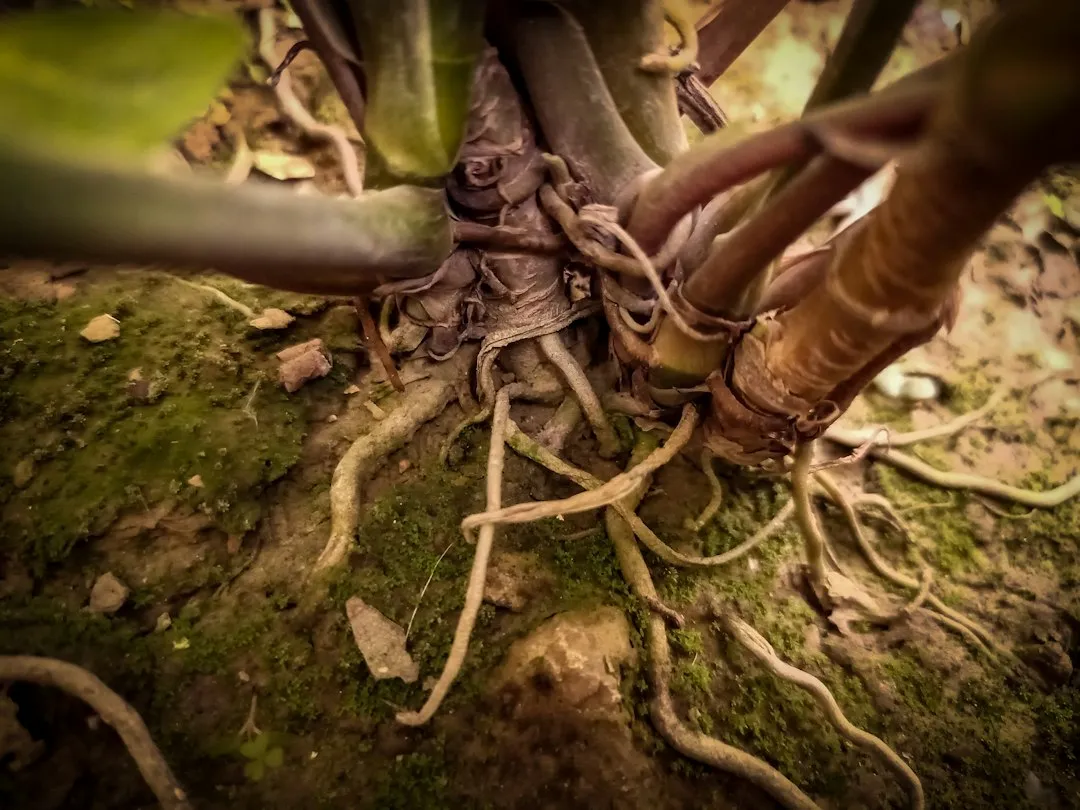
For the first four years, Christmas trees focus their energy on establishing a strong root system beneath the soil. This initial investment in root development is crucial for the tree’s long-term health and future growth. From above ground, the progress looks almost invisible.
The growth is not really consistent. For a tree to go from seed to sapling and reach just 1 foot could take as long as four years. Farmers know this. They plan for it. The patience required during this window is one of the things that separates experienced Christmas tree growers from beginners who expect faster results.
Then Comes the Growth Spurt
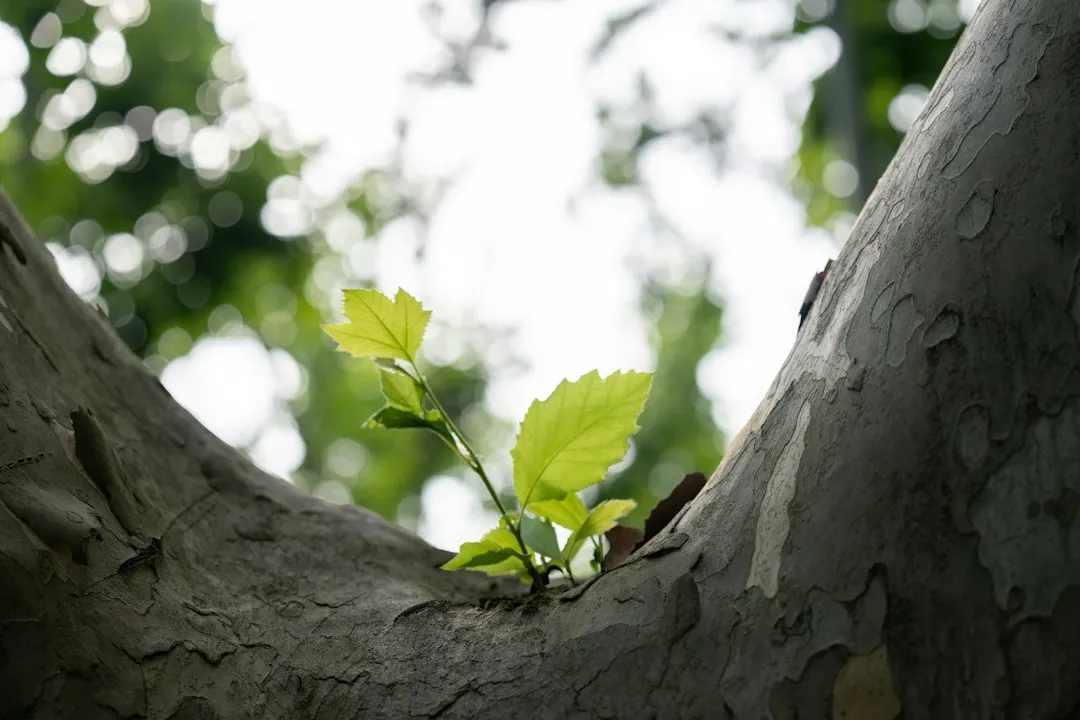
After the slow early years, you will see a sharp increase in height in the next developmental phase. Under the right cultivation practices, a tree can span approximately 4 feet annually. This sudden burst of vertical growth is the stage most people associate with a “growing” tree, though it only becomes possible because of all those earlier underground years.
Christmas trees tend to go through growth spurts as they get older. By the time a real tree reaches four years old, it will likely grow 12 to 18 inches in height every year. At that point, the farmer shifts focus from just keeping the tree alive to shaping it into the dense, symmetrical form that buyers expect.
The Species You Choose Changes Everything
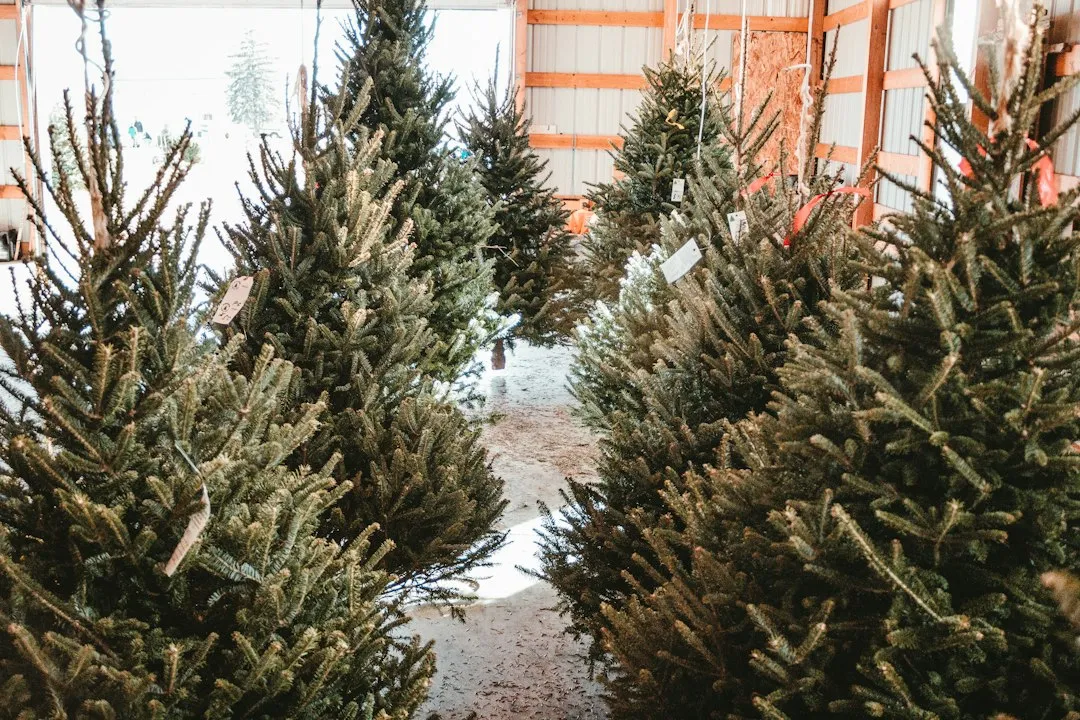
Most Christmas trees take about 7 to 10 years to reach 6 or 7 feet, the height many families want for a living room. A fast species on a good site may be ready in four to six years, while a slow fir or a poorly matched planting site can take 10 to 15 years or fail before harvest.
Balsam firs tend to grow slowly at just 12 inches annually, while a Leyland Cypress can hit 24 inches in the same period of time. Scotch pines are fast growers and can mature in as little as six years, whereas Noble firs and Blue spruce trees grow more slowly, taking up to 12 years to reach the same height. So the species decision made at planting time shapes the entire timeline of the farm’s investment.
Soil and Climate Shape the Timeline Too

Christmas trees thrive in well-draining soil with a balanced pH level ranging between 5.0 and 6.5. Poor soil conditions can stunt growth and prolong the time it takes for trees to mature. Farmers on ideal hillside terrain with the right soil chemistry can shave a year or two off the cycle. Those on less cooperative land often cannot.
Christmas tree root growth begins in early spring, a month or more before late-spring bud break. Christmas tree growth follows an annual cycle. Soil temperature, water availability, and seasonal light all feed into whether a given year counts as a good growth year or a lost one. A single drought season can set a crop back significantly.
Farmers Shape the Trees by Hand
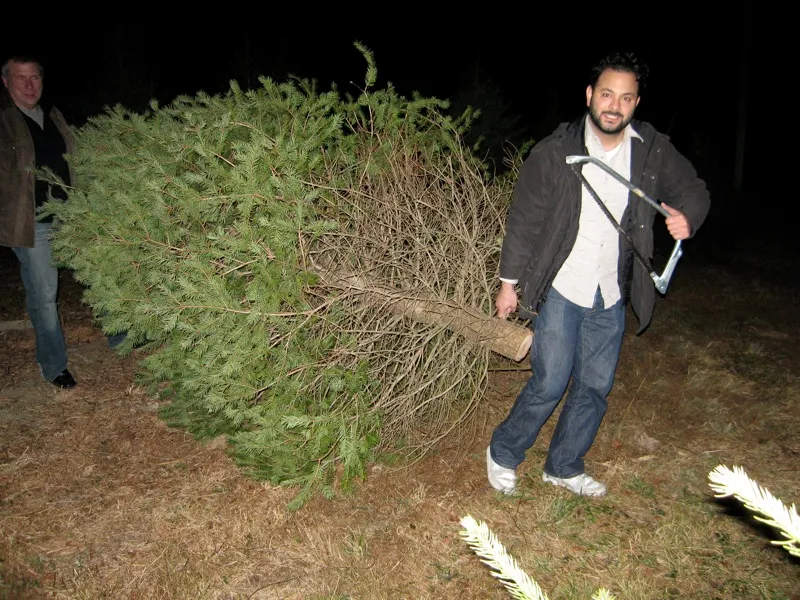
During the steady growth stage, trees experience their most rapid growth, and farmers carefully prune the trees to shape them into the classic Christmas tree form. This shearing work is done by hand, typically once a year, and it takes real skill to cut the right amount without slowing the tree’s development.
Growing Christmas trees can be a lot of work. Not only is there the planting, nurturing, and harvesting of the trees, but there is also time put into making sure the trees do not get too big. Left to grow on their own, most of these species would eventually reach heights of 40 or 50 feet. The whole process of Christmas tree farming is essentially a long, sustained act of controlled interruption.
Bigger Trees Mean Even More Years
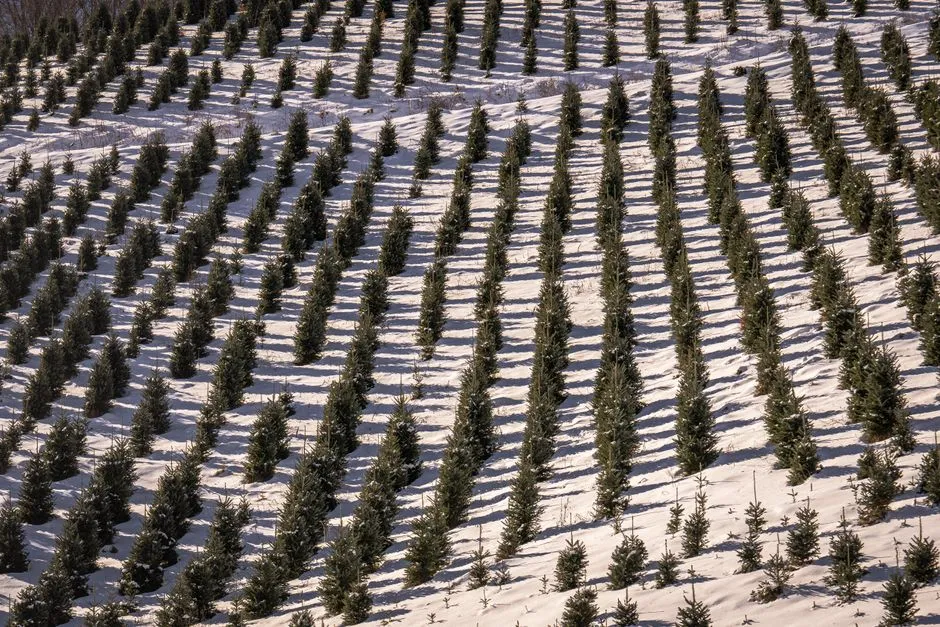
If you have vaulted or raised ceilings and opt for a more imposing tree that is 7 to 8 feet tall, that tree probably spent eight to 12 years reaching that height. The extra foot or two of height does not sound like much in a living room. On the farm, it represents years of additional investment and risk.
To grow a 7-foot Christmas tree, a farmer may need 8 to 12 years of tending. If you are cultivating the Christmas tree from seed, expect to add at least three years onto this timeframe. Commercial growers typically work with transplants rather than raw seeds precisely to avoid adding those extra years to an already long cycle.
The Scale of the Industry Is Enormous
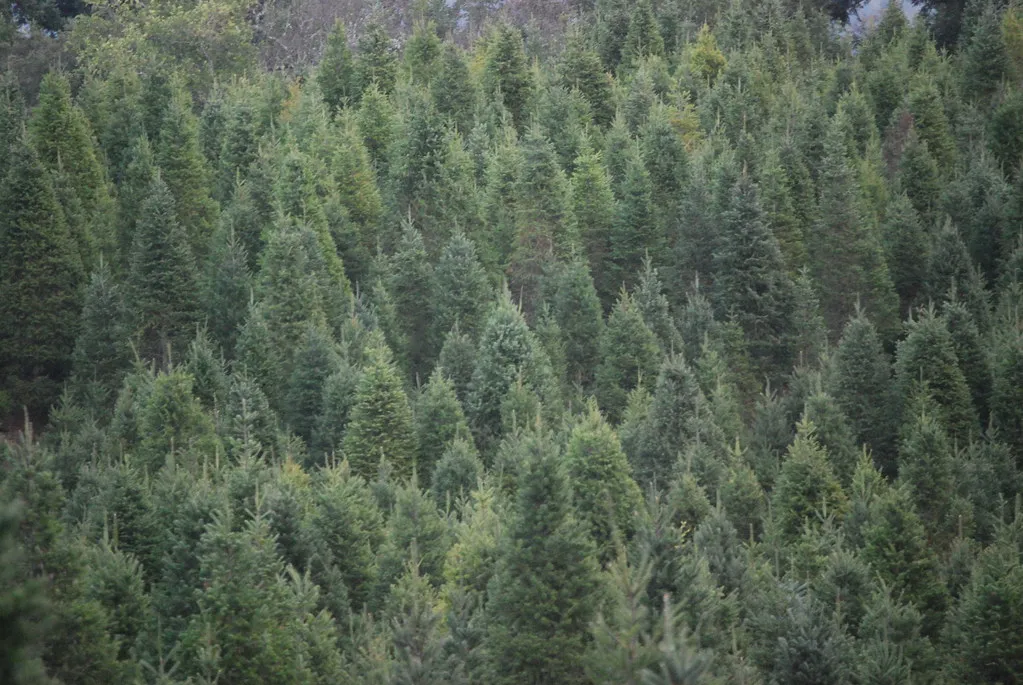
Christmas tree farms across the country cover 266,964 acres of land, according to the most recent USDA data. Today there are more than 15,000 Christmas tree farms across the country, in all 50 states. That is a remarkable footprint for a product that people display for roughly three to four weeks and then discard.
Noble fir, which is Oregon’s signature Christmas tree species, grows about one foot per year and is usually harvested after 8 to 10 years of growth. Oregon is the nation’s largest Christmas tree producing state, growing more than 6 million trees per year. More than half the trees cut each Christmas season are typically grown in just two states, Oregon and North Carolina, which together produce more Christmas trees than the other 48 states combined.
Planting Never Really Stops
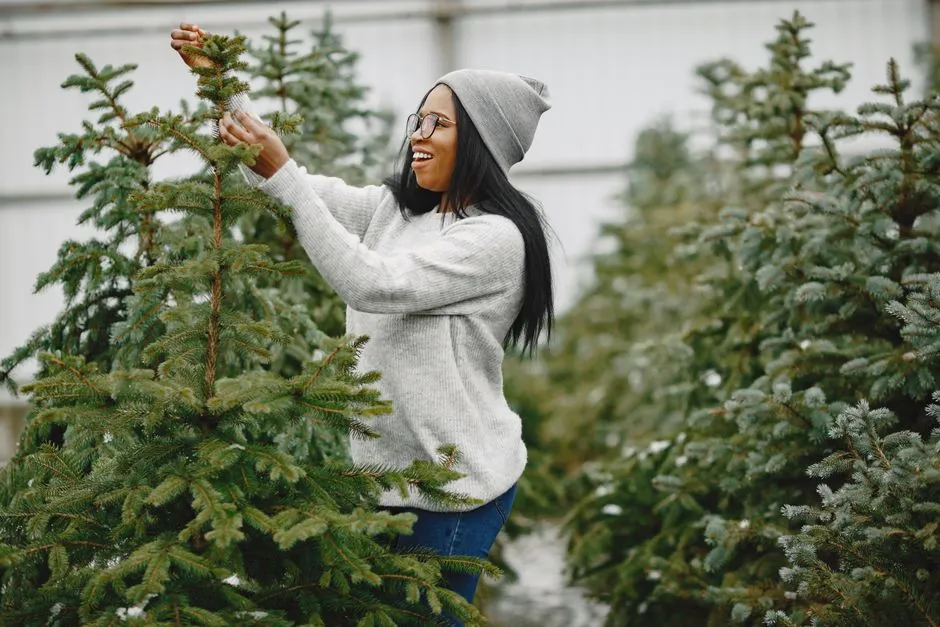
Each spring, Christmas tree farmers plant seedlings, typically planting 1 to 3 seedlings for every tree they harvested the previous autumn. This continuous replanting is what keeps the supply steady year after year, even though any individual tree takes the better part of a decade to reach the lot.
For every real Christmas tree harvested in the United States, growers plant one to three new seedlings the following spring. The math works out to a farm that is always in motion, always tending to trees at three or four different stages of development at once. It is less like harvesting a crop and more like managing a slow-moving relay race.
Weather and Climate Are Growing Threats
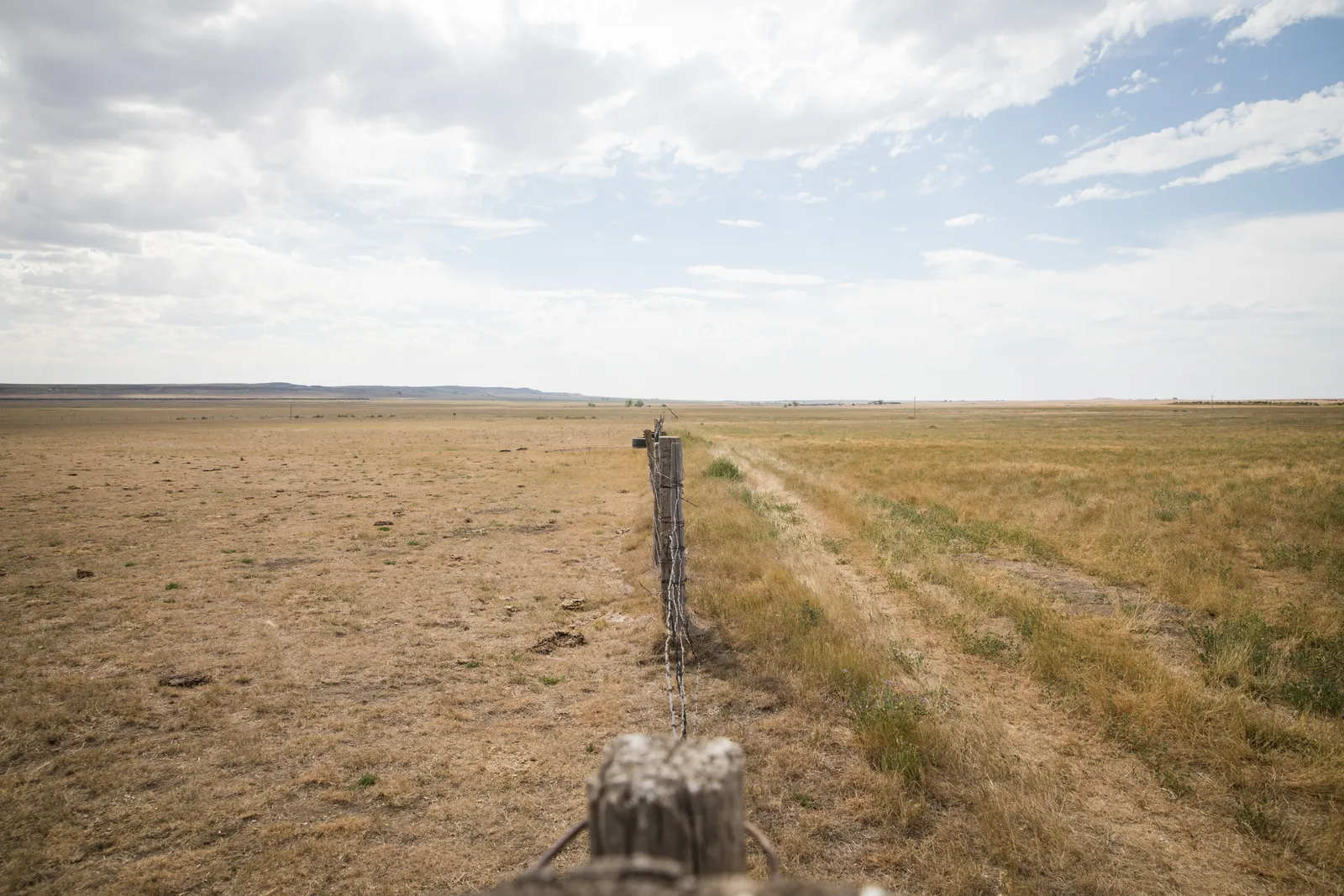
Christmas tree farming carries some unique risks, not least of which is the seven to fifteen years between planting and maturity, an investment that can be wiped out in an instant by drought, fire, disease, and a host of other threats. When something goes wrong, it is never just one season’s work that is lost.
Challenges to Christmas tree farms span from coast to coast. Drought has wilted crops in Oregon, while wind, flood, and landslides caused by September’s Hurricane Helene dented North Carolina’s tree production. Hurricane Helene in late September 2024 significantly affected the Christmas tree industry, especially in North Carolina. When a storm destroys trees that have been growing for six or seven years, there is no fast way to recover that inventory.
The Final Takeaway
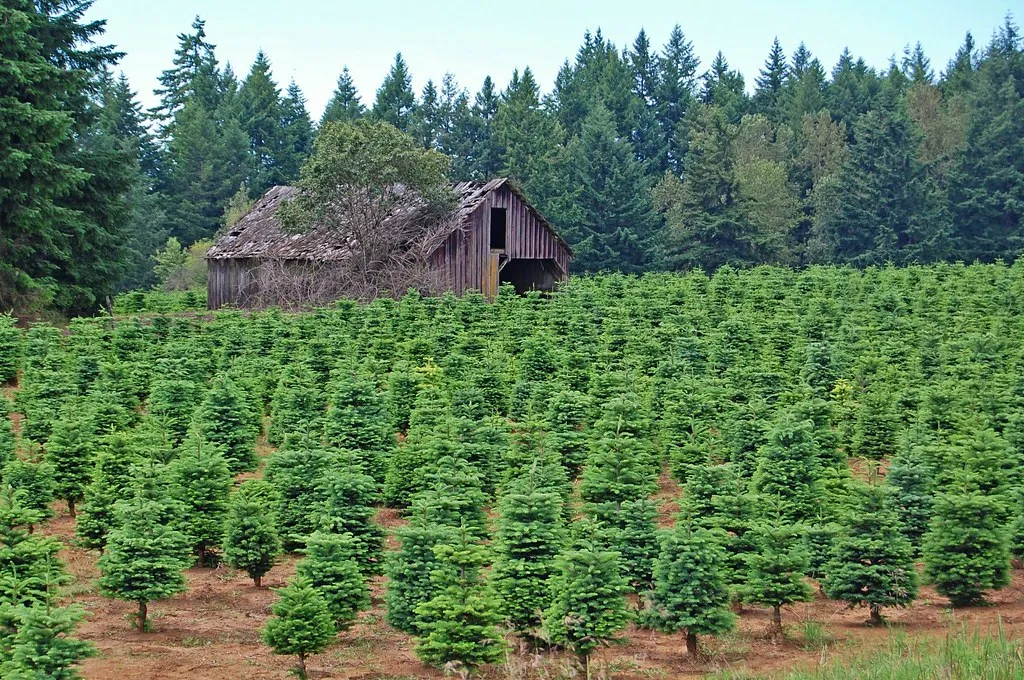
Seven years is not a quirk of nature. It is the result of biology, species genetics, soil chemistry, climate patterns, and years of skilled human labor all working together at the same pace. As one Christmas tree farmer put it plainly, “the Christmas tree business is a 10-year investment.”
The next time you stand in front of a tree lot and debate between two options for a few minutes, it is worth remembering that one of those trees was likely in the ground before some children in your neighborhood started primary school. That context does not make the choice harder. It just makes the whole tradition feel a little more earned.
AI Disclaimer: This article was created with the assistance of AI tools and reviewed by a human editor.