

Most people see a chip on a ceramic planter and reach for the bargain bin price tag. That instinct is understandable, but it might also cost you a genuinely important piece. The chip itself, oddly enough, is sometimes one of the most useful tools for confirming age and authenticity.
Knowing what to look for underneath the glaze, inside the chip, and on the base of these objects separates the curious browser from the informed collector. This guide walks through ten things that a chipped ceramic planter can quietly reveal.
The Chip Exposes the Clay Body Underneath
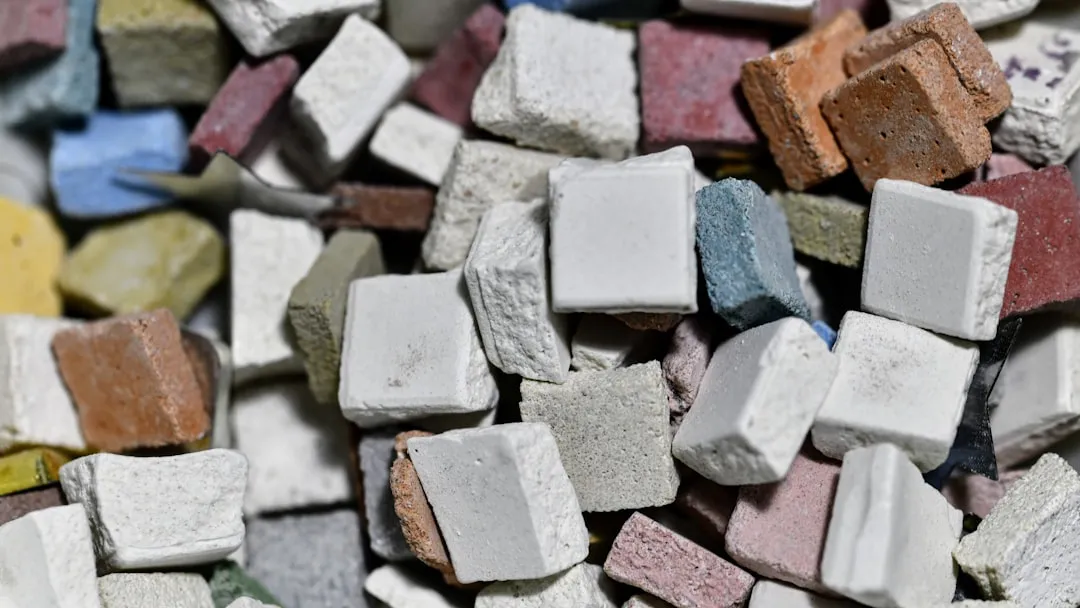
When a ceramic planter chips, the damaged edge reveals the raw clay body beneath the glaze, and that exposed area is one of the most reliable dating tools available. Authentic mid-century pieces, such as those made by McCoy in Ohio, use a buff-to-reddish clay sourced from regional deposits, and when you look at unglazed areas, including any chip, you should see a warm, earthy tone ranging from light tan to reddish-brown.
Many reproductions, especially Chinese imports, use a grey-white or pale clay body that immediately distinguishes them from original American mid-century work. So before dismissing a chipped piece as damaged goods, turn it over, look at the exposed break, and ask what color you’re actually seeing.
Not All Unmarked Planters Are Worthless

You won’t always find a maker’s mark to verify that a planter is an authentic mid-century piece. Many are unsigned, and many are production pieces, meaning mass-produced planters based on an original design. That absence of a stamp is not the same as an absence of value.
Unmarked planters from the 1950s and 1960s deserve consideration based purely on design merit. These unmarked or generically marked pieces often represent excellent value because collectors can’t definitively attribute them to famous makers, though the quality speaks for itself regardless of attribution. A chip that reveals correct clay and period-consistent construction can actually support the case for age more concretely than a suspiciously pristine mark ever could.
Glaze Characteristics Tell a Specific Era Story
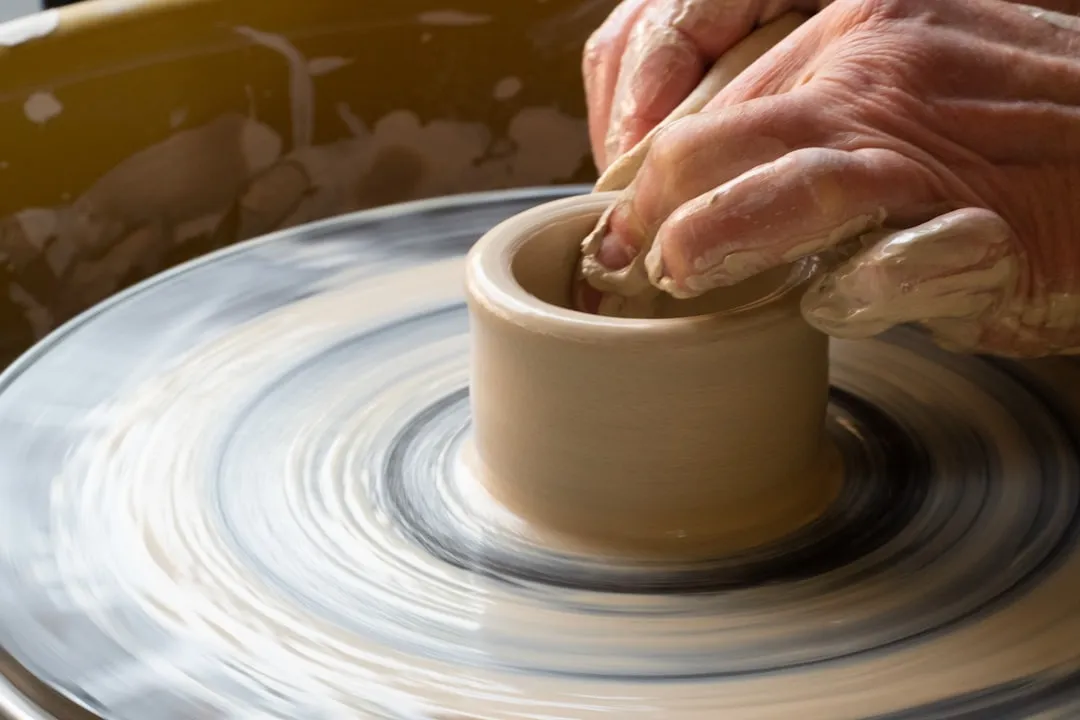
Mid-century production processes often relied on a dip-and-pour glazing method that created characteristic glaze pooling at the base of pieces. Thick, glossy glaze accumulation near the foot, often with visible drip lines or runs where excess glaze flowed downward during firing, is a hallmark of genuine period work and is difficult for reproductions to replicate convincingly.
Companies like McCoy built their reputation on soft matte pastels, including celadon green, butter yellow, dusty pink, and a chalky aqua, before shifting to high-gloss browns and speckled finishes by the 1960s. Any seasoned collector knows that thick, slightly uneven matte glaze is a signature of the period, not a flaw. When a chip sits next to that kind of rich, irregular glaze, it starts looking less like damage and more like documentation.
Maker’s Marks Are Clues, but They’re Not the Whole Story
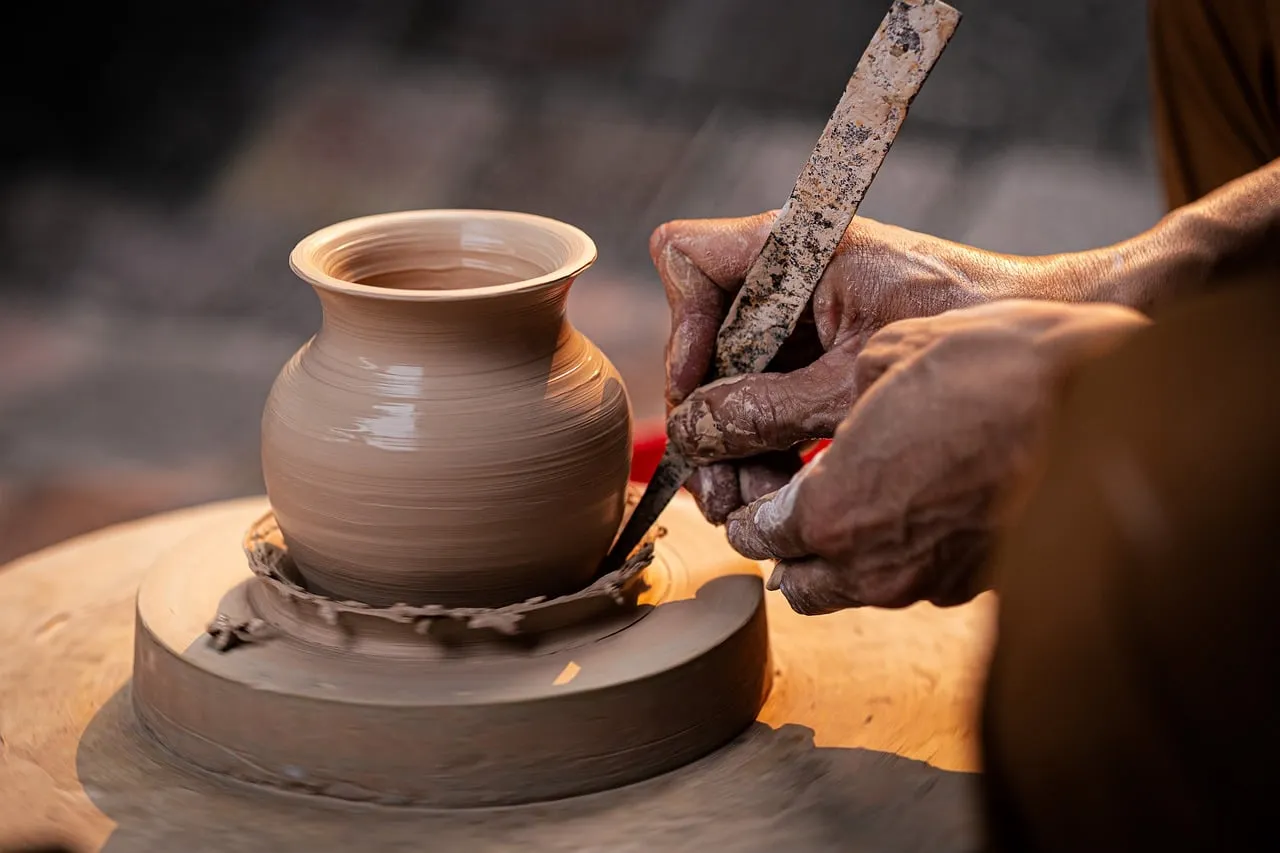
Much of mid-century studio pottery features a symbolic stamp on the bottom of the piece or a signature applied in glaze to identify the maker. These marks help buyers authenticate the work and can also help collectors discover what year a product came from a particular studio or potter.
Still, marks require careful reading. Marks changed over each company’s lifetime, so the mark style should be treated as a dating clue, not just an attribution. When a mark looks right but the glaze, weight, or wear doesn’t align, experienced collectors trust the pot rather than the mark. A chipped planter with a consistent mark, correct clay color, and period-appropriate glaze presents a much more convincing picture than a pristine piece with a single mark and nothing else.
Gainey Ceramics: A Useful Case Study in Chips and Value
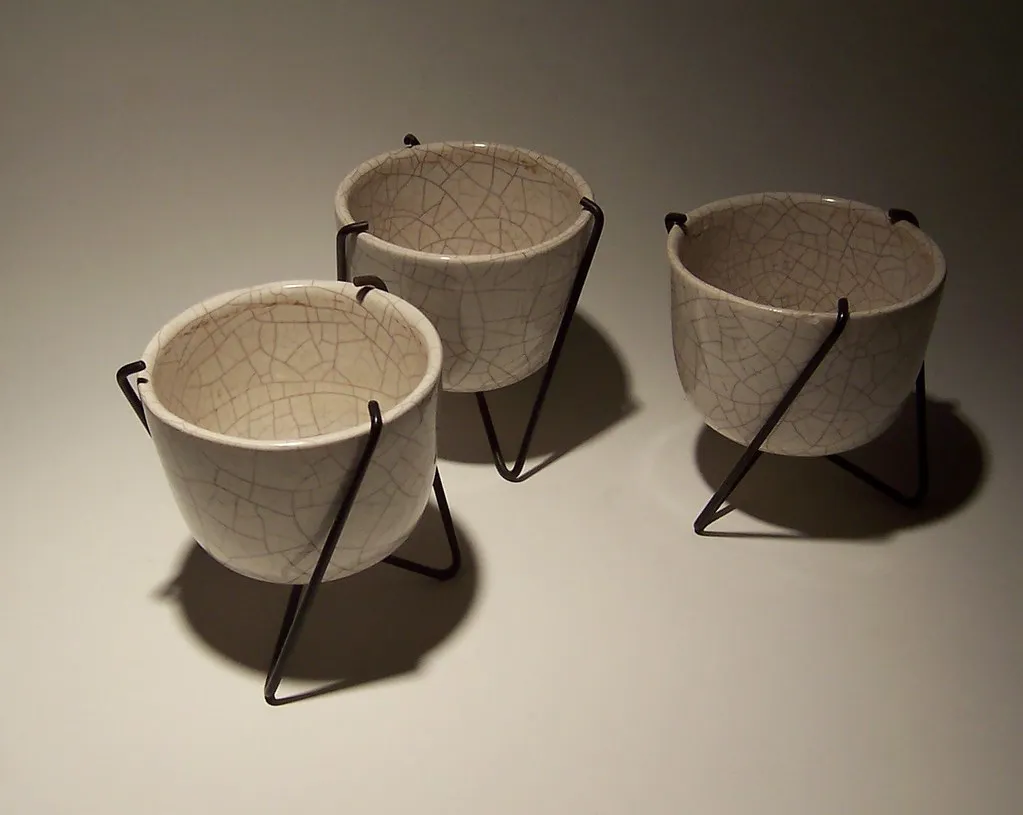
Gainey Ceramics planters, known for their mid-century style, can resell for over $1,000 each, and authentic examples are marked with the brand’s name on the bottom, making them relatively easy to identify. Gainey Ceramics was a family-owned American company that closed in 2013 and has seen a rise in popularity tied to broader mid-century modern design trends.
These planters were manufactured in La Verne, California, during the 1960s, and feature a range of finishes including terra cotta, deep satin black, and speckled glazes. Chips on confirmed Gainey pieces are openly documented in auction listings and don’t necessarily prevent sale, especially on larger architectural forms where condition expectations are slightly more forgiving.
How Much Does a Chip Actually Reduce Value?

If an item is damaged, a general rule of thumb among dealers is that the value will be roughly fifty to seventy-five percent of the price a collector would pay for a mint example, and even minor damage typically has a significant impact on the price. The severity of that reduction, though, depends heavily on the maker and the rarity of the piece.
For certain makers, like Grueby Pottery, minor flakes, nicks, and chips are often expected and have little impact on the desirability or price of the piece. By contrast, Rookwood Pottery collectors are typically very critical of even slight damage, and a single small chip on a Rookwood vase will often reduce value by roughly forty to fifty percent. Context, in other words, matters enormously.
Weight and Construction Quality Are Quiet Indicators
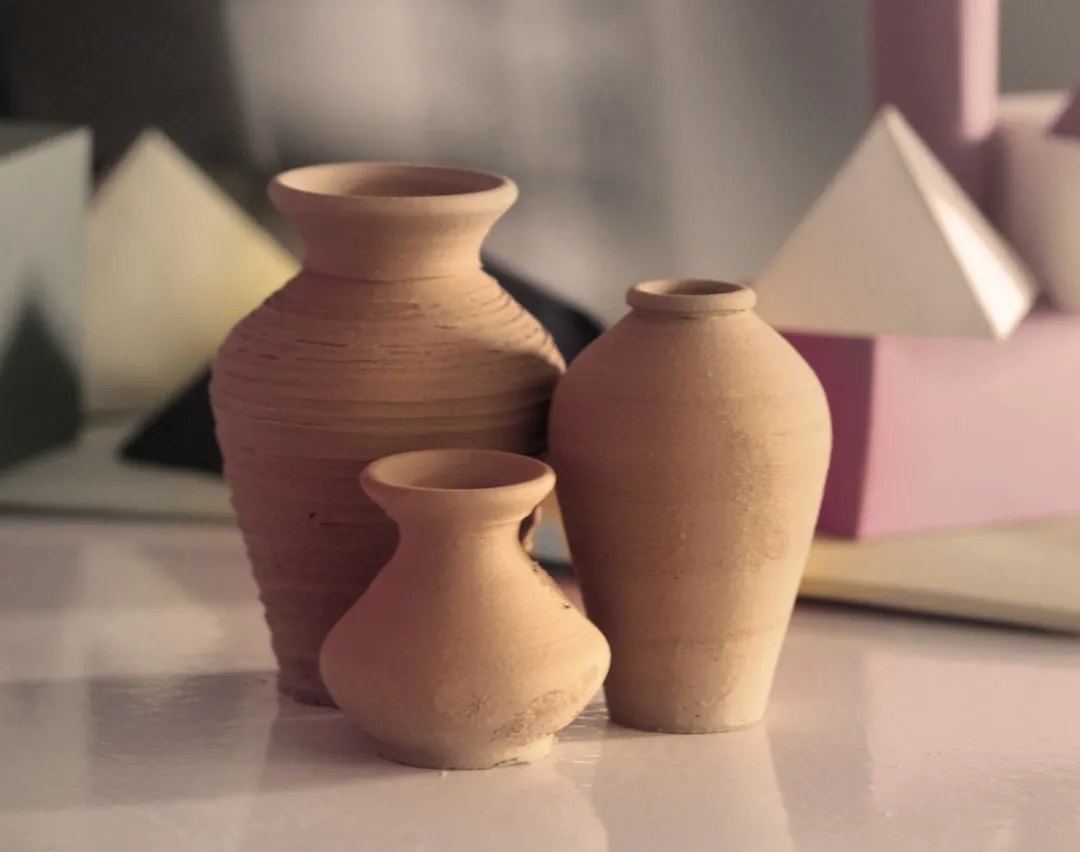
Beyond the glaze and the clay color, the physical weight and construction of a planter carry their own authentication value. Mid-century American ceramic planters were typically thick-walled and noticeably heavy compared to modern reproductions, which often prioritize affordability over material integrity.
The most important value determinants for vintage planters are manufacturer prestige, condition, rarity of form or pattern, and size. Large floor-standing pieces in good condition are genuinely scarce because their size makes them more vulnerable to damage over decades of use. A heavy, well-constructed planter with a chip but an otherwise sound body is a more compelling find than a lightweight piece in apparent perfect condition.
The Mid-Century Modern Collector Market Is Still Growing
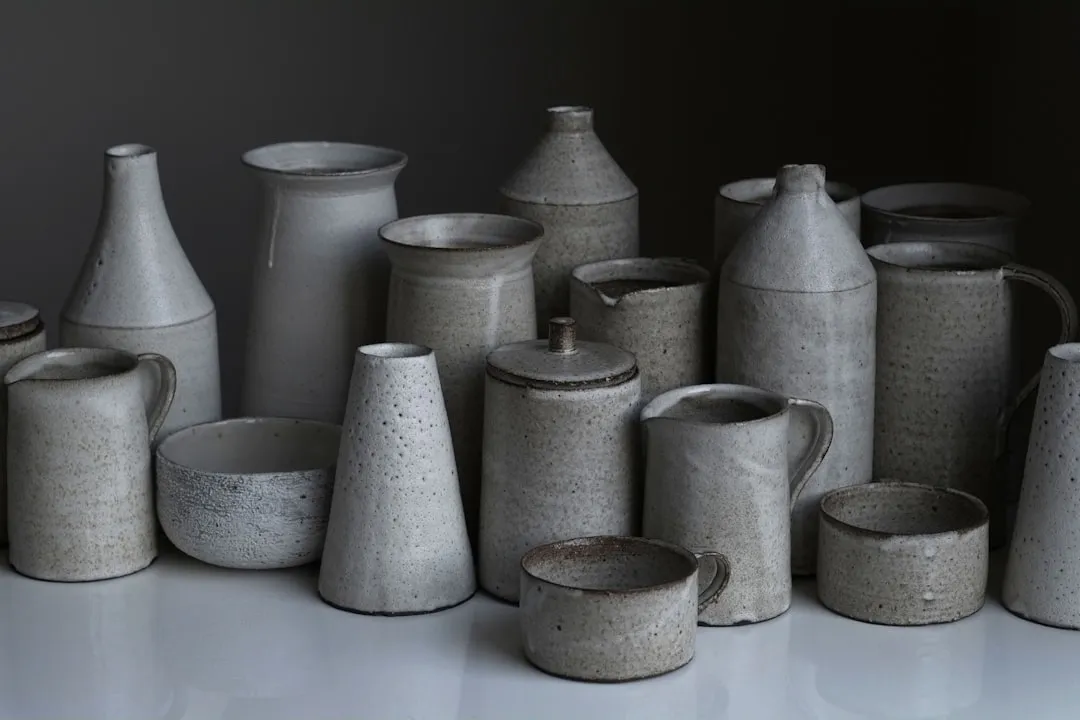
Vintage ceramics have quietly become one of the most profitable collecting categories at auction, with mid-century planters and art pottery regularly selling for thousands. What started as functional garden containers has transformed into serious investment pieces, and the market shows no signs of cooling.
Mid-century modern planters from manufacturers like Architectural Pottery and Gainey have attracted a new generation of design-conscious collectors willing to pay premium prices for clean-lined examples in good condition. The keyword there is “design-conscious,” meaning this audience often cares about form and authenticity more than minor surface imperfections. A chipped original will beat an intact reproduction every time for serious buyers.
West German Pottery and the Chip That Reveals Lava Glaze
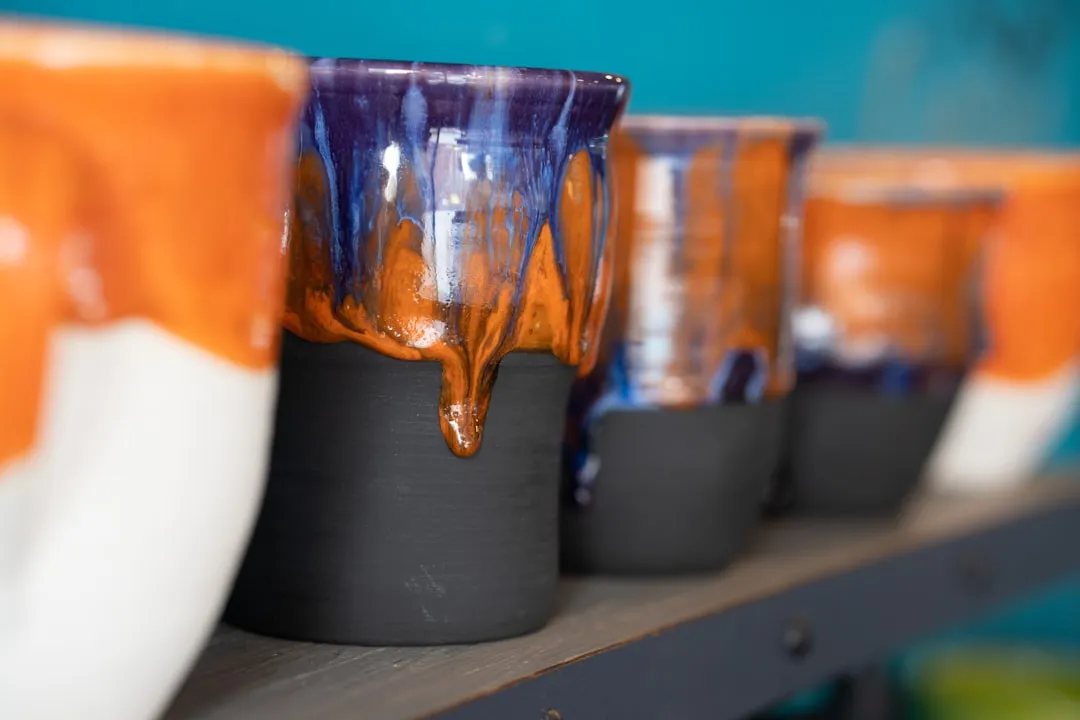
West German pottery from the 1950s through the 1970s, produced by makers like Scheurich, Ruscha, and others, represents one of the most actively collected categories in mid-century ceramics. These pieces are known for their dramatic volcanic and lava glazes, thick layered surfaces that can look almost geological in texture.
Some of the more distinctive regional firms were well-known for their multi-colored drip glazes, and vertical impressions on the sides of certain wares became something of a trademark for individual producers. When one of these pieces chips, the break typically exposes a dense, buff-colored stoneware body that looks nothing like modern casting clay, and that difference alone can confirm a European mid-century origin to a trained eye.
How to Properly Research a Chipped Find Before Selling or Keeping It
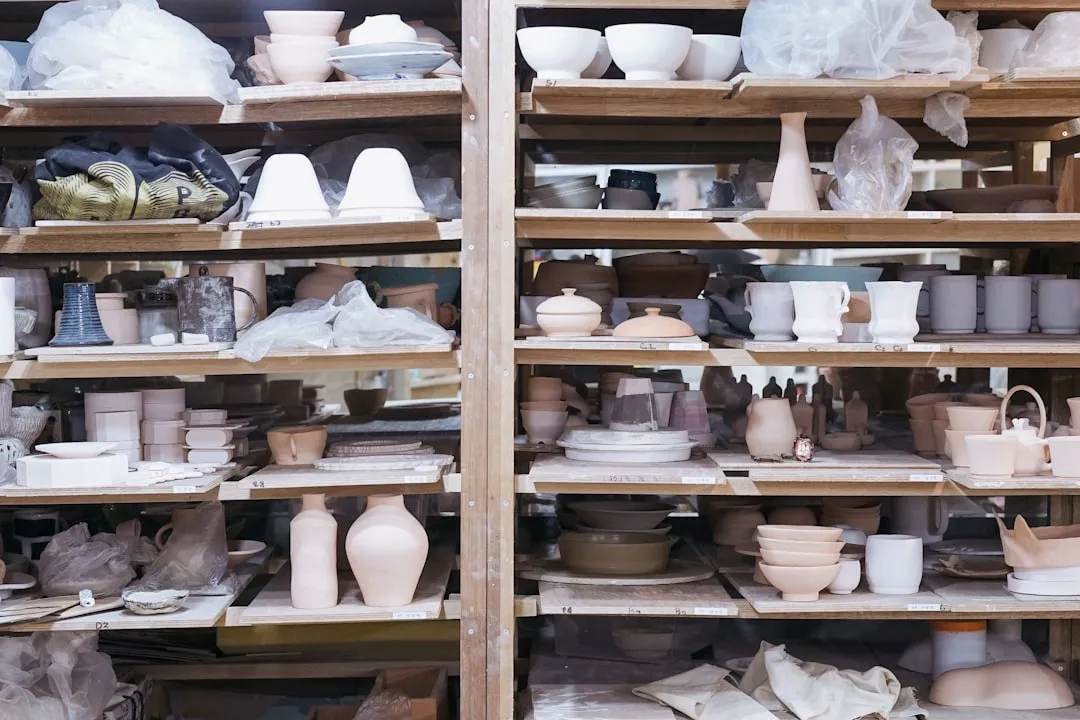
Online marketplaces require careful diligence. Requesting multiple high-resolution photographs of base marks, glaze surface in raking light, and any damaged areas before drawing conclusions is standard practice among serious collectors. If you’ve found a piece yourself, the same logic applies in reverse: photograph those areas carefully before sharing with dealers or appraisers.
When examining any potential find, turn the piece over and check for identifying marks. Even if you don’t recognize the mark, it’s worth researching the maker through resources such as the American Pottery Marks and Resource Directory. Reputable auction houses that specialize in art pottery, including established regional sale rooms, can provide the clearest picture of current comparable values for chipped originals. If you’re buying from a reputable dealer, they may also be able to provide provenance, meaning the documented record of ownership that helps prove a planter is original.
The Takeaway: The Chip Is Part of the History
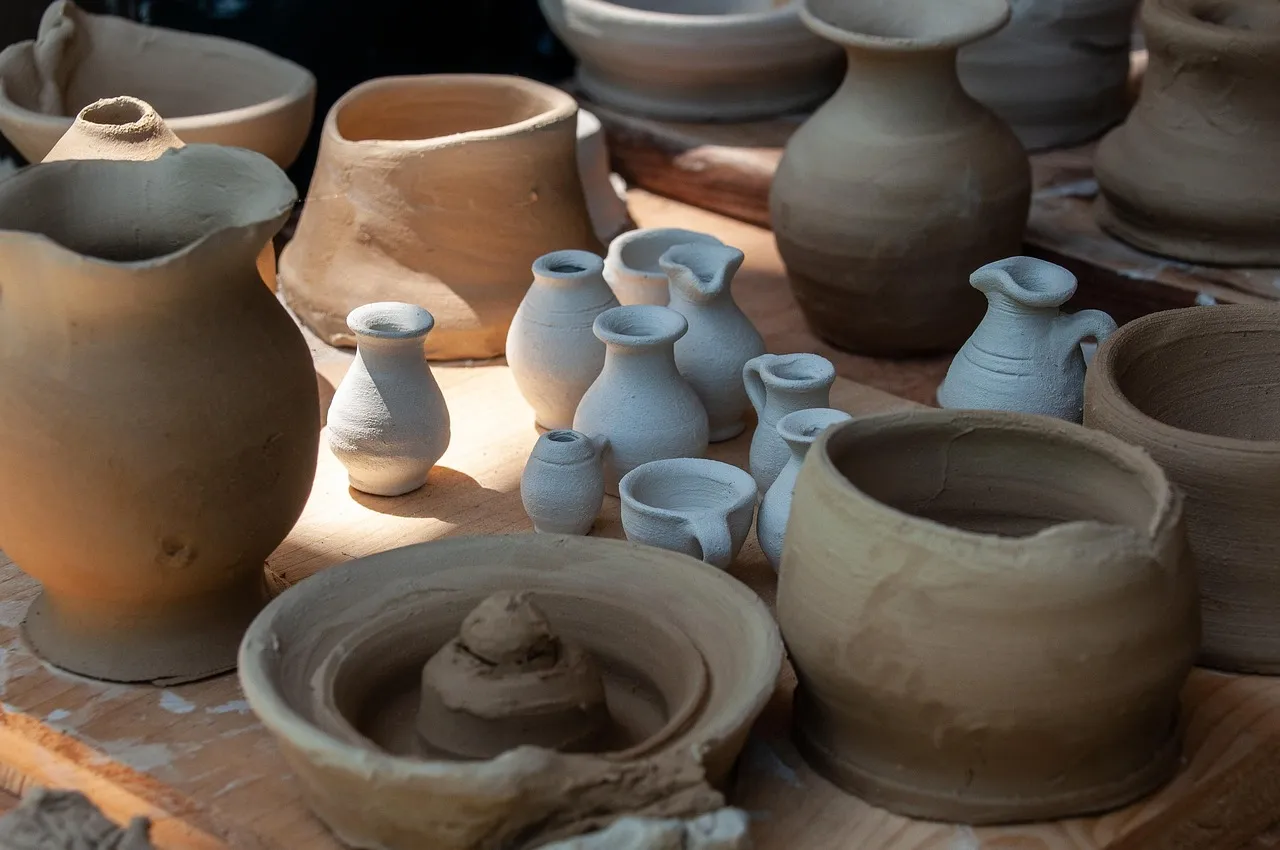
A chip on a mid-century ceramic planter isn’t necessarily a flaw to mourn. It’s a window, literally, into the material history of the object. The clay body exposed at the break, the glaze pooling nearby, the weight and the proportions of the form all carry information that no reproduction can convincingly fake when examined closely.
The collector market has matured enough to recognize this. Chipped originals trade alongside mint examples, sometimes at meaningful prices, because authenticity carries its own weight. The next time you spot a battered planter at an estate sale, don’t walk past it too quickly. Turn it over, look at the break, and give it a moment to tell you what it is.
AI Disclaimer: This article was created with the assistance of AI tools and reviewed by a human editor.