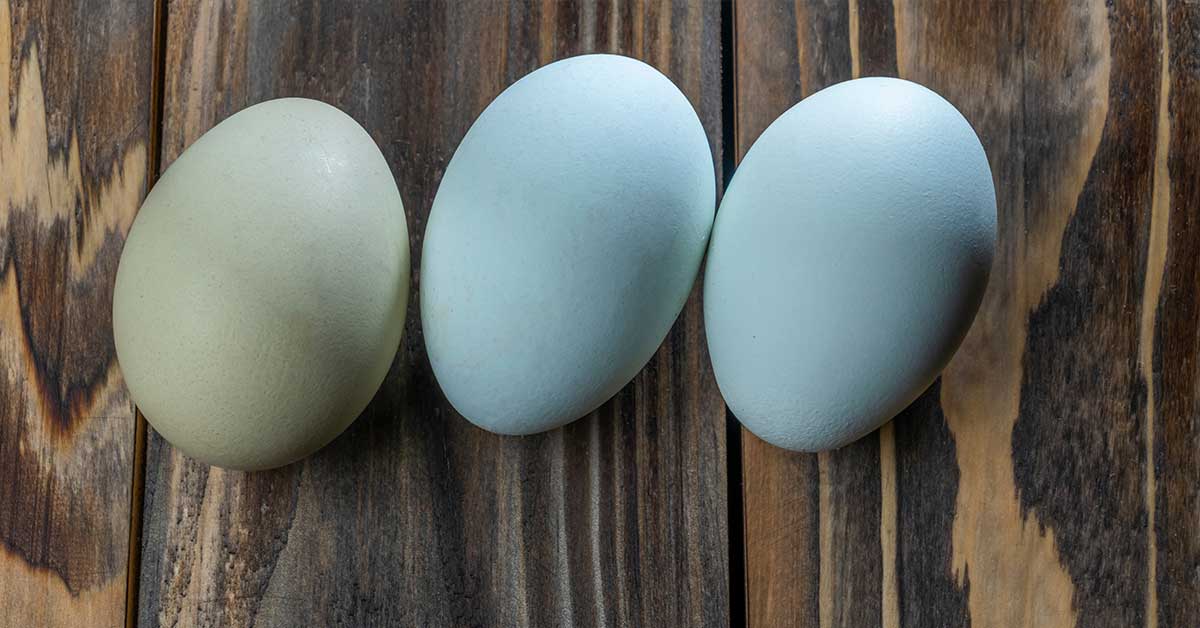

Whiting True Blue chickens are an uncommon but increasingly popular breed of chicken known for their unique appearance and egg-laying abilities. These birds are prized for their blue eggs, which are a distinctive feature that sets them apart from other chicken breeds. In this article, we will explore the appearance of Whiting True Blue chickens, how many eggs they lay per year, what color eggs they lay, and how to care for them.
Whiting True Blue Chicken Appearance
Whiting True Blue chickens are medium-sized birds with a distinctive blue coloration. They have a compact body with a round head and a small comb. Their feathers are soft and fluffy, with a pale blue coloration that ranges from a light powder blue to a deeper slate blue. Their eyes are typically a bright red color, which adds to their striking appearance. Whiting True Blue chickens are known for their docile temperament, making them an excellent choice for backyard flocks. Whiting True Blue chickens are known for their docile temperament, which makes them easy to handle and interact with
Breed origins
The Whiting True Blue chicken is a relatively new breed, first developed in the United States in the 1960s. It was created by crossing a number of breeds, including the Araucana, White Leghorn, and Barred Rock, in order to produce a chicken with a unique combination of traits, including blue eggs, white feathers, and a friendly temperament.
The Araucana, originally from Chile, is known for its blue eggs and distinctive ear tufts. The White Leghorn, from Italy, is a popular breed for commercial egg production due to its high egg-laying capacity. The Barred Rock, also known as the Plymouth Rock, is a hardy breed with black and white striped feathers.
By crossing these breeds, breeders were able to create a chicken with blue eggs, white feathers, and a calm and friendly disposition. The Whiting True Blue chicken is still a relatively rare breed, but it has gained a following among backyard chicken keepers and those interested in sustainable and heritage poultry breeds.
Egg Production
One of the main reasons why Whiting True Blue chickens are so popular is their excellent egg-laying abilities. These birds are known for laying a high number of eggs per year, with some hens producing up to 300 blue eggs annually. The eggs are medium-sized and have a beautiful blue coloration that ranges from pale blue to a deeper shade of turquoise. The eggs have a similar taste to regular chicken eggs, but their unique color makes them a popular choice for home cooks and bakers who want to add some variety to their dishes.
Caring for Whiting True Blue Chickens
Like all chickens, Whiting True Blue chickens require proper care and attention to thrive. Caring for chickens is pretty straight forward, but it requires a significant amount of responsibility. Proper care is essential to ensure that your Whiting True Blue chickens remain healthy and happy and to maximize their egg production. Here are some tips on how to properly care for chickens:
- Provide Adequate Space: Chickens need sufficient space to move around, stretch their wings, and flap their feathers. You should provide at least 3-4 square feet of indoor space per chicken and 8-10 square feet of outdoor space per chicken.
- Ensure Proper Ventilation: Good ventilation is essential to keep your chickens healthy. Ensure that there is enough airflow in the coop by providing adequate ventilation, such as windows or vents.
- Keep the Coop Clean: A clean coop is vital to prevent diseases and infections. You should clean the coop regularly, remove any bedding or droppings, and replace it with fresh, dry litter.
- Provide Fresh Water and Food: Chickens require clean water and proper nutrition to thrive. Ensure that their water is changed daily, and their food is always fresh and free of mold or contaminants.
- Protect from Predators: Chickens are vulnerable to predators, such as foxes, raccoons, and hawks. Ensure that the coop is secure and that the chickens are locked up at night. Use appropriate fencing or netting to protect them from aerial and ground predators.
- Monitor their Health: Chickens can fall sick from time to time, and early detection is crucial to prevent the spread of illness. Regularly monitor your chickens for signs of illness, such as lethargy, loss of appetite, or unusual behavior. Consult a veterinarian if you notice any symptoms.
- Give them a Dust Bath: Chickens love to take dust baths, which help to keep their feathers clean and healthy. Provide them with a shallow container filled with dry dirt or sand.
- Provide Enrichment: Chickens are intelligent animals and need stimulation to keep them happy. Provide them with toys, such as hanging treats, or access to scratching areas to keep them occupied.
Caring for chickens requires providing them with adequate space, proper ventilation, a clean coop, fresh water and food, protection from predators, monitoring their health, dust baths, and enrichment. By following these tips, you can ensure that your chickens remain healthy and happy, and provide you with fresh eggs for years to come.