
If you’re a fan of leafy greens, let us introduce you to the elegant and nutritious White Silver Swiss Chard. This remarkable plant, also known as white-stemmed chard, captivates gardeners with its striking appearance and delicate flavor.
With its crisp, white stalks and deep green leaves, White Silver Swiss Chard not only adds visual interest to any garden but also provides a wealth of health benefits. Whether you are a seasoned gardener or just starting out, join us as we uncover the secrets to growing, caring for, and enjoying this exceptional variety of chard.
What is a White Silver Swiss Chard?
White Silver Swiss Chard is a variety of Swiss chard, a leafy green vegetable that is known for its vibrant and colorful stems and leaves. Unlike other varieties of Swiss chard that have brightly colored stems like red, yellow, or orange, White Silver Swiss Chard has pale white or silver stems, giving it a unique and striking appearance. The leaves of White Silver Swiss Chard are large and glossy, with a smooth texture and a slightly crinkled edge. They are dark green in color, providing a beautiful contrast to the light-colored stems.
The leaves are tender and have a mild and slightly earthy flavor, making them versatile for various culinary applications. This particular variety of Swiss chard is popular among gardeners and cooks for its aesthetic appeal and culinary versatility. The white or silver stems add a visually appealing element to dishes, making them an excellent choice for garnishing or adding a pop of color to salads, stir-fries, or vegetable medleys.
White Silver Swiss Chard is also a nutritious vegetable, rich in vitamins A, C, and K, as well as minerals like potassium and magnesium. It is low in calories and high in fiber, making it a healthy addition to any diet. When growing White Silver Swiss Chard in your garden, it requires similar care to other Swiss chard varieties. It prefers full sun or partial shade and well-drained soil. Regular watering is necessary to keep the soil consistently moist, but avoid overwatering as it can lead to root rot.
Harvesting can be done by cutting the outer leaves when they reach a desirable size, allowing the inner leaves to continue growing. This continuous harvesting method ensures a steady supply of fresh leaves throughout the growing season. Overall, White Silver Swiss Chard is an attractive and nutritious vegetable that adds visual appeal and flavor to various dishes. Whether you are a gardener or a cook, this variety of Swiss chard is a great addition to your garden and culinary repertoire.
What does White Silver Swiss Chard taste like?
White Silver Swiss Chard has a unique and delicate taste that is often described as mild and slightly sweet. The leaves of this variety are tender and have a crisp texture, making them perfect for both raw and cooked preparations.
When eaten raw, White Silver Swiss Chard leaves have a refreshing and subtle taste. They have a slightly earthy flavor, similar to spinach or beet greens, but with a milder intensity. The sweetness is more noticeable when consumed fresh, adding a pleasant hint of sugary notes to the overall flavor.
When cooked, White Silver Swiss Chard becomes even more delectable. The leaves wilt down, becoming silky and tender. The mild flavor is enhanced by a subtle nuttiness that develops during cooking. The sweetness becomes more pronounced, providing a delightful balance to any dish.
Overall, the taste is versatile and enjoyable. Its mildness allows it to be easily incorporated into various recipes, from salads and stir-fries to soups and sautés. It pairs well with a range of other ingredients and can be used as a nutritious substitute for spinach or kale in many dishes.
How to start from seed
Starting from seeds is a simple and rewarding process. Here’s a step-by-step guide to help you get started:
- Selecting Seeds: Look for a reputable seed supplier or a local nursery that offers White Silver Swiss Chard seeds. Ensure that the seeds are fresh and of good quality.
- Timing: Swiss Chard is a cool-season crop, so it’s best to start your seeds indoors about 4-6 weeks before the last frost date in your area. This will give the plants enough time to establish before transplanting them outside.
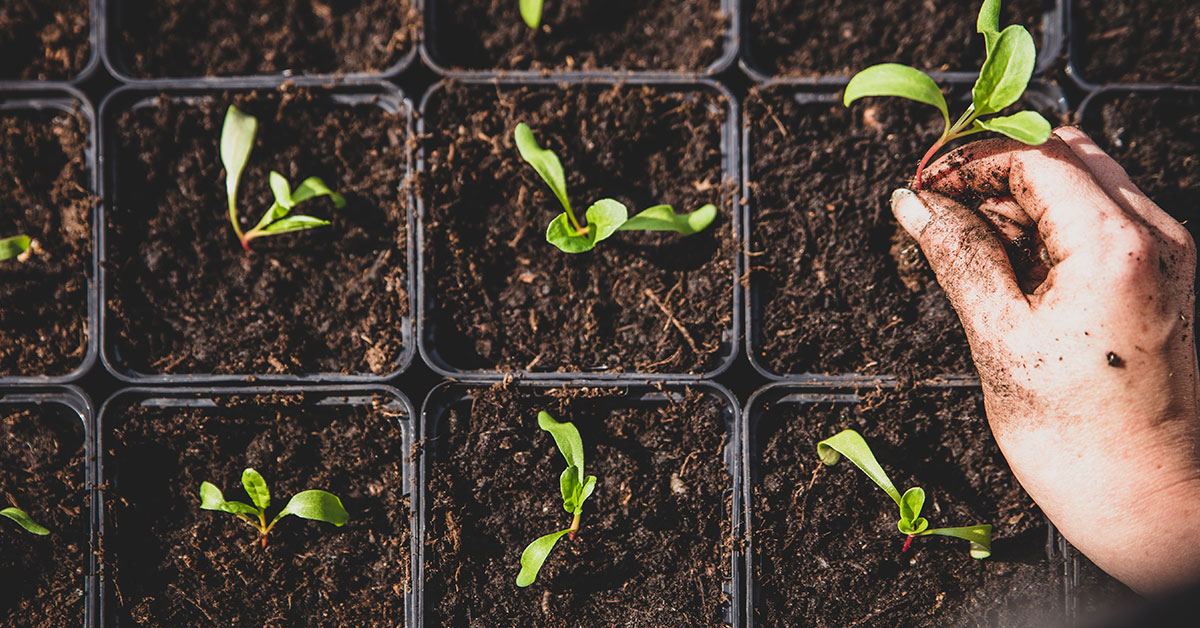
- Indoor Seed Starting: Fill seed trays or small pots with a good quality seed starting mix. Moisten the soil before sowing the seeds. Swiss Chard seeds are relatively large, so you can space them about 2 inches apart and plant them about half an inch deep. Cover them lightly with soil and gently pat it down.
- Optimal Conditions: Place the seed trays or pots in a warm location, ideally around 70°F (21°C). Ensure they receive ample sunlight or use grow lights if natural light is limited. Keep the soil consistently moist, but not waterlogged.
- Germination: Swiss Chard seeds typically take 7-14 days to germinate. Once the seedlings emerge, remove any covering or plastic wrap from the trays. Continue to provide adequate light and maintain consistent moisture.
- Transplanting: When the seedlings have developed their second or third set of true leaves and are about 2-3 inches tall, they are ready to be transplanted outdoors. Choose a location with well-draining soil and full sun or partial shade.
- Soil Preparation: Before transplanting, prepare the soil by incorporating organic matter such as compost or well-rotted manure. This will improve soil fertility and drainage.
- Transplantation Process: Gently remove the seedlings from their containers, being careful not to damage the delicate roots. Dig holes in the prepared soil that are slightly larger than the root ball of each seedling. Place the seedlings in the holes, backfill with soil, and firm it gently around the base of the plants.
- Watering and Care: After transplanting, water the seedlings thoroughly to help them establish in their new location. Swiss Chard requires regular watering to keep the soil moist but not waterlogged. Mulching around the plants can help retain moisture and suppress weed growth.
- Maintenance and Harvesting: Maintain a consistent watering schedule and keep an eye out for pests or diseases. Swiss Chard is relatively low maintenance and should be ready for harvest in about 50-60 days from transplanting. You can harvest the outer leaves individually, allowing the inner leaves to continue growing.
By following these steps, you’ll be able to successfully start and grow White Silver Swiss Chard in your garden. Enjoy the process and the delicious harvest!
Planting and growing White Silver Swiss Chard
To plant and grow White Silver Swiss Chard, follow these steps:
- Choose the right time: White Silver Swiss Chard is a cool-season crop, so it is best to plant it in early spring or late summer. Avoid planting during the hottest months of summer.
- Select a suitable location: Swiss Chard prefers full sun but can tolerate partial shade. Ensure the soil is well-draining and rich in organic matter.
- Prepare the soil: Before planting, loosen the soil to a depth of 8-10 inches and remove any weeds or rocks. Add compost or well-rotted manure to improve soil fertility.
- Sow the seeds: Sow the seeds directly into the prepared soil, spacing them about 6-8 inches apart. Plant the seeds ½ inch deep and cover them lightly with soil.
- Watering: After sowing, water the seeds gently but thoroughly. Keep the soil moist throughout the germination period, which usually takes around 7-14 days.
- Thinning: Once the seedlings have grown a few inches tall, thin them out by removing the weaker ones, leaving a spacing of 12-18 inches between plants. This gives enough room for each plant to grow and prevents overcrowding.
- Mulching: Apply a layer of organic mulch around the plants to retain moisture, suppress weed growth, and maintain an even soil temperature.
- Watering and fertilizing: Swiss Chard requires consistent moisture. Water the plants regularly, aiming for about 1 inch of water per week. Fertilize every 3-4 weeks with a balanced organic fertilizer or compost tea to provide essential nutrients.
- Pest and disease control: Monitor your plants regularly for signs of pests such as aphids, slugs, or leaf miners. Use organic pest control methods if necessary, such as handpicking or spraying with insecticidal soap. Proper spacing and good air circulation can also help prevent diseases such as leaf spot or powdery mildew.
- Harvesting: It is ready to harvest when the leaves are large enough to be harvested individually. You can start harvesting outer leaves when they reach around 6-8 inches in length. Harvest by cutting the leaves at the base, leaving the inner leaves to continue growing. Regular harvesting encourages continuous production.
By following these steps, you can successfully plant and grow White Silver Swiss Chard in your garden. Enjoy the delicious and nutritious harvest!
When to harvest
The best time to harvest is when the leaves are fully developed and reach a size of about 8-10 inches. This usually occurs approximately 50-60 days after planting. However, you can also start harvesting the outer leaves when they are about 4-6 inches long, which is typically around 30-40 days after planting. Harvesting regularly by picking the outer leaves will encourage new growth and prolong the harvest period.