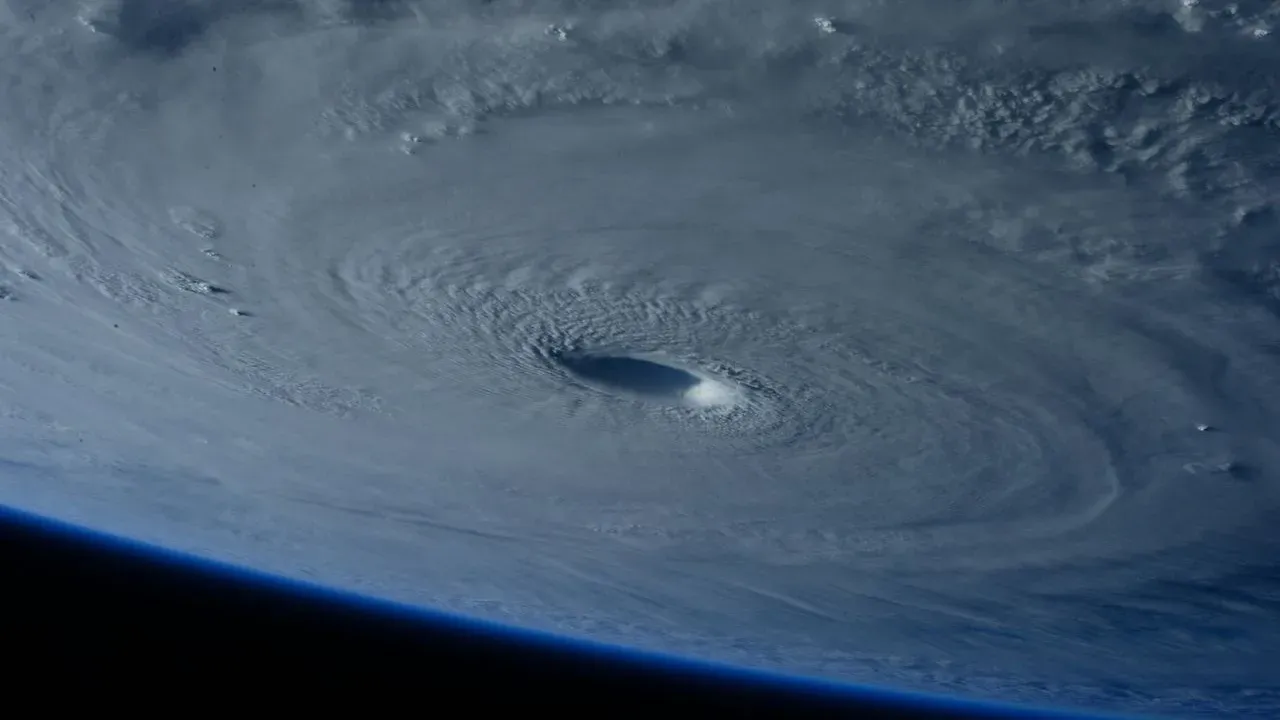

The 2026 Atlantic hurricane season has unfolded in striking contrast to expectations, with far fewer storms than usual taking shape over the ocean. A powerful El Niño pattern has played the central role in suppressing development, producing one of the slowest starts and overall activity levels seen in recent decades. Observers tracking the basin have noted the absence of the typical parade of named systems that usually define late summer and early fall. ([1])
The Record Quiet Taking Shape
Forecasters entered the season anticipating normal to above-normal activity, yet the basin has remained largely subdued. Through the first half of September, the number of tropical storms and hurricanes sits well below the long-term average. This calm has extended across the main development region, where warm waters and favorable winds normally fuel rapid intensification. The result is a season that feels more like a lull than the active period many coastal communities prepare for each year.
El Niño’s Role in Suppressing Storms
El Niño conditions strengthen the upper-level winds across the Atlantic, creating shear that tears apart potential storm systems before they can organize. The same pattern also tends to increase atmospheric stability, making it harder for thunderstorms to build into the rotating structures that become hurricanes. These effects combine to limit both the number and the strength of systems that reach the western Atlantic or the Caribbean. The current episode ranks among the stronger El Niño events of the past several decades, amplifying the usual suppression.
Looking Ahead Through the Peak Months
September and October normally account for the majority of seasonal activity, yet the same atmospheric steering that has kept the basin quiet so far shows little sign of easing. While individual storms can still form, the overall environment remains unfavorable for widespread development. Residents and emergency managers along the Gulf and East coasts have experienced an unusually extended stretch without the need for repeated preparations or evacuations.
Practical Effects for Outdoor Spaces and Planning
A quieter season reduces the immediate threat of wind damage, flooding, and saltwater intrusion that can set back gardens and landscapes for months. Property owners who typically spend late summer battening down or repairing after storms have instead enjoyed more predictable conditions for planting, harvesting, and maintenance. The absence of major systems also means fewer disruptions to supply chains that support nurseries and outdoor retailers. As the calendar advances, attention is turning to how the lingering El Niño influence may shape early winter weather patterns across the same regions.
AI Disclaimer: This article was created with the assistance of AI tools and reviewed by a human editor.