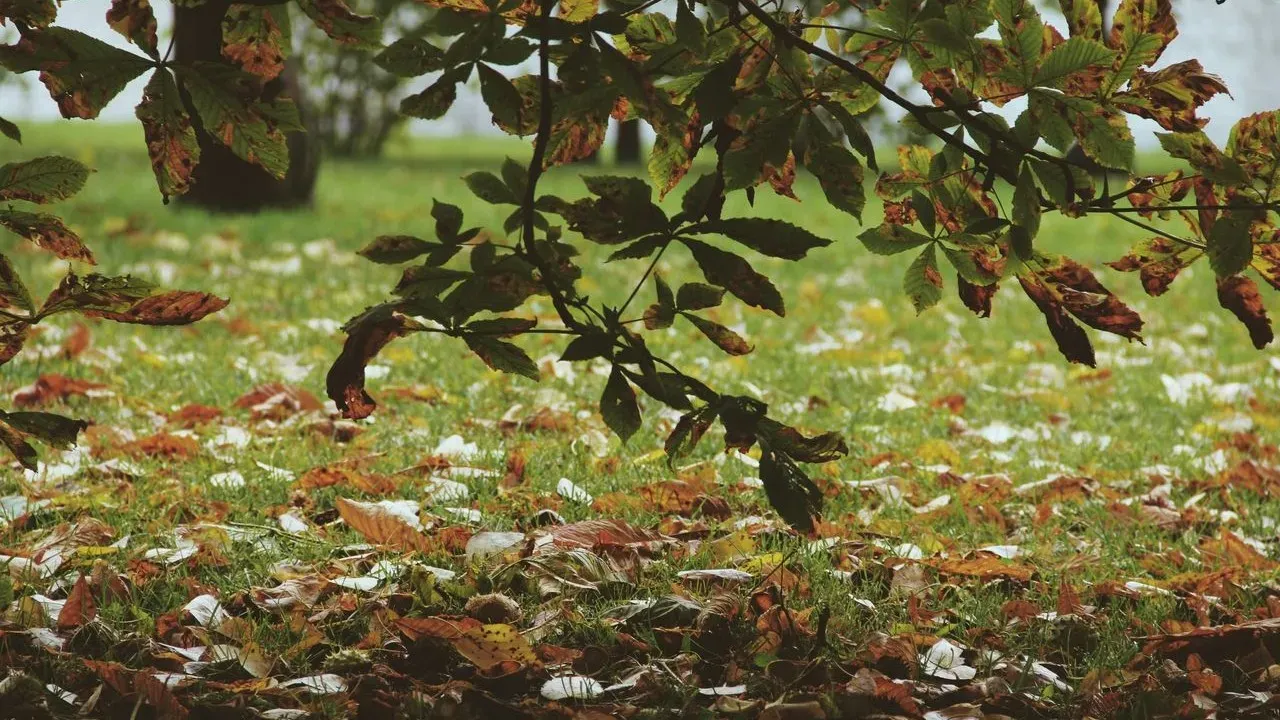

Late autumn is often when gardeners stop looking at their plots, and the work that remains can feel like a chore rather than a pleasure. In a St. Paul, Minnesota, garden, the owner found that the bare landscape still held small points of interest once she took the time to look closely. The account appears on Fine Gardening [1], where the gardener describes the season’s final weeks in her yard. ([1])
A Garden That Looked Finished
The garden had been looking bare, and on overcast days it seemed especially grim. The gardener had been cutting back and clearing debris, and the work itself did not invite a close inspection. Along the way, she noticed brief moments of beauty that stood out against a landscape that otherwise seemed spent.
One of the surprises was the bark of a blue beech. She wrote that she had never examined it closely before, and that from a distance the tree simply looks taupe. Up close, the bark offered a texture and tone that the broader view had hidden.
Details Worth a Second Look
The photographs and captions in the post focus on individual elements rather than whole beds. The features that drew attention included:
- Korean maple leaves in red and yellow fall color
- A clematis seed head standing in the fall garden
- Columbine leaves holding beads of rain
- Ferns and moss in a shaded corner
- Blue beech bark, which reads very differently up close
- North Wind maple leaves near a birdbath
None of these moments required a dramatic change in the landscape. They appeared because the gardener slowed down and let her eye settle on what was still there. The approach suggests that late-season gardens reward a slower walk around the yard, especially for those who have spent weeks focused on cleanup tasks.
Why the Cleanup Takes So Long
The gardener explained that she understands the case for leaving perennials standing and letting leaves lie over winter. Her own situation makes that approach difficult. She describes a large garden, family commitments, unpredictable weather, and a limited number of yard-waste bags that her pickup service will collect at one time. Cleanup, in her estimate, takes about ten weeks.
An earlier season post by the same gardener adds more detail on timing. In that account, she said her yard-waste pickup ends at the end of November and the number of containers accepted each week is limited, so she begins the work near the end of September (Fine Gardening) [2]. Her approach, which involves cutting back perennials before winter, runs against common advice, and she presents it as a practical choice rather than a recommendation for every gardener.
What matters now: Late-season beauty is often a matter of attention. Gardeners who are short on time may still find details worth noticing while they work, even when the overall view looks sparse.
A Quieter Way to End the Season
The gardener’s account does not argue that bare beds should be left alone or that cleanup should be postponed. It shows that the end of the season can be read in more than one way. A garden that appears finished from a distance may still hold textures, colors, and small scenes that become visible only on closer inspection.
For many gardeners in cold climates, the final weeks of fall mark a turn toward rest and planning. The post suggests that a short walk through the yard, taken with a little more patience than usual, can turn the chore of cleanup into a final look at what the season has left behind.
AI Disclaimer: This article was created with the assistance of AI tools and reviewed by a human editor.