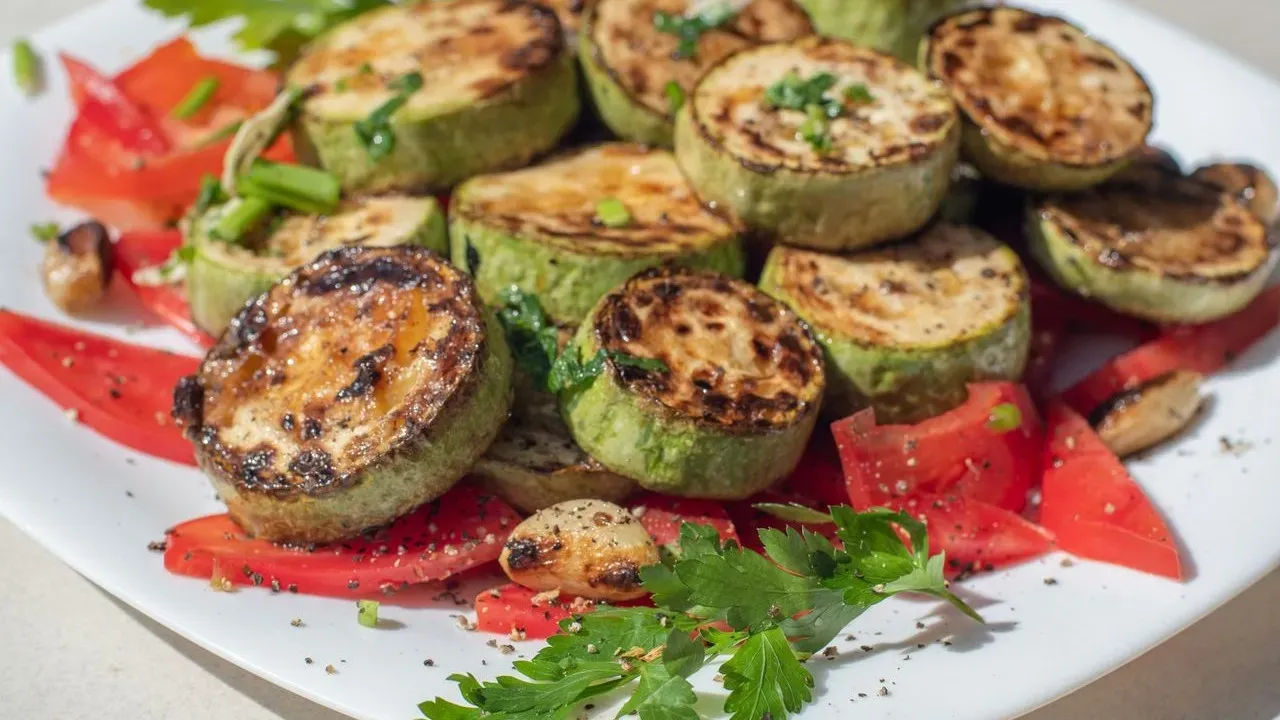

Gardeners across many regions face a familiar late-summer reality: zucchini plants produce far more than most households can consume fresh. The result is often a surplus that requires quick, practical uses before the harvest spoils. A straightforward combination of zucchini, chickpeas, and tomatoes has emerged as one reliable option for turning that abundance into a usable dish. The approach relies on ingredients that many home growers already have on hand or can source locally.
The Practical Challenge of Peak Harvest
Zucchini matures rapidly once plants reach full production, often yielding multiple fruits per week from a single vine. Home gardeners report that even modest plantings can outpace daily consumption within a few weeks. Without a plan, excess produce risks going to waste, which undercuts the effort invested in soil preparation, watering, and pest management throughout the season.
Tomatoes and chickpeas frequently align with the same harvest window. Many gardeners grow both alongside zucchini, creating an opportunity to combine them without additional sourcing. The timing matters because it allows immediate use of produce at peak quality rather than relying on storage methods that can alter texture or flavor.
Why These Three Ingredients Align
Zucchini provides volume and a mild base that absorbs surrounding flavors. Chickpeas add protein and substance, turning the mixture into something more substantial than a side dish alone. Tomatoes contribute acidity and moisture that balance the overall profile without requiring extra components.
Together the elements create a dish that feels complete yet demands minimal intervention. Gardeners note that the combination draws directly from what is already growing, reducing trips to markets and preserving the freshness that comes from harvesting minutes before preparation. This direct link to the garden also supports the broader goal of minimizing food waste during periods of high output.
Keeping Preparation Straightforward
The method stays basic by design. Zucchini can be sliced or diced raw, chickpeas added from a prepared source or home-cooked batch, and tomatoes chopped to release their juices. No extended cooking or specialized equipment is required, which suits busy harvest days when time is limited.
Many users assemble the salad in one bowl and serve it promptly. The absence of heavy sauces or multiple steps keeps the focus on the produce itself. This simplicity matters for households managing larger gardens, where the priority is often clearing space for the next wave of ripening vegetables rather than elaborate kitchen work.
Key points for gardeners facing surplus:
- Uses three common late-summer crops already in many gardens.
- Requires no cooking and minimal equipment.
- Converts excess harvest into immediate meals.
Feedback From Those Who Have Tried It
One reader described the result directly: “This is a great way to use my garden bounty.” The comment reflects a broader pattern among home growers who seek reliable outlets for produce that arrives faster than it can be eaten or preserved. Such feedback underscores the value of recipes that match the realities of seasonal output rather than requiring extra purchases or complex techniques.
Over time, repeated use of this approach can help gardeners maintain motivation during the most productive weeks. It turns a potential problem into a repeatable solution that fits within existing routines.
AI Disclaimer: This article was created with the assistance of AI tools and reviewed by a human editor.