
Think about it for a moment. You probably woke up this morning, reached for your phone, and within minutes were already scrolling through a feed full of posts. A meme here, a product announcement there, maybe a friend’s vacation photo. The volume is staggering, and for most people it never really stops.
Social media has quietly become the connective tissue of modern life, something we interact with dozens of times a day without really registering it. The more interesting question isn’t whether you received a social post today. It’s what happened to it, whether you noticed it, and what that says about where things stand in 2025 and 2026.
The Scale of It All Is Hard to Grasp
The number of social media users worldwide surpassed 5 billion in 2025, reaching roughly 5.24 billion. That’s more than half the planet’s population connected to at least one platform. Globally, people use an average of nearly seven social platforms per month, with young women aged 16 to 24 averaging closer to eight platforms.
When you receive a post, you’re part of a loop that touches billions of people simultaneously. The sheer number of accounts generating content daily means the competition for your attention has never been more intense.
You’re Spending More Than Two Hours a Day in That Feed
As of February 2025, the average daily social media usage of internet users worldwide amounted to 141 minutes per day, down slightly from 143 minutes the year before. That’s over two hours every single day. Gen Z spends an average of four hours daily on social platforms, more than any other age group, and TikTok users alone spend an average of 52 minutes per day on that one app.
In 2025, roughly seven in ten users check their feeds within ten minutes of waking up. The first social post of the day, for most people, arrives before they’ve had breakfast. That kind of habitual exposure shapes expectations about content in ways that are still being studied.
Most Posts Reach Only a Fraction of Your Followers
Here’s a reality check that surprises many creators and brands: most posts are seen by very few of the people who actually follow an account. Instagram posts in 2024 reached an average of just four percent of followers, down about eighteen percent from the year before, while Facebook’s organic reach fell to around 2.6 percent on average.
Back in 2012, Facebook’s average organic reach sat at a healthy sixteen percent. By 2025, it hovered between one and two percent. Instagram’s organic reach dropped a further twelve percent from 2024 to 2025, and LinkedIn saw an even sharper thirty-four percent slide over the same period. So if a post lands in your feed at all, it was likely selected from a very competitive pool.
TikTok Still Leads on Engagement, by a Wide Margin
Not all platforms are created equal when it comes to what happens after a post lands in front of you. According to a global report covering 2021 through 2025, TikTok had the highest engagement rate per post compared to Instagram, Facebook, and X. TikTok’s average engagement rate per post reached 3.7 percent in 2025, while Instagram stood at 0.48 percent and Facebook at 0.15 percent.
TikTok’s algorithm-driven discovery model, which surfaces content based on interest signals rather than follower relationships, continues to deliver the highest engagement rates in social media. In practical terms, a post that finds you on TikTok is statistically more likely to result in a like, share, or comment than the same content would on most other platforms.
LinkedIn Has Quietly Become an Engagement Powerhouse
LinkedIn had the highest median engagement rate of any platform in Buffer’s dataset at roughly 6.1 percent in 2025, dipping only slightly from about 6.5 percent in 2024. That number is striking given how often LinkedIn is underestimated compared to flashier platforms.
On LinkedIn, it’s carousels (document and PDF posts) that earn the most engagement, with a median engagement rate of over twenty-one percent. High engagement on LinkedIn often translates into higher visibility with decision-makers, stronger thought leadership, and even pipeline opportunities. The posts you receive there carry a different kind of weight than elsewhere.
What You See Is Decided by an Algorithm, Not Chronology
The posts you receive aren’t random, and they’re not necessarily the most recent ones. Every major platform now uses algorithmic ranking to decide what gets shown. Algorithms now prefer content that drives conversation. Having a large audience no longer guarantees priority in feeds. The highest-performing content tends to be original and platform-specific, and copy-pasting the same post across platforms limits reach.
Nearly three-quarters of brands have observed ongoing organic reach declines, attributing them to increasingly strict algorithmic thresholds that favor paid content and high-engagement organic posts. The decline is not uniform across content types, as video content and interactive formats consistently resist reach compression better than static images and text posts.
Timing Matters More Than Most People Realize
When a post lands in your feed isn’t entirely up to chance. Creators and brands who study timing carefully tend to see measurably better results. The overall best time to post on social media in 2025, based on Hootsuite’s research, is 8 AM on Wednesdays. That said, the right window shifts depending on the platform and the audience.
According to Buffer’s analysis of 9.6 million Instagram posts, the best times to post in 2026 are Thursday at 9 AM, Wednesday at 12 PM, and Wednesday at 6 PM. The best time to post on social media is usually during periods when your target audience is already checking feeds: weekday mornings, lunch breaks, late afternoons, and early evenings. Common high-engagement windows include 9 AM to 12 PM, 11 AM to 2 PM, 1 PM to 4 PM, and commute or after-work periods around 5 PM to 6 PM.
Static Images Made a Comeback That Nobody Saw Coming
For years, the dominant message from platform teams and marketing experts was simple: make video, or get left behind. The data from 2025 tells a more nuanced story. On Instagram, static image posts are driving a 6.2 percent engagement rate, while Reels sit at the bottom with just 3.5 percent. This shift is a reminder for marketers not to ditch tried-and-true formats.
Static posts are easier to produce, cost less time, and can actually bring stronger results when used strategically. So if a clean, well-composed photo landed in your feed recently and stopped you mid-scroll, there’s a growing body of evidence suggesting it was more effective than the Reel it was competing with.
Social Platforms Are Now Primary News Sources for Many
A significant portion of the posts people receive every day aren’t entertainment at all. They’re news. According to a Pew Research Center survey of U.S. adults conducted in August 2025, Facebook and YouTube outpace all other sites as places where Americans regularly get news: roughly four in ten adults say they regularly get news on Facebook, and about a third say the same about YouTube. Smaller shares regularly get news on Instagram, TikTok, and X.
Just over half of TikTok users say they regularly get news on the platform, up dramatically from just over one-fifth in 2020. That shift in how news travels through social feeds changes what receiving a post can mean. A friend’s share of a news article carries the same notification ping as a meme.
The Rise of AI-Generated Content Is Changing What You Receive
Not every post in your feed was written or created by a human in 2025. As of October 2024, over half of long-form LinkedIn posts were likely AI-generated. The length of LinkedIn posts also increased by over one hundred percent since the launch of ChatGPT in 2022.
A study found that roughly thirteen percent of Reddit posts were likely AI-generated as of 2024, with AI content on the platform increasing by nearly one hundred and fifty percent between 2021 and 2024. Around 63 percent of influencer marketing professionals plan to use AI or machine learning in their influencer campaigns in 2025. Whether you noticed it or not, some of what you received today was probably written by a machine.
Closing Thought
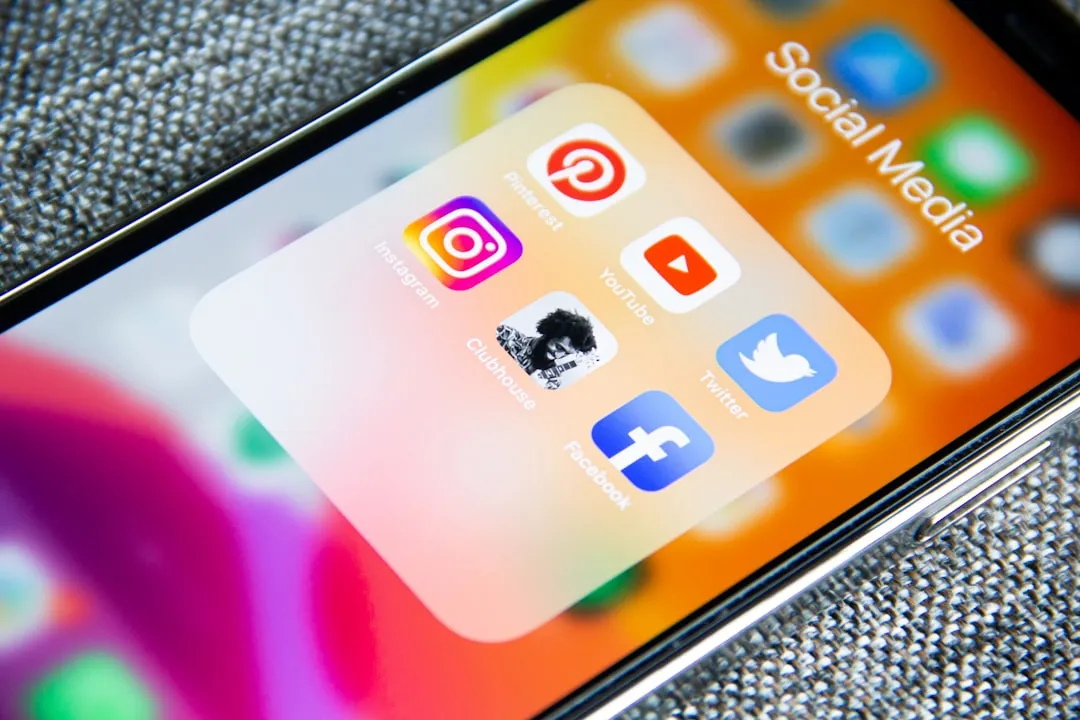
The last social post you received was one of billions delivered today, filtered by an algorithm, timed strategically by someone who studies user behavior, and possibly written with AI assistance. As social media reach continues to decline across platforms, brands are having to adapt with more innovative strategies to stay relevant, and the shift in organic reach underscores the need for authentic engagement.
The mechanics behind that simple notification have grown remarkably complex. What lands in front of you reflects platform priorities, content budgets, posting schedules, and algorithmic thresholds that most users never see. Knowing that doesn’t make scrolling less enjoyable, but it does make what you engage with a more deliberate choice worth making.
AI Disclaimer: This article was created with the assistance of AI tools and reviewed by a human editor.