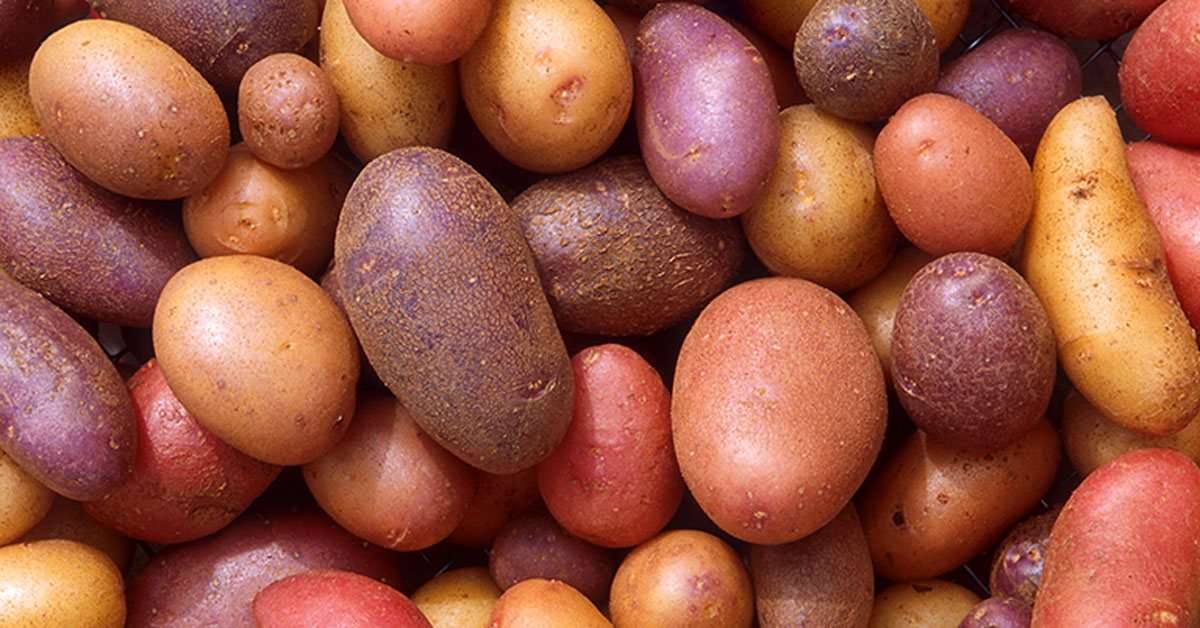

Diving into the world of potato gardening is both an art and a science, and knowing exactly when to plant can make all the difference in the harvest you enjoy! As a gardener who’s experimented with various planting schedules across different climates, I understand the thrill of preparing a bed for these versatile tubers—native to the high Andes of South America, potatoes have journeyed far to become a kitchen staple. Nothing beats the excitement of nurturing these underground gems and watching them transform into hearty, homegrown food!
I know how frustrating it can be when your planting efforts don’t yield the bountiful results you hoped for—especially when unpredictable weather throws a wrench in your plans! In this guide, I’m eager to share practical, zone-specific tips on when to start planting potatoes so that you can create a thriving garden that attracts beneficial insects, supports soil health, and ultimately delights your palate. Let’s explore these tips together and make your potato garden a resounding success!
Pre-Planting Tips

Before you even get your hands dirty, preparing for potato planting involves a few essential steps that set the stage for a successful crop. One of my favorite practices is to start with certified seed potatoes—small, disease-free tubers that ensure a robust and reliable harvest. It’s crucial to note that while potatoes are native to the Andean region, they are not considered invasive in most garden settings, which means you can cultivate them without worrying about them overrunning your space. I always make sure to cut the seed potatoes into pieces with at least one eye each and allow them to dry, as this helps prevent rot once they hit the soil!
I also recommend testing your garden soil for pH and nutrient levels before planting, as potatoes prefer slightly acidic conditions and well-draining soil. Incorporating organic matter like compost can boost soil fertility and attract beneficial microbes that encourage healthy tuber development. Trust me, it’s such a joy when your preparation efforts pay off and you see a healthy, vigorous crop emerging from a bed that you’ve carefully nurtured. This pre-planting ritual not only minimizes future frustrations but also lays the groundwork for a garden that thrives in harmony with nature!
Understanding Growing Zones
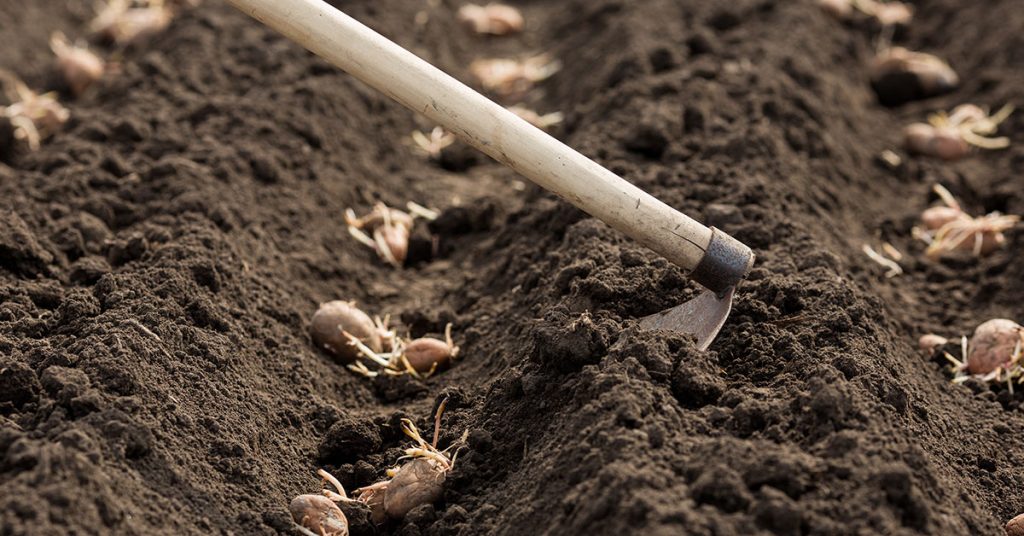
Grasping the concept of USDA growing zones is a game-changer when it comes to timing your potato planting. Each zone represents a range of climatic conditions, and knowing your zone helps determine the best time to start planting. For instance, in colder zones (typically USDA zones 3 to 5), potatoes are planted in the early spring once the danger of hard frost has passed, while in warmer areas, such as zones 8 through 10, a late fall or early winter planting may be more suitable to avoid the intense summer heat. Recognizing these differences is essential because it directly affects how your seed potatoes establish roots and develop into full-fledged plants!
I understand the challenge of aligning your gardening schedule with these seasonal cues—especially when the weather seems to play its own unpredictable game. By keeping a close eye on local forecasts and soil temperatures, you can better plan your planting activities and ensure that your potatoes receive the optimal conditions for growth. This understanding not only boosts your confidence as a gardener but also transforms your garden into a well-coordinated space where nature and nurture work hand in hand!
Planting Potatoes in Warm Zones

For gardeners residing in warm climates, usually classified as USDA zones 8 through 10, timing your potato planting requires a slightly different approach. In these regions, it’s best to plant potatoes in the late fall or early winter when the soil has cooled down, allowing the tubers to establish before the heat returns. This strategy is particularly effective because it avoids the sweltering summer months, which can stress the plants and compromise tuber development. I’ve seen firsthand how a well-timed planting in warm zones not only results in a healthier crop but also minimizes the risk of pest invasions that often accompany high temperatures!
When planting in warm zones, it’s essential to choose varieties that are well-adapted to milder winters and shorter dormancy periods. Although potatoes originate from the cooler Andean regions, many cultivars have been bred to thrive in various climates without becoming invasive. I always recommend adding a layer of mulch to help regulate soil temperature and moisture, which in turn attracts beneficial organisms that support plant health. With a little planning and a keen eye on seasonal trends, your potato garden in a warm climate can flourish into a vibrant and productive haven!
Post-Planting Care
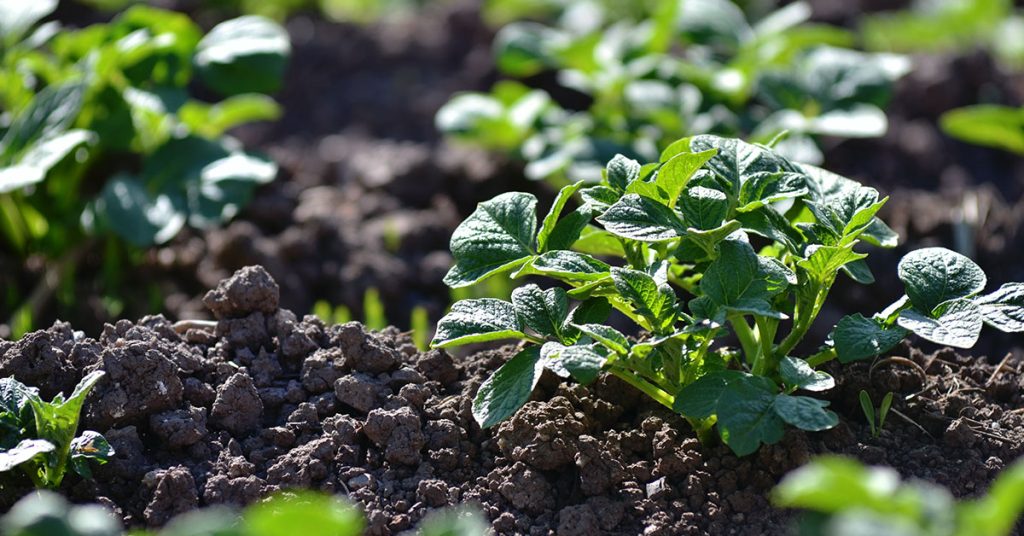
The journey doesn’t end once you’ve planted your potatoes—the post-planting phase is where ongoing care truly makes a difference! In the weeks following planting, maintaining consistent soil moisture is key to supporting healthy tuber formation. I’ve learned that using a drip irrigation system or carefully scheduled hand-watering sessions can create an environment that mimics the gentle, natural rains of the plant’s native Andean habitat. This steady moisture not only aids in the growth of the potatoes but also attracts beneficial insects like ladybugs and ground beetles, which can help keep common garden pests at bay!
Ongoing care also involves regular hilling, a process where you mound additional soil around the base of the plants as they grow. This practice not only protects the developing tubers from sunlight (which can turn them green and bitter) but also enhances soil aeration and drainage. I always find it rewarding to see the gradual transformation of my garden bed as the plants respond positively to these interventions. Embrace the post-planting care routine with patience and attention, and your potatoes will reward you with a bountiful, delicious harvest that’s as gratifying as it is sustainable!
Planting Potatoes in Moderate Zones

In moderate climates, typically corresponding to USDA zones 6 and 7, the timing for planting potatoes strikes a balance between the extremes of cold and heat. Gardeners in these regions often benefit from a mid-spring planting, once the soil has warmed sufficiently but before the onset of any late frosts. This window provides an ideal environment for potatoes to develop strong, healthy roots and vigorous foliage. I’ve experienced the thrill of watching my early spring plantings burst into life, a testament to the perfect blend of temperature and moisture that moderate zones can offer!
It’s also important in moderate zones to consider the variety of potato you choose, as some are better suited to these transitional climates than others. While potatoes are native to the chilly highlands of South America, many modern cultivars have been adapted to perform exceptionally well in milder conditions without exhibiting invasive tendencies. I always recommend consulting local gardening guides or fellow gardeners to select the best varieties for your area. With the right timing and a bit of local wisdom, planting in moderate zones can yield a rewarding harvest that exemplifies the beauty of well-timed gardening!
Preparing Your Garden Bed

A well-prepared garden bed is the foundation of any successful potato crop, and taking the time to get it right can save you from many future headaches! I always begin by ensuring that the soil is loose, well-drained, and enriched with organic matter—a recipe that echoes the natural soils of the Andean highlands, where potatoes first thrived. Although potatoes are not known to be invasive, they do require a fertile environment to reach their full potential. By incorporating compost or aged manure, you can improve soil structure and fertility, making it a nurturing home for your seed potatoes.
Another tip I cherish is the importance of pH adjustment—potatoes prefer slightly acidic soil, so a little lime or sulfur might be necessary depending on your local conditions. This careful preparation not only encourages robust root development but also supports beneficial soil microbes that aid in nutrient cycling. It’s such a rewarding process to transform a compact, uninspired patch of earth into a vibrant, living canvas ready for planting! With a well-prepared bed, your potato garden is primed for success, setting the stage for a productive and bountiful harvest that will make every effort worthwhile!
Planting Potatoes in Cold Zones

For those gardening in colder climates, typically in USDA zones 3 to 5, timing is everything when it comes to planting potatoes. In these regions, the ideal window is early spring—after the soil has thawed and warmed just enough to support growth but before the risk of a late frost returns. I’ve often found that the crisp, early spring air combined with freshly thawed soil creates an environment that encourages vigorous root establishment. Potatoes in these zones benefit greatly from the gradual warming, which mimics their natural adaptation to temperate climates without showing invasive tendencies.
In my own experience, preparing for a cold zone planting means paying close attention to the weather forecast and being ready to plant as soon as the soil conditions are favorable. It’s a bit of a balancing act between the excitement of a new planting season and the anxiety of unpredictable weather, but the rewards are well worth it! When planted at the right time, the potatoes develop strong, healthy tubers that thrive throughout the season, attracting a host of beneficial soil organisms that further enhance the garden’s vitality. With a bit of careful planning and local insight, cold zone gardeners can achieve a harvest that’s both robust and satisfying!
Conclusion: Harvesting the Rewards
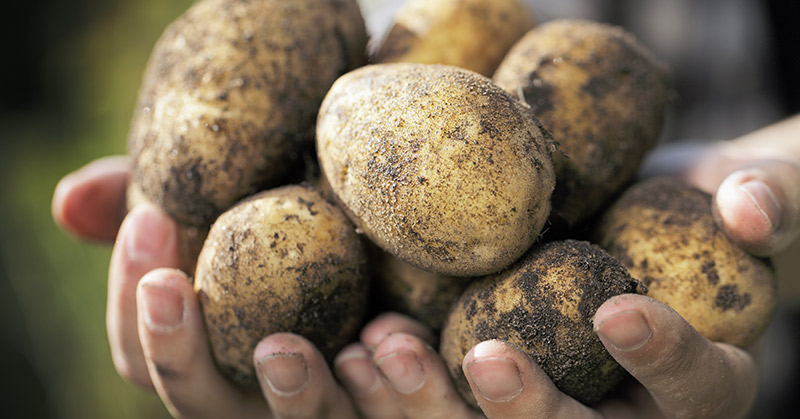
In conclusion, knowing when to plant your potatoes based on your growing zone is the cornerstone of a successful garden that yields both abundance and satisfaction. Whether you’re navigating the crisp mornings of a cold zone, the balanced climate of moderate regions, or the extended growing season in warm areas, each environment offers unique challenges and rewards. I’ve experienced the ups and downs of every planting season, and each successful harvest feels like a true victory over nature’s unpredictability!
I hope this guide has provided you with the detailed insights and practical tips needed to time your potato planting just right. Embrace the process with all its trials and triumphs, and remember that every step—from preparing your garden bed to caring for your young plants—brings you closer to a bountiful harvest. Happy planting, and may your garden be filled with the hearty, delicious rewards of perfectly timed potato cultivation!