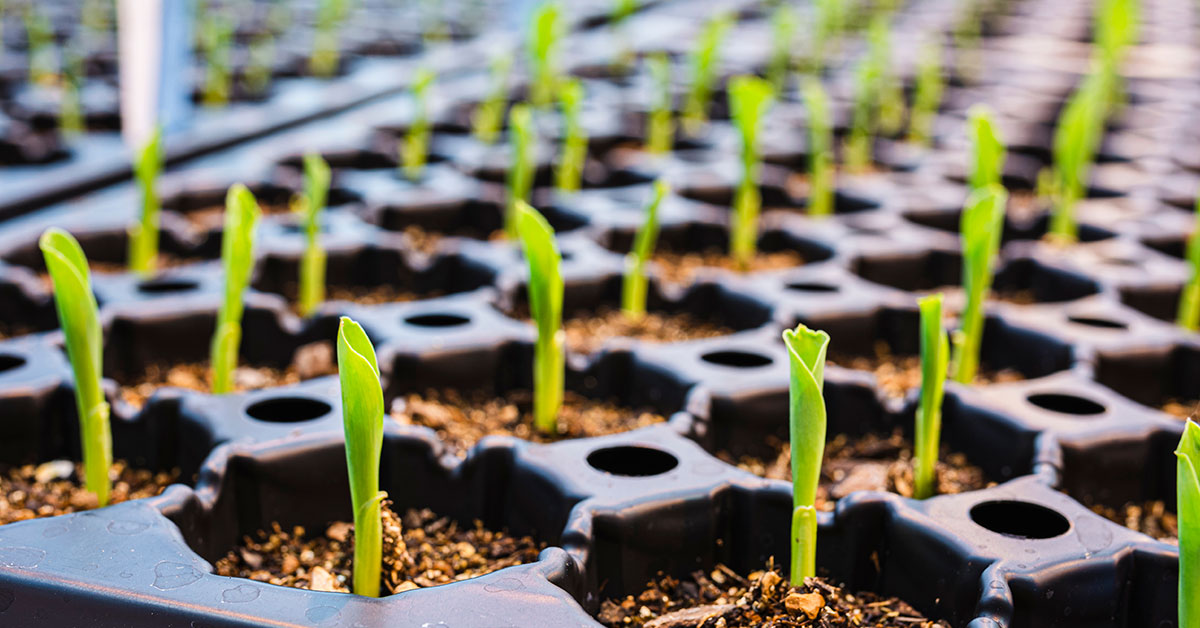

Diving into the world of corn gardening is an adventure that blends ancient heritage with modern technique! As an enthusiastic gardener, I relish the challenge of nurturing corn—a plant native to Mesoamerica that has become a beloved crop across the Americas. Over the years, I’ve learned that the secret to a bountiful corn harvest lies in understanding the perfect planting time for your specific growing zone. It’s such a bummer when unpredictable weather or improper timing results in stunted growth, so I’m here to share detailed, zone-specific tips that will help you get your corn off to a fantastic start!
I understand the frustration when your carefully planned garden doesn’t yield the vibrant, tall stalks you were hoping for. Whether you’re dealing with a chilly spring or the heat of a warm climate, knowing the right time to plant can make all the difference. In this guide, I’ll walk you through essential pre-planting preparations, zone-based timing strategies, and post-planting care tips to ensure your corn thrives. Let’s dive in and unlock the secrets to growing corn that not only fills your garden with life but also attracts beneficial insects and creates a dynamic outdoor space!
Post-Planting Care and Pollinator Attraction
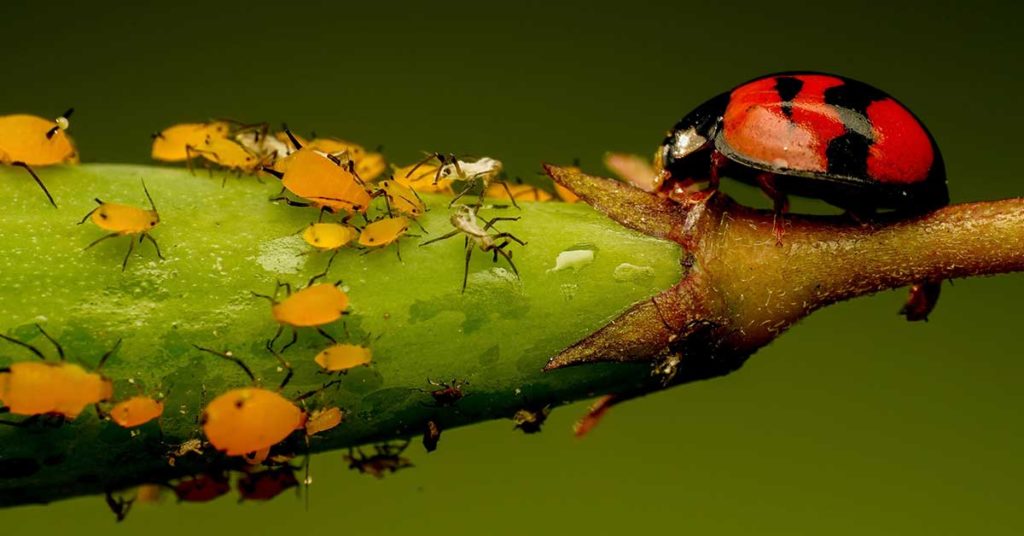
After planting your corn, diligent post-planting care is vital to see those green shoots turn into robust, ear-bearing stalks! I’ve found that consistent watering—especially during the early stages—is key to supporting vigorous root development and ensuring the soil remains moist without becoming waterlogged. This steady moisture mimics the natural conditions in the corn’s native habitats, and while corn relies mostly on wind for pollination, a healthy plant will attract beneficial insects like ladybugs and ground beetles that help maintain a balanced garden ecosystem.
In addition to watering, regular weeding and mulching can significantly boost your corn’s growth. Mulch not only retains moisture but also attracts earthworms and other soil-dwelling critters that enhance nutrient cycling. I’ve experienced the joy of seeing my corn patch come alive as small pollinators and beneficial insects make appearances, turning the garden into a bustling hub of natural activity! With proper post-planting care, your corn will develop strong stalks that stand tall and become the envy of every gardener in your neighborhood.
Preparing the Garden Bed for Corn
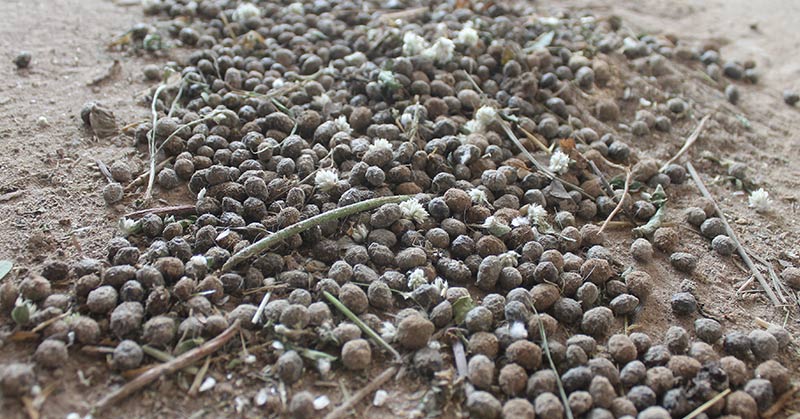
A successful corn garden begins long before the first seed is planted—preparing your garden bed is a critical first step. I always start by selecting a sunny location with well-draining soil, as corn thrives in environments that mimic its native conditions in warm, open fields of Mesoamerica. Enriching the soil with compost and well-rotted manure not only improves fertility but also creates a loose, aerated texture that encourages deep root penetration. Although corn is a cultivated crop and not considered invasive, ensuring your soil is primed for growth is essential for maximum yield.
Another key aspect is testing your soil’s pH; corn prefers slightly acidic to neutral conditions, and minor adjustments can make a significant difference in plant health. I often incorporate organic amendments to gradually bring the pH into the optimal range, fostering an environment where beneficial soil microbes flourish. It’s such a rewarding process to transform a tired garden bed into a nutrient-rich haven that promises a flourishing corn crop. With careful preparation, you set the stage for a season of vibrant, tall stalks that brighten your garden and your day!
Understanding Growing Zones
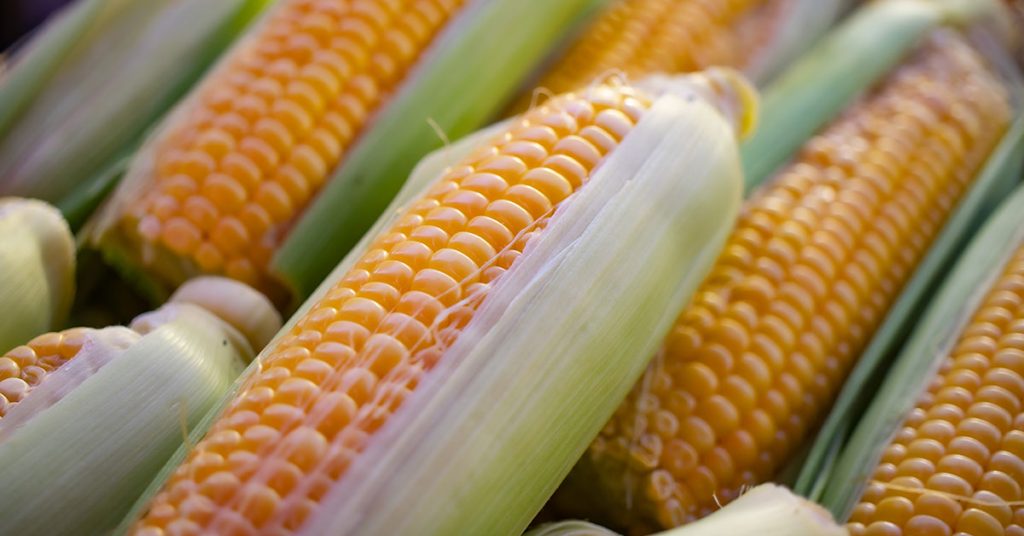
Understanding your USDA growing zone is the cornerstone of knowing when to plant corn. Each zone represents a range of climatic conditions that directly influence the best planting times for your area. For instance, in colder zones (typically zones 3 to 5), you’ll need to wait until early spring—when the danger of frost has passed—so that the young corn seedlings have a chance to develop in warm soil. I’ve learned that in these regions, patience is key, as the crisp spring air gradually gives way to the warmth necessary for robust growth.
In moderate zones (usually zones 6 and 7), the transition from winter to spring is more forgiving, offering a broader window for planting. Here, the soil warms up steadily, and planting a bit earlier can lead to an earlier harvest. I understand the challenge of balancing optimism with caution—when you miss the ideal window, it can feel like your garden is out of sync with nature! By keeping a close watch on local weather trends and soil temperatures, you can tailor your planting schedule to fit your zone, ensuring that your corn gets the head start it needs to thrive.
Planting Corn in Cold Zones
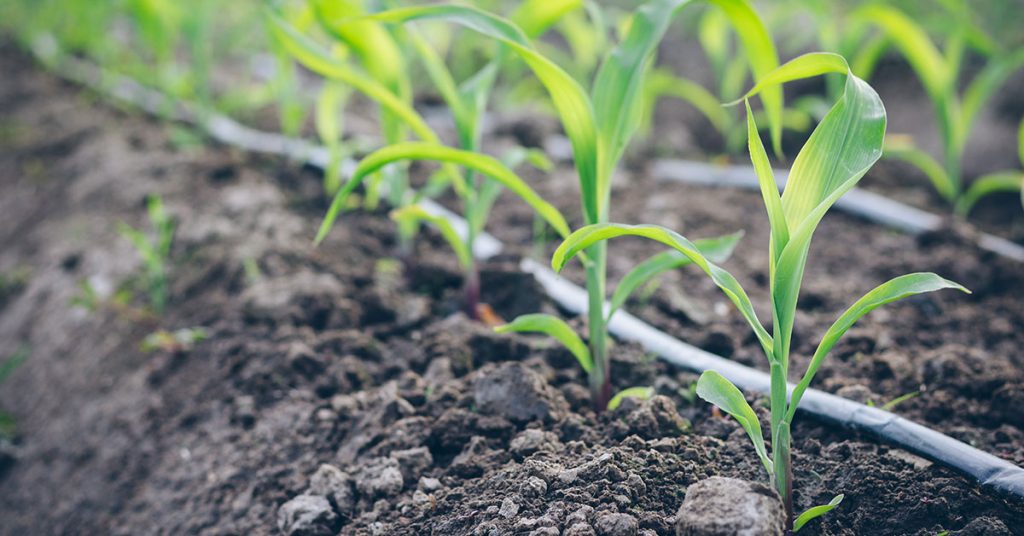
For gardeners in colder regions, typically USDA zones 3 to 5, timing is everything when it comes to planting corn. In these areas, it’s best to wait until the danger of frost has passed and the soil temperature consistently reaches around 50°F to 55°F. I remember the excitement of that first warm day after a long winter, knowing it was the perfect moment to set my corn seeds in the ground. This gradual warming period allows the seeds to germinate slowly and build sturdy roots before the full summer heat arrives.
Planting in cold zones also means being prepared for a shorter growing season. I recommend choosing early-maturing corn varieties that are adapted to these conditions. While corn isn’t considered invasive, the right variety will ensure that you get a full crop even within a limited timeframe. With careful planning and a watchful eye on the local weather, your cold zone garden can burst into life, producing sweet, tender corn that’s well worth the wait!
Planting Corn in Moderate Zones
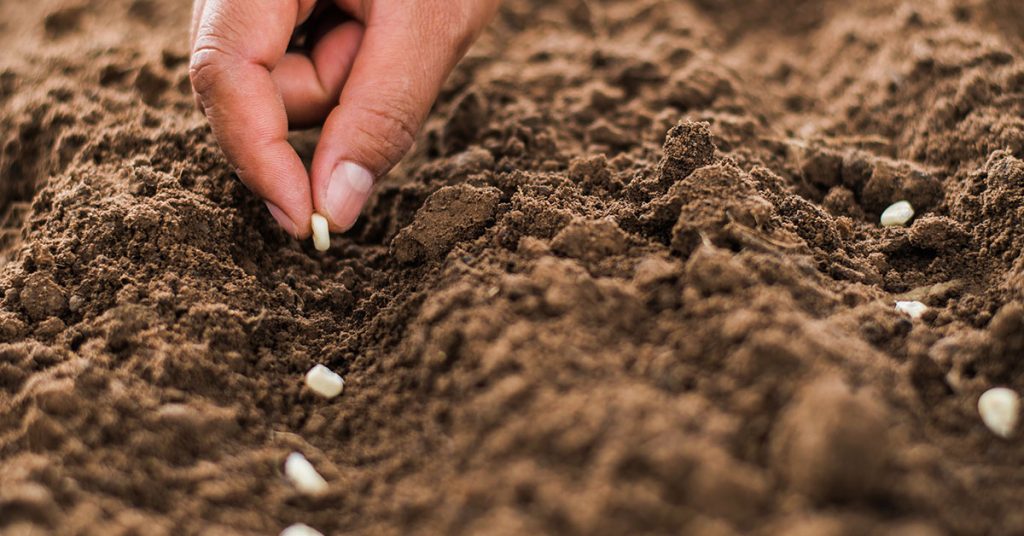
In moderate climates, generally corresponding to USDA zones 6 and 7, the planting schedule for corn is more flexible, offering a delightful balance between spring warmth and summer growth. I’ve found that in these zones, planting can typically begin in mid-spring when the soil is warm enough to encourage rapid germination and root development. This timing not only leads to vigorous growth but also helps your corn reach its full potential before the peak of summer. It’s truly exhilarating to witness those first green shoots emerge in a garden that you’ve nurtured with care!
For moderate zones, selecting corn varieties that are suited to your local conditions is just as important as timing. While corn is native to warm, open landscapes, many modern cultivars have been bred to perform exceptionally well in transitional climates without becoming invasive. I recommend consulting local gardening resources to pick the best varieties for your area. With a balanced approach to timing and variety selection, your corn garden in moderate zones can produce an abundant and satisfying harvest that adds both beauty and bounty to your outdoor space!
Planting Corn in Warm Zones

Gardeners in warm climates, such as USDA zones 8 through 10, have a different timeline when it comes to planting corn. In these regions, it’s ideal to plant in early spring or even late winter when the soil is warm but the intense summer heat hasn’t yet set in. I’ve learned that in warm zones, starting your corn early ensures that the plants have enough time to establish strong roots and develop into towering stalks before the peak of the heat arrives. This strategic timing is crucial, as corn grown in overly hot conditions can become stressed, which may affect both yield and quality.
In addition to timing, selecting corn varieties that thrive in warmer weather is essential. Although corn is native to the Americas, many cultivars have been developed to cope with a wide range of temperatures and are not considered invasive when grown in a controlled garden setting. I always ensure that my warm zone garden has access to plenty of water and partial shade during the hottest parts of the day, which not only supports the corn’s growth but also attracts beneficial insects that can help with natural pest control. With the right approach, your warm climate corn garden can be a vibrant, productive oasis that delights the senses and nourishes the body!
Common Pitfalls and Troubleshooting

Even the most enthusiastic gardeners face challenges when planting corn, and it’s important to be prepared for common pitfalls. One frequent issue is planting too early or too late for your specific growing zone—this can result in poor germination or stunted growth. I’ve experienced the disappointment of seeing a sparse crop due to unexpected frosts or excessively warm soil conditions, and I know how disheartening that can be! Paying close attention to soil temperature and local weather patterns can help you avoid these setbacks and ensure your corn gets off to the best possible start.
Another challenge is managing pests and diseases that can affect corn crops. While corn isn’t generally considered invasive, it can sometimes attract unwanted visitors like corn borers or aphids that compromise plant health. I empathize with the frustration of watching a promising garden become the target of pest invasions—sometimes it feels like every gardener faces these obstacles! Using organic pest management techniques, such as introducing beneficial insects or applying natural sprays, can help keep your corn patch healthy and vibrant. With careful monitoring and a proactive approach, you can troubleshoot these issues and enjoy a bountiful harvest.
Embrace the Season and Enjoy the Harvest
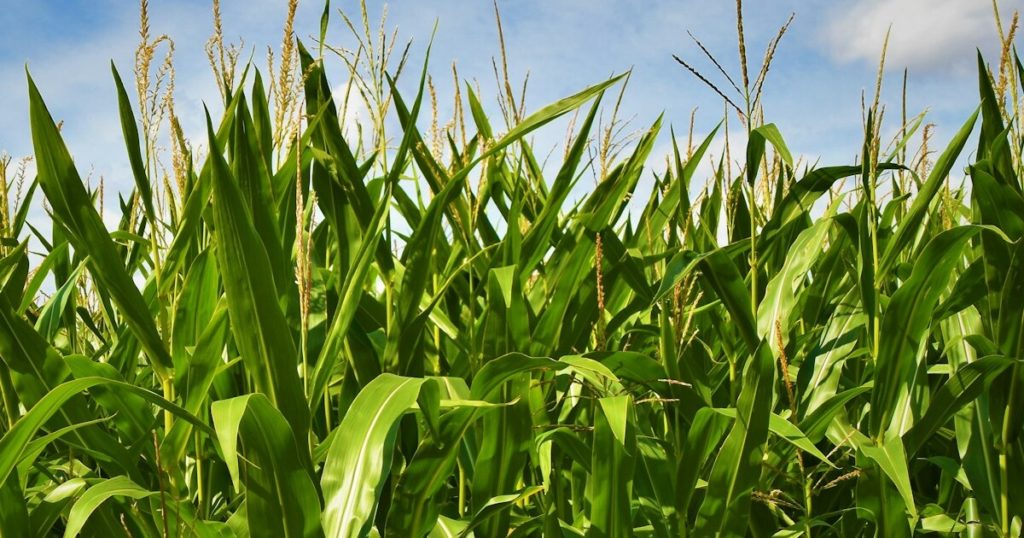
Understanding when to plant your corn based on your growing zone is the first step to creating a thriving, productive garden. By tailoring your planting schedule to the unique conditions of cold, moderate, or warm climates, you set the stage for a vibrant display of tall, green stalks and delicious ears of corn. I’ve learned that every season brings its own challenges and rewards, and there’s nothing more satisfying than watching your hard work transform into a bountiful harvest that attracts both pollinators and a sense of community in your garden.
I hope this guide has provided you with valuable insights and practical tips to help you determine the ideal planting time for your corn. Embrace the process with all its ups and downs, and remember that every challenge is an opportunity to learn and grow. Happy planting, and may your garden be filled with the golden promise of a rich corn harvest that nourishes both body and soul!