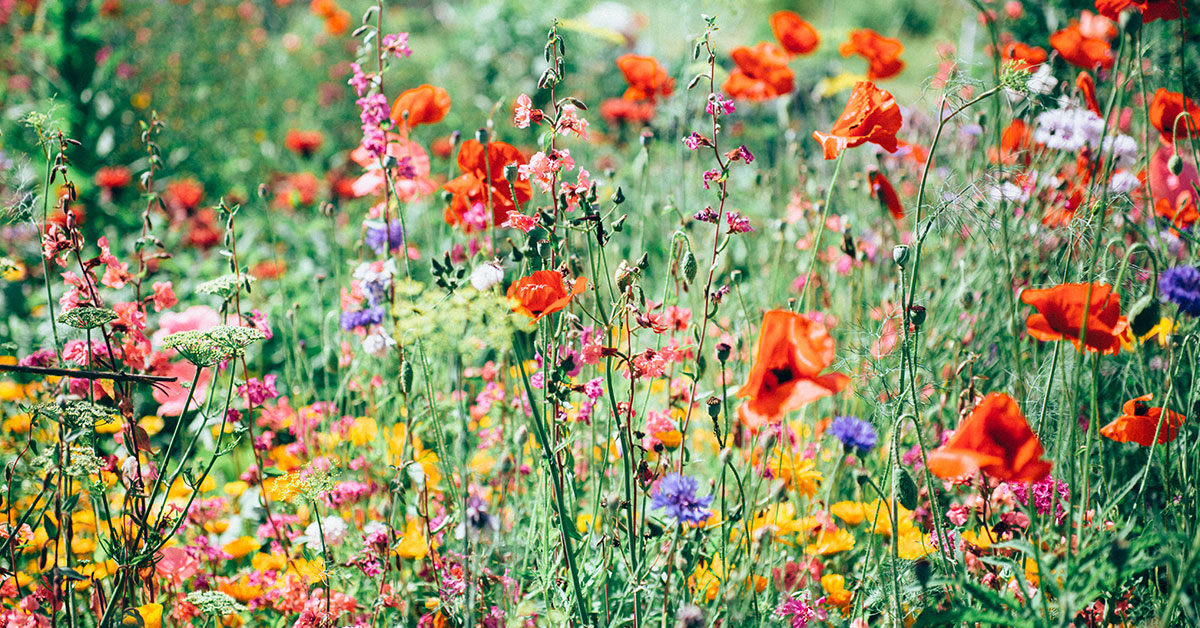

Are you a nature enthusiast looking to add a burst of vibrant colors to your garden? Look no further than wildflowers! These beautiful and low-maintenance plants not only attract bees, butterflies, and other pollinators, but also create a stunning and natural landscape. However, knowing the best time to plant wildflowers in the UK can ensure optimal growth and blooming.
In this article, we will explore the different seasons and their respective advantages for planting wildflowers, as well as provide expert tips and recommendations to help you achieve a flourishing wildflower garden throughout the year. Whether you’re a seasoned gardener or a beginner, get ready to discover the ideal time to sow those wildflower seeds and create an enchanting haven for wildlife in your very own backyard.
Best types of wildflowers to grow in the UK
There are several beautiful varieties of wildflowers that do well in the UK. Here are some popular options:
- Cornflower (Centaurea cyanus): These vibrant blue flowers are a common sight in meadows and are loved by bees and butterflies.
- Red Campion (Silene dioica): This perennial wildflower produces clusters of pink or red flowers and thrives in woodland areas and hedgerows.
- Meadowsweet (Filipendula ulmaria): With its creamy white flowers and sweet fragrance, meadowsweet is a great addition to damp meadows and stream banks.
- Oxeye Daisy (Leucanthemum vulgare): These classic white and yellow daisies create a charming display in meadows and are attractive to pollinators.
- Common Poppy (Papaver rhoeas): The iconic red poppy is a symbol of remembrance and can be found in fields and grasslands across the UK.
- Cowslip (Primula veris): This early spring flower displays clusters of vibrant yellow flowers and is especially common in grassy areas.
- Foxglove (Digitalis purpurea): Tall and striking, foxgloves produce bell-shaped flowers that range in color from pink to purple. They thrive in woodland edges and meadows.
- Harebell (Campanula rotundifolia): This delicate wildflower has bell-shaped blue flowers that nod gently in the breeze. It is often found on dry grasslands and cliffs.
- Bird’s-foot Trefoil (Lotus corniculatus): This low-growing plant features bright yellow pea-like flowers and is commonly found in grasslands, meadows, and verges.
- Common Knapweed (Centaurea nigra): With its vibrant purple flowers, knapweed is a favorite of bees and butterflies. It can be found in grasslands and meadows.
Remember, it is always a good idea to check the suitability of wildflowers for your specific location and growing conditions before planting.
When to plant wildflowers in the UK
In the United Kingdom, the Royal Horticultural Society (RHS) uses a hardiness zone system to categorize plant hardiness across the country. This system helps gardeners understand the climatic conditions specific to their region and select plants that are most likely to thrive. The UK hardiness zones range from 7b in the mildest areas to 9a in the coldest.
When it comes to planting wildflowers in the UK, the best time largely depends on the type of wildflower and the specific region. However, a general guideline is to sow wildflower seeds in either spring or autumn.
Spring sowing is typically preferred for annual wildflowers, as they require a longer growing period to establish and bloom. It is recommended to sow these seeds from March to May, when the soil has warmed up and the risk of frost has reduced. This allows the seeds to germinate and develop strong roots before the summer heat sets in.
Autumn sowing is suitable for both annual and perennial wildflowers. Many wildflower species naturally disperse their seeds in autumn, so sowing during this time mimics their natural cycle. The ideal time for autumn sowing is from September to October, as the soil is still warm from the summer, providing favorable conditions for germination. The cooler temperatures and increased rainfall in autumn also help seeds establish without the competition from weeds.
It’s important to consider the specific requirements of the wildflower species you intend to plant. Some species have specific germination needs, such as cold stratification or scarification, which may require pre-treatment before sowing. Additionally, some wildflowers may prefer certain soil types, sun exposure, or moisture levels. Understanding these requirements will help you choose the right time and conditions for successful wildflower planting.
Remember, the UK has diverse climatic conditions, so it’s always recommended to consult local gardening resources, such as RHS, local nurseries, or experienced gardeners in your area, to get more specific advice based on your location and the specific wildflower species you wish to grow.
When to harvest wildflowers in the UK
The optimal time to harvest wildflowers in the UK can vary depending on the specific species you are interested in. However, as a general guideline, it is recommended to wait until the flowers have fully bloomed and are at their peak before harvesting. This is usually when the flowers are vibrant in color and have opened up fully.
In terms of the time of year, wildflowers in the UK typically bloom from spring to early autumn. Different species have different flowering times, so it’s important to identify the specific wildflowers you are interested in harvesting and research their blooming period.
It’s also crucial to consider the conservation aspect of wildflower harvesting. Many wildflowers play an essential role in the ecosystem, providing food and habitat for insects, birds, and other wildlife. Therefore, it is generally best to only harvest wildflowers in small quantities and from areas where they are abundant, ensuring their populations are not significantly affected.
If you are planning to use the harvested wildflowers for drying or crafting purposes, it’s best to do so immediately after harvesting, as they will retain their color and shape better when fresh.
Other considerations
When growing wildflowers in the UK, there are several other considerations that you should keep in mind:
- Location: Different wildflowers thrive in different conditions, so it’s important to choose a location that matches their specific requirements. Consider factors like sunlight, soil type, and moisture levels when selecting a spot for your wildflowers.
- Native species: Opt for native wildflower species that are naturally found in the UK. Native plants are better adapted to local conditions and provide essential habitat for local wildlife.
- Soil preparation: Before sowing wildflower seeds, ensure that the soil is well-prepared. Remove any weeds, stones, or debris, and consider adding organic matter to improve the soil’s fertility and drainage.
- Seed selection: Choose a mix of wildflower seeds that are suitable for your specific location and desired aesthetic. Consider factors like bloom time, height, and color to create a diverse and visually appealing wildflower meadow.
- Sowing method: There are different methods of sowing wildflower seeds, such as direct sowing, seed balls, or plug plants. Each method has its advantages and disadvantages, so select the one that suits your needs and resources.
- Maintenance: Wildflowers generally require less maintenance than traditional garden plants, but some level of care is still necessary. Regular weeding, watering during dry spells, and occasional cutting back or mowing can help maintain a healthy and vibrant wildflower display.
- Wildlife considerations: Wildflowers attract a variety of beneficial insects, birds, and other wildlife. Consider incorporating features like bird feeders, bee hotels, or water sources to enhance the habitat value of your wildflower garden.
- Long-term management: Wildflower meadows require ongoing management to prevent dominance by aggressive species. Regular mowing or cutting back after flowering and occasional overseeding can help maintain a diverse and sustainable wildflower display.
- Legal considerations: Depending on the location and scale of your wildflower planting, there may be legal restrictions or permissions required. Familiarize yourself with any local regulations or consult with relevant authorities before starting your project.
Remember, patience is key when growing wildflowers. It may take a year or more for your meadow to fully establish and flourish, but the results are worth the wait. Enjoy the process and the beauty that wildflowers bring to your garden and the environment.