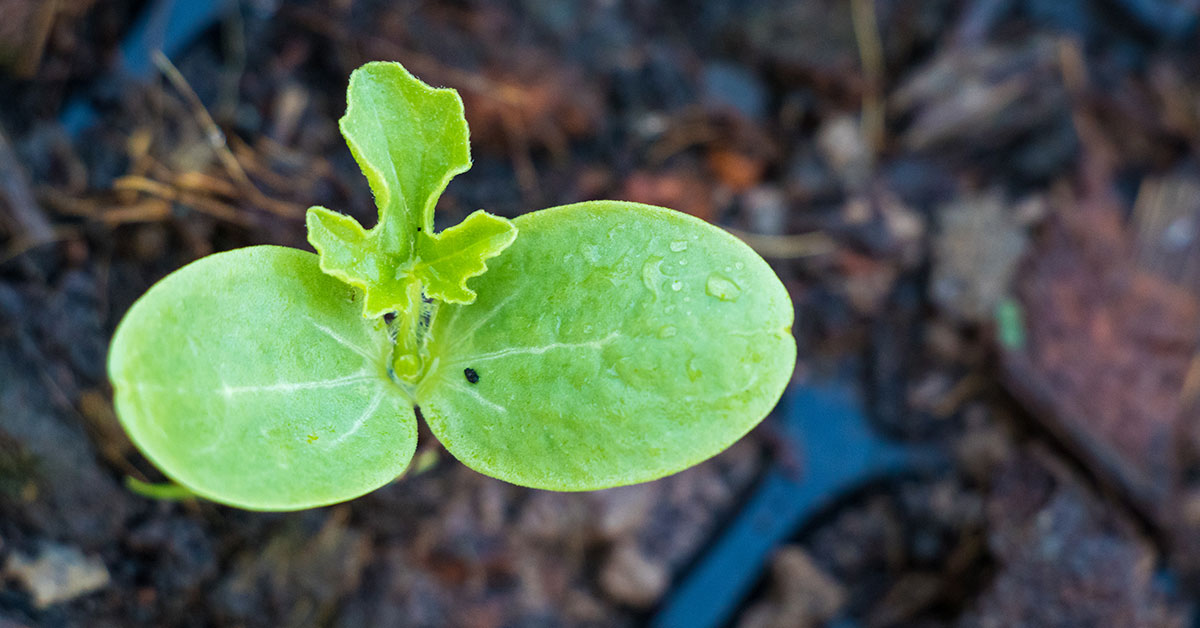

Welcome to the world of watermelon cultivation in Zone 7! If you’re a gardening enthusiast residing in this region, you’re in luck because growing watermelon can be a rewarding and delicious experience. Zone 7, which covers a wide range of states including parts of the Southeast, Midwest, and West Coast, offers a favorable climate for watermelon production.
However, timing is crucial when it comes to planting watermelon in this zone. In this article, we will explore the optimal planting times, key considerations, and expert tips to ensure a successful watermelon harvest in Zone 7. So grab your gardening tools and let’s dive into the world of watermelon cultivation!
Best varieties of watermelon to grow in Zone 7
In Zone 7, which typically experiences mild winters and hot summers, there are several watermelon varieties that thrive. Here are a few recommended varieties:
- Crimson Sweet: This is a popular variety known for its sweet, juicy flesh and high productivity. It has a dark green rind with light green stripes and can grow to be around 20-25 pounds.
- Sugar Baby: This is a smaller-sized watermelon variety, perfect for gardeners with limited space. It has a compact vine and produces small, round fruits weighing around 8-10 pounds. Sugar Baby has a deep red, sweet flesh and a dark green rind.
- Charleston Gray: This variety is well-suited for hot climates and has a good resistance to diseases. It produces large, oblong fruits weighing around 20-30 pounds. Charleston Gray has a light green rind with dark green stripes and sweet, red flesh.
- Jubilee: Jubilee watermelons are known for their large size, weighing around 25-30 pounds. They have a thick, tough rind that makes them excellent for transportation. The flesh is sweet and juicy, with a bright red color.
- Black Diamond: This variety is favored for its large, round fruits that can weigh up to 50 pounds. It has a dark green rind and deep red, sweet flesh. Black Diamond is known for its excellent flavor and productivity.
Remember to consider factors such as soil quality, sunlight, and water requirements when selecting watermelon varieties for your specific garden conditions.
When to plant watermelon in Zone 7
In Zone 7, the best time to plant watermelon is typically in late spring or early summer when the soil temperature has warmed up to around 70°F (21°C) or higher. This is usually around mid to late May. Watermelons are warm-season crops that require a long growing season, so it’s important to wait until the danger of frost has passed and the soil has warmed up adequately before planting.
How to grow
Growing watermelon requires careful planning and attention to detail. Here are the steps and considerations to keep in mind:
- Climate and Soil: Watermelons thrive in warm climates with temperatures between 70-90°F (21-32°C). Choose a sunny spot in your garden with well-drained soil. The soil should be rich in organic matter and have a pH level between 6.0-6.8.
- Seed Selection: Choose watermelon seeds that are suitable for your climate and growing conditions. There are various varieties available, including seedless, mini, and traditional watermelons. Consider factors such as size, taste, and disease resistance when selecting seeds.
- Starting Seeds: Start watermelon seeds indoors 2-3 weeks before the last frost date in your area. Plant the seeds in biodegradable pots or seed trays filled with seed-starting mix. Keep the soil moist and provide sufficient warmth and light for germination.
- Transplanting: Once the danger of frost has passed and the soil temperature reaches at least 70°F (21°C), transplant the seedlings into your garden. Space the plants 3-4 feet apart in rows that are 6-8 feet apart. Watermelon vines spread extensively, so ensure they have enough room to grow.
- Watering: Watermelons need consistent moisture throughout their growing season. Provide deep watering, ensuring the soil is evenly moist but not waterlogged. Avoid overhead watering, as wet foliage can lead to diseases. Mulching around the plants can help retain moisture and suppress weeds.
- Fertilization: Watermelons are heavy feeders and require regular fertilization. Apply a balanced fertilizer at planting time and then follow up with additional applications every 3-4 weeks. Use a fertilizer high in nitrogen during the early growth stage and switch to a phosphorus-rich fertilizer during flowering and fruit development.
- Pollination: Watermelons require pollination for fruit set. Bees and other pollinators are essential for this process. Encourage pollinators by planting flowers nearby and avoiding the use of pesticides harmful to bees.
- Pruning and Training: Watermelon vines can become unruly, so consider training them on a trellis or providing support with stakes. Pruning can help manage the growth and improve air circulation, reducing the risk of diseases. Remove any suckers or side shoots that divert energy from the main vine.
- Pest and Disease Control: Common pests that attack watermelons include aphids, cucumber beetles, and squash bugs. Monitor your plants regularly and take appropriate measures such as using insecticidal soaps or organic pest control methods. Diseases like powdery mildew and fusarium wilt can also affect watermelons, so choose disease-resistant varieties and practice crop rotation.
- Harvesting: Watermelons are ready for harvest when the fruit has reached full size, the skin has turned dull, and the underside has a creamy yellow color. Give the fruit a gentle tap, and if it sounds hollow, it is likely ripe. Cut the watermelon from the vine using a sharp knife, leaving a short stem attached.
By following these steps and considering the specific needs of watermelon plants, you can successfully grow delicious watermelons in your garden.
When to harvest
In Zone 7, watermelon can be harvested typically from late summer to early fall. The exact timing will depend on the specific variety of watermelon you are growing and the weather conditions in your area. However, as a general guideline, watermelons are usually ready to harvest when they have reached full size, the skin color has turned dull or matte, the bottom side (where it touches the ground) has turned yellow or cream-colored, and the tendrils near the stem have dried up or turned brown. Additionally, you can perform a thumping test by tapping the watermelon with your knuckles – a ripe watermelon will produce a deep, hollow sound. It’s important to monitor your watermelon plants closely and adjust the harvest time accordingly.
Common watermelon plant problems and fixes
Common problems when growing watermelon include:
- Poor pollination: Watermelon plants require proper pollination to produce fruit. If you notice a lack of fruit development, it may be due to inadequate pollination. To fix this, you can hand-pollinate the flowers by transferring pollen from the male flowers to the female flowers using a small brush or cotton swab.
- Blossom end rot: This is a condition where the bottom end of the fruit turns black and rots. It is usually caused by calcium deficiency or inconsistent watering. To prevent blossom end rot, ensure the plants receive adequate calcium by adding lime or gypsum to the soil before planting. Additionally, maintain consistent soil moisture by watering deeply and regularly.
- Powdery mildew: Powdery mildew is a fungal disease that appears as a white powdery coating on the leaves. It can weaken the plants and reduce fruit production. To control powdery mildew, ensure good air circulation around the plants, avoid overhead watering, and apply fungicides as necessary.
- Pest infestations: Common pests that can affect watermelon plants include aphids, cucumber beetles, and spider mites. Regularly inspect the plants for signs of pests and use appropriate insecticides or organic pest control methods to manage infestations.
- Fruit cracking: Cracking can occur when there is rapid growth or fluctuations in water availability. To prevent fruit cracking, maintain consistent soil moisture by watering evenly and deeply. Mulching around the plants can also help retain moisture and prevent fluctuations.
- Sunburn: Watermelon fruits can get sunburned when exposed to intense sunlight. To protect the fruits, provide shade using row covers or by planting the watermelon vines near taller plants that can provide some shade during the hottest part of the day.
- Improper vine management: Watermelon vines can become unruly and overcrowded if not properly managed. Overcrowding can lead to poor air circulation and increased disease susceptibility. Regularly prune the vines to remove excessive growth and maintain a well-spaced and healthy plant canopy.
By addressing these common problems and implementing appropriate solutions, you can increase the chances of successful watermelon growth and harvest.