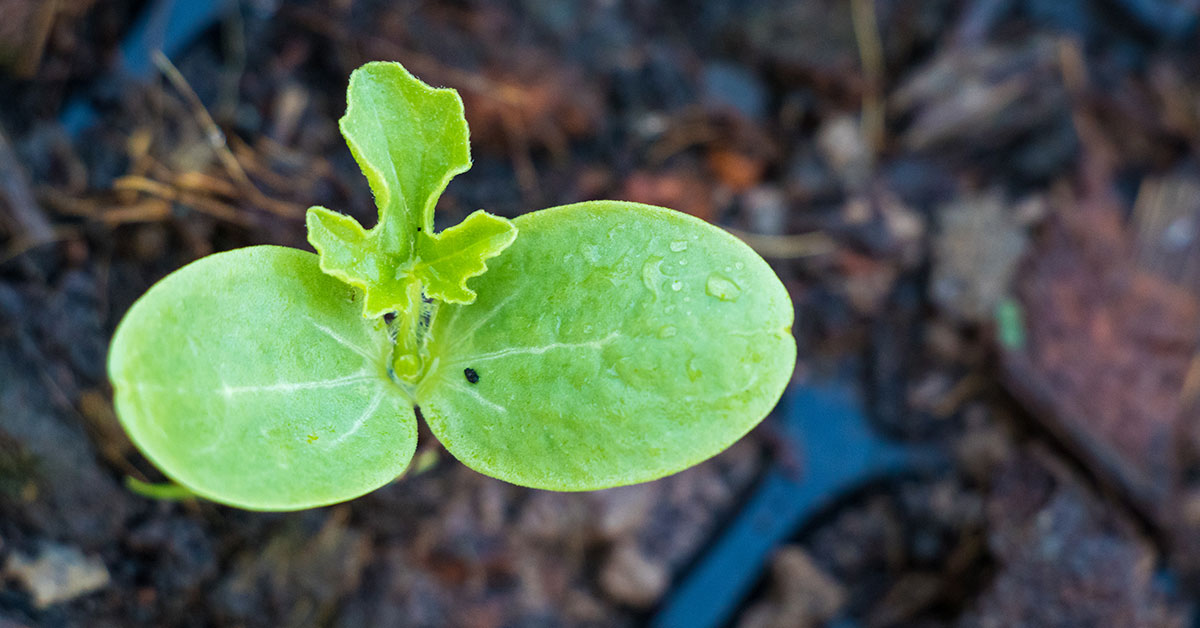

Welcome to the world of watermelon cultivation in Zone 5! If you’re a gardening enthusiast residing in this region, you may be wondering when the best time is to plant watermelon. Zone 5, which experiences cold winters and relatively short growing seasons, poses unique challenges for watermelon growers. However, with the right knowledge and techniques, you can still enjoy the sweet and juicy fruits of your labor.
In this article, we will explore the optimal timing for planting watermelon in Zone 5, taking into account the frost dates, soil temperature requirements, and other factors that can influence the success of your watermelon crop. So, grab your gardening gloves and let’s dive into the world of watermelon planting in Zone 5!
Best varieties of watermelon to grow in Zone 5
In Zone 5, where the average minimum winter temperature ranges from -20 to -10 degrees Fahrenheit (-28 to -23 degrees Celsius), it is important to choose watermelon varieties that can tolerate cooler temperatures and have a shorter growing season. Here are a few watermelon varieties that are known to perform well in Zone 5:
- Sugar Baby: This is a popular heirloom variety that produces small to medium-sized watermelons with sweet, red flesh. It matures in around 80 days, making it suitable for shorter growing seasons.
- Blacktail Mountain: This variety is known for its ability to tolerate cooler temperatures. It produces medium-sized watermelons with sweet, red flesh. It matures in approximately 75 days.
- Crimson Sweet: This is a widely grown variety that produces large, oval-shaped watermelons with sweet, crisp, and juicy red flesh. It matures in around 85 days, so it may require a longer growing season or the use of season extension techniques in Zone 5.
- Moon and Stars: This heirloom variety is known for its unique appearance, with dark green skin speckled with yellow “stars” and a large yellow “moon” on the rind. It produces sweet, red flesh and matures in approximately 90 days.
- Minnesota Midget: This is a compact variety that is well-suited for smaller gardens or containers. It produces small, round watermelons with sweet, red flesh. It matures in around 70 days, making it ideal for shorter growing seasons.
Remember to provide your watermelon plants with full sun, well-draining soil, and consistent moisture throughout the growing season. Additionally, using black plastic mulch or row covers can help warm the soil and extend the growing season in cooler climates.
When to plant watermelon in Zone 5
In Zone 5, the best time to plant watermelon is typically in late spring or early summer, once the soil has warmed up and there is no longer a risk of frost. The average last frost date in Zone 5 is usually around mid to late May, so it is generally safe to plant watermelon seeds or transplants after this date. However, it is always a good idea to check the local weather forecast and soil temperature before planting to ensure optimal conditions for germination and growth.
How to grow
Growing watermelon requires careful planning and attention to detail. Here are the steps and considerations to keep in mind:
- Climate and Soil: Watermelons thrive in warm climates with temperatures between 70-90°F (21-32°C). Choose a location with full sun exposure. The soil should be well-draining, rich in organic matter, and have a pH level between 6.0-6.8.
- Seed Selection: Choose watermelon seeds that are suitable for your climate and growing conditions. There are various varieties available, including seedless and seeded types. Consider factors like size, flavor, and disease resistance when selecting seeds.
- Starting Seeds: Start watermelon seeds indoors 3-4 weeks before the last frost date in your area. Plant the seeds in biodegradable pots or seed trays filled with seed-starting mix. Keep the soil consistently moist and maintain a temperature of around 80°F (27°C) for optimal germination.
- Transplanting: Once the danger of frost has passed and the soil temperature reaches at least 70°F (21°C), transplant the seedlings into the garden. Space the plants 3-4 feet apart in rows that are 6-8 feet apart. Ensure the soil is well-prepared with compost or well-rotted manure.
- Watering: Watermelons require consistent moisture, especially during the fruiting stage. Provide deep watering, ensuring the soil is evenly moist but not waterlogged. Avoid overhead watering to prevent diseases. Mulching around the plants helps retain moisture and suppress weeds.
- Fertilization: Watermelons are heavy feeders. Before planting, incorporate organic matter or compost into the soil. Once the plants start to vine, side-dress with a balanced fertilizer or use a slow-release fertilizer according to package instructions. Avoid excessive nitrogen, as it can result in more foliage growth than fruit production.
- Pollination: Watermelons require pollination for fruit set. Bees and other pollinators are essential for this process. Encourage pollinators by planting flowers nearby or using bee-friendly practices in your garden.
- Pest and Disease Management: Common pests that affect watermelons include aphids, cucumber beetles, and squash bugs. Monitor your plants regularly and use organic pest control methods like handpicking, insecticidal soaps, or neem oil. Diseases like powdery mildew and fusarium wilt can also affect watermelons, so practice crop rotation and maintain good airflow around the plants.
- Trellising: Some watermelon varieties can be trellised to save space and improve airflow. Use a sturdy trellis system to support the vines and fruits.
- Harvesting: Watermelons are ready for harvest when the fruit’s skin color dulls, the underside turns yellow, and the tendril closest to the fruit dries up. Give the fruit a gentle tap – a hollow sound indicates ripeness. Cut the fruit from the vine, leaving a short stem attached.
By following these steps and considerations, you can successfully grow watermelons and enjoy the delicious fruits of your labor.
When to harvest
In Zone 5, watermelons are typically harvested in late summer or early fall, depending on the specific variety and growing conditions. The exact timing can vary, but a general guideline is to harvest watermelons when they reach full maturity and have a deep, solid sound when tapped. Additionally, the underside of the watermelon should have a creamy yellow color, and the tendrils near the stem should be dry and brown. It is important to monitor the fruit closely and harvest them before the first frost, as cold temperatures can damage or ruin the watermelons.
Common watermelon plant problems and fixes
Common problems when growing watermelon include:
- Poor pollination: Watermelon plants require proper pollination for fruit development. If there is a lack of bees or other pollinators in your area, you can hand-pollinate the flowers using a small brush or cotton swab. Gently transfer pollen from the male flowers to the female flowers.
- Blossom end rot: This is a condition where the bottom of the fruit becomes sunken and dark. It is caused by a calcium deficiency or inconsistent watering. To prevent blossom end rot, ensure the soil is well-drained and consistently moist. Adding calcium-rich amendments or using a calcium spray can also help.
- Powdery mildew: Powdery mildew is a fungal disease that appears as a white, powdery coating on the leaves. To prevent powdery mildew, provide good air circulation by spacing plants adequately and avoiding overhead watering. If the disease appears, treat it with a fungicide approved for use on watermelon.
- Insect pests: Common pests that attack watermelon plants include aphids, cucumber beetles, and squash bugs. Regularly inspect your plants for signs of pest infestation and take appropriate measures, such as using insecticidal soap or neem oil, to control them.
- Fusarium wilt: Fusarium wilt is a soil-borne fungal disease that causes wilting and yellowing of leaves. To prevent this disease, choose resistant watermelon varieties and rotate crops to avoid planting in the same area for several years. If your plants are affected, remove and destroy them to prevent the spread of the fungus.
- Overwatering or underwatering: Watermelon plants require consistent moisture, but overwatering can lead to root rot, while underwatering can cause poor fruit development. Water deeply but infrequently, allowing the soil to dry out slightly between waterings. Mulching around the plants can help retain moisture and regulate soil temperature.
- Poor fruit set: If your watermelon plants are not setting fruit, it could be due to high temperatures, lack of pollination, or nutrient deficiencies. Ensure your plants are adequately watered and fertilized, and consider shading them during extreme heat to promote fruit set.
Remember to regularly monitor your plants for any signs of disease or pest infestation, and take prompt action to address the issues. Providing proper care, including adequate water, sunlight, and nutrients, will help your watermelon plants thrive and produce delicious fruits.