
Welcome to the world of watermelon cultivation in South Dakota! If you’re a gardening enthusiast in this beautiful state, you may be wondering when is the best time to plant watermelon and how to ensure a successful harvest. South Dakota’s unique climate and growing conditions present both challenges and opportunities for watermelon growers.
In this article, we will delve into the ideal planting time for watermelon in South Dakota, taking into account the state’s short growing season, average temperatures, and frost dates. Whether you’re a seasoned gardener or a beginner, this guide will equip you with the knowledge and tips you need to grow juicy, sweet watermelons right in your own backyard. So, let’s get started and discover the secrets to a bountiful watermelon harvest in South Dakota!
Best varieties of watermelon to grow in South Dakota
Watermelons are warm-season crops that require a long growing season and plenty of heat to thrive. South Dakota’s relatively short growing season and cooler climate can pose challenges for growing watermelons. However, there are a few varieties that have been known to perform well in South Dakota:
- ‘Blacktail Mountain’: This variety is an early-maturing watermelon that can handle cooler temperatures. It has a compact vine and produces small to medium-sized fruits with sweet, red flesh.
- ‘Sugar Baby’: Another early-maturing variety, ‘Sugar Baby’ is known for its small size and high sugar content. It produces round, dark green melons with sweet, crisp flesh.
- ‘Crimson Sweet’: Although it requires a longer growing season, ‘Crimson Sweet’ can still be successful in South Dakota if started indoors or with the help of season extenders like row covers or hoop houses. It produces large, oval-shaped melons with sweet, juicy flesh.
- ‘Moon and Stars’: This heirloom variety is known for its unique appearance, with large, yellow spots (the “moon”) and smaller, darker spots (the “stars”) on its rind. ‘Moon and Stars’ requires a longer growing season but can be grown successfully in South Dakota with proper care.
Remember to provide your watermelon plants with full sun exposure, well-drained soil, and consistent watering throughout the growing season. Starting seeds indoors or using transplants can help extend the growing season and increase your chances of success in South Dakota.
When to plant watermelon in South Dakota
The best time to plant watermelon in South Dakota is typically in late spring or early summer, when the soil temperature has reached at least 70°F (21°C). This is usually around mid-May to early June, depending on the specific location within South Dakota. It is important to wait until after the last frost date to avoid any potential damage to the young watermelon plants.
How to grow
Growing watermelon requires careful planning and attention to detail. Here are the steps and considerations to keep in mind:
- Climate and Location: Watermelons thrive in warm climates with a long growing season. They need full sun exposure for at least 6-8 hours a day. Choose a location with well-drained soil and ample space for the vines to spread.
- Soil Preparation: Watermelons prefer loamy, fertile soil with a pH level between 6.0 and 7.5. Before planting, amend the soil with organic matter like compost or well-rotted manure to improve its fertility and drainage.
- Seed Selection: Choose watermelon seeds that are suitable for your climate and desired variety. There are different types of watermelons, including seeded, seedless, and mini varieties. Consider factors like taste, size, and disease resistance when selecting seeds.
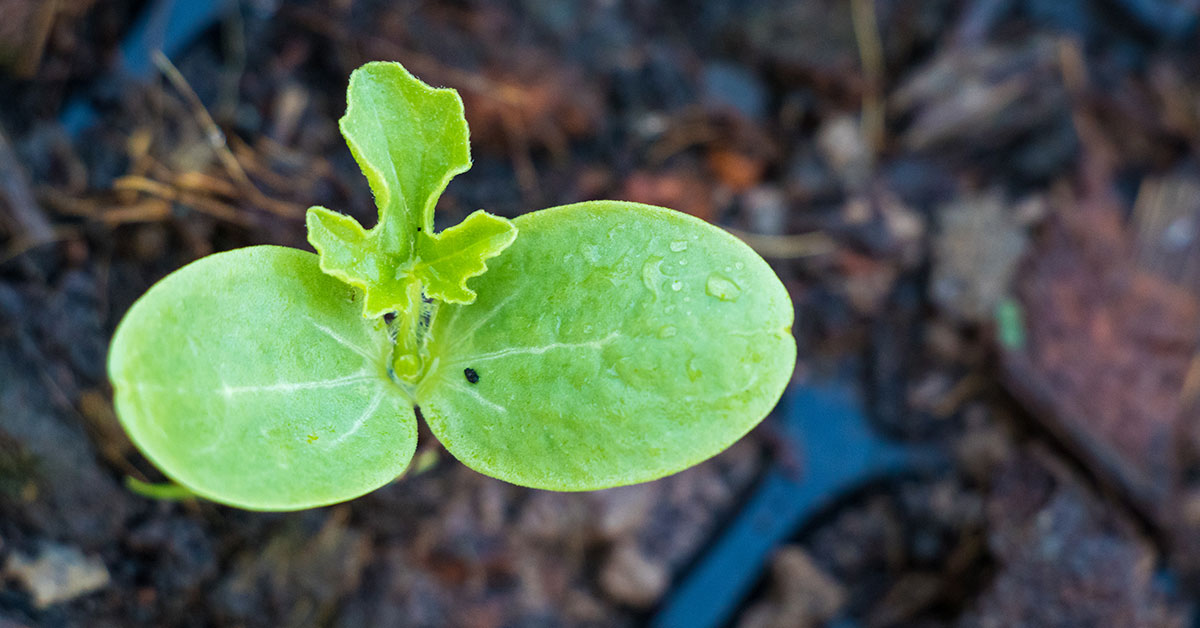
- Germination and Transplanting: Start watermelon seeds indoors 2-3 weeks before the last frost date in your area. Plant the seeds in biodegradable pots or seed trays filled with seed-starting mix. Keep the soil moist and warm (around 80°F or 27°C) until germination occurs. Once the seedlings have developed a few true leaves, transplant them into the garden, spacing them 2-3 feet apart.
- Watering: Watermelons have high water requirements, especially during hot and dry periods. Provide consistent moisture to the plants, aiming for about 1-2 inches of water per week. Avoid overwatering, as it can lead to root rot. Mulching around the plants helps retain moisture and suppress weeds.
- Fertilization: Watermelons are heavy feeders and benefit from regular fertilization. Apply a balanced organic fertilizer or a slow-release granular fertilizer according to the package instructions. Side-dress the plants with additional fertilizer once they start to vine and again when the fruits are forming.
- Pollination: Watermelons require pollination for fruit set. Bees and other pollinators are essential for this process. Encourage pollinators by planting flowers nearby or using companion plants like marigolds. If pollination seems insufficient, you can hand-pollinate by transferring pollen from the male flowers to the female flowers using a small brush.
- Pruning and Training: Watermelon vines can become sprawling, so consider providing support or trellising for the plants to save space and improve airflow. Prune off any lateral branches or suckers to redirect energy towards fruit production. Remove any diseased or damaged leaves to prevent the spread of diseases.
- Pest and Disease Control: Common pests that attack watermelons include aphids, cucumber beetles, and squash bugs. Monitor your plants regularly and take appropriate measures like using insecticidal soap or neem oil to control infestations. Diseases like powdery mildew and fusarium wilt can also affect watermelons, so practice crop rotation and maintain good airflow around the plants to minimize the risk.
- Harvesting: Watermelons are ready for harvest when the fruit’s skin turns dull and the underside changes from white to yellow. Give the fruit a gentle thump – a hollow sound indicates ripeness. Cut the melons from the vine using a sharp knife, leaving a few inches of stem attached. Store them in a cool, dry place or refrigerate before consuming.
By following these steps and considering the specific needs of watermelons, you can successfully grow delicious and juicy watermelons in your garden.
When to harvest
Watermelon should be harvested in South Dakota when they are fully ripe and have reached their optimal maturity. The ideal time to harvest watermelon in South Dakota is typically in late summer or early fall, around 80-90 days after planting. However, the exact timing can vary depending on the specific variety of watermelon you are growing and the weather conditions in your area.
To determine if a watermelon is ready for harvest, there are a few indicators to look for:
- Color: The skin of the watermelon should have a deep, uniform color. For most varieties, this is typically a dark green or black color. Avoid harvesting watermelons with a pale or light-colored skin.
- Thumping: Gently tap the watermelon with your knuckles. A ripe watermelon will produce a deep, hollow sound, while an unripe one will sound dull.
- Tendril drying: Check the tendril closest to the watermelon stem. If it has turned brown and dried up, it is a good indication that the watermelon is ripe.
- Size and shape: Watermelons should reach their mature size and have a uniform shape. The size will depend on the variety you are growing, so refer to the specific seed packet or plant label for guidance.
It’s important to note that watermelons will not continue to ripen after they are harvested, so it’s crucial to pick them at the right time. Harvesting too early can result in a less sweet and flavorful fruit, while waiting too long can lead to overripe or mushy watermelons.
Common watermelon plant problems and fixes
Common problems when growing watermelon include:
- Poor pollination: Watermelon plants require proper pollination to set fruit. If you notice a lack of fruit development, it may be due to inadequate pollination. To fix this, you can hand-pollinate the flowers by transferring pollen from the male flowers to the female flowers using a small brush or cotton swab.
- Blossom end rot: This condition is characterized by a dark, sunken area on the blossom end of the fruit. It is caused by calcium deficiency or inconsistent watering. To prevent blossom end rot, ensure consistent moisture levels by watering regularly and evenly. Additionally, adding calcium-rich amendments, such as crushed eggshells or agricultural lime, to the soil can help prevent this problem.
- Powdery mildew: Powdery mildew appears as a white, powdery coating on the leaves, stems, and fruits of watermelon plants. It thrives in warm, humid conditions. To control powdery mildew, ensure proper air circulation by spacing plants adequately and avoid overhead watering. Fungicidal sprays containing sulfur or neem oil can also help manage the disease.
- Fusarium wilt: Fusarium wilt is a fungal disease that causes wilting, stunted growth, and yellowing of leaves. Infected plants may eventually die. To prevent fusarium wilt, choose resistant watermelon varieties and rotate crops to prevent the buildup of the pathogen in the soil. If your plants are already infected, remove and destroy affected plants to prevent further spread.
- Pests: Watermelon plants can be susceptible to pests such as aphids, cucumber beetles, and squash bugs. Regularly inspect your plants for signs of pest infestation, such as distorted leaves, yellowing, or wilting. Use organic pest control methods like handpicking, insecticidal soaps, or neem oil to manage these pests.
Remember, prevention is key when it comes to common problems in watermelon cultivation. Providing optimal growing conditions, practicing good sanitation, and selecting disease-resistant varieties can go a long way in ensuring a successful harvest.