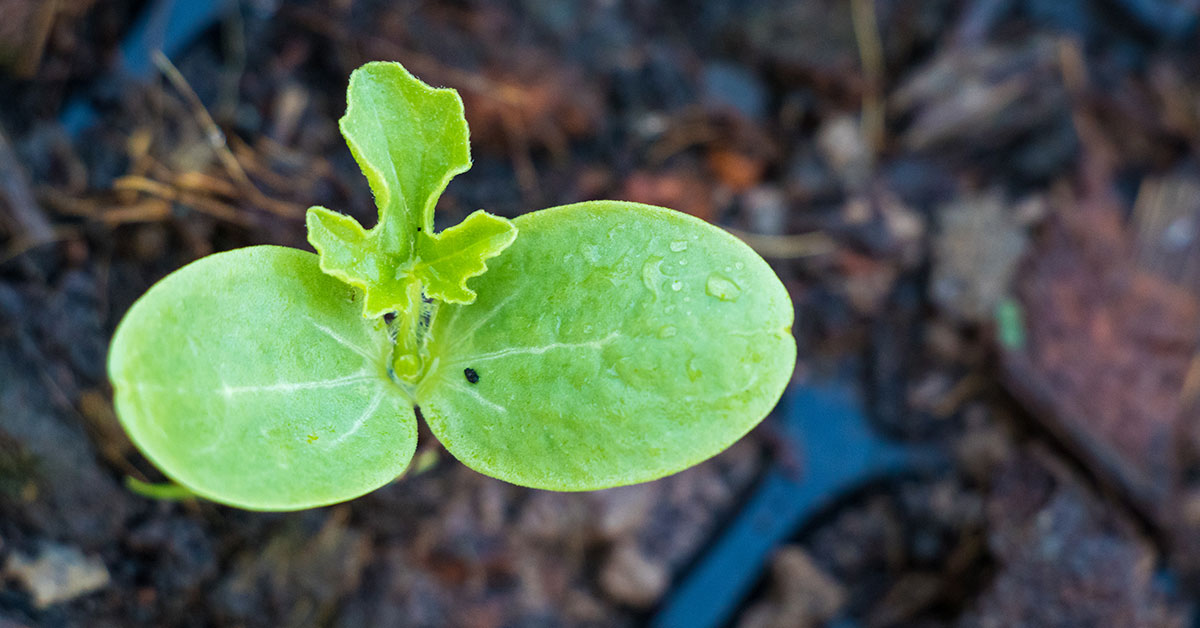

Welcome to the world of watermelon cultivation in Ohio! If you’re a gardening enthusiast eager to grow your own juicy and refreshing watermelons, you’ve come to the right place. Ohio’s climate offers a unique set of challenges and opportunities for watermelon growers, and understanding the best time to plant is crucial for a successful harvest.
In this article, we will explore the optimal planting window for watermelons in Ohio, taking into account the state’s weather patterns, soil conditions, and the specific needs of this delicious fruit. Whether you’re a seasoned gardener or a beginner, get ready to dive into the world of watermelon cultivation and learn when to sow those seeds for a bountiful harvest in the Buckeye State.
Best varieties of watermelon to grow in Ohio
In Ohio, the climate is generally suitable for growing watermelons. Here are a few varieties that tend to perform well in Ohio’s growing conditions:
- Crimson Sweet: This is a popular variety known for its large, sweet, and juicy fruit. It has a dark green rind with lighter green stripes. Crimson Sweet is a reliable choice for Ohio gardeners.
- Sugar Baby: This is a smaller watermelon variety that matures relatively quickly, making it a good option for shorter growing seasons. It has a dark green rind and sweet, red flesh. Sugar Baby is also well-suited for container gardening.
- Black Diamond: This variety produces large, oblong fruit with a dark green rind. The flesh is deep red and very sweet. Black Diamond is known for its excellent flavor and is a favorite among many watermelon enthusiasts.
- Jubilee: Jubilee watermelons have a light green rind with dark green stripes. The flesh is deep red and very sweet. This variety is known for its large size and is a good choice for Ohio gardeners looking for a high-yielding watermelon.
- Moon and Stars: This unique variety has a dark green rind speckled with small yellow “stars” and a larger yellow “moon” on the surface. The flesh is sweet and red. Moon and Stars watermelons are visually striking and can add a fun element to your garden.
Remember to consider factors such as disease resistance, days to maturity, and personal preferences when selecting watermelon varieties for your Ohio garden.
When to plant watermelon in Ohio
The best time to plant watermelon in Ohio is typically in late spring or early summer, once the soil has warmed up and there is no longer a risk of frost. This is usually around mid to late May. Watermelons require warm soil temperatures, ideally between 70-90°F (21-32°C), for optimal growth and fruit development. Planting too early when the soil is still cold can result in poor germination and stunted growth.
How to grow
Growing watermelon requires careful planning and attention to detail. Here are the steps and considerations to keep in mind:
- Climate and Soil: Watermelons thrive in warm climates with temperatures between 70-90°F (21-32°C). Choose a sunny spot in your garden with well-draining soil. The soil should be rich in organic matter and have a pH level between 6.0-6.8.
- Seed Selection: Choose watermelon seeds that are suitable for your climate and desired taste. There are various varieties available, including seeded and seedless types. Consider factors like size, flavor, and disease resistance when selecting seeds.
- Starting Seeds: Start watermelon seeds indoors 2-3 weeks before the last frost date in your area. Plant the seeds in biodegradable pots or seed trays filled with seed-starting mix. Keep the soil moist and maintain a temperature of around 75°F (24°C) until the seeds germinate.
- Transplanting: Once the danger of frost has passed and the soil temperature reaches at least 70°F (21°C), transplant the seedlings into the garden. Space the plants about 3-4 feet apart in rows that are 6-8 feet apart.
- Watering: Watermelons need consistent moisture throughout the growing season. Provide deep watering to keep the soil evenly moist, especially during dry spells. Avoid overwatering, as it can lead to root rot and other diseases.
- Fertilization: Watermelons are heavy feeders. Before planting, incorporate compost or well-rotted manure into the soil. Once the plants start to vine, side-dress them with a balanced fertilizer. Avoid excessive nitrogen, as it can result in more foliage growth than fruit production.
- Pollination: Watermelons require pollination for fruit set. Bees and other pollinators are essential for this process. To attract pollinators, plant flowers nearby or use companion plants like marigolds or zinnias.
- Pest and Disease Control: Monitor your watermelon plants regularly for pests like aphids, cucumber beetles, and squash bugs. Use organic pest control methods such as handpicking, insecticidal soaps, or neem oil. Prevent diseases by providing good air circulation, avoiding overhead watering, and practicing crop rotation.
- Pruning and Training: Watermelon vines can become sprawling, so consider providing support or trellising to keep them off the ground. Prune off any suckers or lateral branches to focus the plant’s energy on fruit production.
- Harvesting: Harvest watermelons when they are fully ripe. Look for signs like a dull skin color, a yellowish belly, and a dried tendril near the fruit. Gently tap the watermelon; if it sounds hollow, it is likely ripe. Cut the fruit from the vine using a sharp knife or shears.
Remember, growing watermelons requires patience and regular care. By following these steps and considering the specific needs of your watermelon variety, you can enjoy a bountiful harvest.
When to harvest
Watermelon should typically be harvested in Ohio from late August to early September. The exact timing can vary depending on the specific variety of watermelon being grown and the weather conditions during the growing season. It is important to monitor the watermelon plants closely for signs of ripeness before harvesting. Some indicators of ripeness include a dull or matte appearance of the skin, a yellow or cream-colored underside, and a hollow sound when tapped. Additionally, the tendril closest to the fruit should be dry and brown. Harvesting watermelon at the right time ensures optimal flavor and sweetness.
Common watermelon plant problems and fixes
Common problems when growing watermelon include:
- Poor pollination: Watermelon plants require proper pollination for fruit set. If there are not enough bees or other pollinators in your area, you can hand-pollinate the flowers using a small brush or cotton swab. Gently transfer pollen from the male flowers to the female flowers.
- Blossom end rot: This is a condition where the bottom end of the fruit turns black and rots. It is caused by a calcium deficiency or irregular watering. To prevent blossom end rot, ensure consistent watering and provide adequate calcium by adding lime or gypsum to the soil before planting.
- Powdery mildew: Powdery mildew is a fungal disease that appears as a white powdery coating on the leaves. It can weaken the plant and reduce fruit production. To control powdery mildew, ensure good air circulation around the plants, avoid overhead watering, and apply fungicides if necessary.
- Pest infestations: Common pests that attack watermelon plants include aphids, cucumber beetles, and squash bugs. Regularly inspect your plants for signs of pests and use organic insecticides or insecticidal soaps to control them. You can also use physical barriers like row covers to protect young plants from pests.
- Overwatering or underwatering: Watermelon plants need consistent moisture, but overwatering or underwatering can lead to problems. Overwatering can cause root rot, while underwatering can result in poor fruit development. Water deeply and evenly, ensuring the soil is moist but not waterlogged. Mulching around the plants can help retain moisture.
- Lack of sunlight: Watermelon plants require full sun for optimal growth and fruiting. If your plants are not receiving enough sunlight, consider pruning nearby plants or structures to allow more light to reach them.
- Improper spacing: Watermelon plants need ample space to spread and grow. Crowded plants can compete for nutrients and sunlight, resulting in smaller fruits. Follow the recommended spacing guidelines for your specific watermelon variety.
By addressing these common problems and following proper care practices, you can increase your chances of successfully growing watermelon.