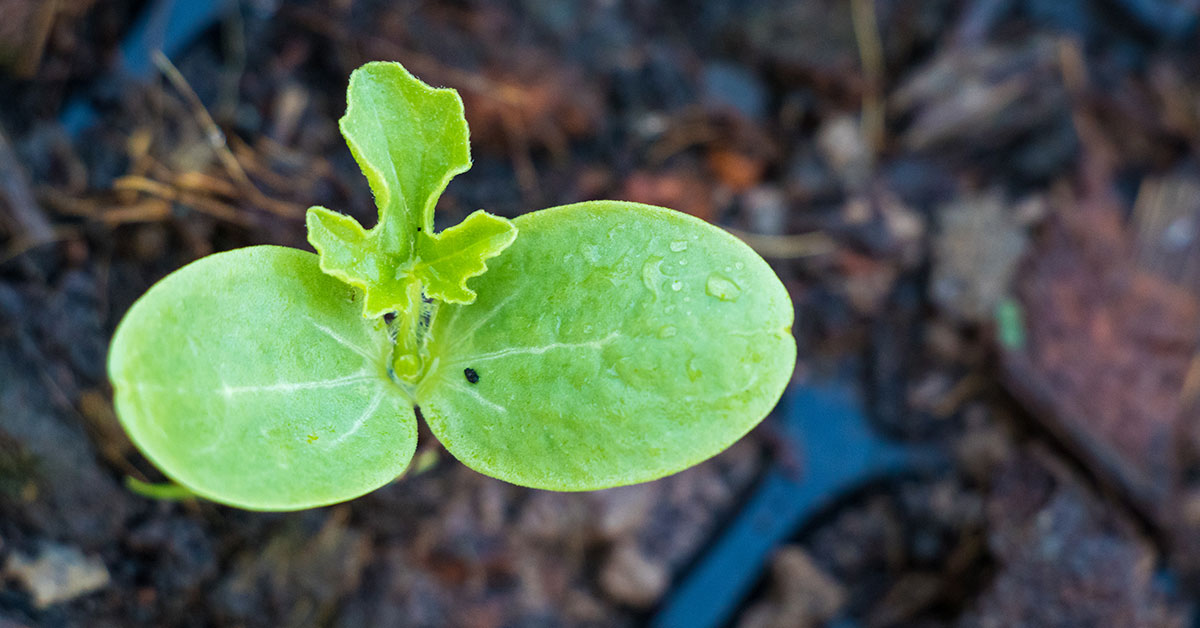

Welcome to the world of watermelon cultivation in Louisiana! If you’re a gardening enthusiast in the Pelican State, you’re in for a treat as we delve into the art of growing this juicy and refreshing fruit. Watermelons thrive in the warm and humid climate that Louisiana offers, making it an ideal location for cultivating these delicious summer treats. In this article, we will guide you through the process of determining the best time to plant watermelon in Louisiana, taking into consideration the unique weather patterns and growing conditions of the region.
Whether you’re a seasoned gardener or a beginner looking to embark on a new horticultural adventure, get ready to learn the ins and outs of watermelon planting in the Bayou State.
Best varieties of watermelon to grow in Louisiana
In Louisiana, the best varieties of watermelon to grow are those that are well-suited to the hot and humid climate of the region. Here are a few varieties that tend to perform well in Louisiana:
- Crimson Sweet: This is a popular variety known for its sweet, juicy flesh and high sugar content. It has a dark green rind with light green stripes and can grow to a large size.
- Jubilee: Jubilee watermelons have a thick, tough rind and sweet, crisp flesh. They are known for their high yield and ability to withstand hot temperatures.
- Charleston Gray: This variety is known for its large, oblong shape and thick, tough rind, making it a good choice for shipping. It has sweet, red flesh and can tolerate high temperatures.
- Sugar Baby: Sugar Baby watermelons are smaller in size, making them ideal for smaller gardens or containers. They have a dark green rind and sweet, red flesh. They are also early maturing, which is beneficial in areas with a shorter growing season.
- Black Diamond: Black Diamond watermelons have a dark green, almost black rind and sweet, juicy red flesh. They are known for their large size and high sugar content.
When selecting watermelon varieties, it’s important to consider factors such as disease resistance, days to maturity, and personal preferences for taste and texture. Additionally, it’s a good idea to consult with local nurseries or agricultural extension offices for specific recommendations based on your location within Louisiana.
When to plant watermelon in Louisiana
The best time to plant watermelon in Louisiana is typically in late April to early May. This timing allows for the soil to warm up adequately and provides a longer growing season for the watermelon plants. It is important to ensure that all chances of frost have passed before planting, as watermelon plants are sensitive to cold temperatures.
How to grow watermelon
Growing watermelon requires careful planning and attention to detail. Here are the steps and considerations to keep in mind:
- Climate and Soil: Watermelons thrive in warm climates with a long growing season. They require full sun and well-drained soil with a pH level between 6.0 and 6.8. Ensure the soil is rich in organic matter and has good fertility.
- Variety Selection: Choose a watermelon variety that is suitable for your climate and available space. Consider factors such as size, flavor, disease resistance, and days to maturity. Common varieties include ‘Crimson Sweet,’ ‘Sugar Baby,’ and ‘Charleston Gray.’
- Seed Starting: Watermelon seeds can be directly sown into the garden or started indoors 2-3 weeks before the last frost date. If starting indoors, use biodegradable pots to avoid disturbing the roots during transplanting.
- Transplanting: Transplant seedlings outdoors once the soil temperature reaches at least 70°F (21°C) and all danger of frost has passed. Space the plants 3-4 feet apart in rows that are 6-8 feet apart to allow for proper growth and air circulation.
- Watering: Watermelons require consistent moisture throughout their growing season. Provide deep, regular watering, especially during dry spells. Avoid overwatering, as it can lead to root rot. Drip irrigation or soaker hoses are ideal for delivering water directly to the roots.
- Fertilization: Watermelons are heavy feeders. Before planting, incorporate well-rotted compost or aged manure into the soil. Once the plants start to vine, side-dress them with a balanced organic fertilizer every 3-4 weeks.
- Mulching: Apply a layer of organic mulch, such as straw or wood chips, around the plants to conserve moisture, suppress weeds, and regulate soil temperature. Mulching also helps prevent direct contact between the fruit and the soil, reducing the risk of rot.
- Pruning and Training: Watermelon vines tend to sprawl, so consider providing support or trellising to save space. Prune off any lateral shoots or suckers to redirect energy towards fruit production. Remove any diseased or damaged leaves promptly.
- Pest and Disease Control: Monitor your plants regularly for common pests like aphids, cucumber beetles, and squash bugs. Use organic pest control methods such as handpicking, insecticidal soaps, or neem oil. Prevent diseases like powdery mildew and fusarium wilt by practicing crop rotation and providing good air circulation.
- Harvesting: Watermelons are ready for harvest when the tendrils near the fruit turn brown and dry, and the underside of the fruit changes from white to yellow. Give the fruit a gentle tap – a hollow sound indicates ripeness. Cut the fruit from the vine, leaving a short stem attached.
Remember to always follow the specific instructions provided by the seed packet or plant nursery for the variety you are growing, as there may be slight variations in care requirements.
When to harvest watermelon in Louisiana
Watermelon should be harvested in Louisiana when they are fully ripe, which typically occurs in the late summer or early fall. The exact timing can vary depending on the specific variety of watermelon you are growing and the weather conditions in your area. However, a general guideline is to look for the following signs to determine if your watermelon is ready to be harvested:
- Check the color: The skin of a ripe watermelon should have a deep, uniform color. For most varieties, this means a dark green or black skin. Avoid harvesting watermelons with a pale or light green skin as they are likely underripe.
- Tap test: Gently tap the watermelon with your knuckles. If it produces a deep, hollow sound, it is a good indication that it is ripe. If the sound is dull or flat, it may still need more time to mature.
- Check the tendril: Look at the tendril (the curly vine that attaches the watermelon to the main stem). When it turns brown and dries up, it is a sign that the watermelon is ripe or close to being ripe.
- Size and shape: Watermelons should reach their mature size and shape before harvesting. This can vary depending on the variety, so refer to the specific information provided by the seed supplier or plant nursery.
It is important to note that watermelons do not continue to ripen after they are harvested, so it is crucial to pick them at the right time for optimal flavor and sweetness.
Common watermelon plant problems and fixes
Common problems when growing watermelon include:
- Poor pollination: Watermelons require proper pollination to set fruit. If there are not enough bees or other pollinators in your garden, you can hand-pollinate the flowers using a small brush or cotton swab. Gently transfer pollen from the male flowers to the female flowers.
- Blossom end rot: This is a condition where the bottom end of the fruit turns black and rots. It is caused by calcium deficiency or irregular watering. To prevent blossom end rot, ensure consistent watering and provide adequate calcium by adding lime or gypsum to the soil before planting.
- Powdery mildew: Powdery mildew is a fungal disease that appears as a white powdery coating on the leaves. To prevent it, ensure good air circulation around the plants by spacing them properly. If powdery mildew appears, treat it with a fungicide or a homemade solution of water and baking soda.
- Pest infestation: Common pests that attack watermelon plants include aphids, cucumber beetles, and squash bugs. Monitor your plants regularly and use organic insecticides or insecticidal soaps to control infestations. You can also use physical barriers like row covers to protect young plants.
- Overwatering or underwatering: Watermelons need consistent moisture, but overwatering can lead to root rot, while underwatering can cause the fruit to crack or become small. Water deeply and regularly, ensuring the soil is moist but not waterlogged. Mulching around the plants can help retain moisture and prevent weeds.
- Fruit splitting: Rapid growth and fluctuations in moisture levels can cause watermelon fruits to split. To prevent this, maintain consistent watering and avoid excessive nitrogen fertilization. Harvest ripe fruits promptly to prevent overgrowth.
- Lack of sweetness: If your watermelons lack sweetness, it could be due to insufficient sunlight, improper pollination, or harvesting too early. Ensure your plants receive at least 6-8 hours of direct sunlight, promote proper pollination, and wait until the fruit sounds hollow when tapped before harvesting.
By addressing these common problems and following proper care practices, you can increase your chances of successfully growing watermelon.