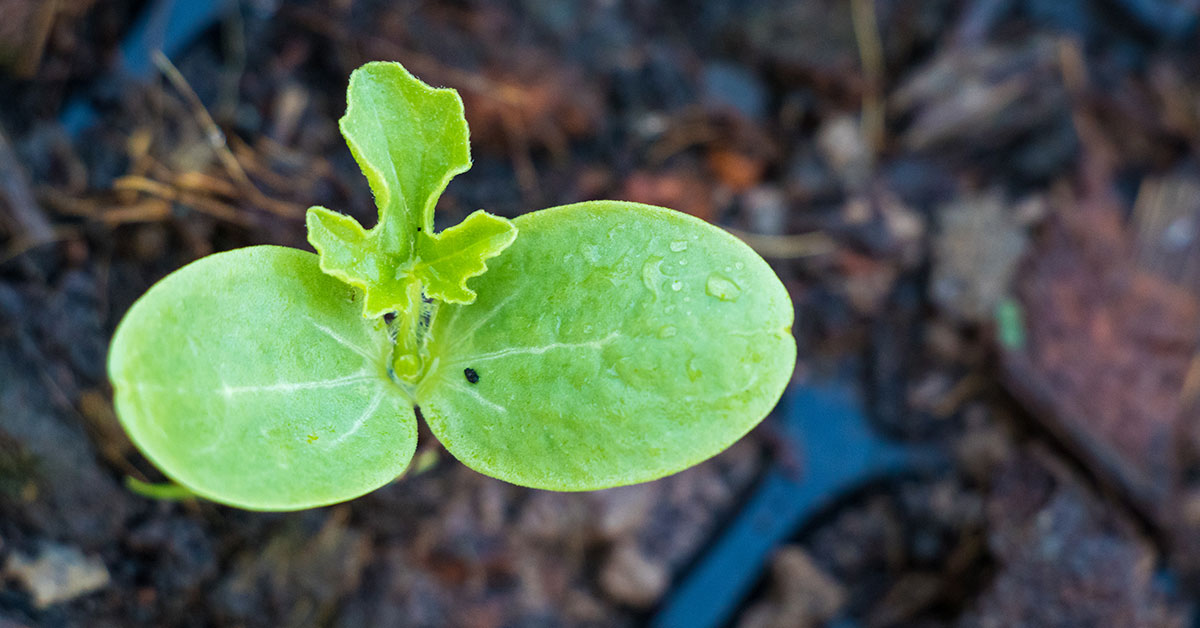

Welcome to the world of watermelon cultivation in the beautiful state of Georgia! Known for its warm climate and fertile soil, Georgia offers the perfect conditions for growing this juicy and refreshing fruit. Whether you’re a seasoned gardener or a beginner looking to try your hand at watermelon cultivation, understanding the ideal time to plant is crucial for a successful harvest. In this article, we will delve into the optimal planting season for watermelon in Georgia, taking into account the state’s unique climate and the specific needs of this delicious fruit.
Best varieties of watermelon to grow in Georgia
In Georgia, there are several watermelon varieties that are known to grow well due to the state’s warm climate. Some popular varieties for Georgia include:
- Crimson Sweet: This variety is a favorite among gardeners in Georgia. It produces large, round melons with sweet, juicy flesh and a dark green rind.
- Charleston Gray: Another popular choice, Charleston Gray is known for its large, oblong-shaped melons. It has a tough, light green rind and sweet, crisp flesh.
- Sugar Baby: This is a smaller variety that is well-suited for smaller gardens or containers. Sugar Baby produces small, round melons with deep red flesh and a dark green rind. It is known for its exceptional sweetness.
- Jubilee: Jubilee watermelons are large, oval-shaped melons with a thick, green rind. The flesh is bright red, juicy, and sweet. This variety is known for its high yield and excellent flavor.
- Georgia Rattlesnake: As the name suggests, this variety is well-suited for Georgia’s climate. It produces large, oblong melons with a green rind that has distinctive dark green stripes. The flesh is sweet and juicy.
It’s important to note that the specific variety that grows best in Georgia may vary depending on factors such as soil conditions, local climate, and personal preferences. It’s always a good idea to consult with local gardening experts or extension offices for more specific recommendations based on your location within Georgia.
When to plant watermelon in Georgia
The best time to plant watermelon in Georgia is typically in late spring or early summer, when the soil temperature has warmed up to around 70°F (21°C) and there is no longer a risk of frost. This is usually around April or May in most parts of Georgia. Planting watermelon too early when the soil is still cool can result in poor germination and slow growth. It is important to choose a variety of watermelon that has a shorter growing season, as Georgia’s hot and humid climate can be challenging for some varieties.
How to grow watermelon
Growing watermelon requires careful planning and attention to detail. Here are the steps and considerations to keep in mind:
- Climate and Location: Watermelons thrive in warm climates with temperatures between 70-85°F (21-29°C). Choose a location that receives full sun for at least 6-8 hours a day.
- Soil Preparation: Watermelons prefer well-drained soil with a pH level between 6.0-6.8. Prepare the soil by removing weeds, rocks, and debris. Add organic matter like compost or well-rotted manure to improve soil fertility and drainage.
- Planting: Watermelons can be grown from seeds or transplants. If starting from seeds, sow them directly into the garden after the last frost date. Plant seeds 1 inch deep and 2-3 feet apart in rows that are 6-8 feet apart. If using transplants, set them in the ground after the danger of frost has passed.
- Watering: Watermelons require consistent moisture for optimal growth. Provide deep, regular watering to keep the soil evenly moist, especially during dry periods. Avoid overhead watering to prevent foliage diseases. Drip irrigation or soaker hoses are ideal for watering watermelons.
- Fertilization: Watermelons are heavy feeders. Prior to planting, incorporate a balanced fertilizer into the soil. Apply a side dressing of nitrogen-rich fertilizer when the vines start to run. Avoid excessive nitrogen as it can result in more foliage growth than fruit production.
- Mulching: Apply a layer of organic mulch, such as straw or wood chips, around the plants to conserve moisture, suppress weeds, and maintain an even soil temperature.
- Support and Pruning: Watermelon vines can become long and sprawling. Consider using trellises or supports to keep the vines off the ground, which can help prevent diseases and pests. Prune the vines sparingly to remove any damaged or diseased leaves.
- Pest and Disease Control: Common pests that can affect watermelons include aphids, cucumber beetles, and squash bugs. Monitor the plants regularly and use organic pest control methods if necessary. Diseases like powdery mildew and fusarium wilt can also be a concern. Choose disease-resistant varieties and practice good garden hygiene to minimize the risk.
- Harvesting: Harvest watermelons when they are fully ripe. Look for signs like a dull skin color, a yellow or cream-colored underside, and a dried tendril near the fruit stem. Thump the watermelon, and if it produces a deep, hollow sound, it is likely ready for harvest. Cut the fruit from the vine using a sharp knife or pruning shears.
By following these steps and considerations, you can successfully grow delicious watermelons in your garden.
When to harvest watermelon in Georgia
Watermelon should be harvested in Georgia when the fruit is fully ripe. The ideal time to harvest watermelon is when the fruit has a deep, solid color, typically dark green or yellow, depending on the variety. The underside of the watermelon, where it rests on the ground, should have a creamy or yellowish color. Additionally, the tendril closest to the fruit should be dry and brown, indicating that the watermelon is ready for harvest. It is important to note that the exact timing may vary depending on the specific variety of watermelon being grown and the growing conditions in your area.
Common watermelon plant problems and fixes
Common problems when growing watermelon include:
- Poor germination: If your watermelon seeds fail to germinate, it could be due to low soil temperature or planting the seeds too deep. Ensure that the soil temperature is consistently above 70°F (21°C) before planting, and sow the seeds no deeper than 1 inch (2.5 cm) in well-draining soil.
- Lack of pollination: Watermelons require pollination for fruit set. If you notice a lack of fruit development, it may be due to insufficient pollination. Encourage pollinators like bees and butterflies by planting flowers nearby or hand-pollinate the flowers using a small paintbrush.
- Blossom end rot: This condition is characterized by a dark, sunken spot at the blossom end of the fruit. It is caused by a calcium deficiency or inconsistent watering. To prevent blossom end rot, ensure the soil is well-drained and consistently moist. Adding calcium-rich amendments or applying a calcium spray can also help.
- Powdery mildew: Powdery mildew appears as a white, powdery coating on the leaves, stems, and fruit. It thrives in humid conditions. To prevent powdery mildew, provide good air circulation by spacing plants properly and avoid overhead watering. If it occurs, treat with a fungicide specifically designed for powdery mildew.
- Pest infestations: Common pests that attack watermelon plants include aphids, cucumber beetles, and squash bugs. Regularly inspect your plants for signs of pests and take appropriate measures such as using insecticidal soap, neem oil, or introducing beneficial insects like ladybugs.
- Overwatering or underwatering: Watermelons require consistent moisture, but overwatering or underwatering can lead to problems. Aim for deep, infrequent watering to encourage deep root growth. Mulching around the plants can help retain moisture and prevent weed competition.
- Fruit cracking: Cracking can occur when there is rapid water uptake by the fruit after a period of drought. To prevent fruit cracking, maintain consistent soil moisture levels by watering regularly and mulching around the plants.
Remember, prevention is key in maintaining healthy watermelon plants. Regularly monitor your plants, provide proper care, and address any issues promptly to ensure a successful harvest.