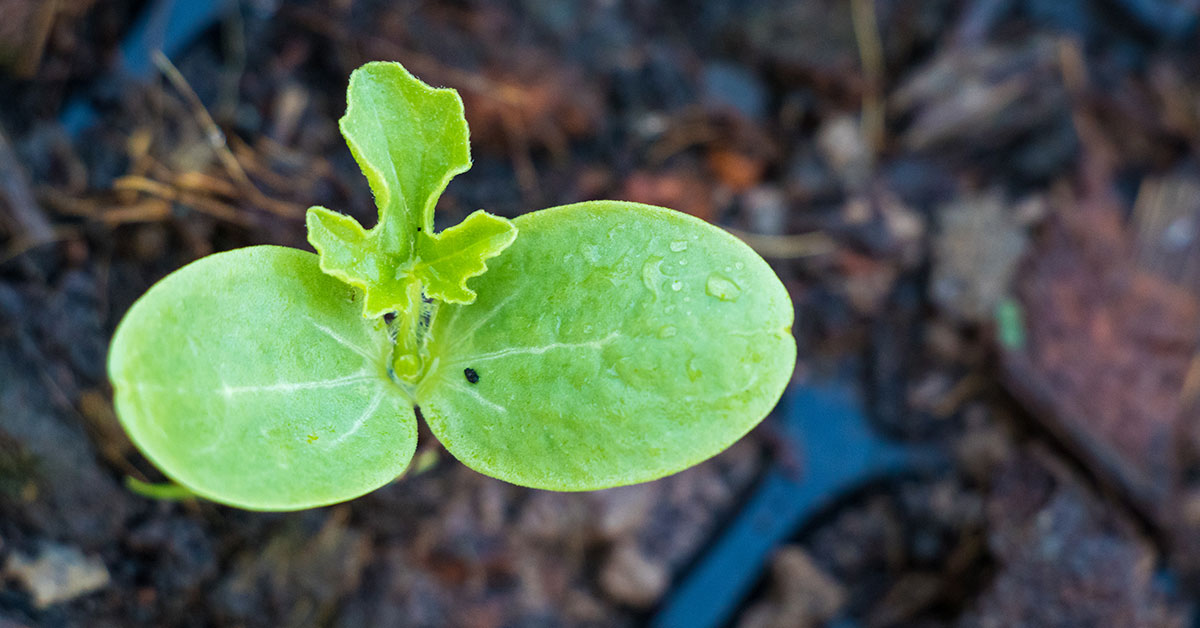

Alaska, known for its stunning landscapes and extreme climate, may not be the first place that comes to mind when thinking about growing watermelon. However, with careful planning and the right techniques, it is indeed possible to cultivate this juicy and refreshing fruit in the Last Frontier. Timing is crucial when it comes to planting watermelon in Alaska, as the short growing season and cool temperatures pose unique challenges.
In this article, we will explore the optimal time to plant watermelon in Alaska, taking into account the region’s climate, frost dates, and other essential factors. Whether you are a seasoned gardener or a beginner looking to embark on this exciting journey, read on to discover the secrets of successfully growing watermelon in Alaska.
Best varieties of watermelon to grow in Alaska
Watermelons are typically grown in warm climates, so growing them in Alaska can be challenging. However, there are a few varieties that have been known to perform well in cooler regions. Here are a few watermelon varieties that you can try growing in Alaska:
- ‘Blacktail Mountain’: This variety is known for its early maturity and ability to tolerate cooler temperatures. It produces small to medium-sized fruits with sweet, red flesh.
- ‘Sugar Baby’: This is a popular variety that is well-suited for shorter growing seasons. It produces small, round fruits with sweet, juicy flesh. ‘Sugar Baby’ is known for its excellent flavor.
- ‘Bush Sugar Baby’: Similar to ‘Sugar Baby’, this variety is a compact, bushy plant that is suitable for smaller spaces. It produces small, round fruits with sweet, red flesh.
- ‘Early Moonbeam’: This variety is known for its early maturity and ability to tolerate cooler temperatures. It produces medium-sized, oblong fruits with sweet, crisp flesh.
When growing watermelons in Alaska, it is important to provide them with optimal growing conditions. Choose a sunny location with well-draining soil. Consider using raised beds or black plastic mulch to help warm up the soil. Additionally, using row covers or hoop houses can provide some protection from cooler temperatures and extend the growing season.
When to plant watermelon in Alaska
Watermelons are warm-season crops that require a long, hot growing season to thrive. Alaska’s short growing season and cooler temperatures can make it challenging to grow watermelons successfully. However, with some planning and the right techniques, it is possible to grow watermelons in Alaska.
The best time to plant watermelons in Alaska is in late spring or early summer when the soil has warmed up and there is no longer a risk of frost. This is typically around mid to late May, depending on the specific location within Alaska. It is important to wait until the soil temperature reaches at least 70°F (21°C) before planting watermelon seeds or transplants.
To give your watermelons the best chance of success in Alaska’s shorter growing season, consider using techniques such as starting seeds indoors or in a greenhouse several weeks before the last frost date. This will allow the seedlings to get a head start and be ready for transplanting when the soil is warm enough. Additionally, using black plastic mulch on the soil can help warm it up faster and retain heat, creating a more favorable environment for watermelon growth.
Choose watermelon varieties that have a shorter maturation period, typically around 70-90 days, as they are more likely to reach maturity before the first frost. Some recommended varieties for Alaska include ‘Sugar Baby,’ ‘Blacktail Mountain,’ and ‘Early Moonbeam.’
Ensure your watermelon plants receive full sun exposure, at least 6-8 hours of direct sunlight per day. Adequate watering is crucial for watermelons, especially during hot and dry periods. Consider using drip irrigation or soaker hoses to provide consistent moisture to the plants while minimizing the risk of fungal diseases.
Lastly, protect your watermelon plants from cold temperatures by using row covers or cloches during cooler nights. This can help trap heat and create a microclimate around the plants, preventing frost damage.
By following these guidelines and adapting to Alaska’s unique growing conditions, you can increase your chances of successfully growing watermelons in the state.
How to grow watermelon
Growing watermelon requires careful planning and attention to detail. Here are the steps and considerations to keep in mind:
- Climate and Soil: Watermelons thrive in warm climates with a long growing season. They require full sun exposure and well-drained soil. The soil should be rich in organic matter and have a pH level between 6.0 and 6.8.
- Choosing the Right Variety: There are various watermelon varieties available, each with its own characteristics. Consider factors such as size, flavor, and disease resistance when selecting a variety that suits your preferences and growing conditions.
- Starting Seeds or Transplants: Watermelons can be started from seeds indoors or directly sown in the garden. If starting indoors, sow the seeds 3-4 weeks before the last frost date. Transplant seedlings outdoors when the soil temperature reaches at least 70°F (21°C).
- Planting: Watermelon plants require ample space to spread out. Plant them in hills or mounds, spacing them around 3-6 feet apart. Ensure that the soil is well-prepared and enriched with compost or aged manure before planting.
- Watering: Adequate watering is crucial for watermelon growth. Keep the soil consistently moist, especially during the fruiting stage. Avoid overwatering, as it can lead to root rot. Water at the base of the plants to prevent foliage diseases.
- Fertilizing: Watermelons are heavy feeders and require regular fertilization. Apply a balanced fertilizer, high in nitrogen, phosphorus, and potassium, before planting. Side-dress with additional fertilizer during the growing season, following package instructions.
- Pollination: Watermelons require pollination for fruit set. Bees and other pollinators are essential for this process. Encourage pollinators by planting flowers nearby or using pollinator-friendly practices in your garden.
- Pest and Disease Management: Common pests that affect watermelons include aphids, cucumber beetles, and squash bugs. Monitor your plants regularly and take appropriate measures, such as using insecticidal soaps or organic insecticides, to control pests. Diseases like powdery mildew and fusarium wilt can also affect watermelons, so choose disease-resistant varieties and practice good garden hygiene.
- Trellising: Some watermelon varieties can be trellised to save space and improve airflow. Use sturdy trellises or supports to hold the developing fruits.
- Harvesting: Watermelons are ready for harvest when the fruit’s skin color dulls, the bottom turns yellow, and the tendril closest to the fruit begins to dry out. Give the fruit a gentle tap – a hollow sound indicates ripeness. Cut the fruit from the vine, leaving a short stem attached.
By following these steps and considerations, you can successfully grow watermelons and enjoy a bountiful harvest.
When to harvest watermelon in Alaska
Watermelon is a warm-season crop that requires a long growing season and warm temperatures to ripen properly. Unfortunately, the climate in Alaska is not ideal for growing watermelon due to its short growing season and cool temperatures. However, if you still want to give it a try, you can start watermelon seeds indoors in early spring and transplant them outdoors after the last frost date.
Choose short-season watermelon varieties that have a better chance of ripening before the first frost in the fall. Harvesting watermelon in Alaska can be challenging, as it may not fully ripen before the temperatures drop. Keep an eye on the weather and harvest the watermelon when it reaches its mature size and shows some signs of ripening, such as a dull skin color and a hollow sound when tapped.
Common watermelon plant problems and fixes
Common problems when growing watermelon include:
- Poor pollination: Watermelons require proper pollination for fruit development. If there are not enough bees or other pollinators in your area, you can hand-pollinate the flowers using a small brush or cotton swab. Gently transfer pollen from the male flowers to the female flowers.
- Blossom end rot: This is a condition where the bottom end of the fruit turns black and rots. It is caused by a calcium deficiency or inconsistent watering. To prevent blossom end rot, ensure the soil is well-drained and consistently moist. Adding calcium-rich amendments like gypsum or crushed eggshells to the soil can also help.
- Powdery mildew: Powdery mildew is a fungal disease that appears as a white powdery coating on the leaves. To prevent powdery mildew, ensure good air circulation around the plants by spacing them properly. Avoid overhead watering and instead water at the base of the plants. If powdery mildew appears, treat it with a fungicide specifically formulated for powdery mildew.
- Pest infestations: Common pests that attack watermelon plants include aphids, cucumber beetles, and squash bugs. Regularly inspect your plants for signs of pests and take appropriate measures to control them. This can include handpicking pests, using insecticidal soap or neem oil, or introducing beneficial insects like ladybugs or lacewings.
- Splitting fruit: Watermelon fruit can split open if there is a sudden increase in water uptake after a period of drought. To prevent splitting, ensure consistent watering throughout the growing season. Mulching around the plants can help retain moisture in the soil.
- Lack of sweetness: If your watermelon lacks sweetness, it may be due to insufficient sunlight, improper watering, or harvesting too early. Ensure your watermelon plants receive at least 6-8 hours of direct sunlight daily and water consistently. Harvest the fruit when the underside turns creamy yellow and the tendrils near the stem start to dry out.
By addressing these common problems, you can increase the chances of growing healthy and delicious watermelons.