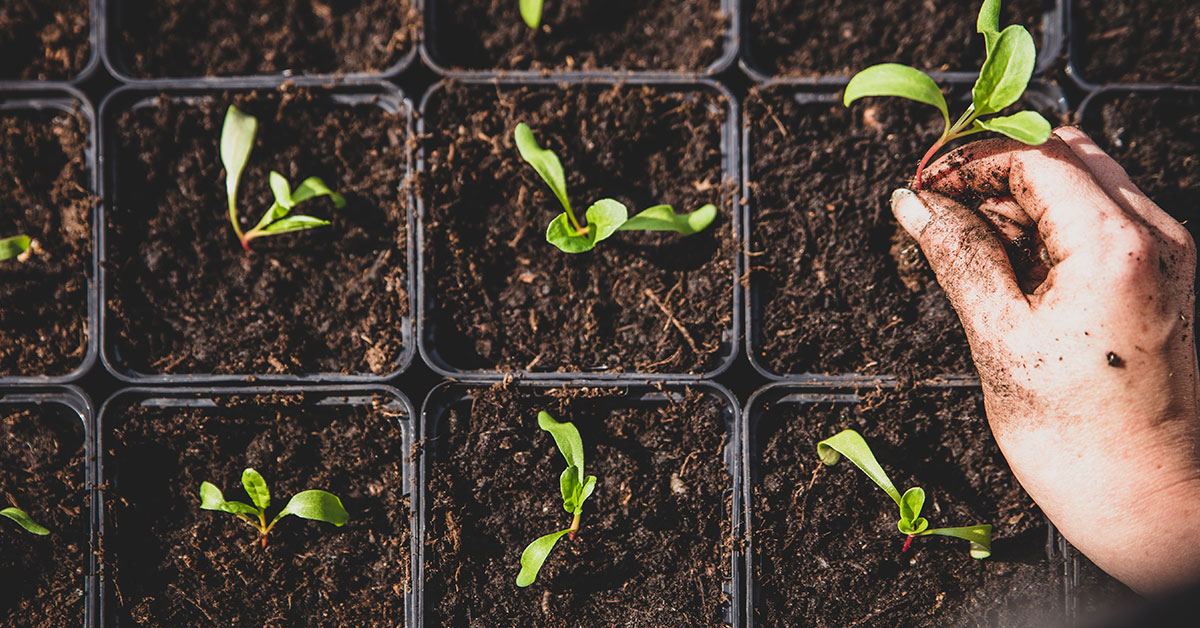

Welcome to the world of gardening in New Zealand, where the diverse climate and fertile soil offer endless possibilities for growing a wide range of vegetables. In this article, we will delve into the topic of when to plant Swiss chard, a versatile and nutritious leafy green that thrives in our unique conditions. So, grab your gardening tools and let’s dive into the world of growing Swiss chard in New Zealand!
Best varieties of Swiss chard to grow in New Zealand
Swiss chard, also known as silverbeet, is a versatile and easy-to-grow vegetable that thrives in New Zealand’s climate. Here are a few varieties that grow well in New Zealand:
- Fordhook Giant: This variety is a popular choice in New Zealand due to its large, dark green leaves and excellent flavor. It is known for its high yield and resistance to bolting.
- Bright Lights: This variety is known for its vibrant and colorful stems, which come in shades of yellow, orange, pink, and red. It not only adds visual interest to your garden but also has a mild and tender taste.
- Rainbow Chard: Similar to Bright Lights, Rainbow Chard is prized for its colorful stems. It is a mix of different chard varieties, offering a range of stem colors, including red, yellow, orange, and pink.
- Perpetual Spinach: Despite its name, perpetual spinach is actually a variety of Swiss chard. It is a hardy and productive variety that produces tender leaves and stems throughout the year. It is particularly well-suited for New Zealand’s cooler regions.
- Rhubarb Chard: This variety has deep red stems that resemble rhubarb, hence the name. It has a slightly stronger flavor compared to other chard varieties and adds a unique touch to salads and stir-fries.
When selecting Swiss chard varieties, consider your specific growing conditions, such as sunlight exposure and soil type. Additionally, remember to provide adequate water and regular fertilization to ensure healthy growth.
When to plant Swiss chard in New Zealand
The best time to plant Swiss chard in New Zealand is during the cooler months, from late summer to early autumn (February to April). Swiss chard is a cool-season vegetable that thrives in mild temperatures. Planting during this time allows the chard to establish itself before the colder winter months, ensuring a healthy and productive crop.
When to harvest Swiss chard in New Zealand
Swiss chard, also known as silverbeet, can be harvested in New Zealand throughout the year. However, the best time to harvest Swiss chard depends on the specific growing conditions and the desired use of the plant.
For baby leaves or tender greens, you can start harvesting Swiss chard about 6-8 weeks after sowing the seeds. At this stage, the leaves are young and tender, perfect for salads or lightly cooked dishes.
If you prefer larger, more mature leaves, you can wait until the plants are around 10-12 weeks old before harvesting. The leaves will be larger and have a stronger flavor, suitable for sautéing, stir-frying, or adding to soups and stews.
It’s important to note that Swiss chard is a cut-and-come-again crop, meaning you can harvest the outer leaves while allowing the inner leaves to continue growing. This way, you can enjoy a continuous harvest throughout the growing season.
Remember to harvest Swiss chard in the morning when the leaves are crisp and full of moisture. Simply cut the outer leaves at the base of the plant, leaving the inner leaves to continue growing.
Other considerations
When growing Swiss chard in New Zealand, there are several important considerations to keep in mind:
- Climate: Swiss chard is a cool-season crop and grows best in mild temperatures. In New Zealand, it is typically grown in the cooler months of autumn and spring. Ensure that you plant Swiss chard when the temperatures are between 10-25°C (50-77°F).
- Soil: Swiss chard prefers well-draining soil that is rich in organic matter. Prior to planting, amend the soil with compost or well-rotted manure to improve its fertility and moisture-holding capacity. The ideal pH range for Swiss chard is between 6.0-7.0.
- Sunlight: Swiss chard thrives in full sun to partial shade. Ensure that the plants receive at least 6 hours of direct sunlight each day for optimal growth. In hotter regions, providing some afternoon shade can help prevent the plants from bolting or becoming bitter.
- Watering: Swiss chard requires consistent moisture to grow well. Water the plants regularly, keeping the soil evenly moist but not waterlogged. Mulching around the plants can help retain moisture and suppress weed growth.
- Fertilization: Swiss chard is a heavy feeder and benefits from regular fertilization. Apply a balanced organic fertilizer or a slow-release granular fertilizer at the time of planting. Additionally, side-dress the plants with compost or a nitrogen-rich fertilizer every few weeks to promote healthy growth.
- Pests and diseases: Swiss chard is generally resistant to pests and diseases. However, keep an eye out for common garden pests like aphids, slugs, and snails. If necessary, use organic pest control methods such as handpicking or spraying with insecticidal soap.
- Harvesting: Swiss chard can be harvested when the leaves reach a usable size, usually around 6-8 weeks after planting. Harvest the outer leaves by cutting them off at the base, leaving the inner leaves to continue growing. Regular harvesting promotes continuous leaf production.
By considering these factors, you can successfully grow Swiss chard in New Zealand and enjoy its nutritious and delicious leaves throughout the cooler months.