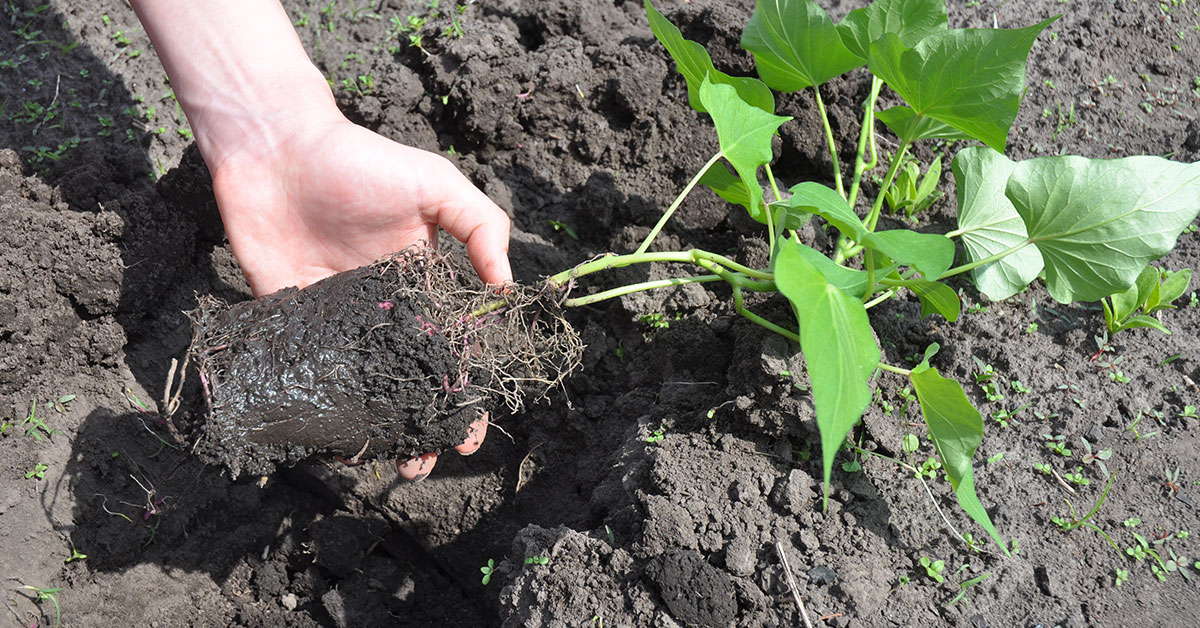

Welcome to the world of sweet potatoes! If you’re a gardening enthusiast residing in Zone 6, you’re in luck because growing sweet potatoes in this region is entirely feasible. Sweet potatoes, known for their delicious taste and nutritional value, are versatile crops that can be grown successfully in a variety of climates. However, understanding the optimal timing for planting sweet potatoes in Zone 6 is crucial to ensure a bountiful harvest. In this article, we will delve into the specifics of when to plant sweet potatoes in Zone 6, taking into account the unique characteristics of this region’s climate and soil conditions.
Whether you’re a seasoned gardener or a beginner, by following our expert advice, you’ll be well on your way to growing your own delectable sweet potatoes right in your backyard.
Best varieties of sweet potato to grow in Zone 6
In Zone 6, where the average minimum winter temperature ranges from -10 to 0 degrees Fahrenheit (-23 to -18 degrees Celsius), it is important to choose sweet potato varieties that are well-suited to cooler climates. Here are a few varieties that tend to perform well in Zone 6:
- Beauregard: This is one of the most popular sweet potato varieties and is known for its high yield and excellent taste. It has a relatively short growing season, which makes it suitable for cooler climates.
- Georgia Jet: This variety is known for its early maturity and ability to produce well in cooler conditions. It has a rich, sweet flavor and deep orange flesh.
- Covington: Covington is a reliable variety that performs well in various climates, including Zone 6. It has a good yield and produces uniform, medium-sized sweet potatoes.
- Centennial: This variety is prized for its adaptability to different climates, including cooler regions. It has a good yield and produces sweet potatoes with a reddish-orange flesh.
- Vardaman: Vardaman is a variety that is well-suited to shorter growing seasons and cooler climates. It produces medium-sized sweet potatoes with a sweet, moist flesh.
Remember to provide your sweet potatoes with well-drained soil, plenty of sunlight, and regular watering to ensure optimal growth and yield.
When to plant sweet potatoes in Zone 6
In Zone 6, the best time to plant sweet potatoes is typically in late spring or early summer when the soil temperature has warmed up to around 60°F (15°C). This usually occurs around mid-May to early June. Sweet potatoes are warm-season crops that require a long growing season, so it’s important to plant them after the danger of frost has passed and the soil has warmed up sufficiently.
How to grow sweet potatoes
Growing sweet potatoes requires careful planning and attention to detail. Here are the steps and considerations to keep in mind:
- Climate and Soil: Sweet potatoes thrive in warm climates with a long growing season of at least 100-140 days. They prefer loose, well-drained soil with a pH of 5.8-6.2. If your soil is heavy clay, consider amending it with organic matter to improve drainage.
- Variety Selection: Choose a sweet potato variety suitable for your climate and desired taste. Some popular varieties include Beauregard, Covington, and Jewel. Purchase certified disease-free slips (young plants) from a reputable source.
- Preparing Slips: About 6-8 weeks before the last frost date, start preparing slips. Place sweet potato roots in a container filled with water, partially submerged. Keep the container in a warm and well-lit area. After a few weeks, slips will sprout from the roots. Once the slips are around 6-8 inches tall, gently twist them off the root and place them in water to develop roots.
- Bed Preparation: Prepare the planting bed by removing weeds and rocks. Loosen the soil to a depth of 8-12 inches and incorporate compost or well-rotted manure for added fertility.
- Planting: Transplant the slips into the prepared bed after the danger of frost has passed and the soil temperature is consistently above 60°F (15°C). Space the slips about 12-18 inches apart in rows that are 3-4 feet apart. Plant them at a depth of 2-3 inches, leaving a few leaves above the soil surface.
- Watering: Sweet potatoes require consistent moisture, especially during the first few weeks after planting. Water deeply, providing about 1 inch of water per week. Avoid overwatering, as it can lead to rotting.
- Mulching: Apply a layer of organic mulch, such as straw or wood chips, around the plants to conserve moisture, suppress weeds, and maintain a more even soil temperature.
- Fertilization: Sweet potatoes are heavy feeders. Apply a balanced organic fertilizer at planting time and side-dress with additional fertilizer during the growing season. Follow the package instructions for application rates.
- Pest and Disease Management: Monitor your plants regularly for pests like sweet potato weevils, aphids, and whiteflies. Use organic pest control methods, such as handpicking or spraying with insecticidal soap, if necessary. Rotate your sweet potato crop every few years to prevent disease buildup.
- Harvesting: Sweet potatoes are ready for harvest when the leaves start turning yellow or after the first light frost. Carefully dig them up using a garden fork or shovel, being cautious not to damage the tubers. Cure the harvested sweet potatoes by placing them in a warm and humid environment (80-85°F, 85-90% humidity) for about 10 days. This process helps the skins toughen and the starches convert to sugars, enhancing their flavor and storage life.
By following these steps and considerations, you can successfully grow sweet potatoes and enjoy a bountiful harvest.
When to harvest sweet potatoes in Zone 6
In Zone 6, sweet potatoes are typically harvested in late September or early October. The exact timing can vary depending on the specific weather conditions and the variety of sweet potato you are growing. It is important to monitor the foliage of the plants as they start to die back, which is a sign that the tubers are reaching maturity. Once the foliage has turned yellow or brown and starts to wither, you can begin harvesting your sweet potatoes.
Common sweet potato plant problems and fixes
Common problems when growing sweet potatoes include:
- Pests: Sweet potatoes can be susceptible to pests such as sweet potato weevils, wireworms, and aphids. To control these pests, you can use organic insecticides or insecticidal soaps. Crop rotation and removing any infected plants can also help prevent pest infestations.
- Diseases: Sweet potatoes can be affected by diseases like sweet potato scurf, fusarium wilt, and root rot. To prevent diseases, ensure proper soil drainage and avoid overwatering. Planting disease-resistant varieties and practicing crop rotation can also help reduce the risk of disease.
- Poor soil conditions: Sweet potatoes prefer loose, well-draining soil with a pH between 5.8 and 6.2. If the soil is heavy or compacted, it can hinder root development. To improve soil conditions, add organic matter such as compost or aged manure to enhance drainage and fertility.
- Insufficient sunlight: Sweet potatoes require at least 6-8 hours of direct sunlight daily for optimal growth. Lack of sunlight can result in weak plants and reduced tuber production. Choose a sunny location for planting and avoid shading from nearby trees or structures.
- Improper watering: Overwatering or underwatering can cause problems for sweet potatoes. Overwatering can lead to root rot, while underwatering can result in stunted growth and small tubers. Water the plants deeply but infrequently, allowing the soil to dry out slightly between waterings. Mulching can help retain moisture and regulate soil temperature.
- Competition from weeds: Weeds can compete with sweet potatoes for nutrients, water, and sunlight. Regularly remove weeds by hand or use mulch to suppress weed growth. Be careful not to damage the sweet potato vines while weeding.
- Improper harvesting: Harvesting sweet potatoes at the right time is crucial. If harvested too early, the tubers may not have reached their full size and sweetness. If left in the ground for too long, they may become overgrown and woody. Harvest sweet potatoes when the leaves start to yellow and die back, usually around 100-120 days after planting.
By addressing these common problems, you can increase your chances of successfully growing sweet potatoes.