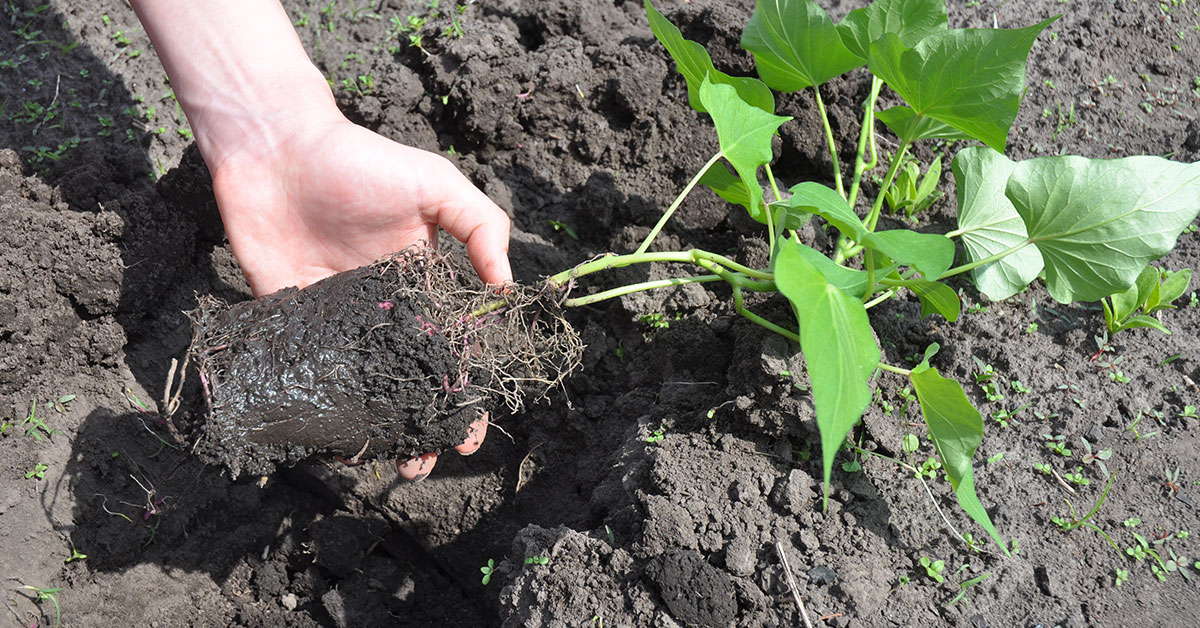

Welcome to our comprehensive guide on growing sweet potatoes in Zone 4! If you’re an avid gardener residing in this region, you might be wondering when the best time is to plant these delicious and nutritious tubers. Zone 4, characterized by its cold winters and relatively short growing season, presents unique challenges for sweet potato cultivation. However, with the right knowledge and techniques, you can still enjoy a bountiful harvest of these versatile root vegetables. In this article, we will delve into the ideal planting time, preparation steps, and when to plant sweet potatoes in Zone 4. !
Best varieties of sweet potato to grow in Zone 4
Sweet potatoes are typically grown in warmer climates, as they require a long growing season and prefer temperatures above 50°F (10°C). However, if you are in Zone 4, which experiences colder temperatures, you can still grow sweet potatoes successfully by using certain techniques and selecting appropriate varieties. Here are a few sweet potato varieties that can tolerate cooler climates:
- Beauregard: This is a popular variety known for its high yield and excellent flavor. It has good resistance to diseases and can tolerate cooler temperatures better than many other varieties.
- Georgia Jet: This variety is known for its early maturity and ability to produce well in cooler climates. It has a shorter growing season compared to other varieties, which makes it suitable for Zone 4.
- Northern Star: Developed specifically for cooler climates, Northern Star is a cold-tolerant variety that can withstand temperatures as low as 40°F (4°C). It has good disease resistance and produces medium-sized, orange-fleshed sweet potatoes.
- Vardaman: Another variety suitable for cooler climates, Vardaman has a shorter growing season and can tolerate temperatures down to 45°F (7°C). It produces medium-sized, reddish-orange sweet potatoes.
When growing sweet potatoes in Zone 4, it is important to start them indoors or in a greenhouse to give them a head start. Transplant them outdoors once the soil has warmed up and all danger of frost has passed. Additionally, using black plastic mulch and row covers can help create a warmer microclimate for the plants.
When to plant sweet potatoes in Zone 4
In Zone 4, the best time to plant sweet potatoes is typically in late spring or early summer, after the last frost date has passed. The soil temperature should be consistently above 50°F (10°C) for successful sweet potato growth. This usually occurs when the air temperature is consistently around 70°F (21°C) during the day. It is important to wait until the soil has warmed up sufficiently, as sweet potatoes are sensitive to cold temperatures and frost can damage or kill the plants.
How to grow sweet potatoes
Growing sweet potatoes requires careful planning and attention to detail. Here are the steps and considerations to keep in mind:
- Climate and Soil: Sweet potatoes thrive in warm climates with a long growing season. They require well-drained, loose soil with a pH between 5.8 and 6.2. Before planting, amend the soil with organic matter like compost or aged manure to improve fertility and drainage.
- Variety Selection: Choose a sweet potato variety that suits your climate and preferences. Some popular varieties include Beauregard, Covington, and Jewel. Consider factors like yield, taste, and disease resistance when making your selection.
- Starting Slips: Sweet potatoes are typically grown from slips, which are young shoots that develop from the tubers. You can purchase slips from a nursery or start your own by submerging sweet potato tubers halfway in water. Place them in a warm, sunny location, and in a few weeks, slips will sprout from the tubers.
- Preparing Slips: Once the slips have grown to about 6-8 inches in length, gently twist them off the tuber. Remove the bottom leaves, leaving only a few leaves at the top. This will encourage root development when planting.
- Planting: Choose a sunny spot in your garden and plant slips directly into the ground after the last frost date. Space them about 12-18 inches apart, with rows spaced 3-4 feet apart. Plant the slips deep enough so that only the top leaves are above the soil surface.
- Watering: Sweet potatoes require consistent moisture, especially during the first few weeks after planting. Water deeply but avoid overwatering, as it can lead to rotting. Mulching around the plants can help retain moisture and suppress weeds.
- Fertilizing: Sweet potatoes are heavy feeders and benefit from regular fertilization. Apply a balanced organic fertilizer at planting time and side-dress with additional fertilizer every few weeks throughout the growing season.
- Weed Control: Keep the area around sweet potato plants weed-free to prevent competition for nutrients and water. Be careful not to damage the shallow roots while weeding.
- Pest and Disease Management: Sweet potatoes can be susceptible to pests like sweet potato weevils, aphids, and whiteflies. Regularly inspect plants for signs of infestation and take appropriate measures, such as using insecticidal soap or introducing beneficial insects. Diseases like sweet potato scurf and fusarium wilt can also affect plants, so practice crop rotation and maintain good soil health to minimize the risk.
- Harvesting: Sweet potatoes are ready for harvest when the leaves start to yellow and die back, usually around 90-120 days after planting. Carefully dig up the tubers using a garden fork or shovel, being cautious not to damage them. Cure the harvested sweet potatoes by placing them in a warm, humid location (80-85°F, 85-90% humidity) for about 10-14 days. This process helps to sweeten the flavor and improve storage life.
By following these steps and considerations, you can successfully grow sweet potatoes and enjoy a bountiful harvest.
When to harvest sweet potatoes in Zone 4
In Zone 4, sweet potatoes should be harvested before the first frost. The exact timing can vary depending on the specific climate and weather conditions in your area, but typically, sweet potatoes are ready for harvest around 90 to 120 days after planting. As the growing season comes to an end and the foliage starts to yellow and die back, it is a good indication that the sweet potatoes are mature and ready to be harvested. It’s important to dig them up before the first frost, as cold temperatures can damage the tubers.
Common sweet potato plant problems and fixes
Common problems when growing sweet potatoes include:
- Pests: Sweet potatoes can be susceptible to pests such as sweet potato weevils, wireworms, and nematodes. To control these pests, you can use organic insecticides or beneficial nematodes. Crop rotation and removing any infected plants can also help prevent pest infestations.
- Diseases: Sweet potatoes can be affected by diseases like sweet potato scurf, fusarium wilt, and black rot. To prevent these diseases, ensure proper soil drainage, practice crop rotation, and avoid over-watering. Additionally, selecting disease-resistant varieties can be beneficial.
- Poor Soil Conditions: Sweet potatoes require well-draining soil with a pH level between 5.8 and 6.2. If the soil is too compacted or heavy, it can lead to stunted growth and poor tuber development. Adding organic matter, such as compost or aged manure, can improve soil structure and fertility.
- Improper Watering: Sweet potatoes need consistent moisture but should not be over-watered. Over-watering can lead to root rot and fungal diseases. Water deeply once a week, ensuring the soil is moist but not waterlogged. Mulching around the plants can help retain moisture and regulate soil temperature.
- Insufficient Sunlight: Sweet potatoes require full sun for optimal growth and tuber development. Lack of sunlight can result in weak vines and smaller yields. Ensure your sweet potato plants receive at least 6-8 hours of direct sunlight daily.
- Improper Harvesting: Harvesting sweet potatoes too early can result in small tubers, while leaving them in the ground for too long can lead to rotting. Harvest sweet potatoes when the foliage starts to yellow and die back. Gently dig them out, being careful not to damage the tubers, and allow them to cure in a warm, dry place for about 1-2 weeks before storing.
By addressing these common problems, you can increase your chances of successfully growing sweet potatoes.