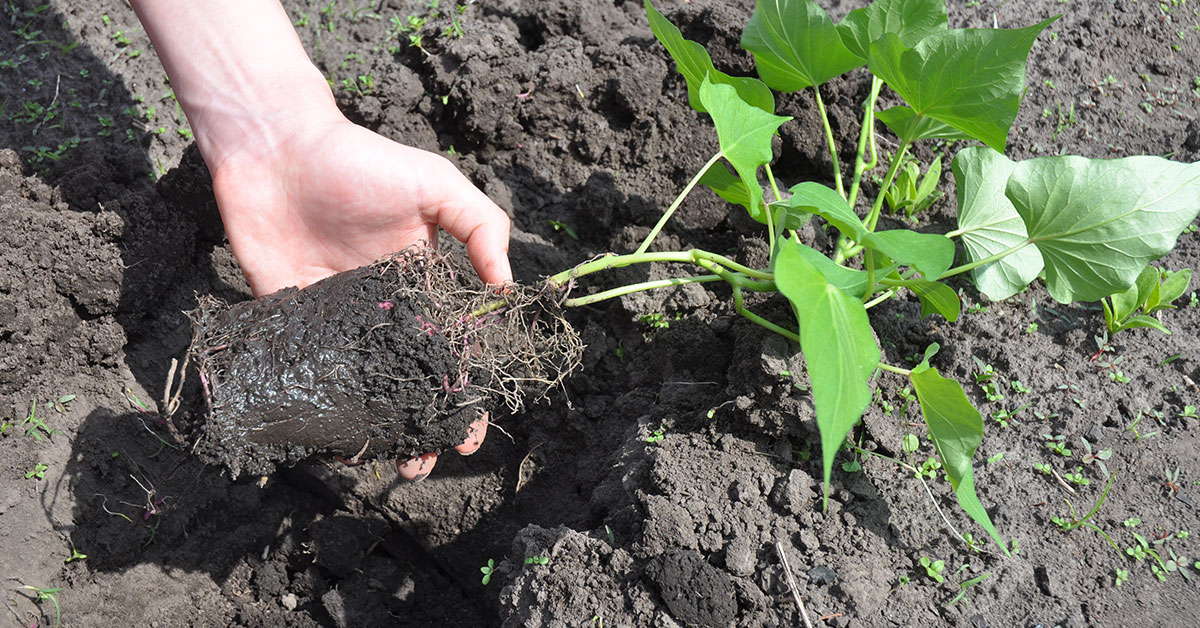

Welcome to the world of sweet potatoes! If you’re a gardening enthusiast residing in Zone 2, you might be wondering when is the best time to plant these delicious and nutritious tubers. Zone 2, characterized by its cold and harsh winters, presents some unique challenges for growing sweet potatoes. However, with the right knowledge and techniques, you can successfully cultivate these heat-loving plants and enjoy a bountiful harvest. In this article, we will explore the ideal timing for planting sweet potatoes in Zone 2, taking into account the region’s specific climate conditions and frost dates.
Best varieties of sweet potato to grow in Zone 2
Sweet potatoes are typically grown in warmer climates, as they require a long growing season and warm temperatures to thrive. Zone 2 is characterized by very cold winters and short growing seasons, which makes it challenging to grow sweet potatoes successfully. However, if you are determined to give it a try, there are a few cold-tolerant varieties that may have a chance of growing in Zone 2:
- Beauregard: This is one of the most popular sweet potato varieties, known for its high yields and good disease resistance. While it prefers warmer climates, it may have a chance in Zone 2 if you provide it with a longer growing season using season extension techniques like hoop houses or row covers.
- Georgia Jet: This variety is known for its early maturity, which can be advantageous in shorter growing seasons. It has good resistance to diseases and pests, making it a suitable choice for challenging climates.
- Northern Star: Developed specifically for cooler climates, Northern Star is a cold-tolerant sweet potato variety. It has a shorter growing season requirement compared to other varieties, making it more suitable for Zone 2.
It’s important to note that even with these cold-tolerant varieties, growing sweet potatoes in Zone 2 will still be a challenge. You will need to provide them with optimal growing conditions, such as well-drained soil, full sun exposure, and protection from frost. Additionally, starting the plants indoors and transplanting them outside once the soil has warmed up can help extend the growing season.
When to plant sweet potatoes in Zone 2
In Zone 2, which is characterized by very cold winters and a short growing season, it is best to start sweet potatoes indoors about 8-10 weeks before the last expected frost date. This will give the plants a head start and allow them to develop strong roots before transplanting them outside.
Once the danger of frost has passed and the soil temperature has warmed up to at least 60°F (15°C), usually around late spring or early summer, you can transplant the sweet potato seedlings into your garden. It is important to wait until the soil has warmed up sufficiently, as sweet potatoes are tropical plants and require warm soil to grow properly.
If you prefer to directly sow sweet potato slips or cuttings in the garden, you should wait until the soil temperature reaches at least 65°F (18°C). This typically occurs a few weeks after the last frost date.
To ensure successful growth, make sure to provide your sweet potatoes with full sun, well-draining soil, and regular watering throughout the growing season.
How to grow sweet potatoes
Growing sweet potatoes requires careful planning and attention to detail. Here are the steps and considerations to keep in mind:
- Climate: Sweet potatoes thrive in warm climates with a long growing season. They require a minimum temperature of 60°F (15°C) to grow properly. If you live in a cooler region, consider starting them indoors or using a greenhouse.
- Soil Preparation: Sweet potatoes prefer well-drained, loose soil with a pH level between 5.8 and 6.2. Before planting, amend the soil with organic matter such as compost or well-rotted manure to improve fertility and drainage.
- Variety Selection: Choose a sweet potato variety suitable for your climate and personal preference. Some popular varieties include Beauregard, Covington, and Jewel. Check with local nurseries or agricultural extension offices for varieties recommended for your area.
- Starting Slips: Sweet potatoes are typically grown from slips, which are small rooted cuttings. You can purchase slips from nurseries or start your own by placing a sweet potato in a jar of water, allowing it to sprout. Once the slips reach around 6-8 inches in length, gently twist them off the sweet potato and plant them.
- Planting: Plant the slips in well-prepared soil after the danger of frost has passed and the soil temperature reaches at least 60°F (15°C). Space the slips about 12-18 inches apart in rows, with rows spaced around 3-4 feet apart. Bury the slips up to their leaves, leaving only the top few inches exposed.
- Watering: Sweet potatoes require consistent moisture, especially during the first few weeks after planting. Water deeply, ensuring the soil is evenly moist but not waterlogged. Once established, reduce watering to prevent rotting.
- Fertilization: Sweet potatoes are heavy feeders and benefit from regular fertilization. Apply a balanced organic fertilizer before planting and side-dress with compost or a nitrogen-rich fertilizer during the growing season.
- Weed Control: Keep the area around sweet potato plants weed-free to prevent competition for nutrients and water. Mulching with straw or organic mulch can help suppress weeds and retain moisture.
- Pest and Disease Management: Sweet potatoes can be susceptible to pests such as sweet potato weevils, wireworms, and nematodes. Regularly inspect plants for signs of damage and take appropriate measures, such as using insecticidal sprays or beneficial nematodes. Crop rotation and proper sanitation can also help prevent disease issues.
- Harvesting: Sweet potatoes are typically ready for harvest 90-120 days after planting, depending on the variety. Harvest when the leaves start to yellow and die back. Carefully dig up the tubers, being cautious not to damage them. Cure the harvested sweet potatoes in a warm, well-ventilated area for 1-2 weeks to improve their flavor and storage life.
By following these steps and considerations, you can successfully grow sweet potatoes and enjoy a bountiful harvest.
When to harvest sweet potatoes in Zone 2
In Zone 2, which experiences colder temperatures and shorter growing seasons, sweet potatoes should be harvested before the first frost. The ideal time to harvest sweet potatoes is typically around 90-120 days after planting, depending on the specific variety you are growing. It is important to keep an eye on the weather forecast and plan your harvest accordingly. If frost is expected, it’s best to harvest the sweet potatoes a few days before to avoid any damage to the tubers.
Common sweet potato plant problems and fixes
Common problems when growing sweet potatoes include:
- Poor soil drainage: Sweet potatoes require well-drained soil to prevent root rot. To fix this, amend the soil with organic matter like compost or sand to improve drainage.
- Pests: Sweet potatoes can be susceptible to pests such as sweet potato weevils, aphids, and whiteflies. Use organic pest control methods like neem oil or insecticidal soap to manage these pests.
- Diseases: Sweet potatoes can be affected by diseases like sweet potato scurf, fusarium wilt, and root rot. Practice crop rotation, ensure good air circulation, and avoid overwatering to prevent these diseases. If necessary, use appropriate fungicides or consult a local extension office for guidance.
- Nutrient deficiencies: Sweet potatoes require adequate nutrients to grow properly. Common deficiencies include nitrogen, phosphorus, and potassium. Conduct a soil test to identify any deficiencies and amend the soil with organic fertilizers or balanced fertilizers to provide the necessary nutrients.
- Improper watering: Overwatering can lead to root rot, while underwatering can result in stunted growth and poor tuber development. Maintain consistent soil moisture by watering deeply when the top inch of soil feels dry. Mulching can help retain moisture and regulate soil temperature.
- Improper harvesting: Harvesting sweet potatoes too early can result in small tubers, while leaving them in the ground for too long can lead to rot or damage. Harvest sweet potatoes when the leaves start to yellow and die back, typically around 90-120 days after planting.
By addressing these common problems, you can increase the chances of successfully growing sweet potatoes.
Meta Description
Discover the perfect timing to plant sweet potatoes in Zone 2! Maximize your harvest with expert tips from our gardening guide. Don’t miss out!