
Welcome to the world of sweet potato cultivation in Zone 13! If you are a gardening enthusiast residing in this region, you are in luck, as the warm and tropical climate of Zone 13 provides an ideal environment for growing sweet potatoes. Whether you are a seasoned gardener or a beginner, this article will guide you through the process of determining the best time to plant sweet potatoes in Zone 13.
From understanding the climate and soil conditions to selecting the right varieties and implementing proper planting techniques, we will cover all the essential aspects to ensure a successful sweet potato harvest. So, grab your gardening tools and let’s dive into the fascinating world of sweet potato cultivation in Zone 13!
Best varieties of sweet potato to grow in Zone 13
In Zone 13, which is a tropical climate, there are several varieties of sweet potatoes that grow well. Here are some popular varieties that thrive in this zone:
- Beauregard: This is one of the most widely grown sweet potato varieties. It has a reddish-orange skin and a deep orange flesh. Beauregard is known for its high yields and excellent flavor.
- Jewel: Jewel sweet potatoes have a copper-colored skin and a deep orange flesh. They are known for their sweet flavor and are popular for both baking and boiling.
- Covington: Covington sweet potatoes have a rose-colored skin and a vibrant orange flesh. They are known for their high yields and resistance to diseases. Covington is a versatile variety that can be used for baking, boiling, or making fries.
- Puerto Rico: This variety has a light copper skin and a pale orange flesh. Puerto Rico sweet potatoes are known for their sweet flavor and creamy texture. They are great for baking and mashing.
- O’Henry: O’Henry sweet potatoes have a light yellow skin and a creamy white flesh. They are known for their sweet, nutty flavor and are excellent for baking, roasting, or making fries.
It’s important to note that sweet potatoes are tropical plants and thrive in warm temperatures. In Zone 13, where the climate is tropical, these varieties should grow well. However, it’s always a good idea to check with local nurseries or agricultural extension offices for specific recommendations based on your exact location within Zone 13.
When to plant sweet potatoes in Zone 13
In Zone 13, which is a tropical or subtropical region, the best time to plant sweet potatoes is typically in the early spring or late winter. The exact timing may vary depending on the specific climate and weather patterns in your area. It is recommended to plant sweet potatoes when the soil temperature reaches around 60°F (15°C) or higher, as they require warm soil for optimal growth. This usually occurs when the air temperature consistently stays above 70°F (21°C) during the day. Planting too early, when the soil is still cool, can result in slow growth or rotting of the tubers.
How to grow sweet potatoes
Growing sweet potatoes requires careful planning and attention to detail. Here are the steps and considerations to keep in mind:
- Climate and Soil: Sweet potatoes thrive in warm climates with a long growing season. They require well-drained soil with a pH level between 5.8 and 6.2. If your soil is heavy or clayey, consider adding organic matter like compost to improve drainage.
- Variety Selection: Choose a sweet potato variety suitable for your climate and personal preference. Some popular varieties include Beauregard, Covington, and Jewel.
- Preparing Slips: Sweet potatoes are typically grown from slips, which are small rooted cuttings. You can purchase slips from a nursery or create your own by sprouting sweet potatoes. To sprout your own slips, place a sweet potato in a jar of water, partially submerged, and keep it in a warm area with indirect sunlight. After a few weeks, slips will start to grow from the sweet potato. Once they reach around 6 inches in length, gently twist them off and place them in a container of water to develop roots.
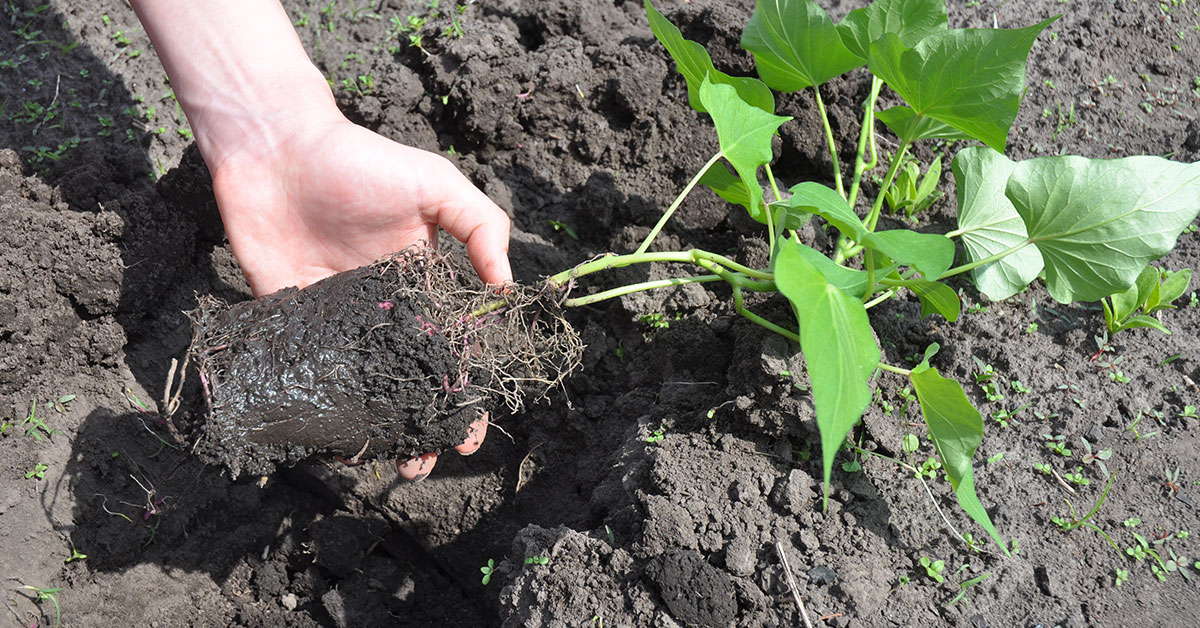
- Planting: Wait until the soil temperature reaches at least 60°F (15°C) before planting your sweet potato slips. Dig trenches about 6 inches deep and 12-18 inches apart. Place the slips in the trenches, burying them about halfway, with 12-18 inches between each slip. Cover the slips with soil, leaving a small mound above the ground to improve drainage.
- Watering: Sweet potatoes require consistent moisture, especially during the first few weeks after planting. Water deeply once or twice a week, ensuring the soil remains evenly moist but not waterlogged. Reduce watering as the plants mature to prevent rotting.
- Fertilization: Sweet potatoes benefit from regular fertilization. Before planting, incorporate a balanced organic fertilizer into the soil. Side-dress the plants with additional fertilizer when they start to vine, and again a few weeks later. Avoid excessive nitrogen, as it can result in lush foliage but fewer tubers.
- Weed Control: Keep the area around your sweet potato plants free from weeds, as they can compete for nutrients and water. Regularly remove weeds by hand or use mulch to suppress their growth.
- Pest and Disease Management: Sweet potatoes are relatively resistant to pests and diseases. However, keep an eye out for common issues like sweet potato weevils, aphids, and fungal diseases. Use organic pest control methods and practice crop rotation to minimize the risk of infestation.
- Harvesting: Sweet potatoes are typically ready for harvest 90-120 days after planting, depending on the variety and growing conditions. Harvesting can be done once the leaves start to yellow and die back. Carefully dig around the plants to avoid damaging the tubers. Gently lift the sweet potatoes out of the ground, brush off excess soil, and allow them to cure in a warm, dry area for 1-2 weeks before storing.
By following these steps and considering the specific needs of sweet potatoes, you can successfully grow your own delicious harvest.
When to harvest sweet potatoes in Zone 13
In Zone 13, sweet potatoes can be harvested around 90 to 120 days after planting, depending on the variety. The exact timing will also depend on the weather conditions and the specific cultivar you are growing. It is recommended to start checking for maturity around 90 days after planting. Signs that sweet potatoes are ready for harvest include the vines starting to yellow and die back, and the skin of the sweet potatoes becoming firm. To be sure, you can gently dig around the base of the plant and check the size of the tubers. If they have reached a desirable size and are fully developed, you can begin harvesting.
Common sweet potato plant problems and fixes
Common problems when growing sweet potatoes include:
- Poor soil drainage: Sweet potatoes require well-draining soil to prevent waterlogged roots. To fix this, amend the soil with organic matter such as compost or vermiculite to improve drainage.
- Pests: Sweet potatoes can be susceptible to pests like sweet potato weevils, aphids, and whiteflies. Use organic pest control methods such as neem oil or insecticidal soap to manage these pests.
- Diseases: Sweet potatoes can be affected by diseases like root rot, fungal infections, and viruses. To prevent diseases, ensure proper spacing between plants for good air circulation, avoid overwatering, and remove any infected plants promptly.
- Nutrient deficiencies: Sweet potatoes require adequate nutrients to grow well. Common nutrient deficiencies include nitrogen, phosphorus, and potassium. Use a balanced organic fertilizer or compost to provide the necessary nutrients to the plants.
- Improper curing and storage: After harvesting, sweet potatoes need to be cured and stored properly to prevent rotting or sprouting. Cure the sweet potatoes in a warm and humid environment for about 10 days, then store them in a cool, dry, and dark place.
- Overcrowding: Planting sweet potatoes too closely together can lead to competition for resources and stunted growth. Ensure proper spacing between plants, typically around 12-18 inches apart, to allow for healthy growth.
- Improper watering: Sweet potatoes require consistent moisture, especially during the growing season. Avoid overwatering, which can lead to root rot, but also ensure that the plants receive enough water to prevent wilting.
By addressing these common problems, you can increase the chances of successfully growing sweet potatoes.