
Welcome to the world of sweet potato cultivation in Zone 11! If you are lucky enough to reside in this warm and tropical climate, you have the perfect conditions for growing these delicious and nutritious tubers. Sweet potatoes thrive in the long, hot summers and mild winters of Zone 11, making it an ideal region for their cultivation. In this article, we will explore the best time to plant sweet potatoes in Zone 11, taking into consideration the climate, soil conditions, and other factors that will ensure a successful harvest.
Best varieties of sweet potato to grow in Zone 11
In Zone 11, which is characterized by a tropical climate with year-round warm temperatures, there are several sweet potato varieties that thrive. Here are a few popular choices:
- Beauregard: This variety is known for its high yield and excellent flavor. It has a reddish-orange skin and deep orange flesh. Beauregard sweet potatoes are resistant to diseases and pests, making them a reliable choice for Zone 11.
- Jewel: Another popular variety, Jewel sweet potatoes have a copper-colored skin and deep orange flesh. They are known for their sweet flavor and moist texture. Jewel sweet potatoes are also resistant to diseases and produce well in tropical climates.
- Porto Rico: This variety is well-suited for Zone 11 due to its tolerance to heat and humidity. Porto Rico sweet potatoes have a reddish-brown skin and deep orange flesh. They have a sweet taste and are often used for baking or roasting.
- O’Henry: O’Henry sweet potatoes have a pale, creamy skin and white flesh. They are less sweet compared to other varieties but have a unique, nutty flavor. O’Henry sweet potatoes are known for their high yield and adaptability to tropical climates.
When selecting sweet potato varieties for Zone 11, it’s important to consider factors such as disease resistance, yield, and flavor preferences. Additionally, ensure that you provide the right growing conditions, including well-drained soil, full sun exposure, and regular watering.
When to plant sweet potatoes in Zone 11
In Zone 11, which is a tropical or subtropical climate, the best time to plant sweet potatoes is typically in the early spring or late winter. The soil temperature should be consistently above 50°F (10°C) for successful sweet potato growth. In Zone 11, this temperature range is usually maintained year-round, allowing for a longer growing season. However, it’s important to note that sweet potatoes are sensitive to cold temperatures, so it’s best to avoid planting them during the cooler months.
How to grow sweet potatoes
Growing sweet potatoes requires careful planning and attention to detail. Here are the steps and considerations to keep in mind:
- Climate and Soil: Sweet potatoes thrive in warm climates with a long growing season. They prefer loose, well-drained soil with a pH level between 5.8 and 6.2. Ensure that the soil is rich in organic matter and free from rocks or debris.
- Variety Selection: Choose a sweet potato variety that suits your climate and preferences. Some popular varieties include Beauregard, Covington, and Jewel. Consider factors like taste, yield, and disease resistance when selecting a variety.
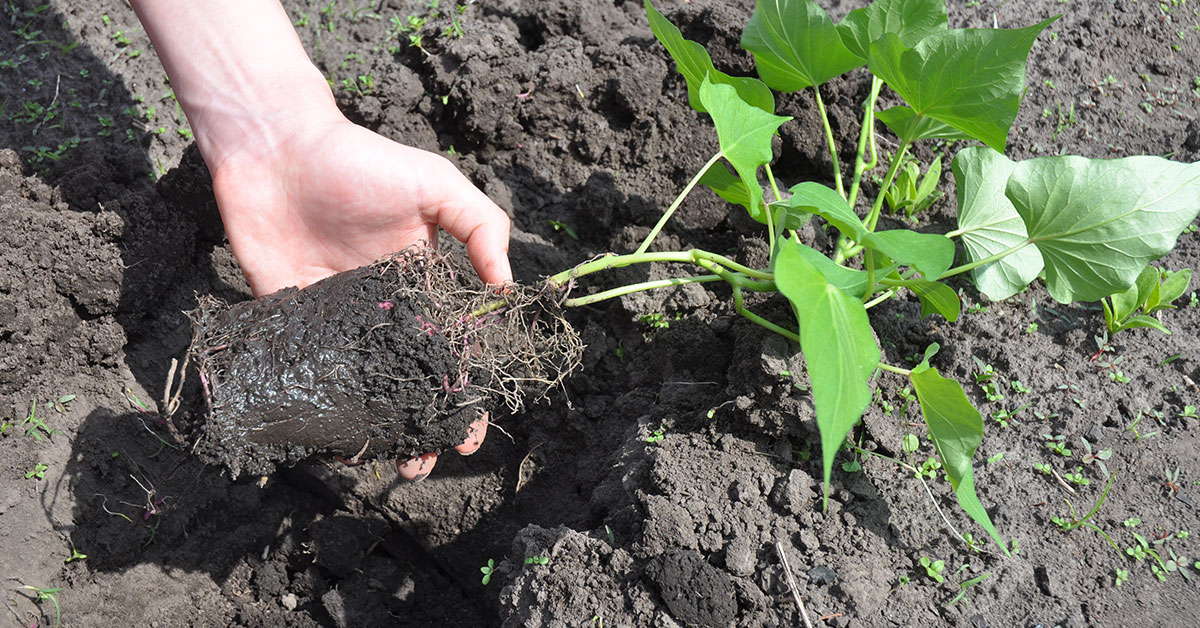
- Starting Slips: Sweet potatoes are typically grown from slips, which are small rooted shoots. You can purchase slips from a nursery or start your own by placing a sweet potato in a jar of water. Once the slips reach around 6-8 inches in length, they are ready to be planted.
- Preparing the Bed: Prepare the planting bed by loosening the soil to a depth of 8-10 inches. Remove any weeds or grass and incorporate compost or well-rotted manure to improve soil fertility.
- Planting: Plant the slips in the prepared bed, spacing them about 12-18 inches apart and burying them up to the first set of leaves. Ensure that the soil is well-watered after planting to help the slips establish.
- Watering: Sweet potatoes require consistent moisture throughout the growing season. Water deeply, but avoid overwatering, as it can lead to rot. Mulching around the plants can help retain moisture and suppress weed growth.
- Fertilizing: Sweet potatoes are heavy feeders and benefit from regular fertilization. Apply a balanced organic fertilizer at planting time and side-dress with additional fertilizer every 4-6 weeks during the growing season.
- Weed Control: Keep the planting bed weed-free, as weeds can compete with sweet potatoes for nutrients and water. Regularly remove any weeds that emerge and consider using mulch or landscape fabric to suppress weed growth.
- Pest and Disease Management: Sweet potatoes can be susceptible to pests like sweet potato weevils, aphids, and whiteflies. Monitor your plants regularly and take appropriate measures, such as using insecticidal soap or organic pesticides, if necessary. Diseases like sweet potato scurf and fusarium wilt can also be a concern, so practice crop rotation and ensure good air circulation around the plants.
- Harvesting: Sweet potatoes are typically ready to harvest when the leaves start to yellow and die back. Carefully dig up the tubers, being cautious not to damage them. Cure the harvested sweet potatoes by placing them in a warm, humid location for 7-10 days to improve their flavor and storage life.
By following these steps and considerations, you can successfully grow sweet potatoes and enjoy a bountiful harvest.
When to harvest sweet potatoes in Zone 11
In Zone 11, sweet potatoes can be harvested approximately 90-120 days after planting, depending on the variety. The ideal time to harvest sweet potatoes is when the leaves start to turn yellow and the vines begin to die back. This usually occurs in late summer or early fall. However, it’s important to monitor the weather conditions as well, as sweet potatoes should be harvested before the first frost. If a frost is expected, it’s best to harvest the sweet potatoes a few weeks earlier to avoid damage to the tubers.
Common sweet potato plant problems and fixes
Common problems when growing sweet potatoes include:
- Pests: Sweet potatoes can be susceptible to pests such as sweet potato weevils, aphids, and whiteflies. Regularly inspect your plants for signs of infestation, like holes in leaves or sticky residue. Use organic insecticides or neem oil to control pests, and consider using row covers to prevent infestations.
- Diseases: Sweet potatoes can be affected by diseases like fungal rots, leaf spot, and viruses. To prevent diseases, ensure proper spacing between plants for good air circulation, avoid overwatering, and practice crop rotation. Remove and destroy any infected plants to prevent the spread of diseases.
- Soil issues: Sweet potatoes prefer well-draining soil with a pH between 5.8 and 6.2. If your soil is heavy or compacted, amend it with organic matter like compost or aged manure to improve drainage. Avoid over-fertilizing, as excessive nitrogen can result in lush foliage but fewer tubers.
- Improper watering: Sweet potatoes require consistent moisture, especially during the growing season. Overwatering can lead to root rot, while underwatering can result in stunted growth and small tubers. Water deeply once a week, ensuring the soil is evenly moist but not waterlogged. Mulching can help retain moisture and regulate soil temperature.
- Lack of sunlight: Sweet potatoes thrive in full sun, receiving at least 6-8 hours of direct sunlight per day. Insufficient sunlight can lead to weak growth and smaller tubers. Choose a sunny location for planting and avoid shading from nearby trees or structures.
- Improper harvesting: Harvesting sweet potatoes at the right time is crucial for optimal tuber development. Wait until the foliage starts to yellow and die back before harvesting. Carefully dig up the tubers, being cautious not to damage them. Cure the harvested sweet potatoes in a warm, humid place for about 10 days to enhance their flavor and storage life.
By addressing these common problems, you can increase your chances of successfully growing sweet potatoes.