
Discover the delicious delights of sweet potatoes in the fertile soil of Rhode Island! As the crisp air of autumn begins to settle and the summer warmth lingers in memories, gardeners and food enthusiasts alike anticipate the perfect time to plant these nutritious tubers. In this article, we delve into the art of planting sweet potatoes in Rhode Island, where the changing seasons and diverse microclimates offer a range of opportunities for successful cultivation.
From sandy shores to lush inland regions, Rhode Island’s varied landscape requires careful consideration when choosing the ideal timing for planting sweet potatoes. Whether you’re an experienced gardener seeking to expand your repertoire or a budding green thumb eager to embark on a new culinary adventure, join us as we unlock the secrets to reaping a bountiful harvest of sweet potatoes in the charming state of Rhode Island.
Best sweet potatoes to grow in Rhode Island
In Rhode Island’s climate, certain varieties of sweet potatoes are better suited for successful growth. Generally, sweet potatoes that have a shorter growing season and can tolerate cooler temperatures tend to do well in the state. Here are a few sweet potato varieties that are known to thrive in Rhode Island:
- Beauregard: This is one of the most popular sweet potato varieties and is widely grown across various regions. Beauregard sweet potatoes have a relatively short growing season, making them suitable for Rhode Island’s climate. They produce excellent yields of reddish-orange, sweet, and moist tubers.
- Georgia Jet: This variety is known for its ability to mature quickly, which is ideal for regions with shorter growing seasons like Rhode Island. Georgia Jet sweet potatoes have a rich orange flesh and a sweet flavor.
- Covington: Covington sweet potatoes are highly favored for their disease resistance and adaptability to various climates. They have a smooth, copper-colored skin and a deliciously sweet taste.
- Orleans: Orleans sweet potatoes are known for their excellent taste and texture. They have a reddish-purple skin and a vibrant orange flesh. This variety tends to mature relatively quickly and is suitable for Rhode Island’s growing conditions.
- Bonita: Bonita sweet potatoes are prized for their high yield and versatility in the kitchen. They have a copper-colored skin and a creamy, sweet flesh.
When choosing sweet potato varieties for your Rhode Island garden, it’s essential to consider the average number of frost-free days and the specific microclimate of your area. Proper timing, along with selecting the right variety, will significantly contribute to a successful sweet potato harvest in the Ocean State.
When to plant sweet potatoes in Rhode Island
In Rhode Island, the ideal time to plant sweet potatoes is during the late spring to early summer when the soil has warmed up, and the danger of frost has passed. Generally, the best planting time is around mid to late May.
Sweet potatoes are warm-weather crops that require a long growing season, typically about 90 to 120 days from planting to harvest. Therefore, it’s essential to give them enough time to grow and mature before the first fall frost arrives.
Before planting, make sure the soil temperature is consistently above 55°F (13°C) at a depth of 4 inches (10 cm). If the soil is too cold, sweet potato slips (young plants) may struggle to establish themselves, leading to poor growth and yields.
To determine the exact planting date, consider the local climate and weather conditions in your specific area of Rhode Island. You can also check with your local agricultural extension office for more precise information and recommendations based on your region’s microclimate.
By planting sweet potatoes at the right time, you can maximize the chances of a successful harvest and enjoy a bountiful crop of these delicious and nutritious tubers in Rhode Island.
How to grow sweet potatoes
Growing sweet potatoes can be a rewarding experience, and they can be grown in various climates, including Rhode Island. Here’s a step-by-step guide on how to grow sweet potatoes:
- Choose the Right Variety: As mentioned earlier, select sweet potato varieties that are suitable for your climate and have a shorter growing season, such as Beauregard, Georgia Jet, Covington, Orleans, or Bonita for Rhode Island.
- Preparation and Soil: Sweet potatoes prefer well-draining, sandy-loamy soil with a pH of 5.8 to 6.2. Before planting, work the soil to a depth of at least 12 inches (30 cm) and incorporate plenty of organic matter, like compost or well-rotted manure, to improve soil fertility and texture.
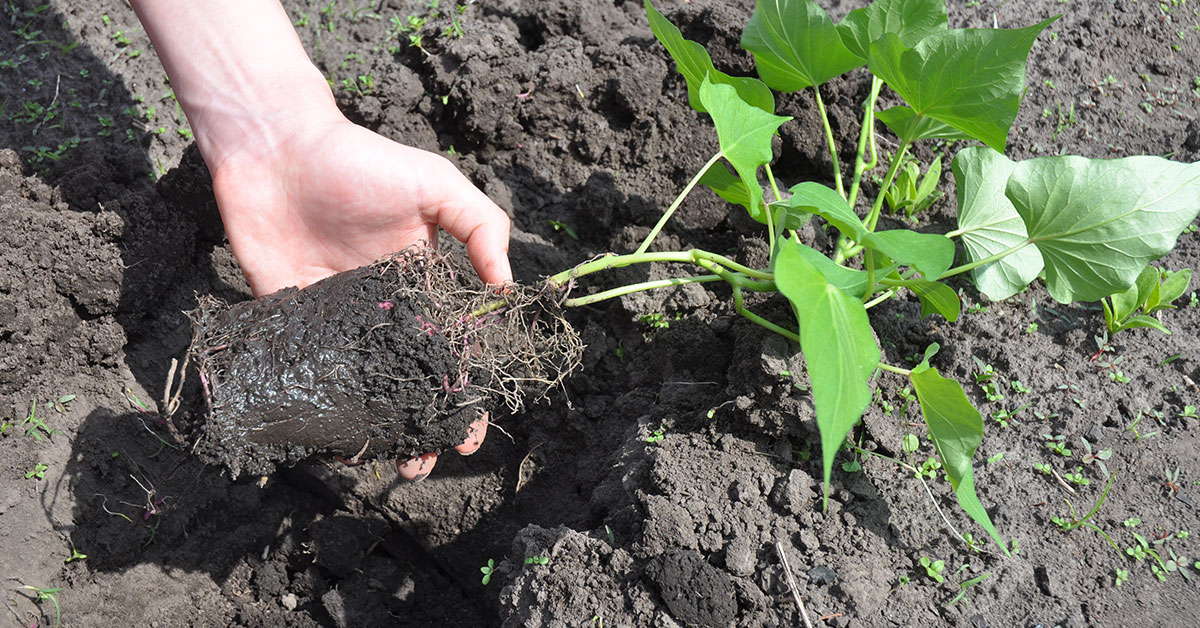
- Starting Slips: Sweet potatoes are typically grown from slips, which are young shoots or sprouts. You can purchase slips from a reputable nursery or produce your own by placing a sweet potato in a jar of water. The slips will sprout from the eyes of the sweet potato. Once they reach around 6 inches (15 cm) in length, gently twist them off the sweet potato for planting.
- Planting Slips: Plant the slips directly into the prepared soil, leaving about 12 inches (30 cm) of space between each plant. Bury them up to the leaves, so only the top leaves are above the soil surface.
- Watering: Sweet potatoes require consistent moisture, especially during the first few weeks after planting. Water deeply to ensure the roots receive enough hydration but avoid overwatering, as excessive moisture can lead to rot.
- Mulching: Apply a layer of organic mulch, like straw or wood chips, around the sweet potato plants. Mulching helps conserve soil moisture, suppresses weed growth, and regulates soil temperature.
- Fertilizing: Sweet potatoes are moderate feeders, so applying a balanced fertilizer at the time of planting and a side-dressing of nitrogen-rich fertilizer after the vines have begun to spread can support healthy growth.
- Vine Maintenance: As the sweet potato vines grow, they will sprawl across the ground. You can gently train them to prevent overcrowding and encourage proper air circulation.
- Pest and Disease Control: Keep an eye out for common pests like sweet potato weevils and diseases like root rot. Apply appropriate organic or chemical controls if necessary.
- Harvesting: Sweet potatoes are typically ready for harvest after 90 to 120 days, depending on the variety and growing conditions. Dig them up carefully with a shovel or fork, being mindful not to damage the tubers.
- Curing: After harvesting, sweet potatoes should be cured in a warm, humid place (around 80-85°F or 27-29°C) for about 10 to 14 days. This process helps the tubers develop a sweeter flavor and longer storage life.
With proper care and attention, you can enjoy a successful sweet potato harvest and relish the delightful taste of your homegrown produce.
When to harvest sweet potatoes in Rhode Island
In Rhode Island, sweet potatoes are typically ready for harvest in the late summer or early fall, around 90 to 120 days after planting, depending on the variety and growing conditions. The specific timing of the harvest can also be influenced by the weather and local climate.
To determine the right time for harvesting sweet potatoes, look for the following signs:
- Vine Yellowing: As the sweet potato vines mature and the growing season comes to an end, the leaves will start to yellow and wither.
- Frost Warning: Keep an eye on the weather forecast for any signs of an impending frost. Sweet potatoes are sensitive to cold temperatures, and a light frost can damage the tubers. If frost is expected, it’s best to harvest the sweet potatoes beforehand.
- Tuber Size: Sweet potatoes should have reached a reasonable size at the time of harvest. While they can be harvested when they are still small, allowing them to grow larger can result in a more substantial yield.
- Loosening of Soil: Before harvesting, gently dig around the base of the plant to loosen the soil. This makes it easier to lift the sweet potatoes without damaging them.
- Harvest Test: If you are unsure whether the sweet potatoes are ready for harvest, you can perform a test by carefully digging up one or two tubers to check their size and quality. If they have reached a satisfactory size and have developed the desired sweetness, it’s time to harvest the rest of the crop.
When harvesting sweet potatoes, be gentle to avoid bruising or cutting the tubers. Use a shovel or a fork to dig them up carefully. Once harvested, cure the sweet potatoes by placing them in a warm, humid environment (around 80-85°F or 27-29°C) for about 10 to 14 days. Curing helps the sweet potatoes develop a sweeter flavor and improves their storage life.
By timing the harvest right and following proper post-harvest practices, you can enjoy a bountiful supply of sweet potatoes that have been lovingly grown in your Rhode Island garden.