
Kansas, with its diverse climate and fertile soil, offers an ideal environment for cultivating a wide range of crops. Among these, sweet potatoes stand out as a versatile and nutritious option that can thrive in the state’s agricultural landscape. However, to ensure a successful harvest, it is crucial to understand the optimal timing for planting sweet potatoes in Kansas. In this comprehensive guide, we will delve into the factors that influence sweet potato growth, explore the specific requirements of this crop, and provide valuable insights into when and how to plant sweet potatoes to maximize your yield.
Whether you are a seasoned gardener or a novice enthusiast, this article aims to equip you with the knowledge needed to embark on a successful sweet potato growing journey in the Sunflower State.
Best varieties of sweet potato to grow in Kansas
In Kansas, the climate is generally suitable for growing sweet potatoes. Some varieties that tend to perform well in Kansas include:
- Beauregard: This is a popular variety known for its high yields and excellent flavor. It has a reddish-orange skin and deep orange flesh. Beauregard is resistant to cracking and disease, making it a reliable choice.
- Covington: Another widely grown variety, Covington produces large, uniform sweet potatoes with a copper-colored skin and deep orange flesh. It has good disease resistance and performs well in various climates, including Kansas.
- Georgia Jet: This variety is known for its early maturity, making it suitable for regions with shorter growing seasons like Kansas. Georgia Jet has a dark red skin and orange flesh. It is also resistant to cracking.
- Centennial: This variety is well-adapted to Kansas’ climate and produces medium-sized sweet potatoes with a copper-colored skin and orange flesh. Centennial has good disease resistance and is known for its sweet flavor.
- Orleans: Orleans sweet potatoes have a pale copper skin and light orange flesh. They are known for their excellent flavor and moist texture. This variety is adaptable to different climates, including Kansas.
Remember, it’s important to choose certified disease-free slips (young sweet potato plants) from reputable sources when starting your sweet potato crop. Additionally, providing well-drained soil, full sun exposure, and regular watering will help ensure successful sweet potato cultivation in Kansas.
When to plant sweet potatoes in Kansas
In Kansas, the best time to plant sweet potatoes depends on the specific hardiness zone in which you reside. Kansas’ climate is divided into several hardiness zones, ranging from Zone 5b to Zone 7a. Different zones have varying temperature ranges and growing seasons, which influence the appropriate planting time for sweet potatoes. Here’s a general guideline for planting sweet potatoes in different zones:
- Zone 5b to Zone 6a: In these colder regions of northern Kansas, the growing season is relatively short. Sweet potatoes should be planted in late spring or early summer, around late May to early June, after the risk of frost has passed. This timing ensures that the soil has warmed up sufficiently for proper tuber development.
- Zone 6b to Zone 7a: For central and southern parts of Kansas, including cities like Wichita and Topeka, sweet potatoes can be planted in mid to late May. These zones have slightly longer growing seasons compared to Zone 5b, allowing for an extended growing period.
It’s important to note that sweet potatoes thrive in warm weather and require a long growing season. Ensure that the soil temperature is consistently above 55°F (13°C) at a depth of 4 inches (10 cm) before planting, as cold soil can hinder their growth.
In all zones, proper soil preparation, watering, mulching, and vine maintenance are crucial for successful sweet potato cultivation. Be attentive to local weather conditions and frost warnings, especially in the colder zones, to protect your sweet potato crop from any unexpected cold snaps.
By considering Kansas’ hardiness zones and planting sweet potatoes at the appropriate times, you can maximize your chances of a successful harvest and enjoy the sweet taste of homegrown tubers.
How to grow sweet potatoes
Growing sweet potatoes requires careful planning and attention to detail. Here are the steps and considerations to keep in mind:
- Climate and Soil: Sweet potatoes thrive in warm climates with a long growing season. They require at least 100 frost-free days. The soil should be well-draining, loose, and rich in organic matter. Aim for a pH level between 5.8 and 6.2.
- Variety Selection: Choose a sweet potato variety that suits your climate and preferences. Some popular varieties include Beauregard, Covington, and Jewel. Check with local nurseries or agricultural extension offices for recommendations.
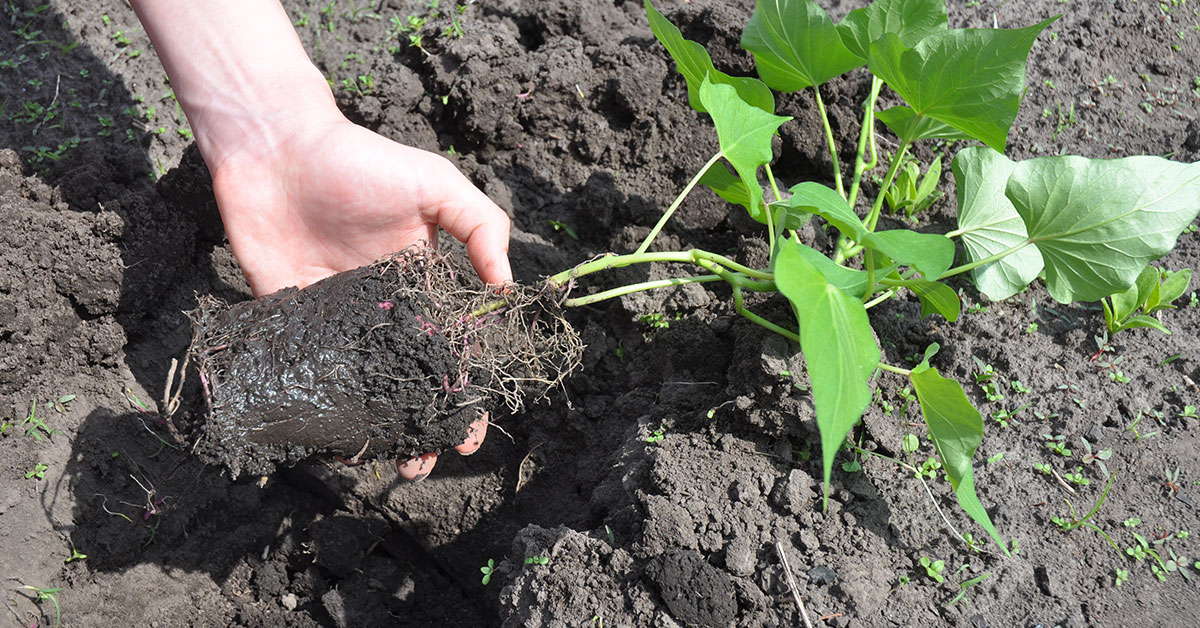
- Starting Slips: Sweet potatoes are typically grown from slips, which are sprouts that grow from the tubers. You can purchase slips from nurseries or start your own by placing sweet potatoes in a jar of water until the slips emerge. Once the slips are around 6-8 inches long, gently remove them from the tuber.
- Preparing the Bed: Prepare the planting bed by loosening the soil and incorporating organic matter, such as compost or well-rotted manure. This will improve drainage and fertility.
- Planting: Plant the slips in the prepared bed, burying them about 2-3 inches deep. Space the slips around 12-18 inches apart, with rows spaced 3-4 feet apart. Ensure that the leafy part of the slip is above the soil surface.
- Watering: Sweet potatoes require consistent moisture, especially during the first few weeks after planting. Water deeply and regularly, aiming to keep the soil evenly moist but not waterlogged. Mulching can help retain moisture and suppress weeds.
- Fertilizing: Sweet potatoes benefit from regular fertilization. Apply a balanced organic fertilizer or a slow-release fertilizer according to the package instructions. Avoid excessive nitrogen, as it can result in lush foliage but fewer tubers.
- Weed Control: Keep the planting bed free from weeds, as they can compete with sweet potatoes for nutrients and water. Regularly remove weeds by hand or use mulch to suppress their growth.
- Pest and Disease Management: Sweet potatoes can be susceptible to pests like sweet potato weevils, wireworms, and whiteflies. Monitor the plants regularly and take appropriate measures, such as using insecticidal soap or organic pest control methods. Diseases like root rot and fungal infections can be prevented by ensuring good drainage and proper air circulation.
- Harvesting: Sweet potatoes are typically ready to harvest around 90-120 days after planting, depending on the variety. Harvest when the leaves start to yellow and the vines begin to die back. Carefully dig up the tubers, being cautious not to damage them. Cure the harvested sweet potatoes in a warm, humid environment for about 10 days to improve their flavor and storage life.
By following these steps and considerations, you can successfully grow sweet potatoes and enjoy a bountiful harvest.
When to harvest sweet potatoes in Kansas
Sweet potatoes should be harvested in Kansas in late September or early October. This timing allows the sweet potatoes to fully mature and develop their sweet flavor. Keep in mind that the exact harvest time may vary depending on the specific variety of sweet potato you are growing and the weather conditions in your area. It is recommended to monitor the plants closely and harvest when the foliage starts to yellow and die back.
Common sweet potato plant problems and fixes
Common problems when growing sweet potatoes include:
- Poor soil drainage: Sweet potatoes require well-draining soil to prevent waterlogged roots. If the soil is heavy or compacted, amend it with organic matter like compost or sand to improve drainage.
- Insufficient sunlight: Sweet potatoes need at least 6-8 hours of direct sunlight daily. If they are not receiving enough sunlight, consider transplanting them to a sunnier location or using reflective mulch to maximize light exposure.
- Pests: Common pests that affect sweet potatoes include sweet potato weevils, wireworms, and nematodes. To control these pests, practice crop rotation, remove infected plants, and use organic insecticides or beneficial nematodes if necessary.
- Diseases: Sweet potatoes can be susceptible to diseases like fungal rots, leaf spots, and viruses. To prevent diseases, ensure good air circulation around the plants, avoid overhead watering, and remove infected plant material promptly. Planting disease-resistant varieties can also help.
- Improper watering: Overwatering can lead to root rot, while underwatering can result in stunted growth and reduced yields. Water sweet potatoes deeply once or twice a week, allowing the soil to dry out slightly between waterings. Mulching around the plants can help retain moisture and regulate soil temperature.
- Nutrient deficiencies: Sweet potatoes require balanced nutrition for optimal growth. A lack of essential nutrients like nitrogen, phosphorus, or potassium can cause stunted growth or poor tuber development. Conduct a soil test to determine nutrient deficiencies and amend the soil accordingly with organic fertilizers or compost.
- Improper harvesting: Harvest sweet potatoes when they have reached maturity, typically around 100-120 days after planting. Avoid damaging the tubers during harvest by gently digging them out with a garden fork or shovel. Cure the harvested sweet potatoes in a warm, humid environment for about 10 days to enhance their flavor and storage life.
By addressing these common problems, you can increase the chances of successfully growing sweet potatoes.