
Alaska’s unique climate and shorter growing season may pose challenges for many gardeners, but with careful planning and the right knowledge, it is indeed possible to grow sweet potatoes in the Last Frontier. Sweet potatoes, known for their delicious taste and nutritional value, require specific conditions to thrive and produce a bountiful harvest. In this article, we will explore the optimal timing for planting sweet potatoes in Alaska, considering the region’s climate, frost dates, and other essential factors.
By understanding the best time to plant, Alaskan gardeners can maximize their chances of successfully cultivating these versatile and rewarding tubers in their own backyard. So, let’s dive into the world of sweet potatoes and discover the secrets to a successful harvest in the northernmost state of the United States.
Best varieties of sweet potato to grow in Alaska
Sweet potatoes are typically grown in warmer climates, so growing them in Alaska can be a bit challenging. However, there are a few varieties that have been known to perform relatively well in cooler regions. Here are a couple of sweet potato varieties that you can try growing in Alaska:
- Beauregard: This variety is one of the most popular sweet potatoes and has shown some success in cooler climates. It has a relatively short growing season of around 90-100 days, which makes it suitable for Alaska’s shorter summers. Beauregard sweet potatoes have a reddish-orange skin and a deep orange flesh.
- Georgia Jet: Another variety that has been known to perform well in cooler climates is Georgia Jet. It has a shorter growing season of around 90-100 days as well. Georgia Jet sweet potatoes have a dark red skin and a deep orange flesh.
When growing sweet potatoes in Alaska, it’s important to provide them with optimal growing conditions. Choose a sunny location with well-drained soil and consider using raised beds or containers to provide additional warmth. Additionally, using black plastic mulch can help to warm the soil and promote better growth. Keep in mind that even with suitable varieties, growing sweet potatoes in Alaska can still be a challenge due to the shorter growing season and cooler temperatures. It’s recommended to start your sweet potato slips indoors early in the season and transplant them outdoors once the soil has warmed up.
When to plant sweet potatoes in Alaska
In Alaska, the best time to plant sweet potatoes is in late spring or early summer when the soil temperature has warmed up to at least 60°F (15°C). This usually occurs around mid to late May, depending on the specific location within Alaska. It is important to wait until after the last frost date to avoid any potential damage to the young plants. Additionally, sweet potatoes require a long growing season of at least 100 to 140 days, so it is crucial to ensure that there is enough time for the tubers to mature before the first frost in the fall.
How to grow sweet potatoes
Growing sweet potatoes requires careful planning and attention to detail. Here are the steps and considerations to keep in mind:
- Variety Selection: Choose a sweet potato variety suitable for your climate and growing conditions. Some popular varieties include Beauregard, Covington, and Jewel.
- Soil Preparation: Sweet potatoes prefer loose, well-draining soil with a pH range of 5.8 to 6.2. Prepare the soil by removing weeds, rocks, and debris. Add organic matter like compost or aged manure to improve soil fertility and structure.
- Planting Time: Sweet potatoes are warm-season crops and require a long growing season. Start by planting slips (young sweet potato plants) in late spring or early summer, once the soil temperature reaches around 60°F (15°C).
- Slip Preparation: If you’re starting your own slips, place sweet potatoes in a warm, humid area for about 6-8 weeks before planting. This will encourage the development of sprouts. Once the sprouts are around 6 inches long, gently twist them off the sweet potato and place them in water to develop roots.
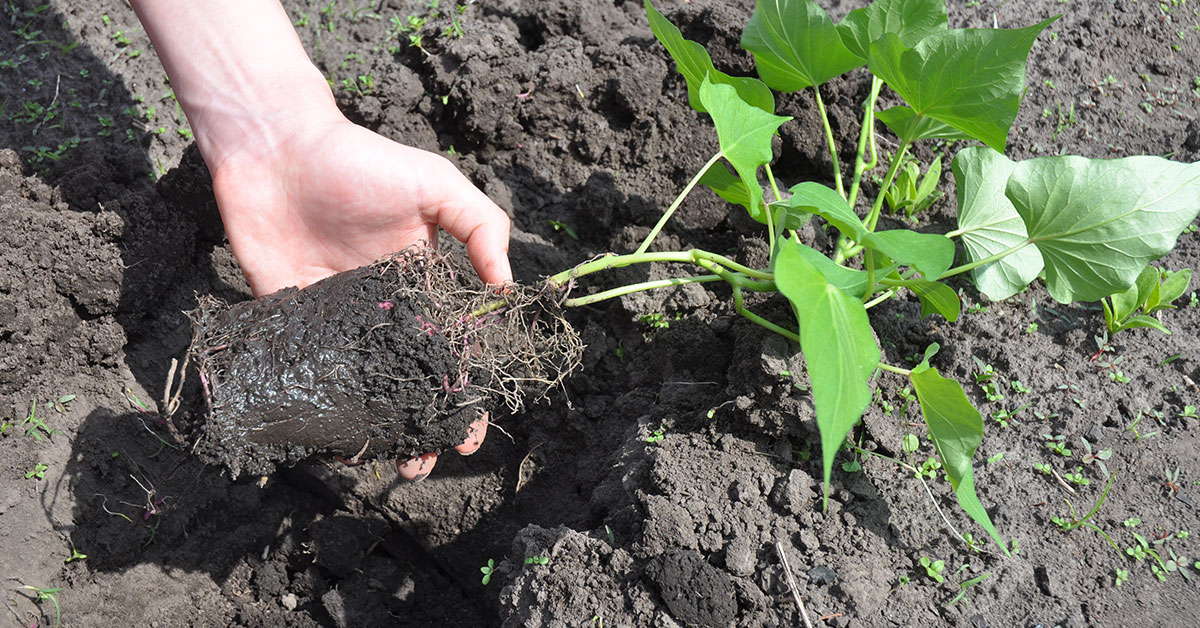
- Planting Slips: Dig planting holes about 4-6 inches deep and 12-18 inches apart. Place the slips in the holes, burying about two-thirds of the stem and leaving the top third exposed.
- Spacing: Allow ample space between sweet potato plants, as they can spread vigorously. Rows should be spaced around 3-4 feet apart.
- Watering: Sweet potatoes require consistent moisture, especially during the first few weeks after planting. Water deeply, ensuring the soil remains evenly moist but not waterlogged. Reduce watering as the plants establish, but do not let the soil dry out completely.
- Fertilization: Sweet potatoes are heavy feeders. Prior to planting, incorporate a balanced organic fertilizer into the soil. Side-dress with additional fertilizer when the plants begin to vine.
- Weed Control: Keep the planting area weed-free, as sweet potatoes do not compete well with weeds. Mulching with straw or another organic material can help suppress weed growth.
- Pest and Disease Management: Monitor for common pests like sweet potato weevils, aphids, and whiteflies. Use organic pest control methods such as handpicking, insecticidal soaps, or neem oil if necessary. Rotate crops to reduce the risk of disease, and promptly remove any infected plants.
- Harvesting: Sweet potatoes are typically ready for harvest 90-120 days after planting, depending on the variety. Harvest when the leaves start to turn yellow or after the first frost. Carefully dig around the plants to avoid damaging the tubers. Cure the harvested sweet potatoes by storing them in a warm (80-85°F), humid environment for 7-10 days to improve their flavor and sweetness.
By following these steps and considering the specific needs of sweet potatoes, you can successfully grow a bountiful harvest of these delicious tubers.
When to harvest sweet potatoes in Alaska
Sweet potatoes are warm-season crops that require a long growing season to fully mature. In Alaska, where the growing season is relatively short, it can be challenging to grow sweet potatoes to their full potential. However, with proper care and attention, it is still possible to harvest sweet potatoes in Alaska.
The ideal time to harvest sweet potatoes in Alaska is typically in late September or early October. This timing allows the tubers to reach their maximum size and sweetness before the first frost arrives. Keep in mind that sweet potatoes are not frost-tolerant, so it’s crucial to harvest them before the temperatures drop below freezing.
To determine if your sweet potatoes are ready for harvest, observe the foliage. When the vines start to turn yellow and die back, it is a sign that the tubers have reached maturity. However, it’s always a good idea to gently dig around the base of the plant to check the size and quality of the tubers. Harvesting sweet potatoes too early will result in smaller tubers, while waiting too long may expose them to frost damage.
After harvesting, cure the sweet potatoes by placing them in a warm and humid environment (around 85°F/29°C and 85% humidity) for about 10 to 14 days. This process allows the sweet potatoes to develop their characteristic sweetness and improves their storage life.
Remember, growing sweet potatoes in Alaska requires careful planning and attention to provide them with the necessary warmth and protection. Consider using season extenders like row covers or greenhouses to create a more favorable growing environment.
Common sweet potato plant problems and fixes
Common problems when growing sweet potatoes include:
- Poor soil drainage: Sweet potatoes require well-draining soil to prevent waterlogged roots. To fix this, amend the soil with organic matter such as compost or aged manure to improve drainage.
- Pests: Sweet potatoes can be susceptible to pests such as sweet potato weevils, aphids, and whiteflies. Use organic pest control methods like neem oil or insecticidal soap to manage these pests. Regularly inspect the plants for signs of infestation and take appropriate action.
- Diseases: Sweet potatoes can be affected by diseases like fungal rots, leaf spot, and viruses. To prevent diseases, practice crop rotation, avoid overwatering, and provide adequate spacing between plants for good air circulation. If diseases occur, remove and destroy affected plants to prevent further spread.
- Nutrient deficiencies: Sweet potatoes require balanced nutrition for optimal growth. Common nutrient deficiencies include nitrogen, phosphorus, and potassium. Conduct a soil test to determine any deficiencies and amend the soil accordingly with organic fertilizers or compost.
- Improper watering: Overwatering or underwatering can cause problems for sweet potatoes. They require consistent moisture, but not excessive water. Water deeply once a week, ensuring the soil is evenly moist but not waterlogged. Mulching can help retain soil moisture.
- Improper harvesting: Harvesting sweet potatoes at the right time is crucial. If harvested too early, they may not have developed their full flavor and sweetness. If harvested too late, they may become woody or prone to rot. Harvest sweet potatoes when the leaves start to yellow and wither, typically around 90-120 days after planting.
By addressing these common problems, you can increase the chances of successfully growing sweet potatoes.