
Welcome to the world of sweet potato cultivation in Alabama! If you’re a gardening enthusiast in the Heart of Dixie, you’re in luck because sweet potatoes thrive in our state’s warm and sunny climate. But when is the best time to plant these delicious tubers? Timing is crucial when it comes to sweet potatoes, as they require a long growing season to develop their sweet flavor and ample yields. In this article, we will explore the optimal planting time for sweet potatoes in Alabama, taking into consideration the local climate, soil conditions, and the specific needs of these versatile root vegetables.
So, grab your gardening gloves and get ready to learn all about when to plant sweet potatoes in the beautiful state of Alabama!
Best varieties of sweet potato to grow in Alabama
In Alabama, there are several varieties of sweet potatoes that tend to grow well due to the region’s warm climate. Here are a few recommended varieties:
- Beauregard: This is one of the most popular sweet potato varieties and is widely grown in Alabama. It has a reddish-orange skin and a moist, sweet, and flavorful orange flesh. Beauregard is known for its high yield and disease resistance.
- Covington: Another excellent choice for Alabama, Covington sweet potatoes have a rose-colored skin and deep orange flesh. They are known for their sweet flavor and good storage capabilities.
- Orleans: This variety has a copper-colored skin and deep orange flesh. Orleans sweet potatoes are known for their excellent taste and high yield. They are also resistant to cracking and diseases.
- Evangeline: Evangeline sweet potatoes have a reddish-purple skin and a vibrant orange flesh. They are known for their sweet flavor and good storage qualities. This variety is also resistant to cracking.
- Centennial: Centennial sweet potatoes have a copper-colored skin and a deep orange flesh. They are known for their high yield and excellent taste. Centennial sweet potatoes are also resistant to diseases and cracking.
These varieties are well-suited for Alabama’s climate and have been successfully grown by many gardeners in the region. However, it’s always a good idea to check with local nurseries or agricultural extension offices for any specific recommendations based on your exact location within Alabama.
When to plant sweet potatoes in Alabama
The best time to plant sweet potatoes in Alabama is typically in late spring or early summer, around May or June. This is when the soil has warmed up sufficiently and the danger of frost has passed. Sweet potatoes require warm soil temperatures, ideally around 60-85°F (15-30°C), for optimal growth. Planting too early when the soil is still cool can result in slow growth or even rotting of the tubers. It’s important to ensure that the soil temperature is consistently above 50°F (10°C) before planting sweet potatoes.
How to grow sweet potatoes
Growing sweet potatoes requires careful planning and attention to detail. Here are the steps and considerations to keep in mind:
- Climate and Soil: Sweet potatoes thrive in warm climates with a long growing season, ideally with temperatures between 70-90°F (21-32°C). They require well-drained, loose soil with a pH level between 5.8-6.2. Prepare the soil by removing any weeds, rocks, or debris.
- Variety Selection: Choose a sweet potato variety suitable for your climate and desired taste. Some popular varieties include Beauregard, Covington, and Jewel. Purchase certified disease-free slips (young plants) from a reputable nursery or start your own slips from a mature sweet potato.
- Slips Preparation: If starting your own slips, place a sweet potato in a jar of water, suspending it with toothpicks. Keep the jar in a warm location with indirect sunlight. Within a few weeks, the potato will sprout slips. Once the slips are around 6-8 inches long, gently twist them off and place them in a separate container with water to develop roots.
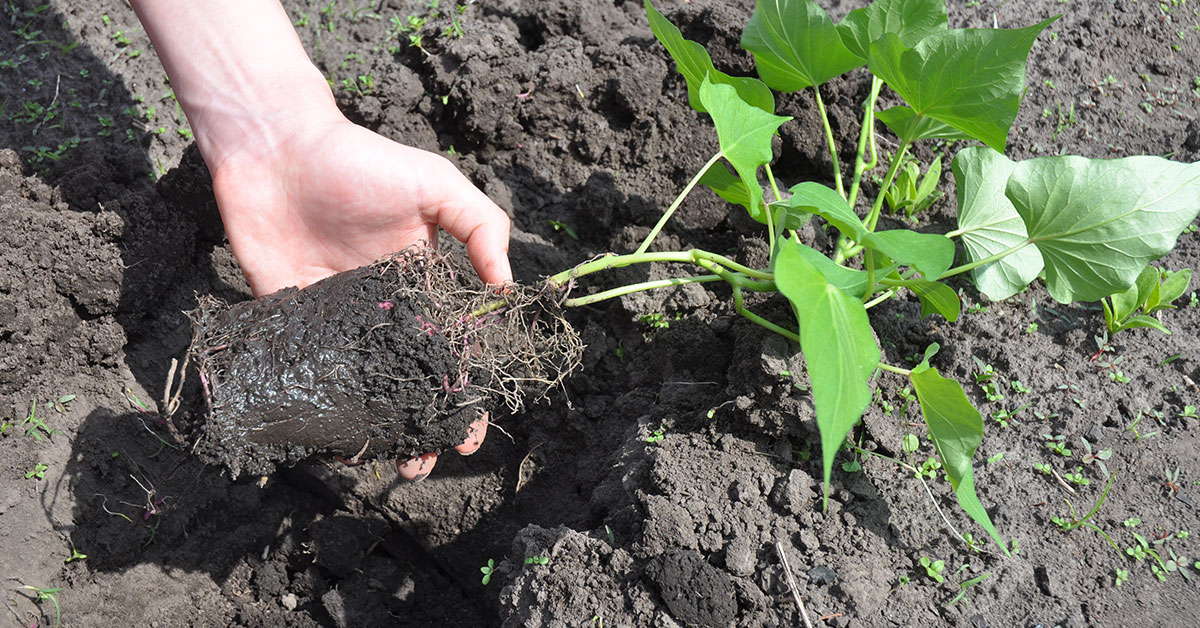
- Planting: Wait until the soil temperature reaches at least 60°F (15°C) before planting the slips. Dig 4-6 inch deep trenches, spaced about 3 feet apart. Place the slips in the trenches, burying about two-thirds of the stem. Space the slips 12-18 inches apart within the rows.
- Care and Maintenance: Sweet potatoes require regular watering, especially during dry periods. Mulching around the plants helps retain moisture and suppress weeds. Avoid overwatering, as it can lead to rot. Fertilize the plants with a balanced organic fertilizer, following the package instructions.
- Vine Training: Sweet potato vines tend to spread and take up a lot of space. To control their growth, train the vines to grow along trellises or stakes. This helps maximize space and makes harvesting easier.
- Pest and Disease Control: Monitor your plants regularly for signs of pests like sweet potato weevils, aphids, or whiteflies. Use organic pest control methods or consult with a local agricultural extension office for guidance. Common diseases affecting sweet potatoes include fungal infections like black rot and soil-borne diseases like root-knot nematodes. Crop rotation and proper soil management can help prevent these issues.
- Harvesting: Sweet potatoes are typically ready for harvest 90-120 days after planting, depending on the variety. Harvesting can be done when the leaves start to yellow and die back. Carefully dig around the plants to avoid damaging the tubers. Gently lift the sweet potatoes out of the soil, being careful not to bruise or cut them.
- Curing and Storage: After harvesting, cure the sweet potatoes by placing them in a warm, humid environment (around 85°F or 29°C) for 7-10 days. This process helps the tubers develop a sweeter flavor and improves their storage life. Store cured sweet potatoes in a cool, dry place with good ventilation.
By following these steps and considerations, you can successfully grow sweet potatoes and enjoy a bountiful harvest.
When to harvest sweet potatoes in Alabama
Sweet potatoes are typically harvested in Alabama between September and October. The exact timing can vary depending on the specific variety of sweet potato being grown and the weather conditions throughout the growing season. It is important to monitor the plants closely and look for signs of maturity before harvesting. The leaves of the sweet potato plant will start to turn yellow and wither, which is an indication that the tubers are ready to be harvested. Additionally, you can gently dig around the base of the plant to check the size and development of the sweet potatoes.
Common sweet potato plant problems and fixes
Common problems when growing sweet potatoes include:
- Poor soil drainage: Sweet potatoes require well-draining soil to prevent waterlogged roots. To fix this, amend the soil with organic matter such as compost or vermiculite to improve drainage.
- Insufficient sunlight: Sweet potatoes need at least 6-8 hours of direct sunlight daily. If they are not receiving enough sunlight, consider transplanting them to a sunnier location or using reflective mulch to increase light exposure.
- Pests: Common pests that attack sweet potatoes include sweet potato weevils, wireworms, and aphids. To control these pests, use organic insecticides or beneficial insects like ladybugs or lacewings. Regularly inspect the plants for signs of infestation and take appropriate measures.
- Diseases: Sweet potatoes are susceptible to diseases such as fungal rot, black rot, and leaf spot. To prevent these diseases, practice crop rotation, avoid overwatering, and provide adequate spacing between plants for good air circulation. If diseases occur, remove and destroy infected plants to prevent further spread.
- Improper watering: Overwatering can lead to root rot, while underwatering can cause stunted growth and poor tuber development. Water sweet potatoes deeply once a week, ensuring the soil is moist but not waterlogged. Mulching can help retain moisture and regulate soil temperature.
- Lack of nutrients: Sweet potatoes require a balanced supply of nutrients for optimal growth. If the plants show signs of nutrient deficiency, such as yellowing leaves or stunted growth, apply a balanced fertilizer or organic amendments like compost or aged manure.
Remember to regularly monitor your sweet potato plants for any signs of problems and address them promptly to ensure healthy growth and a bountiful harvest.