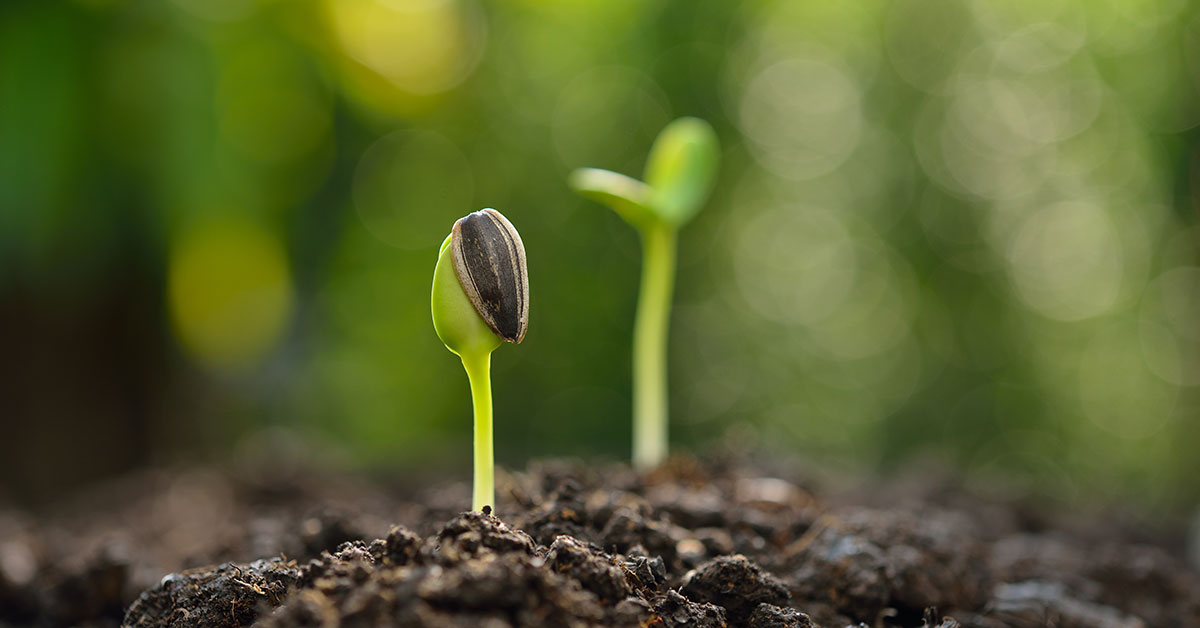

Are you a sunflower enthusiast living in the United Kingdom? Well, you’re in luck! In this article, we will explore the optimal time to plant your sunflowers in the UK, ensuring they thrive and dazzle your garden with their vibrant blooms.
Sunflowers (Helianthus annuus) are renowned for their striking appearance, with their large, yellow flower heads that seem to follow the sun throughout the day. However, planting them at the right time is crucial for their growth and success.
Understanding the climate and seasons in the UK, we will delve into the best time to sow sunflower seeds, taking into account temperature, daylight hours, and frost risks. So, whether you’re a beginner gardener or an experienced enthusiast, read on to discover how to time your sunflower planting to create a stunning display in your UK garden.
Best sunflowers to grow in the UK
There are several varieties of sunflowers that grow well in the UK. Here are a few popular ones:
- ‘Russian Giant’: This variety can grow up to 4 meters tall and produce large, yellow flowers. It is known for its impressive size and is a favorite among gardeners.
- ‘Teddy Bear’: This variety is a dwarf sunflower, reaching only about 60cm in height. It has fluffy, double flowers that resemble teddy bear faces. It is perfect for smaller gardens or containers.
- ‘Autumn Beauty’: This variety produces flowers in various shades of yellow, orange, and red. It is a multi-branched sunflower, which means it produces multiple blooms on each stem, extending the flowering period.
- ‘Velvet Queen’: This variety has deep burgundy flowers, adding a touch of drama to your garden. It grows to about 1.5 meters tall and requires full sun to thrive.
- ‘Italian White’: This variety has creamy white flowers with dark centers. It is a beautiful and unique sunflower that stands out in any garden.
Remember to check the seed packets or plant labels for specific growing instructions and to ensure the variety you choose is suitable for your climate and growing conditions.
When to plant sunflowers in the UK
In the United Kingdom, the Royal Horticultural Society (RHS) has developed a hardiness zone map that divides the country into several regions based on their climate conditions. These hardiness zones determine the suitability of different plants for specific areas. The zones range from 8a in the mildest regions to 9b in the coldest areas.
When it comes to sunflowers, they are generally considered warm-weather plants and thrive in areas with plenty of sunlight. In the UK, sunflowers are best suited for zones 8a to 9b, covering most of the country except for the coldest regions of Scotland and parts of Northern Ireland.
The ideal time to plant sunflowers in the UK is during late spring or early summer when the soil has warmed up, and the risk of frost has passed. This is typically between April and June, depending on the specific location. By planting at this time, you give the sunflowers enough time to establish themselves before the cooler autumn weather arrives.
Before planting, it’s important to prepare the soil by removing any weeds and incorporating organic matter to improve its fertility and drainage. Sunflowers prefer well-draining soil with a pH of 6.0 to 7.5. They also require a sunny location with at least six hours of direct sunlight per day.
When planting sunflower seeds, follow the package instructions for the specific variety you have chosen. Typically, you’ll want to sow the seeds directly into the ground at a depth of one inch (2.5 cm) and space them around 12 to 18 inches (30 to 45 cm) apart. Water the seeds after planting and keep the soil consistently moist until germination occurs, usually within 7 to 10 days.
Once the sunflowers have sprouted, thin them out if necessary, leaving the strongest plants with enough space to grow and develop. Regular watering is important, especially during dry spells, to ensure healthy growth and the formation of large, vibrant flowers.
Sunflowers usually take around 70 to 100 days to reach maturity, depending on the variety. As they grow, you may need to provide support for taller varieties by staking or using cages to prevent them from toppling over in strong winds.
By following these guidelines and considering the hardiness zones in your area, you can enjoy the beauty of sunflowers in your UK garden during the summer months.
When to harvest sunflowers in the UK
The optimal time to harvest sunflowers in the UK is typically in late summer or early autumn, around August to September. However, the exact timing can vary depending on the specific variety of sunflower and the growing conditions in your area. To determine if the sunflowers are ready for harvest, you can look for signs such as the heads turning brown and the back of the flower drying out. Additionally, the petals will start to fall off, and the seeds in the center of the flower will appear plump and mature. Harvesting at the right time ensures that the seeds are fully developed and ready for consumption or further processing.
Other considerations
When growing sunflowers in the UK, there are a few additional considerations to keep in mind:
- Climate: Sunflowers thrive in warm and sunny conditions. While the UK climate may not always provide consistent heat, it is still possible to grow sunflowers successfully. Choose a sunny spot in your garden that receives at least 6-8 hours of direct sunlight each day.
- Soil: Sunflowers prefer well-draining soil that is rich in organic matter. Before planting, amend the soil with compost or well-rotted manure to improve its fertility and drainage. Avoid heavy clay soils, as they can hinder root development.
- Watering: Sunflowers require regular watering, especially during dry spells. Water deeply and consistently, ensuring the soil remains evenly moist but not waterlogged. Avoid overhead watering, as it can lead to fungal diseases. Instead, water at the base of the plant.
- Wind protection: Sunflowers can be quite tall and top-heavy, making them susceptible to wind damage. Consider planting sunflowers near a fence or building that can provide some protection from strong winds. Staking individual plants or using bamboo stakes to support them can also help prevent them from toppling over.
- Pest control: While sunflowers are generally not severely affected by pests, some common garden pests like aphids, slugs, and snails may still pose a threat. Regularly inspect your plants for any signs of pest infestation and take appropriate measures such as handpicking or using organic pest control methods.
- Companion planting: Consider planting companion plants like marigolds, nasturtiums, or herbs such as basil and mint near your sunflowers. These plants can attract beneficial insects and deter pests, creating a healthier growing environment for your sunflowers.
- Harvesting: Sunflowers can be harvested for their seeds, which can be enjoyed as a nutritious snack or used in cooking. Wait until the flower heads have fully matured and the back of the flower begins to turn yellow or brown. Cut the flower heads off and hang them upside down in a well-ventilated area to dry. Once the seeds are fully dry, remove them from the flower head and store them in a cool, dry place.
By considering these factors, you can increase your chances of successfully growing sunflowers in the UK and enjoy their vibrant beauty in your garden.