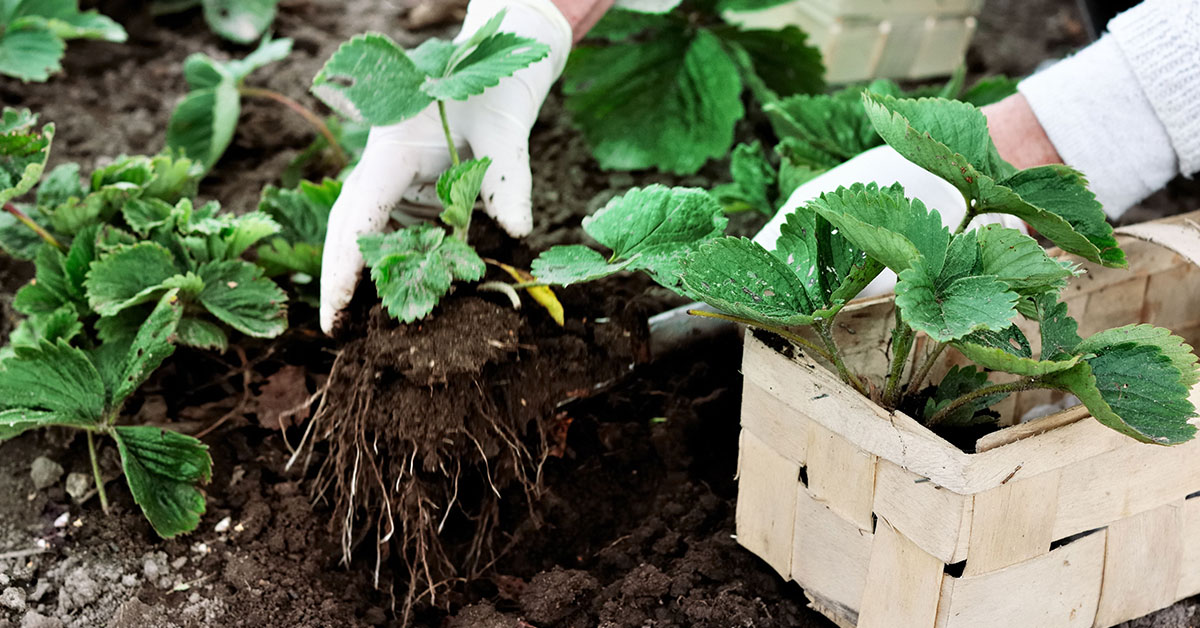

Are you a strawberry enthusiast eager to grow your own luscious, juicy fruits? Look no further! As an experienced gardener, I am here to guide you through the best time to plant strawberries in the UK. With its temperate climate and distinct seasons, the UK offers an ideal environment for growing these delectable berries.
By understanding the optimal planting time, you can ensure a successful and abundant strawberry harvest. In this article, we will explore the factors that influence the best time to plant strawberries, including weather conditions, soil preparation, and the different varieties available. So, grab your gardening gloves and get ready to embark on a fruitful strawberry-growing journey!
Best strawberries to grow in the UK
There are several excellent varieties of strawberries that perform well in the UK climate. Here are a few popular options:
- ‘Elsanta’: This variety is widely grown in the UK and is known for its large, juicy fruits with a sweet flavor. ‘Elsanta’ is also quite disease-resistant, making it a reliable choice for home gardeners.
- ‘Malwina’: A late-season variety, ‘Malwina’ produces deliciously sweet and aromatic berries. It has good disease resistance and is known for its high yield.
- ‘Malling Centenary’: This newer variety is prized for its exceptional flavor, which is often described as a delicate balance between sweetness and acidity. ‘Malling Centenary’ is also disease-resistant and produces large, firm fruits.
- ‘Cambridge Favourite’: A classic strawberry variety, ‘Cambridge Favourite’ is well-suited to the UK climate. It offers good disease resistance and produces medium-sized, juicy berries with a traditional strawberry flavor.
- ‘Honeoye’: This early-season variety is known for its high productivity and excellent taste. ‘Honeoye’ produces large, firm berries with a sweet flavor and is a favorite among gardeners for its reliable and consistent performance.
Remember to consider your specific growing conditions and personal preferences when selecting strawberry varieties. Some varieties may be better suited to different regions or have specific requirements for optimal growth.
When to plant strawberries in the UK
In the United Kingdom, gardeners often refer to the hardiness zones system to determine the suitability of plants in different regions. The UK is predominantly located in Zones 8 and 9 of the Royal Horticultural Society (RHS) hardiness zone map. However, there are some variations across the country due to differences in climate and geographical factors.
Zone 8 covers most of southern England, including areas like Cornwall, Devon, Kent, and Sussex. This zone experiences relatively mild winters, with average minimum temperatures ranging from 10°F to 20°F (-12°C to -6°C). Zone 9 covers parts of southwestern England, including areas like the Isles of Scilly and parts of Cornwall, with slightly milder winters, averaging between 20°F and 30°F (-6°C to -1°C).
Considering the UK’s hardiness zones, strawberries can generally be planted in early spring or late summer/early autumn. The best time to plant strawberries in the UK is typically in late summer or early autumn, from late August to early October. Planting during this period allows the strawberries to establish their root systems before the onset of winter. This gives them a better chance of surviving the colder months and ensures they are ready to produce a good crop in the following year.
When planting strawberries, it is important to choose a sunny location and well-draining soil. Strawberries require at least six hours of direct sunlight per day to thrive and produce abundant fruit. Additionally, the soil should be rich in organic matter and have a pH level between 5.5 and 6.5 for optimal growth.
It is also worth noting that there are different types of strawberries, including June-bearing, everbearing, and day-neutral varieties. June-bearing strawberries produce a single large crop in late spring to early summer, everbearing strawberries produce two smaller crops (one in spring and one in late summer), while day-neutral strawberries produce fruit continuously throughout the growing season. The specific variety you choose may affect the timing and frequency of planting.
In conclusion, the best time to plant strawberries in the UK is in late summer or early autumn, typically from late August to early October. By considering the hardiness zones and following proper planting techniques, you can ensure a successful strawberry harvest in your UK garden.
When to harvest strawberries in the UK
The optimal time to harvest strawberries in the UK is typically from June to July. This is when the berries are fully ripe, sweet, and have reached their peak flavor. However, the exact timing can vary depending on the specific variety of strawberries you have planted and the prevailing weather conditions in your region. It’s important to regularly check the strawberries for ripeness by observing their color, texture, and taste. Ripe strawberries are bright red, have a firm texture, and are sweet and flavorful.
Other considerations for growing
When growing strawberries in the UK, there are several other considerations to keep in mind:
- Soil preparation: Strawberries prefer well-drained soil with a pH of around 6.0 to 6.5. Before planting, amend the soil with organic matter such as compost or well-rotted manure to improve its fertility and drainage.
- Site selection: Choose a sunny location for your strawberry patch, as they require at least 6-8 hours of direct sunlight daily. Avoid areas prone to frost pockets or strong winds, as these can damage the plants or hinder pollination.
- Watering: Strawberries have shallow roots and require consistent moisture. Water them regularly, especially during dry spells, but avoid overwatering to prevent rot and fungal diseases. Consider using drip irrigation or soaker hoses to deliver water directly to the roots and minimize moisture on the foliage.
- Mulching: Apply a layer of straw or other organic mulch around the plants to suppress weeds, conserve moisture, and protect the fruit from direct contact with the soil, which can cause rotting. Mulching also helps maintain an even soil temperature.
- Fertilization: Prior to planting, incorporate a balanced organic fertilizer into the soil. During the growing season, apply a liquid fertilizer formulated for strawberries every 3-4 weeks to promote healthy growth and fruiting.
- Pest and disease control: Strawberries are susceptible to various pests and diseases, including slugs, birds, aphids, and fungal diseases such as gray mold and powdery mildew. Monitor your plants regularly and take appropriate measures to control pests and prevent diseases, such as using physical barriers, organic insecticides, and fungicides if necessary.
- Pruning and maintenance: Regularly remove any yellowing or diseased leaves, as well as runners (long stems that can divert energy from fruit production). Prune the plants in early spring by cutting off older leaves to encourage fresh growth and improve air circulation.
- Netting: To protect your strawberries from birds, consider covering the plants with bird netting once the fruit starts to ripen. Make sure the netting is securely anchored to prevent birds from getting entangled.
- Crop rotation: To prevent the buildup of diseases and pests in the soil, avoid planting strawberries in the same area for consecutive years. Rotate them with other crops such as beans, peas, or brassicas.
By considering these factors, you can increase your chances of growing healthy and productive strawberry plants in the UK.